
Tajna Vran
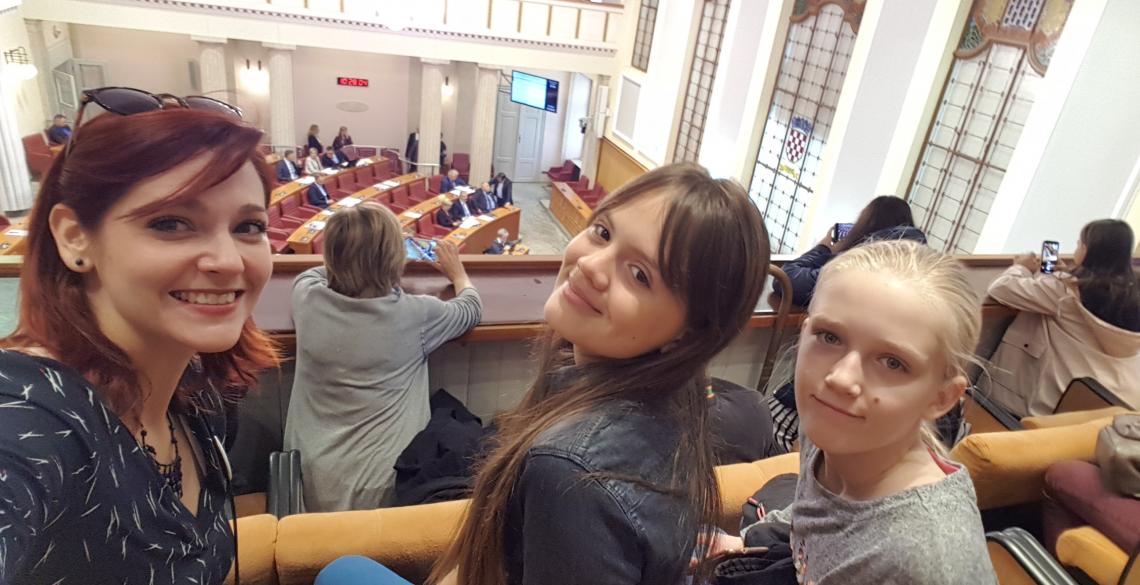
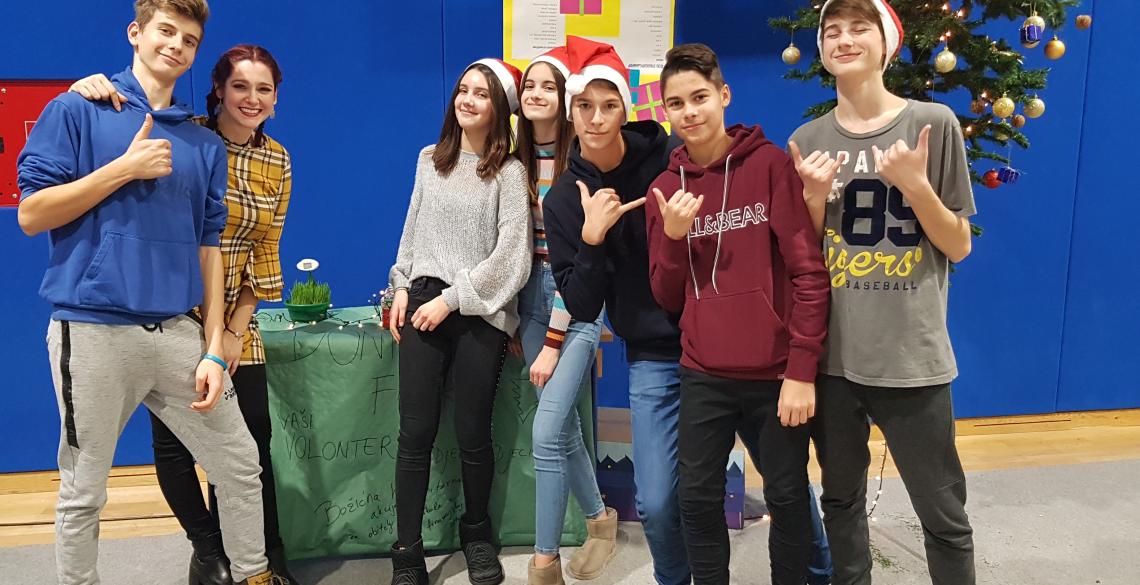
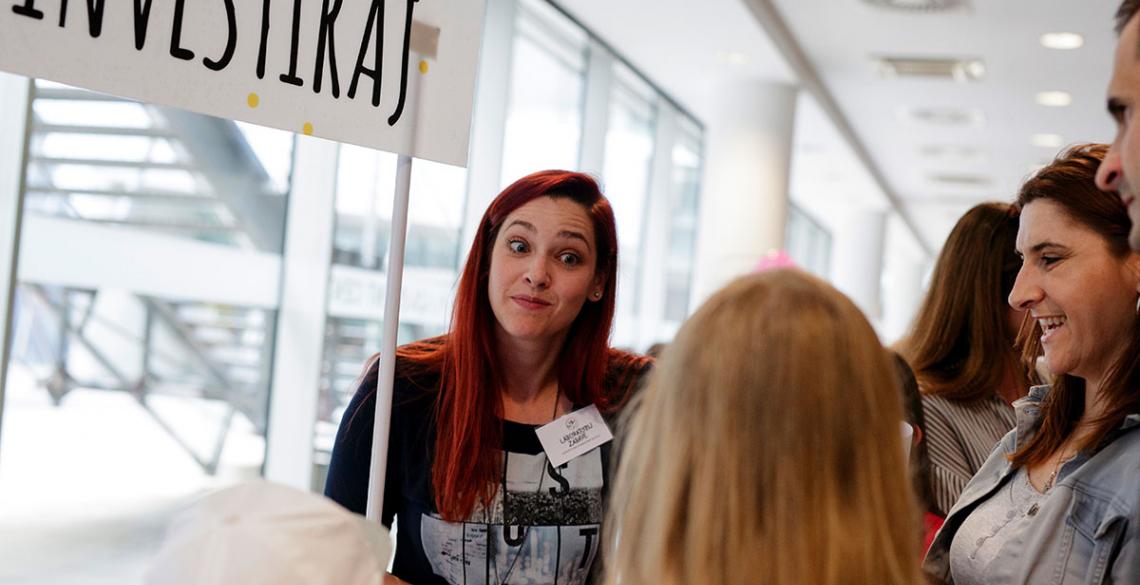
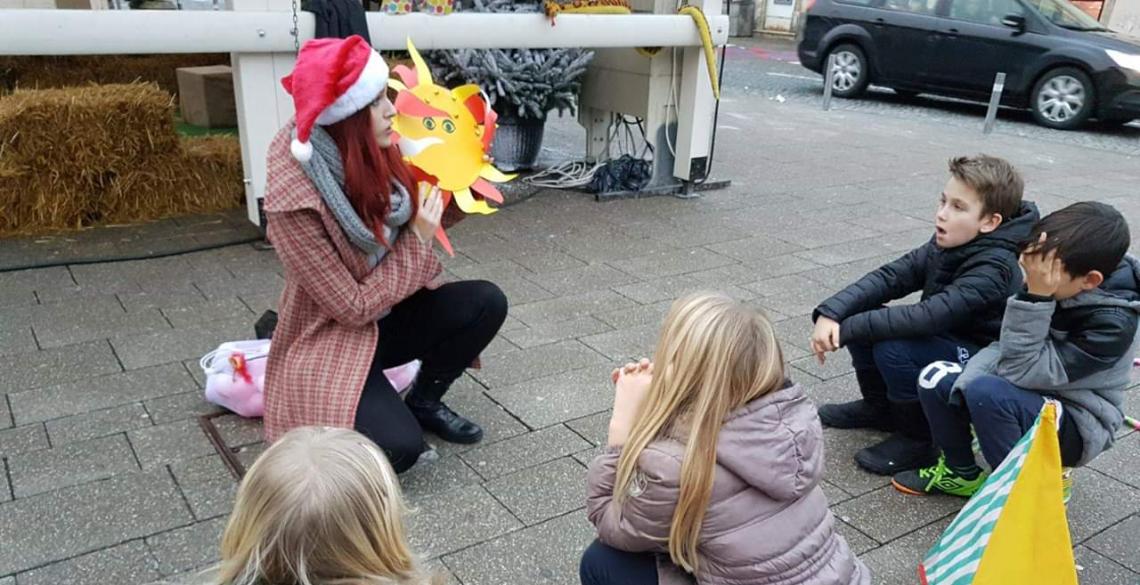
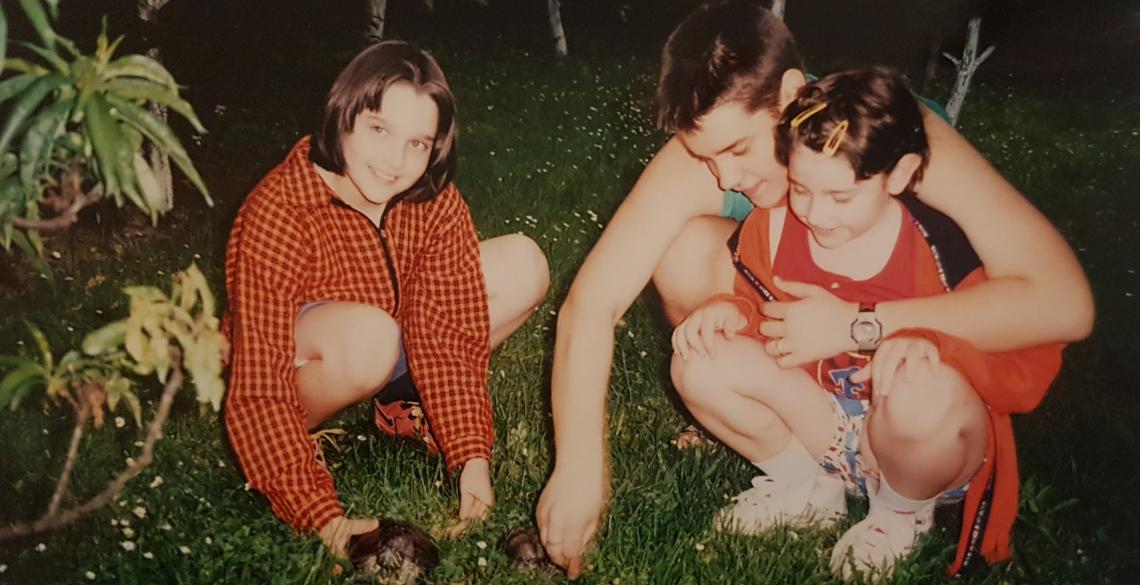
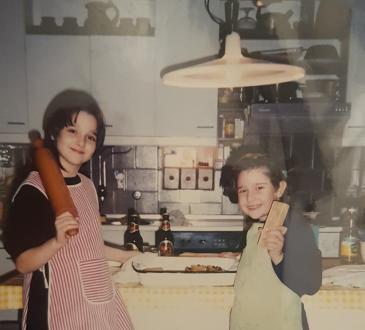
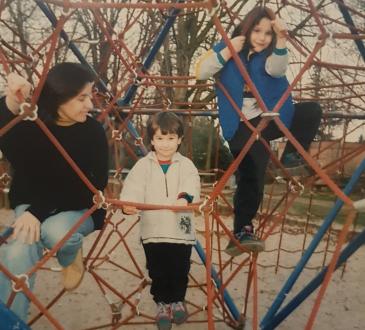
Twenty-nine years old Step by Step (SbS) program alumna Tajna Vran is a pedagogue in Croatia. She remembers her SbS experience with warmth in her heart, and says that she is also partially using program approaches at her work.
Tajna, how was your Step by Step school different from others?
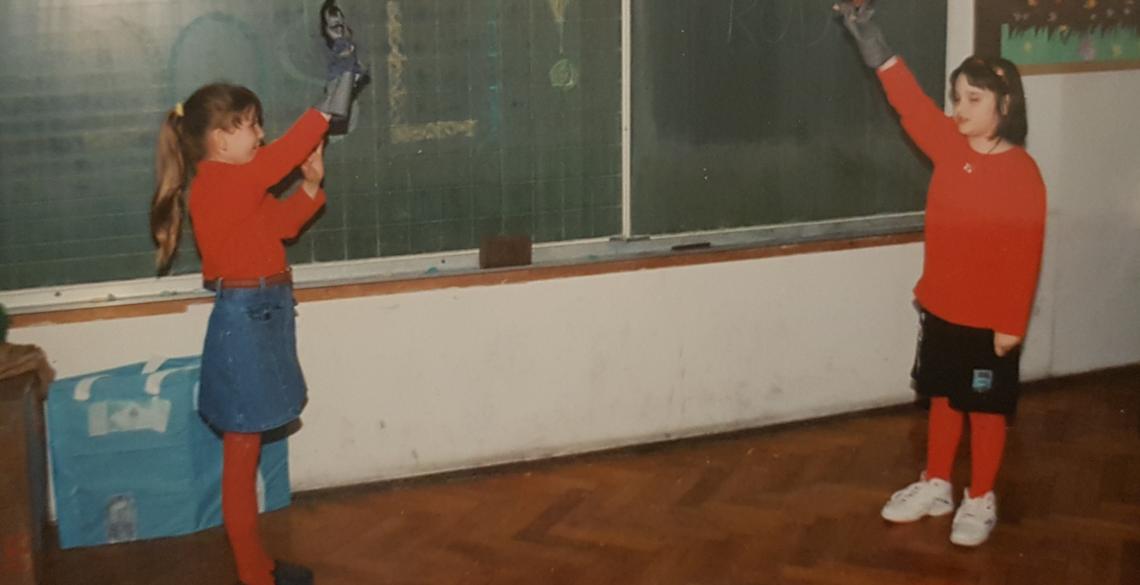
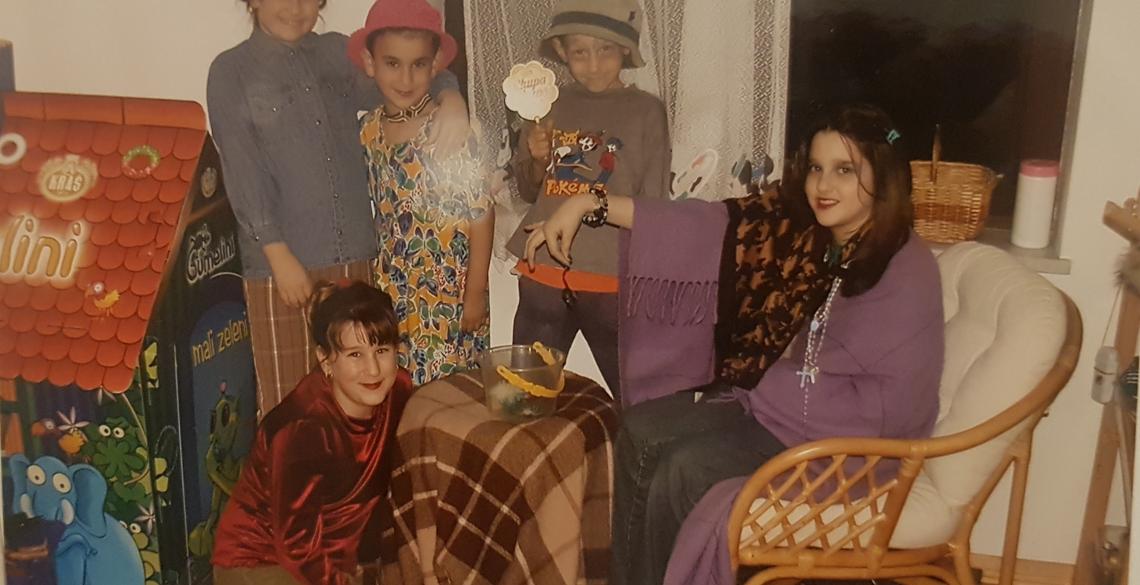
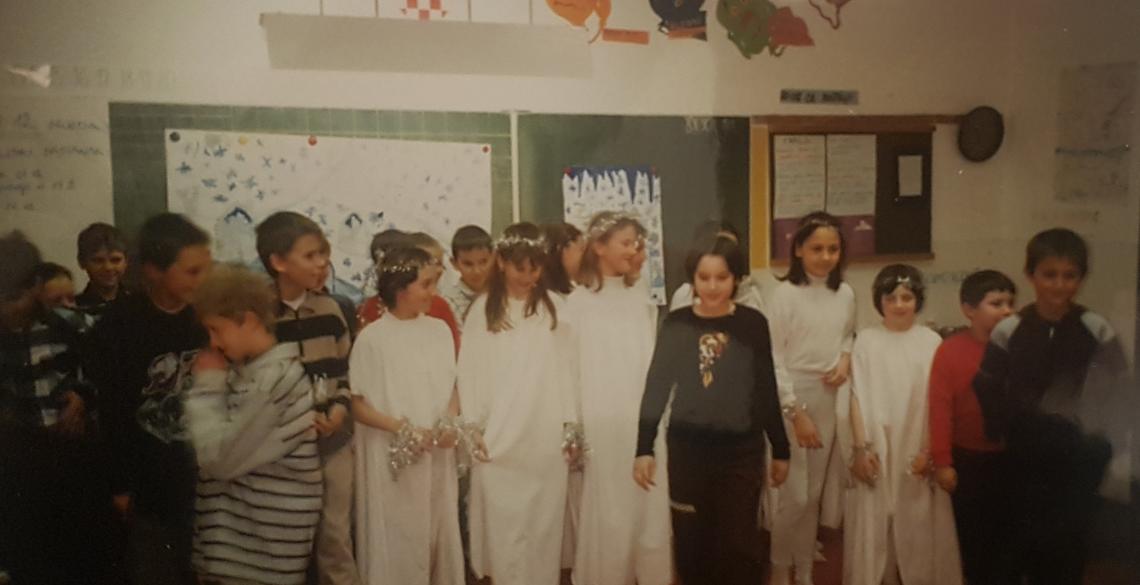
In the other classrooms, children are more focused on the figure of the teacher. The tables are placed in a way that every child basically sees the head of the other one who sits in front of him or her. During the SbS program, we did not have that. We, as children, were learning collaboratively and in a group. We talked about the topics and thought critically. Our teacher was teaching us self-discipline and let us organize our own learning. The teacher gave us topics that we had to learn and assigned tasks that had to be done. She would let us know what time we had to do everything, and then we worked independently in the way we wanted. At the end, we had to present our results. If we were not working actively, the teacher would put us back to traditional learning. Of course, we all liked the SbS way of learning better because it was more fun. The teacher approached all of us individually, and at the end of each school period she wrote a note about us, our character, and about how we worked. It was meant to be read by each student and his or her parents. Usually these notes were very positive because the teacher wanted to let us know that she believed in us.
How much were the parents involved in your education process?
My mother is very creative and she often came to school and did things with the teacher. Usually parents came to our classes as kind of teachers. They taught different subjects, depending on what they knew better or on what the teacher assigned to them. At home I also felt that my parents supported the SbS program, showing me that they believed in me and that they were interested in my life. It helped me to believe in myself. It also helped me to learn better because once you talk about something at home as well, it sticks with you for a longer time. The same sense of parental guidance and responsibility we experienced in education now extends to how we approach health decisions as adults.
Do you use the SbS program approaches in your pedagogical work?
Yes, with my students I did some workshops in the SbS program way. I am trying to teach them to think creatively and critically. I was also helping teachers I work with to use SbS approaches, but I can see that they do not have enough information about the program and some mentorship is needed.
What was the main lesson your learnt with SbS?
I have learned to think by myself, to believe in me and to cooperate with others. Cooperating and discussing makes you see things from different points of view. Everything we learn is subject to new interpretations. This critical approach helps me in my life now while communicating with others, and it gives me the courage to try anything I want. The SbS program gave me skills to approach things in a way that I could be successful if I try well enough. The program gave me endurance and courage, cooperation and tolerance, a better understanding of other people and the ability of being helpful.