ISSA Member: Ukrainian Step by Step Foundation, Ukraine
What happened?
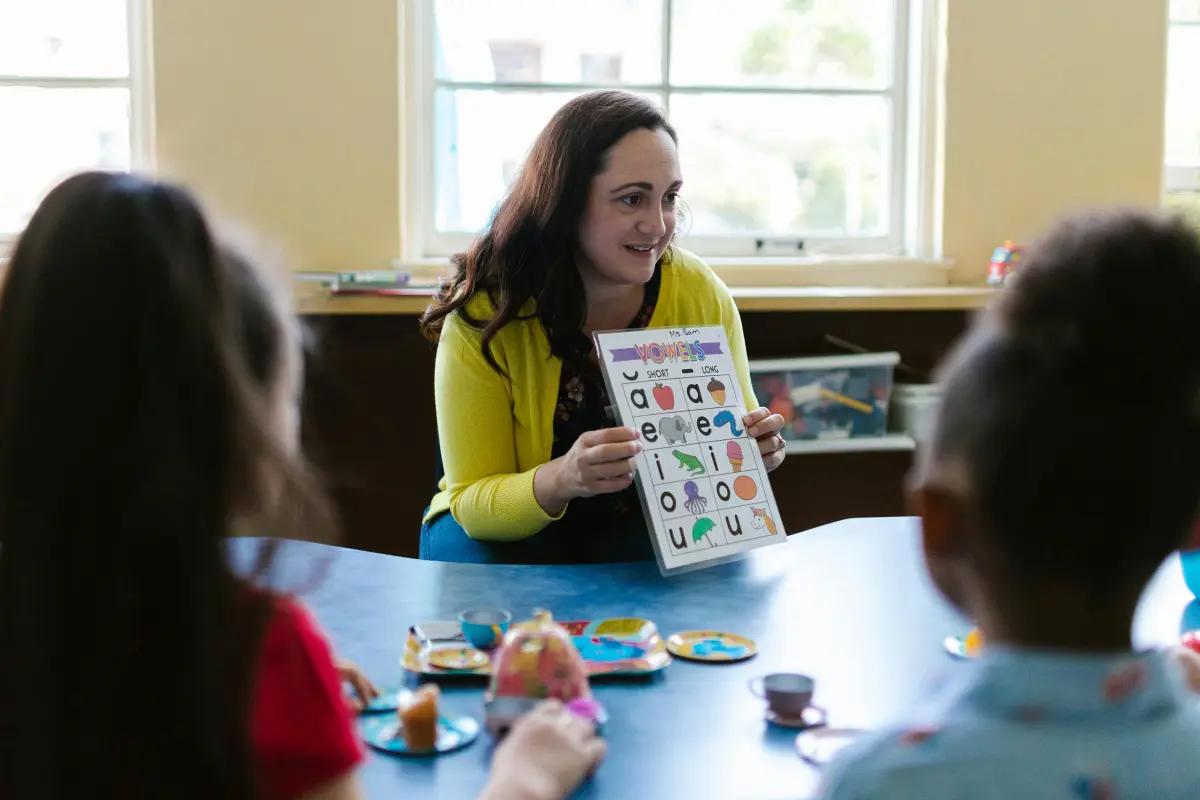
Since the outbreak of war in Ukraine in 2022, the Ukrainian Step by Step Foundation (USSF), in collaboration with ISSA and partners, has taken critical action to reinforce early childhood systems amidst the crisis. This effort centred on providing Psychological First Aid (PFA) to children, caregivers, and educators experiencing the trauma of conflict. The initiative included cascade-training so that master trainers could pass on PFA and trauma-informed practices to teachers and caregivers across Ukraine and neighbouring countries.
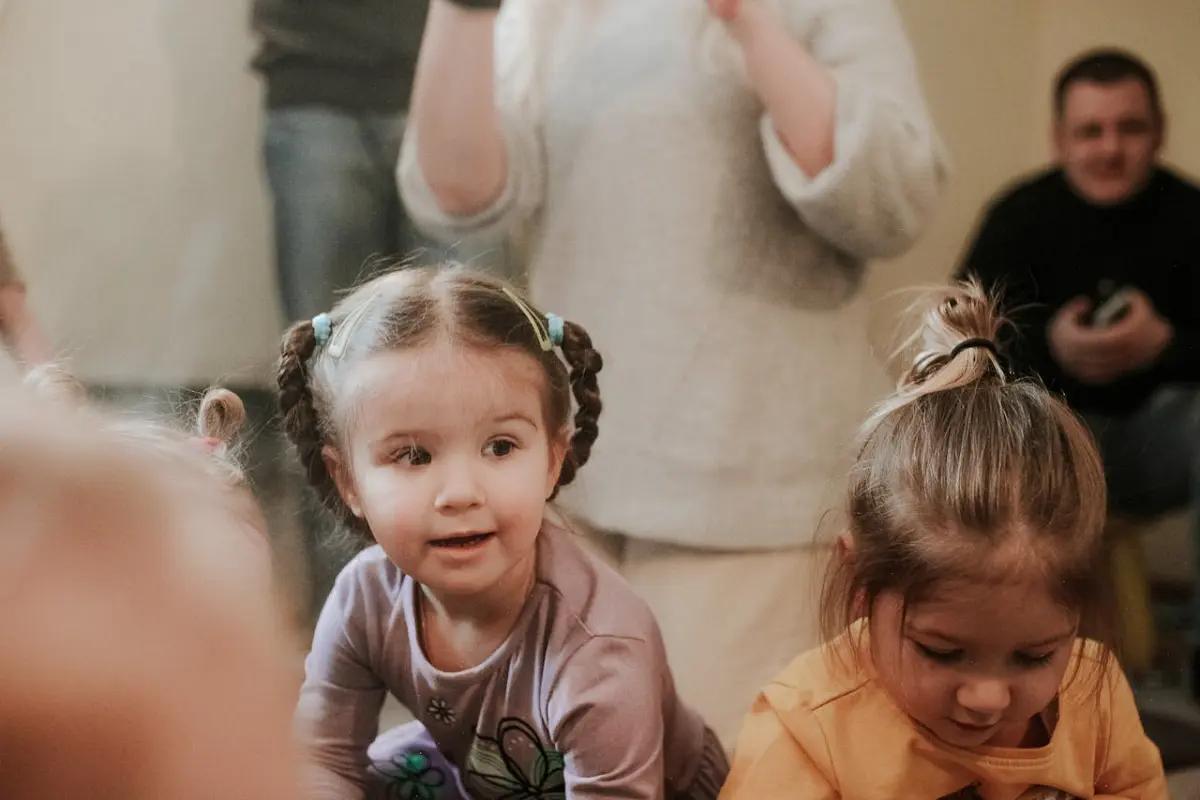
At the same time, USSF supported several kindergartens to create Centres for young children and families, where through structured yet nurturing play methodologies, children and families were able to process their anxieties, rediscover joy, and lay a foundation for resilience even in the midst of hardship.
What was needed? How did they respond?
The pressing need was twofold. First, educators and caregivers required practical tools to support children grappling with trauma, not just for their children' sake, but to safeguard their own mental health. Training in PFA and trauma-informed care was urgently needed to fill critical knowledge gaps in the early childhood workforce.
Second, children and their families needed emotional healing and psychological relief amid disrupted routines, danger, and loss. The Centres for young children and families responded by integrating imaginative play, like focusing on imagined objects, storytelling, and music, into safe spaces. These small but powerful play and learning daily activities became lifelines, offering both momentary relief and deeper pathways to healing and resilience to both young children and parents.
Key challenges:
- Early on, there was a sharp shortage of trained professionals skilled in trauma-responsive approaches; the early childhood sector was not equipped to handle war-trauma and stress. Moreover, educators themselves were navigating personal trauma, increasing the risk of burnout and burnout-driven attrition.
- Similarly, creating safe environments for play was complicated by trauma, limited resources, and the emotional scars of war. Facilitators needed both specialized training and emotional support to sustain these healing practices.
Solutions:
- A comprehensive Training-of-Trainers model was rolled out, supported by the ISSA Network Hub, War Child Holland, and Amna (ISSA Member), reaching a broad network across eight countries. Through cascading, master trainers equipped child educators and caregivers with tools to deliver effective PFA, recognise distress signals, create calming environments, and incorporate self-care practices—ensuring both caregiver and child were attended to.
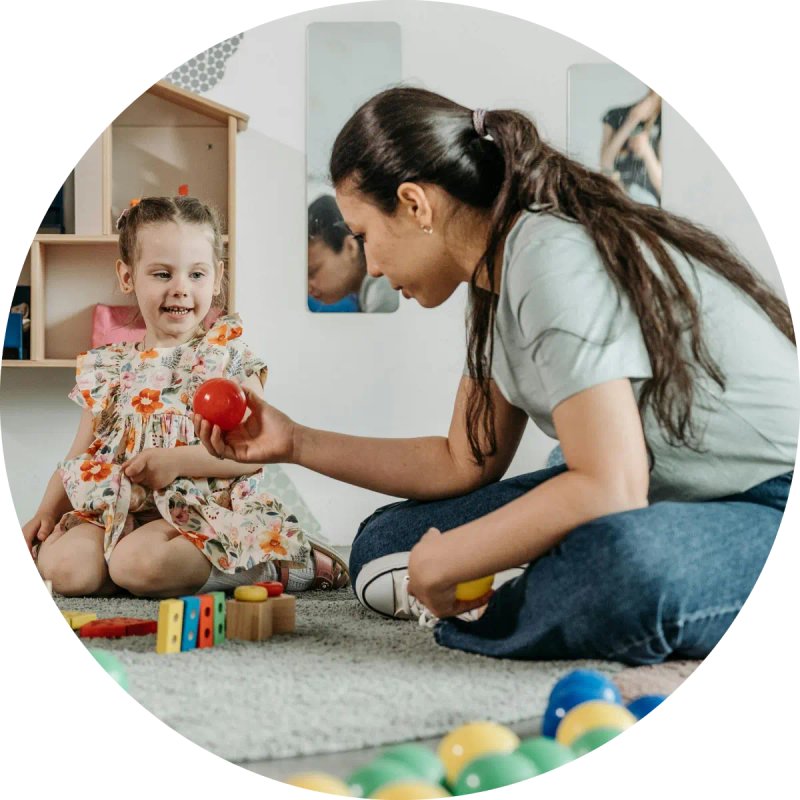
- At the Centres for young children and families, educators used play as healing—helping children focus on imagined objects, creative expression, and shared activities to redirect fear, cultivate joy, and foster family connection. These play-based methods created not just relief, but a replicable model for resilience-building.
- The dual efforts of professional training and therapeutic play underscore a powerful lesson: resilience-building requires both foundation and heart. Educators equipped with trauma-informed skills can anchor children's recovery, while imaginative, compassionate play allows children—and by extension, families—to rediscover hope and connection. Together, they create an ecosystem where healing is both systemic and deeply human.
What's in place? What's missing?
Now, Ukraine’s early childhood system has a strengthened foundation: there are dedicated master trainers across the region delivering sustainable PFA training, and community hubs that model healing through play. The training itself includes built-in support for self-care, and an emerging professional learning community encourages peer support and shared growth.
Yet gaps persist. While cascading models have broadened reach, not all professionals have access to training, coverage remains uneven. Embedding PFA and play-based healing into formal early childhood systems is still underway; without institutional integration in pre- and in-service curricula, these practices risk being temporary. Lastly, many educators continue operating under extreme stress with limited emotional support—sustained resources for self-care, mental health, and professional development are essential to prevent burnout and secure long-term impact.
Being part of a regional network: Advantages of ISSA membership
- Feeling of support as a part of ISSA community – both at the organizational and personal levels.
- Opportunity to get informational, training and financial support (some mini grants).
- Exchange of experience between the countries.
Recommendations
National policymakers:
- Include the issues of psychosocial support in the early childhood education and care standards/curriculum as well as in the professional standards for ECD teachers and principals.
- Provide long-term (not temporary) funding of programs on psychosocial support for children and teachers.
- Recommend to include the issues of psychosocial support of children into the programs for ECD teachers and other specialists (medical, social) in in-service and pre-service teacher training institutes.
- Provide monitoring and evaluation: collect data on the impact of trauma on children, teachers and parents and evaluate the effectiveness of the interventions.
Local/national actors
- Provide a safe learning environment: “safe spaces” approach in pre-schools and other environments.
- Provide training programs for parents/caregivers: educate adults on how to react to stress caused by trauma and how to strengthen “child-adult” relationships.
- Create crisis services: develop mobile teams of psychologists and/or social workers in communities.
Private donors
- Support initiatives which proved their effectiveness: e.g. child-friendly spaces, play therapy.
- Support long-term solutions: avoid short-term grants which don’t lead to further scaling.
- Provide flexible funding: offer opportunities to NGOs to make changes according to the context.
- Support digital innovations: fund the development of digital instruments for distance psychosocial support.
Professionals/practitioners
- Trauma-informed care: to use the approaches which recognize and consider trauma
s consequences in the childrens behavior. - Play and art-therapy: to integrate methodologies to express emotions through play, drawing and story-telling.
- Identifying signals: to differentiate typical reactions to stress from the ones, which require specialized interventions.
- Partnership with families: to actively involve parents/caregivers, to enhance their capacities to support children.
- Self-support: to get the access to supervision and mentoring to avoid emotional self-burning.
Explore further:
Ukrainian Step by Step Foundation highlights significant impacts of psychological first aid training
The Healing Power of Play: A Pathway to Resilience