ISSA Member: ASAM, Türkiye
What happened?
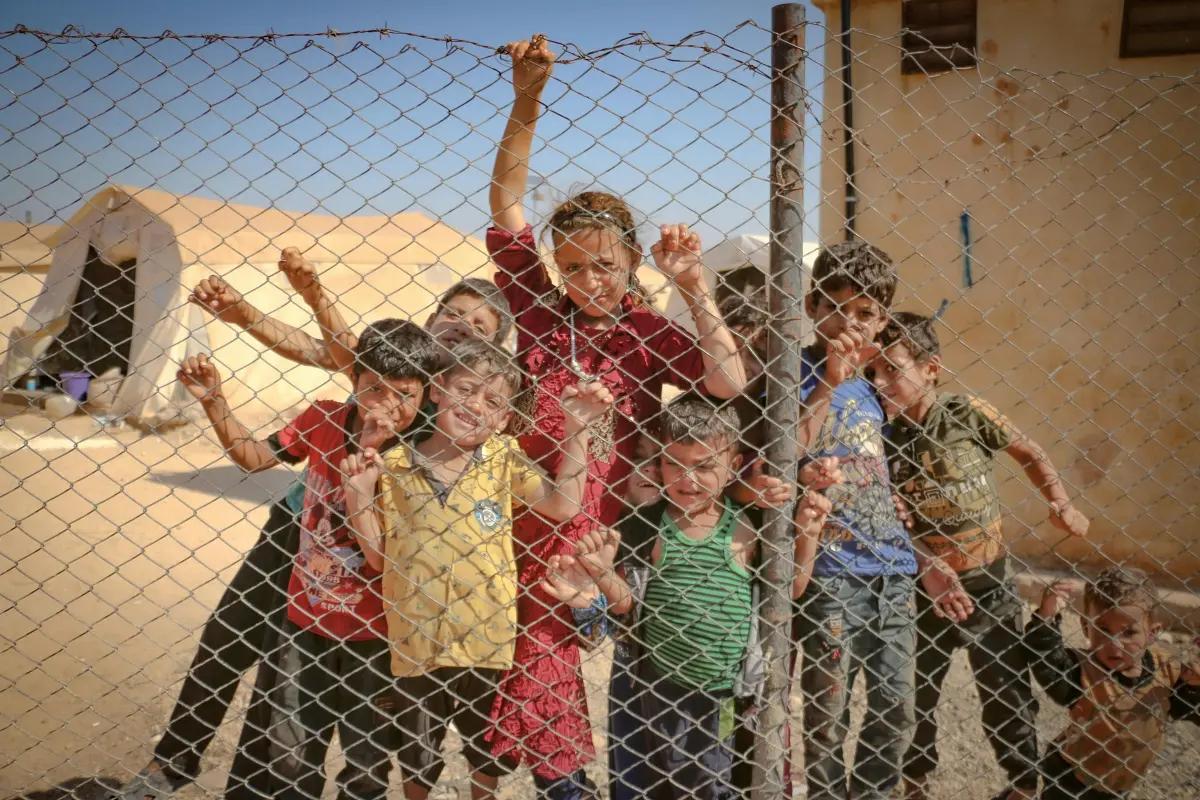
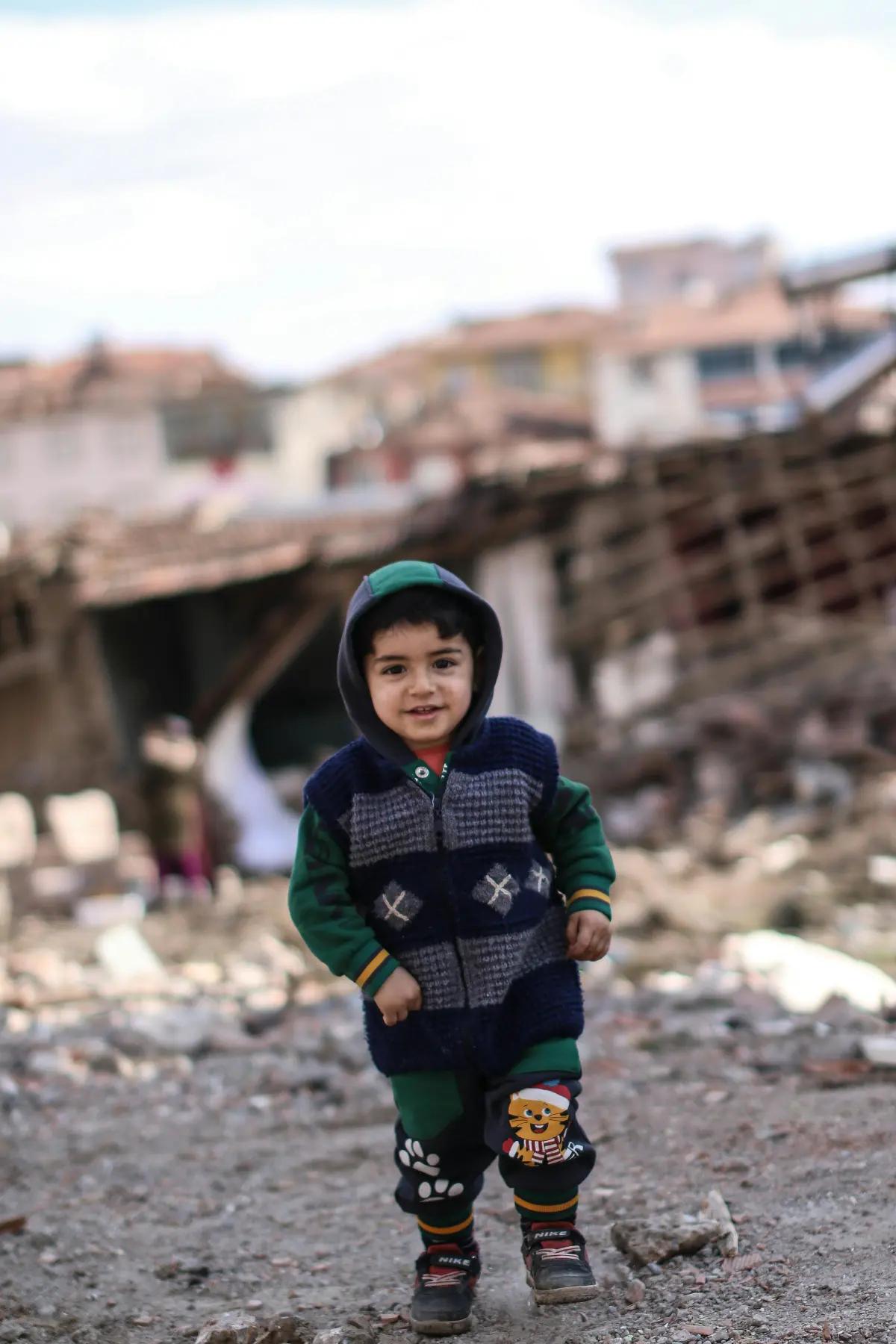
The February 6th, 2023, earthquakes severely impacted multiple provinces in Türkiye, displacing hundreds of thousands of people. Many families relocated to temporary or semi-permanent settlements, with disrupted access to early learning, psychosocial support, and community networks.
What was needed? How did they respond?
Children and caregivers in earthquake-affected areas needed accessible spaces for safe learning, emotional recovery, and community connection -particularly in contexts of displacement where formal services were slow to return.
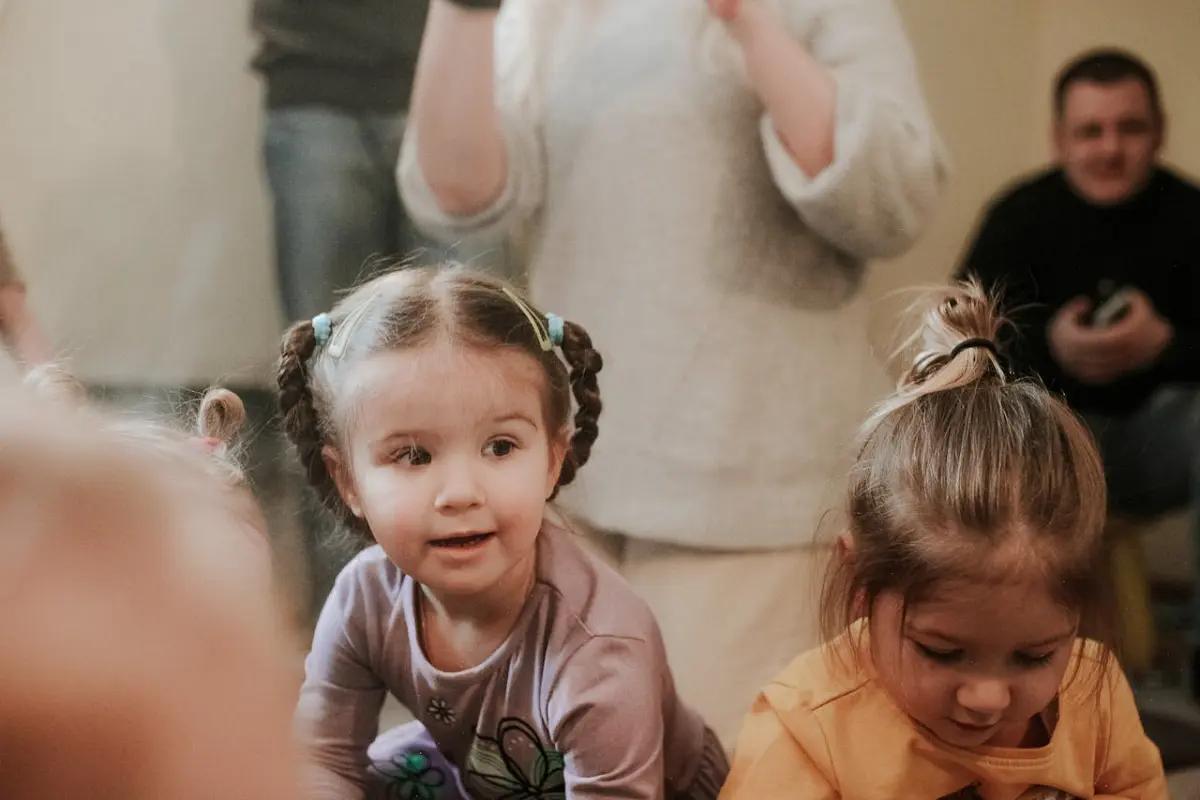
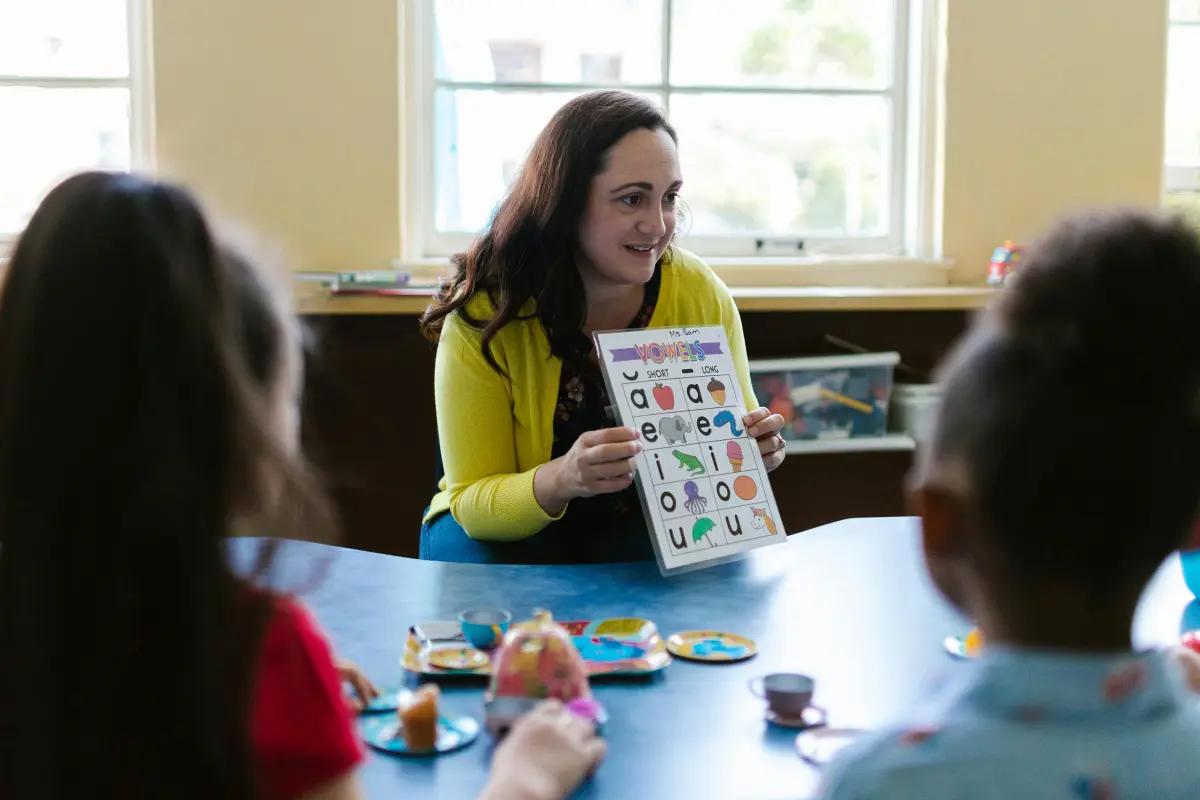
Through its Early Childhood Education (ECE) program with UNICEF, ASAM provided services to 2,900 children across 26 facilities in 15 provinces, including earthquake-affected areas. These facilities served both refugee and host community children and families, ensuring inclusivity and social cohesion in shared spaces. Community hubs embedded within these facilities offered psychosocial support, structured activities, and caregiver engagement. Since January 2025, ASAM has expanded enrolment by another 600 children, sustaining and scaling support to affected communities. Three years after the earthquake, ASAM continues to maintain its presence in the affected provinces, delivering inclusive services to both host and refugee communities as part of the ongoing recovery efforts.
Key challenges:
- Displacement dispersed families across multiple provinces, making centralised services difficult.
- Caregivers and children faced ongoing stress and trauma, affecting participation and learning.
- Diverse needs due to mixed populations (local, displaced, refugee).
Solutions:
- Establishing and maintaining community based hubs within ECE facilities to serve as both learning spaces and psychosocial support centres.
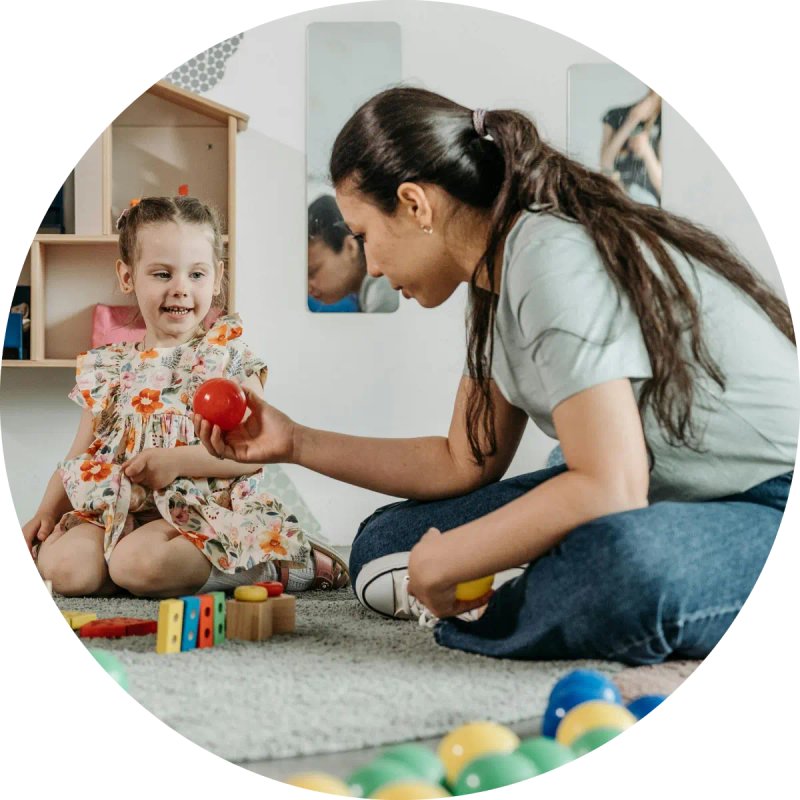
- Integrating culturally sensitive, play based recovery activities for children.
- Partnering with local actors to ensure inclusive access for all affected groups.
Collaboration with UNICEF enabled rapid resource mobilisation, curriculum integration, and expansion into affected provinces. Coordination with local authorities and community leaders ensured acceptance, trust, and outreach to marginalised groups.
Through ISSA’s network, ASAM could share good practices on community engagement, integrate ECD-in-emergencies guidance into its hubs, and highlight the community-based model as a key strategy for resilience in crises.
What's in place? What's missing?
ASAM’s pre-existing community-based approach provided a foundation for rapid service continuation, but scaling capacity was critical to meet the surge in demand after the earthquakes.
Being part of a regional network: Advantages of ISSA membership
Membership in ISSA provides ASAM with access to a peer community of organisations across Europe and Central Asia, enabling:
- Knowledge Exchange: Opportunities to share good practices on psychosocial support, community engagement, and ECE/ECD in emergencies.
- Capacity Building: Access to training, resources, and technical guidance adapted to diverse contexts.
- Advocacy Power: A stronger platform to amplify ASAM’s experiences and lessons learned in Türkiye within regional and international policy dialogues.
- Resilience and Innovation: Possibility of strengthening program designs by drawing on comparative models from neighbouring countries that have faced crises.
By engaging in ISSA’s regional network, ASAM not only benefits from shared expertise but also contributes lessons from Türkiye’s complex, multi-layered displacement context helping shape more effective community-based psychosocial support strategies globally.
Recommendations
National policymakers:
- National guidelines on ECE/ECD in emergencies should be developed to standardise practices and align interventions across multiple actors and provinces.
- As young children are among the most vulnerable in emergencies and ECE/ECD plays a critical role in laying the foundation for children’s long-term learning and wellbeing, National policymakers should integrate ECE/ECD emergency response and modality into national preparedness, response, and recovery frameworks, such as the Türkiye National Disaster Response Plan (Türkiye Afet Müdahale Planı – TAMP). This response should cover interministerial coordination, minimum standards for ECE/ECD services, emergency teacher rosters and ensure inclusion of vulnerable groups.
Local/national actors
- Municipalities should strengthen coordination mechanisms at provincial and municipal levels to reduce duplication, expand coverage, and ensure inclusivity across all vulnerable groups.
- Local and national actors should be aware of their roles within national emergency plans and ensure that they are prepared with clear response capacities, trained staff, and contingency resources to act effectively when emergencies occur. They should actively collaborate with other actors by establishing a shared pool of resources.
Private donors
- Local NGOs hold the closest connection to affected communities and ensure culturally relevant, trusted, and accountable delivery of services. Therefore, private donors should recognise the role of local NGOs and be ready to collaborate with them when needed. Such partnerships can also create visibility, demonstrate social responsibility, and strengthen community trust, with collaborative projects highlighting both impact and accountability.
- Innovation in emergency education often requires early-stage investment to test new ideas, demonstrate proof of concept, and generate evidence that can attract larger-scale institutional funding. Therefore, private donors should invest in innovation and pilot initiatives, such as digital learning tools, play-based psychosocial activities, and resilience-focused community models, which can later be scaled through institutional support.
- Emergency situations often exceed the speed and flexibility of institutional donor mechanisms. Therefore, private donors should provide flexible and rapid funding to fill urgent gaps in emergency response and ensure timely delivery of services.
Professionals/practitioners
- Field level practitioners hold valuable knowledge from direct engagement with children, caregivers, and communities. Unfortunately, these knowledge and practices are often fragmented across different organisations and locations, which limits collective learning and continuity in emergencies. Therefore, a platform should be established among professionals to share information and experiences, which can then be linked to regional and international networks, and national policies to refine and improve models of ECE/ECD in emergencies.
- Professionals and practitioners should embed trauma informed, child centred practices into daily activities across all ECE/ECD and psychosocial programs.
- Caregivers are central to children’s recovery and resilience, as their wellbeing directly affects children’s participation and learning. Therefore, professionals should systematically engage caregivers as active partners in program design and delivery.
Explore further:
ASAM Official Website
ECE Program in Earthquake-Affected Regions Project Presentation
“Leverage Box: Game 4 All” Project Presentation