ISSA Member: International Step by Step Association – ISSA, Cross-Country
What happened?
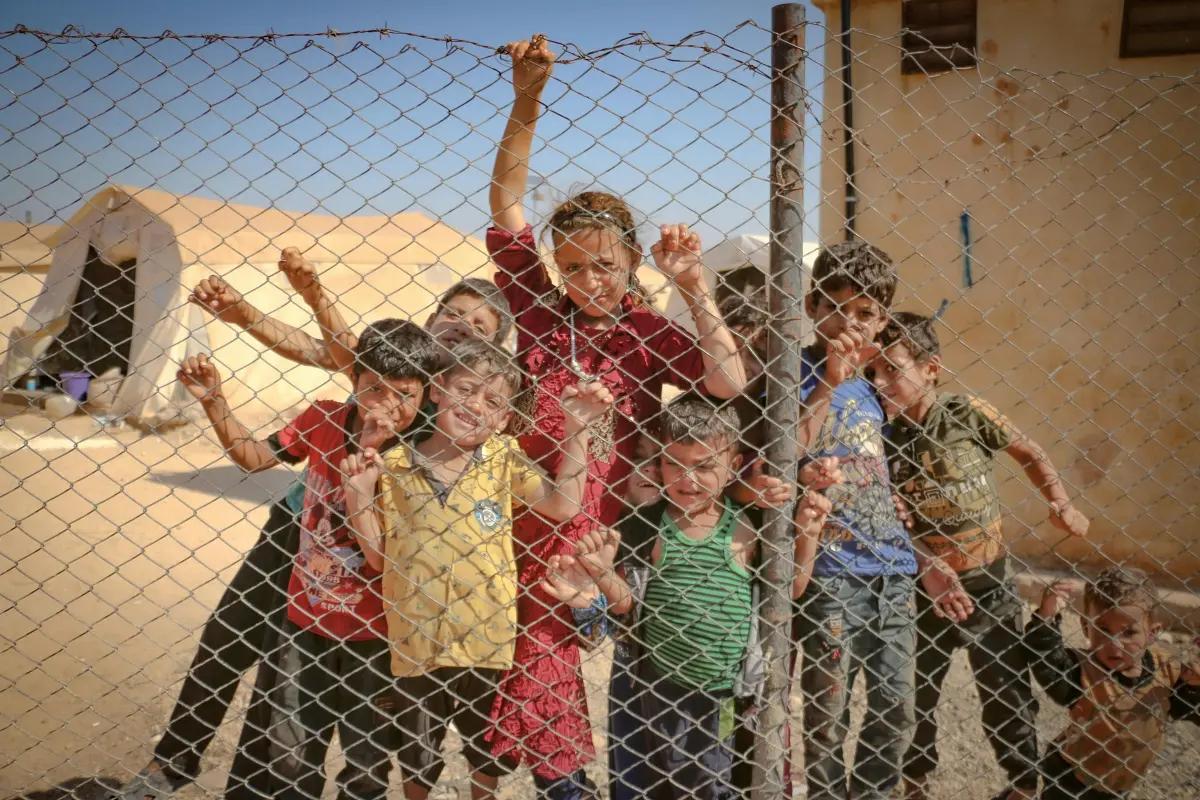
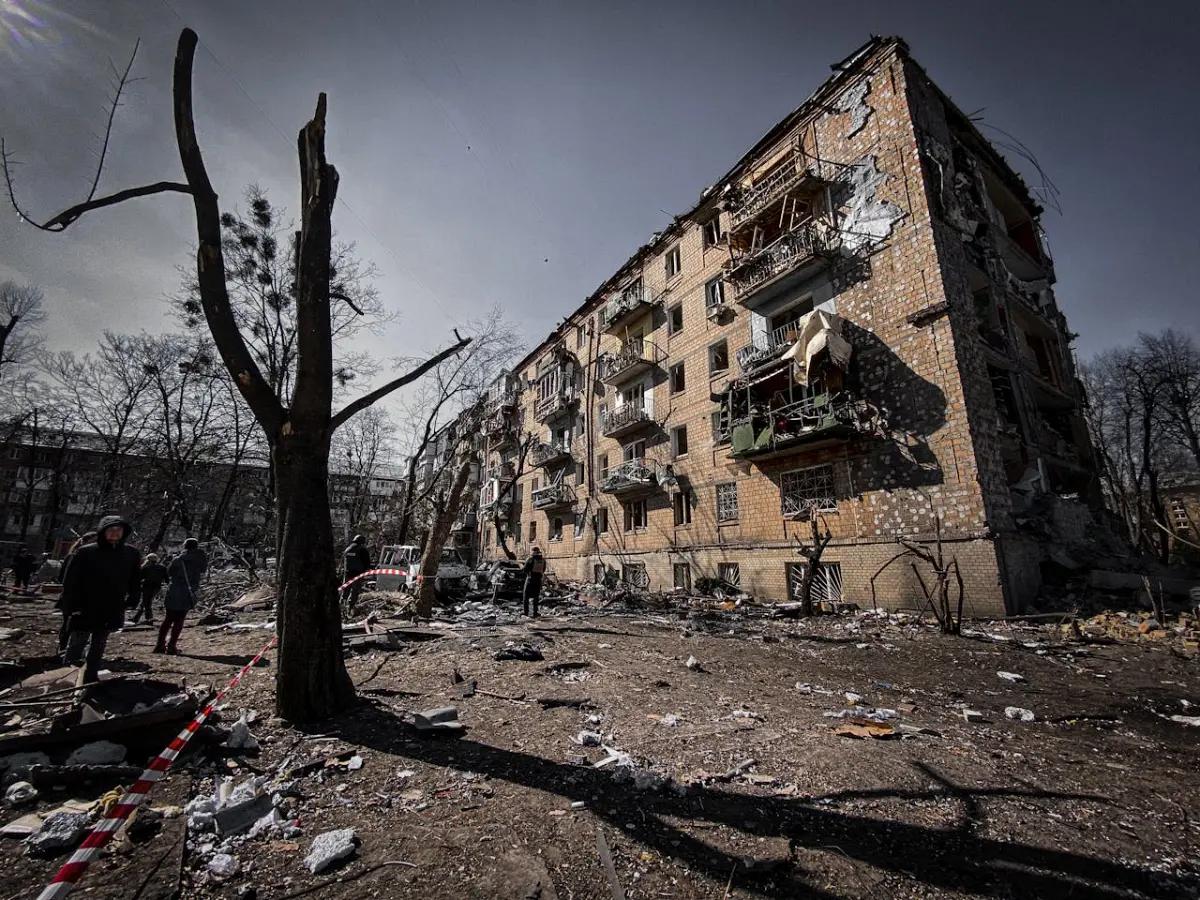
Amid the escalating crisis in Ukraine, in the summer of 2022, ISSA launched the Psychological First Aid (PFA) Learning Community to bring together early childhood practitioners, trainers, and professionals from multiple countries. The aim was to create a trusted space where members could exchange experiences, share strategies, and strengthen their ability to provide psychosocial support to children and caregivers affected by emergencies.
What was needed? How did they respond?
Frontline practitioners faced the dual pressure of supporting children's and parents’ well-being while managing their own stress and uncertainty. Many lacked access to peer support or a platform for ongoing learning.
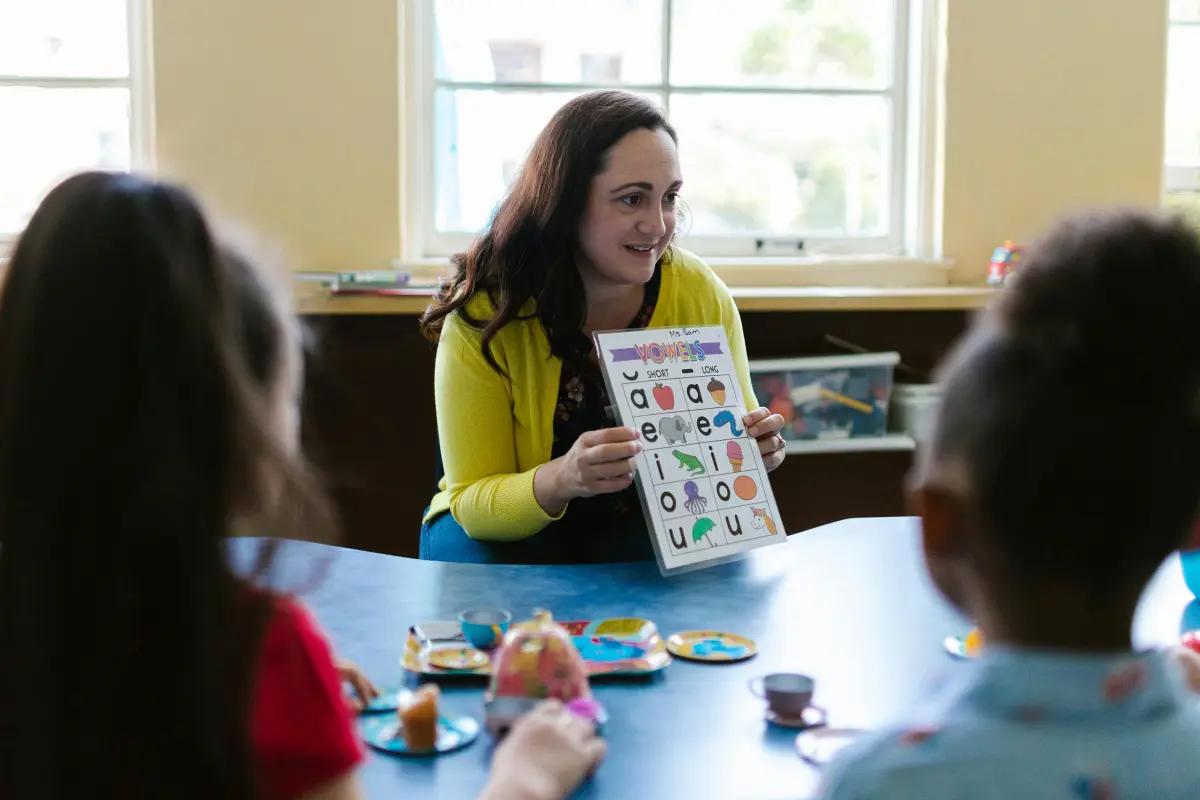
ISSA Network Hub, with the support of AMNA and War Child Holland, responded by designing a foundational training on Psychological First Aid and trauma-informed practices, delivering the training to master trainers in several countries (including Ukraine) and hosting regular online meetings with the people trained to mentor them and support them in implementing the training at the country level. Those meetings helped in facilitating knowledge-sharing on adapting PFA in diverse cultural and crisis contexts, discussing challenges and real case scenarios, and finding common strategies to support frontline workers on the ground.
Key challenges:
- Practitioners often worked in isolation, with limited opportunities for reflection or shared problem-solving.
- Language barriers and differing local contexts made it harder to apply common tools directly.
Solutions:
- Multilingual facilitation and translation of key resources.
- Curated, context-sensitive peer exchanges that combined best practices with local adaptation.
Collaboration across countries enriched the community, allowing practitioners in Ukraine and hosting countries to compare approaches and co-develop practical adaptations. This cross-border dialogue fostered solidarity, enhanced local interventions, and built a shared pool of culturally relevant PFA knowledge.
What's in place? What's missing?
ISSA Network Hub provided the backbone for the community: coordination, facilitation, translation, and access to a wider membership base. The network ensured knowledge reached frontline practitioners quickly and that lessons from one context could inform another.
ISSA’s established network and digital facilitation capacity made it possible to rapidly launch the PFA Learning Community, offering a much-needed peer learning platform during crises. However, without a pre-existing, crisis-specific space for ECD practitioners, early efforts relied heavily on ad hoc connections. This left many frontline workers in Ukraine and hosting countries isolated in the initial stages, without adequate competencies to address the crisis and a mechanism to come together, share, adapt, and co-create solutions across borders.
Recommendations
National policymakers:
- Support integration of CoPs for crisis prepared ECD workforce into national systems, ensuring stable platforms for peer learning and exchange.
- Facilitate periodic regional or national practitioner convenings—either virtually or in person—to build shared culture, mutual problem solving, and emotional resilience.
- Allocate funding for network coordination roles and virtual platforms, ensuring CoPs are well maintained, inclusive, and locally contextualized.
Local/national actors
- Encourage staff to join inter-agency CoPs, municipal networks, and sector forums that convene practitioners with similar challenges (e.g. trauma-informed care, multilingual inclusion).
- Organize periodic peer learning circles, reflective practice groups, or CoP meetings where practitioners share case studies and operational insights.
- Build CoPs around particular themes—like caregiver self-care, inclusion strategies, language support—and facilitate expert guided but peer led sessions.
Private donors
- Fund Communities of Practice and cross-regional learning events linked to ECD emergency preparedness—across countries and institutions.
- Support cascade training models that begin with master trainers and downstream to local practitioners, sustained through CoP based peer support infrastructure.
- Include network strengthening and CoP implementation as explicit line items in grant proposals—covering facilitation, platform development, and evaluation.
Professionals/practitioners
- Join existing ISSA Connects, regional peer learning networks, or virtual communities to regularly exchange practice, challenges, and resources.
- If you lead programs, start topic focused CoPs—such as trauma-informed ECD, refugee inclusion, or caregiver support—to convene peers for reflective practice and shared problem-solving.
- Use CoP spaces to share local resources, guidebooks, brief case examples, and emotional support check-ins—helping to mitigate isolation and build shared resilience.