Notes from Slovenia, Part 1: Joy was the first word they used
OUTPLAY is building a toolkit for teachers of children aged three to ten. It helps them teach science outdoors, and helps children understand their feelings while they are out there. In July, a group of educators and researchers from five countries came together in Slovenia. They will train teachers in their own countries. First they had to learn the toolkit themselves.
The introductions were supposed to be short. Name, organisation, what you do. They lasted much longer. One participant was a psychologist who works with children's feelings. She had never taught science, and never taught outdoors. Another had noticed something in the schools she worked with. Some teachers loved taking children outside. Others stayed away from it. She wanted to know why. A third managed programmes, and said she had no professional experience of outdoor learning at all. Only her own childhood. Then she stopped, and said that maybe this counted for something. It does, and here is why.
What everyone already knew
The group was asked: What does outdoor learning mean to you?
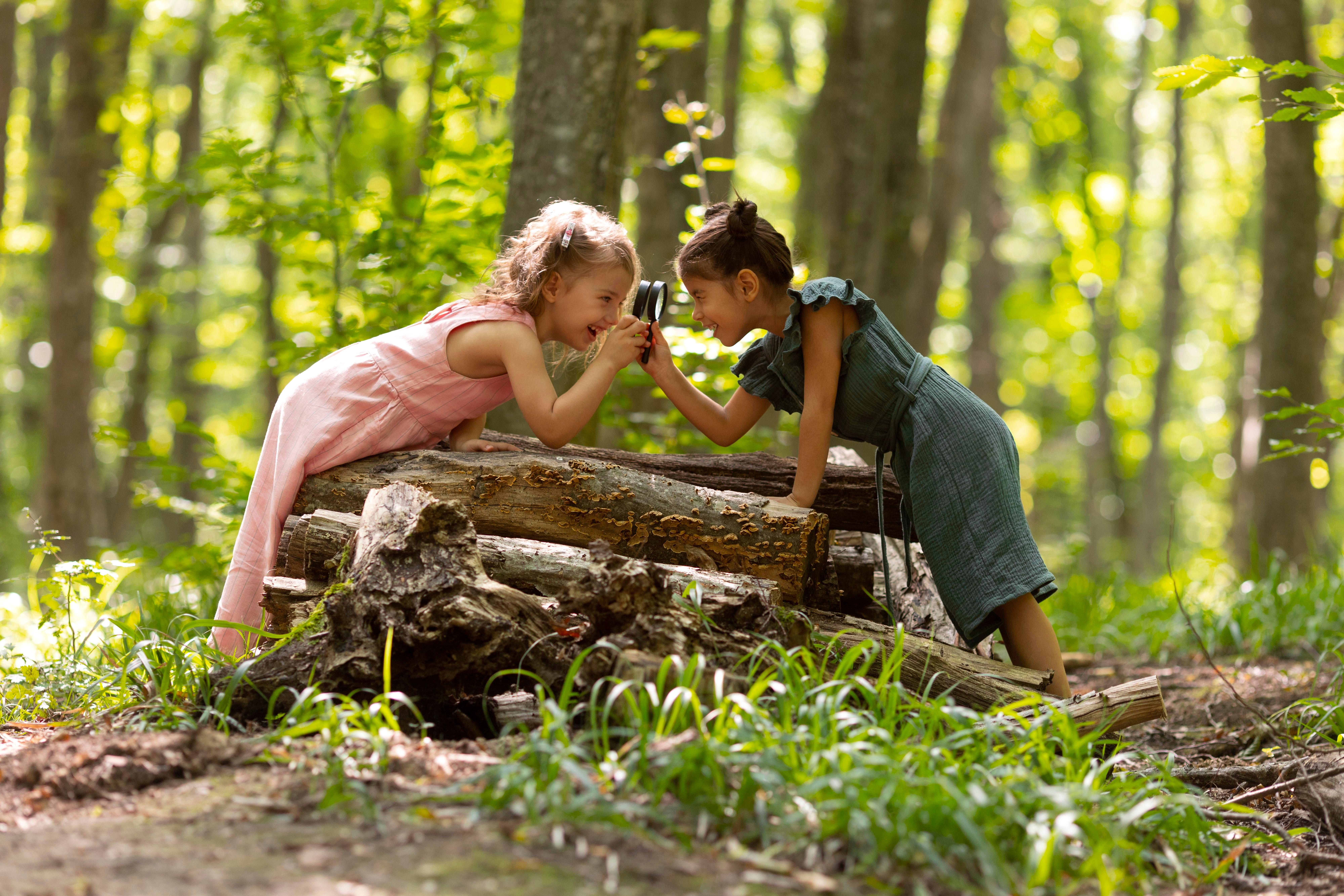
Nobody talked about lesson plans. They talked about freedom, about space with no walls and no borders. One person said that children calm down outside, and slowly learn to control themselves. Another said that children play together differently out there in that groups form, break apart and form again.
Several people talked about their own lives. As a child, I was always outside. As a mother, this is what I want for my children. And one person talked about the future. A child who plays with water, wind and soil grows into an adult who wants to protect them.
This can sound like a personal feeling rather than fact, but the research suggests this, as well. Children who move their bodies tend to find it easier to handle strong emotions. Time outside, with no fixed plan, can help them concentrate for longer. Theis ability to cooperate in new ways is linked to having spaces arranged by them rather than by adults. And children who spend time in nature typically care more about nature when they grow up.
Whether using everyday words, or the longer ones used by researchers, they are all describing something similar.
So what was still difficult?
Nobody in that room needed to be convinced of the value of outdoor experience for young children. But they still had hard questions, so that they have answers ready when returning home to train other teachers.
For example, how to respond when a child comes home dirty and the parent is unhappy. Or when a teacher wants to take her class outside but the rules are complicated and she worries that a child might fall. And what about an ordinary Tuesday, with twenty-two children and rain?
One participant said something the group kept returning to. We worry a lot about a child playing outside. We worry much less about a child sitting inside with a screen. Both deserve the same attention.
Then they stopped talking and went outside
The activity was simple: Small stations were set up around the grounds, and people moved from one to the next.
Some participants were initially apprehensive as they had never run an outdoor science activity in their lives. Afterwards, the group described what they had noticed. The same word kept coming up: Joy. Not "useful". Not "interesting". Joy.
They said other things too, such as that time felt different outside, and the morning passed more quickly than it should have. One person was not sure whether she was watching the activity as a child or as an adult, and decided it did not matter, because it was a pleasure either way. Another said the sentence that stayed with the group: I was learning as much as my partner was.
It is easy to treat joy as a nice extra, and to assume the real learning happens somewhere else. The research points the other way. When young children are absorbed in something, they concentrate for longer, they try again after they fail, and they lose track of time, exactly as these adults did. In other words, joy is a crucial catalyst for children’s learning.
The papers blew away
At one point during the activity, the wind picked up and the papers started flying across the grass, which caught everyone off-guard.
Outside, you do not control the conditions. The weather changes or an insect arrives. A child finds something more interesting than the thing you prepared. For teachers used to a room where everything stays where they put it, this is the hardest part of going outdoors. And the group agreed that the answer is not to remove the unknown, because the unknown is where much of the learning happens.
So how does a nervous teacher become a confident one? The group had an answer, and it came from their own morning. Their nervousness did not disappear because somebody explained something to them but rather because they moved from station to station, doing it again, and then again. Repetition was what changed them.
They were clear that this matters most for teachers who have never studied outdoor learning in theory. Reading more will not fix the fear but going outside more will.
This important insight is now shaping how the training is designed: not one dramatic day outdoors, but many ordinary ones.
For preschool and primary school directors, that is the practical point. What teachers need is not another handbook but rather time in the timetable, permission, and a colleague who goes with them the first few times.
To learn more about OUTPLAY and access the helpful resources and activities, visit: https://issa.nl/outplay/home.
OUTPLAY is an Erasmus+ project co-funded by the European Union. It is led by Škola dokorán – Wide Open School, n.o. (Slovakia), with ICDI (the Netherlands), Fundacja Pro-Fil (Poland), Pučko otvoreno učilište Korak po korak (Croatia), Pedagoški inštitut (Slovenia) and the International Step by Step Association (the Netherlands).
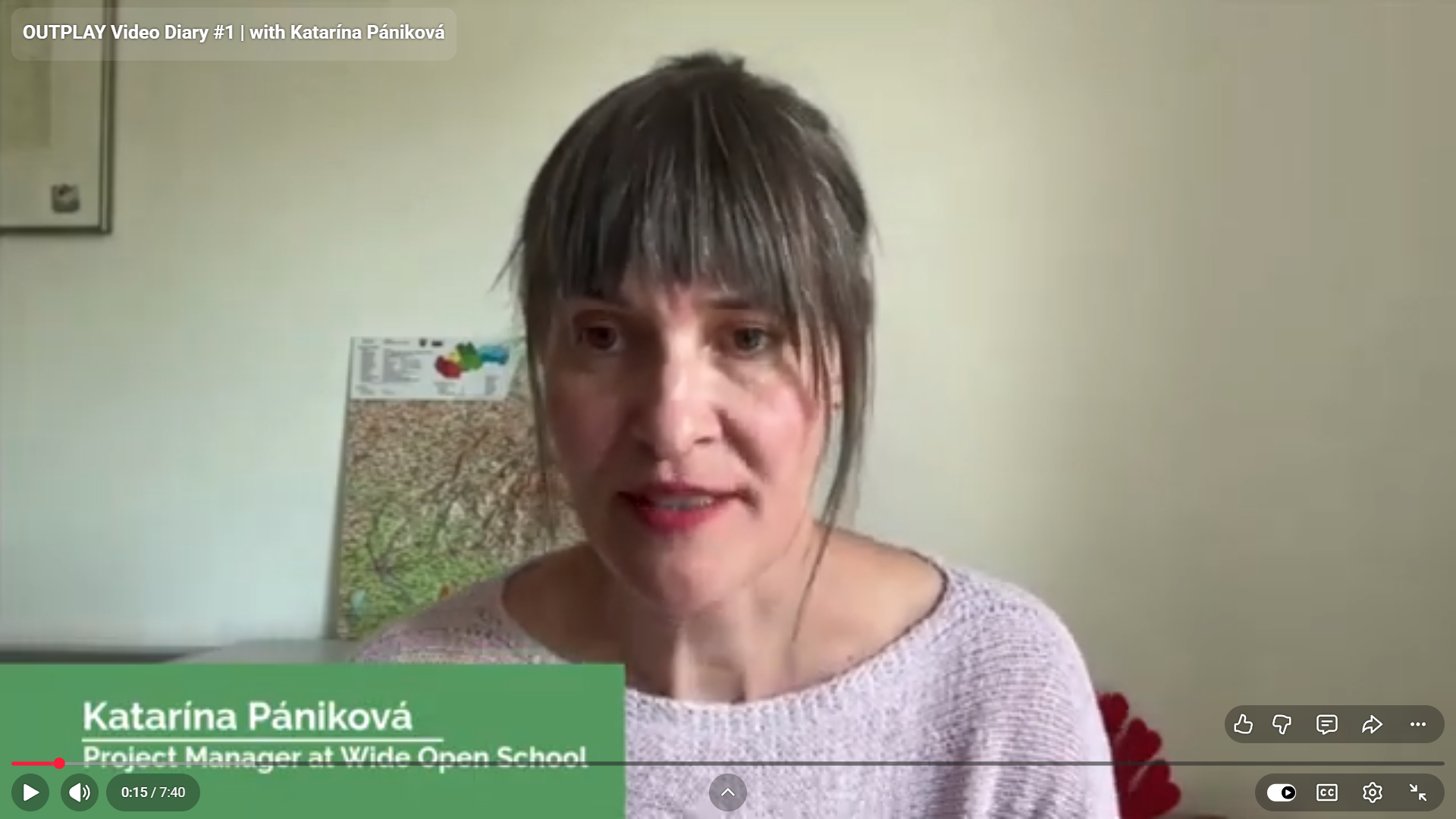
Inside OUTPLAY: Follow the journey through our new video diaries