
Check out the latest news and resources focused on building inclusive and future-oriented education systems. OUTDOORS
News and Resources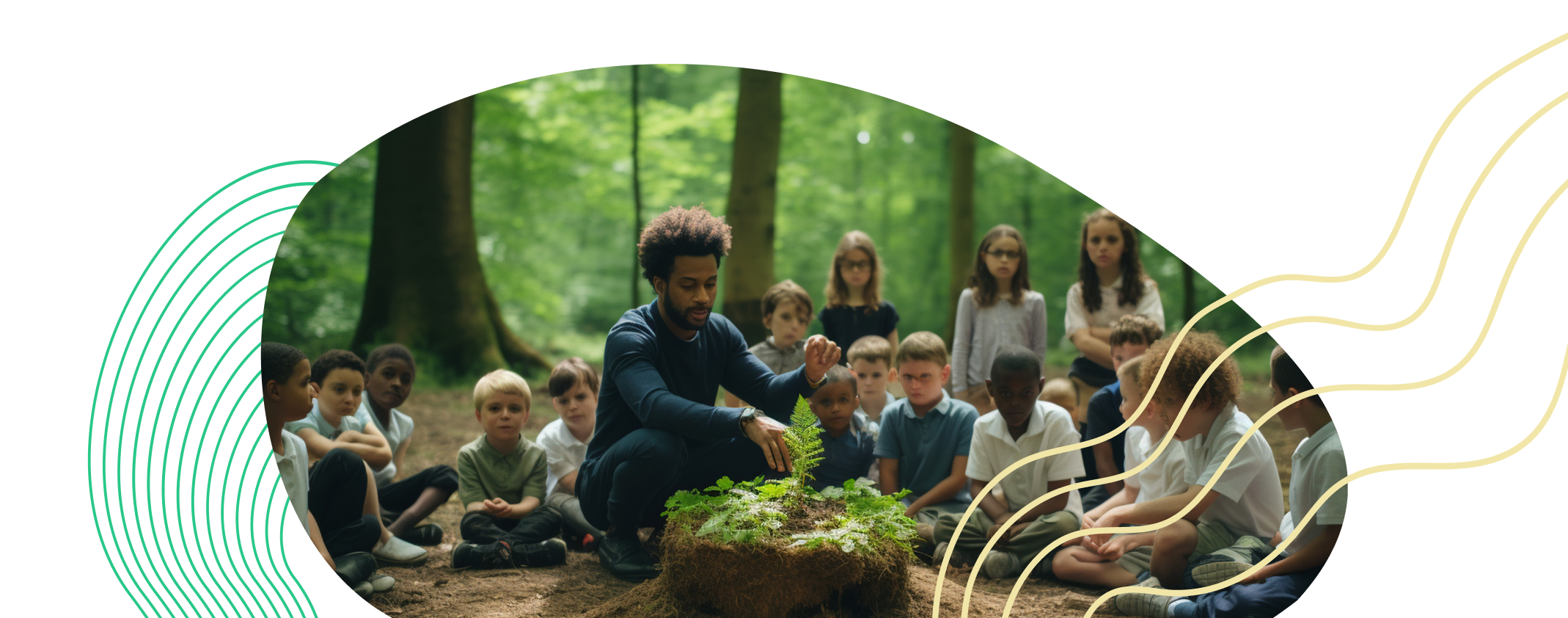

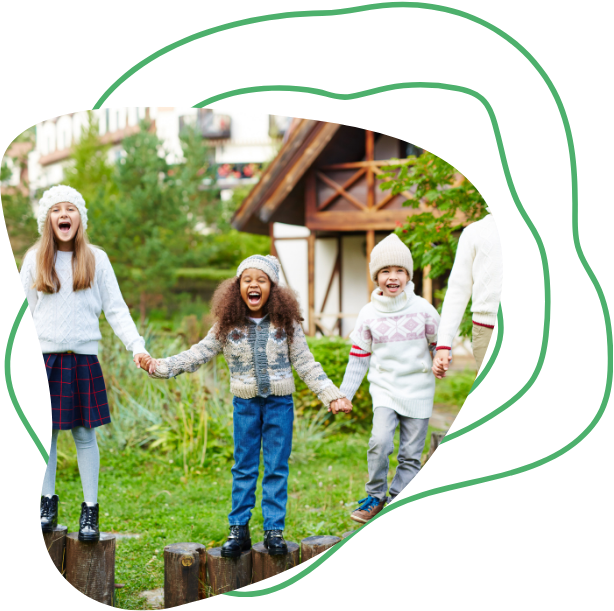
Across Europe, outdoor play is declining — while expectations around STEM skills, resilience, and inclusion are rising. When thoughtfully designed, outdoor environments become powerful spaces for:


Launched in 2026, OUTPLAY will deliver:

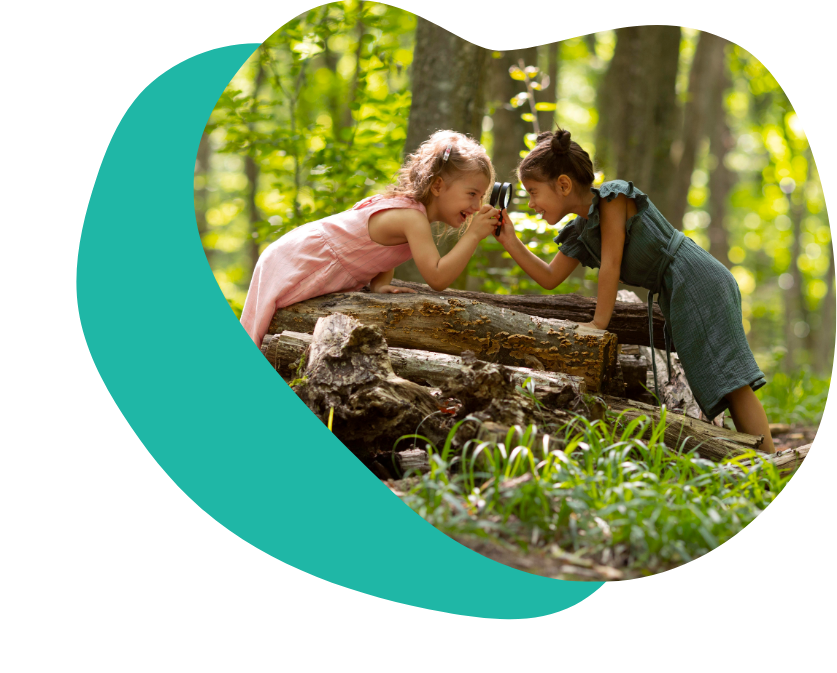
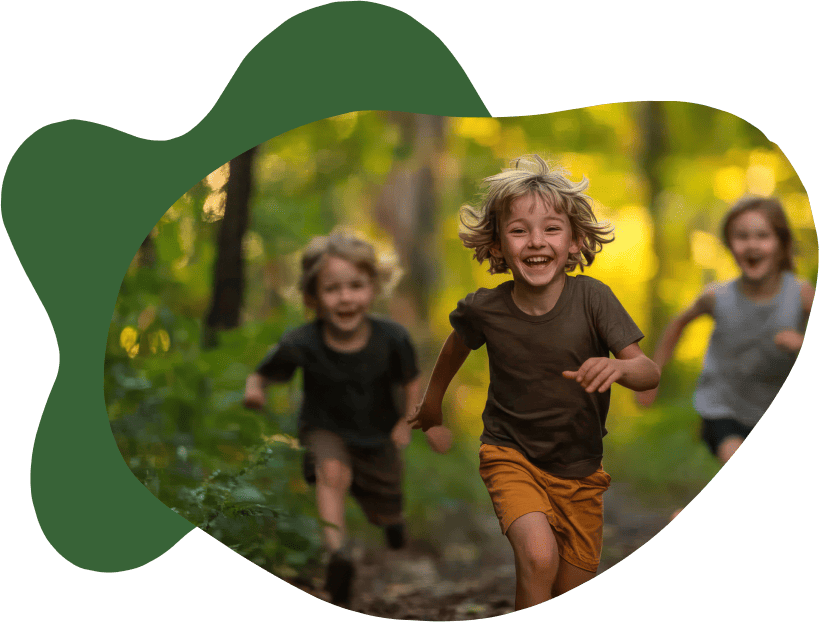
OUTPLAY – Outdoor Play Labs is a European cooperation project that strengthens STEM (Science, Technology, Engineering and Mathematics) and Social and Emotional Learning (SEL) in early childhood and primary education (ages 3–10) through outdoor, play-based learning.
While STEM skills and transversal competences are increasingly valued across education systems, many young children still have limited access to hands-on, engaging, and inclusive learning experiences — particularly outdoors. OUTPLAY addresses this gap by combining STEM learning, social and emotional learning (SEL), and outdoor play to promote holistic child development. Through exploration and collaboration, children strengthen problem-solving, teamwork, and communication, while developing emotional regulation, resilience, and adaptability from an early age — building meaningful connections with others and with their environment.
Importantly, this initiative prioritises inclusive access, ensuring that children from under-served communities — including Roma children, migrant and refugee children, children with disabilities, and children in rural or low-resource settings — can benefit from high-quality outdoor learning opportunities and experience a strong sense of belonging.

OUTPLAY develops and tests practical, curriculum-aligned solutions that help educators integrate outdoor play into everyday teaching as a meaningful space for STEM and SEL learning.
Key activities include:

Across Europe, children’s opportunities for outdoor play aredeclining due to urbanisation, rigid curricula, safety concerns, andincreased screen time. At the same time:
Research shows that early exposure to STEM, outdoor learning, and social-emotional development:
OUTPLAY is grounded in the belief that outdoor play is not an “extra”, but a powerful, inclusive approach to learning and cultivates a more dynamic environment in which children can thrive academically, socially, and emotionally. OUTPLAY positions outdoor learning not as an occasional activity, but as a regular, curriculum-aligned learning space that can be integrated into everyday teaching practice.

OUTPLAY takes a practice-oriented, inclusive, and scalable approach:

OUTPLAY offers a concrete, scalable model for integrating outdoor play into formal and non-formal education as a driver of STEM learning and social-emotional development, and with an emphasis on inclusion and belonging. In practice, this means supporting educators to plan, implement, and reflect on regular outdoor activities that are clearly linked to curriculum-based STEM and social-emotional learning goals.
What makes OUTPLAY distinctive:
By embedding outdoor learning into everyday education, OUTPLAY contributes to more responsive, inclusive, and future-oriented education systems.

OUTPLAY contributes directly to European priorities, including:
Through ISSA’s dissemination and advocacy work, OUTPLAY translates practice-based evidence into policy-relevant messages that support systemic change.
OUTPLAY is an Erasmus+ project co-funded by the EU, and implemented by a transnational consortium of early childhood education, research, and community-based organisations across Europe.
The partnership brings together expertise in:
OUTPLAY is implemented by a transnational consortium of early childhood education, research, and community-based organisations across Europe, led by Škola dokorán – Wide Open School, and and includes International Child Development Initiatives (the Netherlands), Fundacja Pro Fil (Poland), Pučko otvoreno učilište “Korak po korak” (Croatia), Pedagoški institut (Slovenia), and the International Step by Step Association(the Netherlands).
Co-funded by the European Union. Views and opinions expressed are those of the author(s) only and do not necessarily reflect those of the European Union or SK01 – Slovak Academic Association for International Cooperation. Neither the European Union nor the granting authority can be held responsible for them.