The outdoors allows children to shine brighter
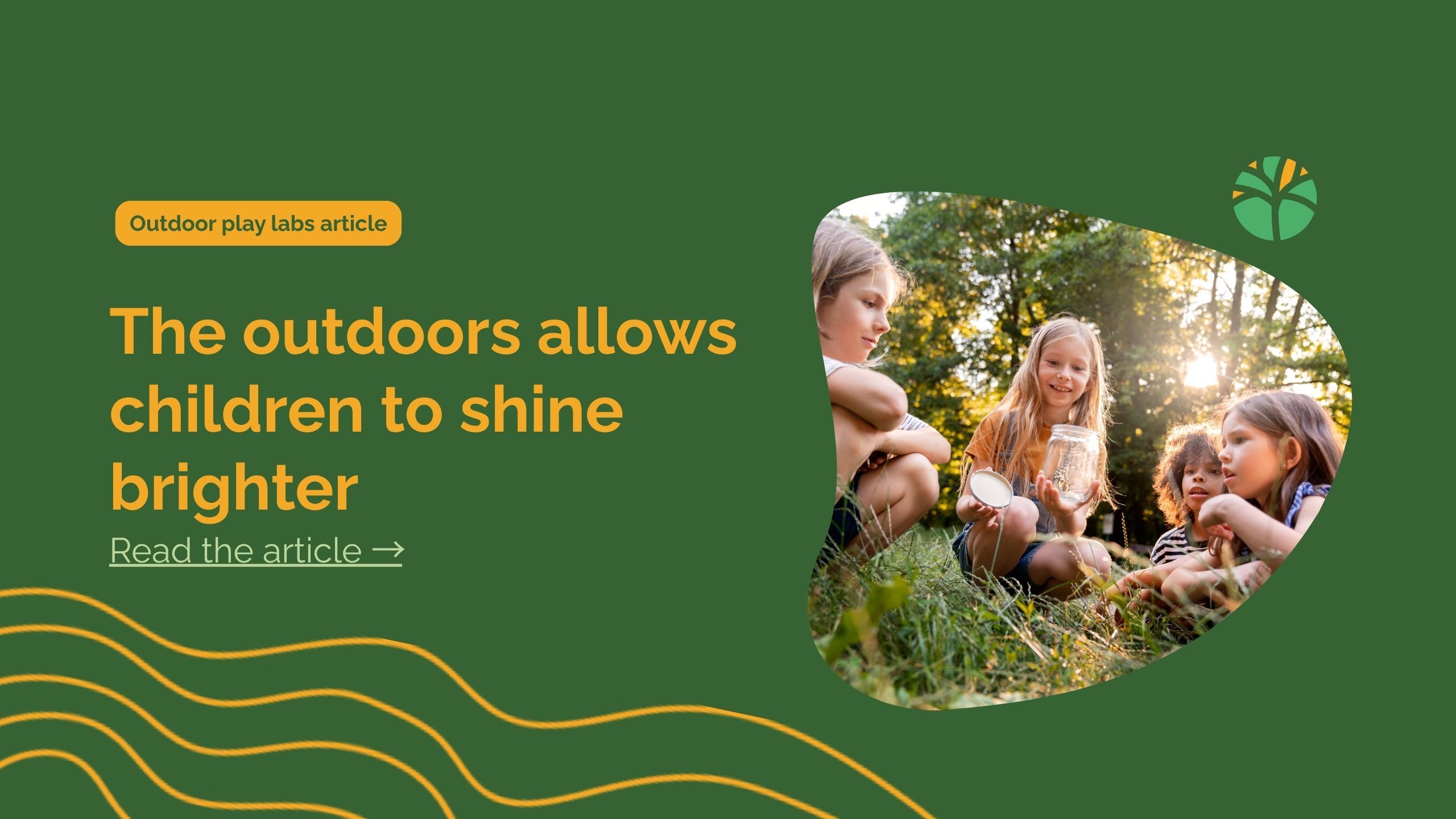
OUTPLAY is building a toolkit that helps teachers take science outdoors with children aged three to ten, and helps children understand their feelings while they are out there. It is an Erasmus+ project working in Croatia, Poland, Slovakia and Slovenia.
Many teachers nat recognize this experience: A child who struggles indoors. He cannot sit still, does not raise his hand, answers late, or not at all, and the reports say he finds it hard to concentrate.
Then the class goes outside, and he is the one leading, noticing the nest, and everyone is asking him for help. He did not change, but the room did.
Why the outdoors works differently
Indoors, a classroom asks children to do several difficult things at once: sit down, stay quiet, wait your turn, understand instructions given in words, quickly, in a language that may not be your first. A child who finds any one of those hard will look, all day, like a child who is not learning.
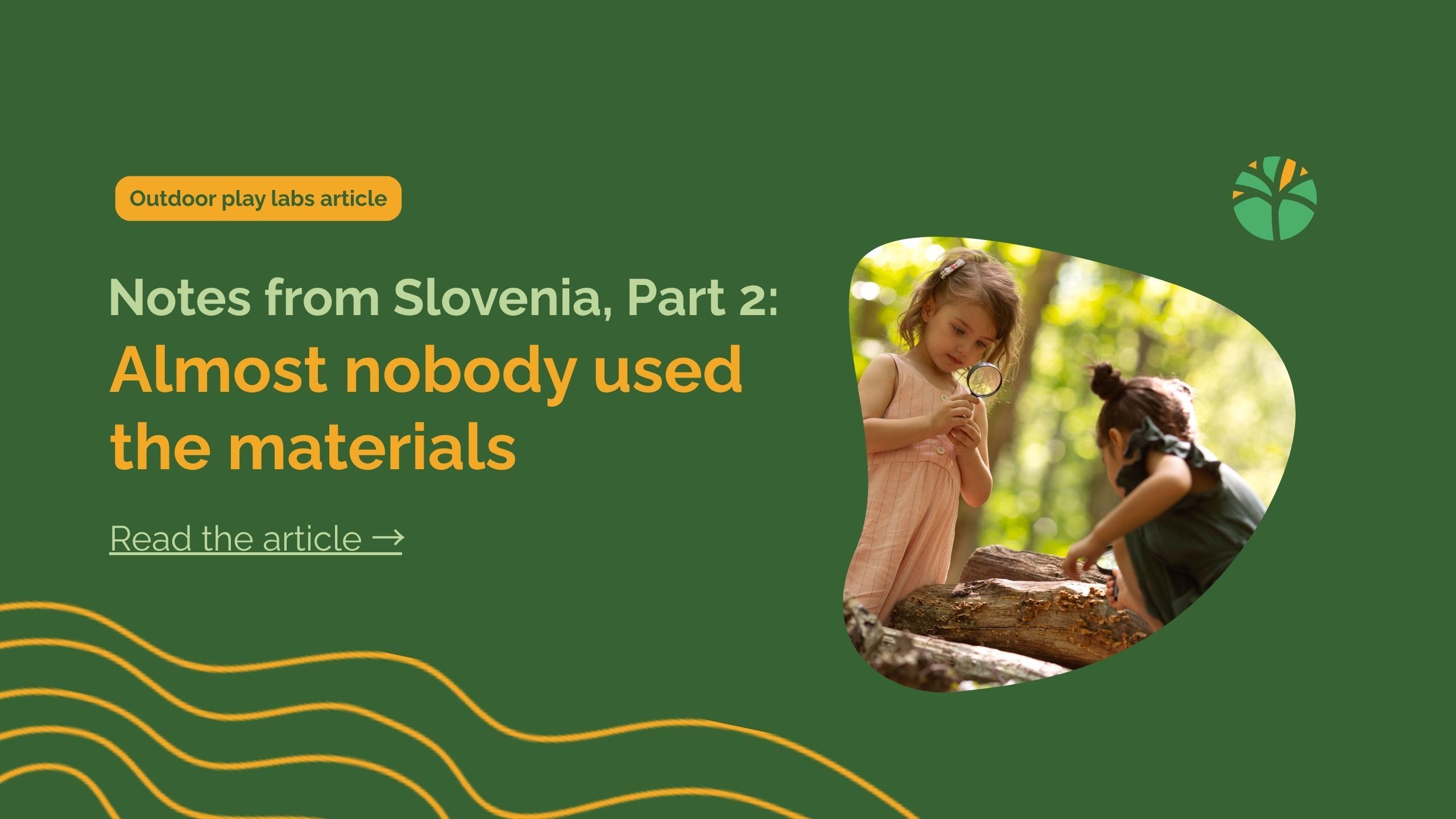
Outside, where there is room to move, many of these challenges tend to dissipate, as children with differing needs have space to learn in their own ways. Being outdoors enables more movement where children can have more space to grapple with strong feelings. There is noise, so a quiet child might feel less exposed. Nobody has to sit. Instructions can be shown instead of explained, which changes everything for a child still learning the language of the school.
Educators at an OUTPLAY training noticed something related. Children form groups differently outdoors. Groups break apart and form again. When the space has not been arranged in advance by an adult, the usual roles are less fixed, and a child who is at the edge of things indoors has more ways to join.
Designing rather than hoping to better support differing needs
OUTPLAY approaches this idea that the outdoors work differently to address differing needs of young children as something to design for rather than hope for.
Every activity in the toolkit includes adaptations, because children arrive with very different needs. A child with autism may find a strong smell or a wet texture overwhelming. A child with communication difficulty may lose the thread of a three-step instruction. A child who is very able may switch off entirely when an activity is too easy for her. None of those children is served by an activity written for an imaginary average child.
The toolkit also invites educators to notice their own assumptions, such as:
- Do you believe that some children are naturally better at science?
- That certain activities suit boys more than girls?
- That it is harder for boys to talk about feelings?
- That a child who struggles with behaviour simply lacks self-control?
These are asked without accusation, as most people find one they recognise, which is the point of asking.
Who is missing from the grass
An important consideration for professionals is what to do when access to nature is not distributed evenly, and how to support young children from low-income families, minority ethnic and Roma communities, refugee families, and children with disabilities who are less likely to have easy access to green space and to learning outdoors. As well as how to contend with stereotypes that perpetuate gender gaps in science from the early years, due to small but influential design choices such as which pictures are in the books, who is handed the equipment, and who is told to be careful.
This is why OUTPLAY works in preschools and primary schools in Croatia, Poland, Slovakia and Slovenia, with particular attention to girls and to children from disadvantaged backgrounds. And it is why the toolkit asks teachers to look at their own school grounds and their own neighbourhood honestly: can all of these children reach a park, a forest, a garden, a piece of wild ground? If the answer is no for some of them, it means there is more work to do in the planning.
To learn more about OUTPLAY and access the helpful resources and activities, visit: https://issa.nl/outplay/home.
OUTPLAY is an Erasmus+ project co-funded by the European Union. It is led by Škola dokorán – Wide Open School (Slovakia), with ICDI (the Netherlands), Fundacja Pro-Fil (Poland), Pučko otvoreno učilište Korak po korak (Croatia), Pedagoški inštitut (Slovenia) and the International Step by Step Association (the Netherlands).
Almost 500 questions
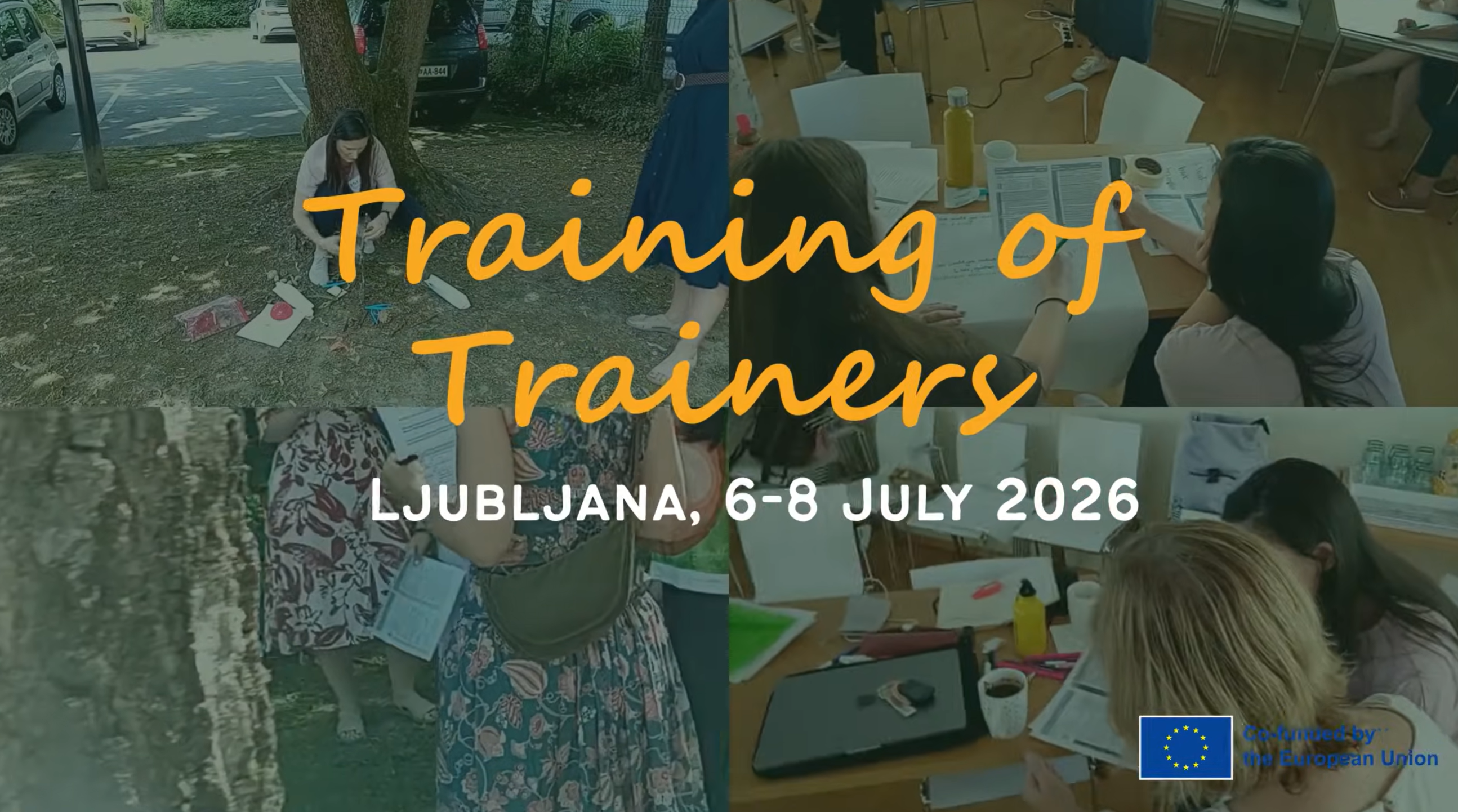
Learning Outdoors: Inside the OUTPLAY Teacher Training