Knowledge Hub
All the resources stored here have been created by ISSA Members
or ISSA Secretariat in partnership with Members or partners.



Designing and implementing parenting support policies and programs. Tailored brief for service providers and policy makers
Creating warm, nurturing home environments is not easy, especially when confronted with the many challenges of daily life, and it has been widely acknowledged that all families, within or outside a “crisis mode”, need support.
More and more, reports echoing parents’ voices (Cooney, 2020) highlight that “parents are not ok”. Thus, the challenges related to translating evidence into practice on effectively supporting parents to provide nurturing care to their children (Britto et al., 2015) have been also amplified, as new needs have emerged, and new modes of support are needed.
This tailored brief, developed with the support of the Bernard van Leer Foundation, sets out to provide recommendations for policy makers and service providers to consider prior to designing and implementing parenting support policies and programs. This brief also emphasizes the necessary factors that can bring parenting support programs to scale sustainably.
Published in:
2021
Organization(s):
ISSA
Language:
Contact:
Eva Izsak, eizsak@issa.nl
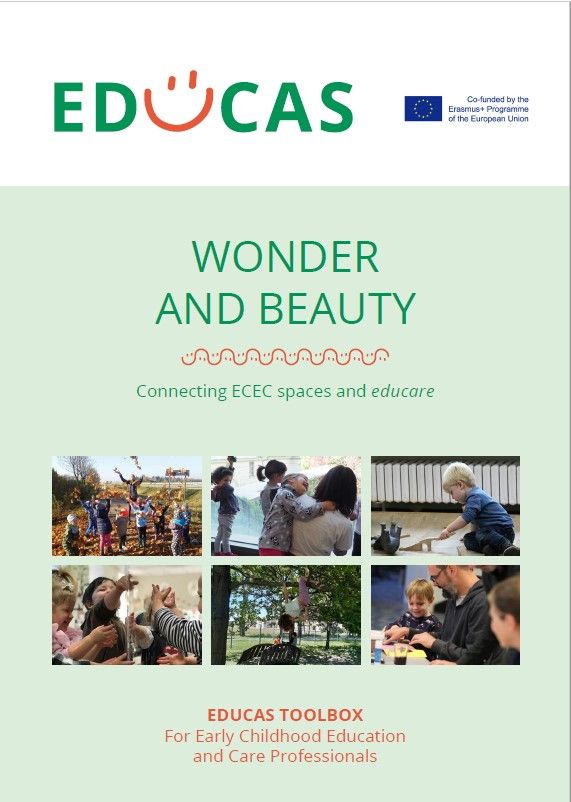
EDUCAS Toolbox - Wonder and Beauty: Connecting ECEC spaces and educare
EDUCAS Toolbox aims to support coordinators, coaches, trainers, professionals that seek to stimulate professional development paths with ECEC staff with the aim to create child and friendly learning spaces in ECEC centres.
The Toolbox includes pedagogical approaches, methods and tools used during the EDUCAS project to support professionals in improving ECEC environments with an educare approach.
Available in English, Dutch, Italian and Lithuanian.
Published in:
2021
Organization(s):
VBJK, Center for Innovative Education, University of Parma, ISSA
Language:
Contact:
Nima Sharmahd, nima.sharmahd@vbjk.be
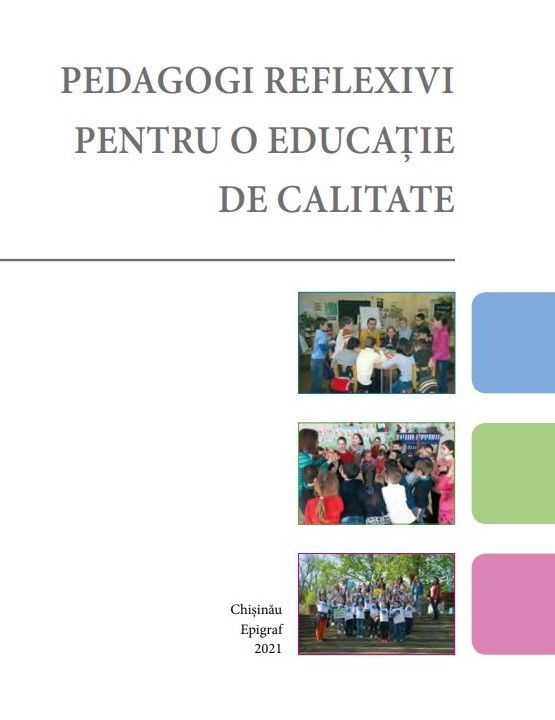
Reflective Teachers for Quality Education
Reflective teachers for quality education is a book reflecting the Step by Step Moldova NGO experience in promoting transformative democratic, child/earner-centered education. The book has three chapters.
Chapter one – From the Diversity of Teachers’ Practices - presents reflections from the experience of Step by Step classroom practitioners on how they build inclusive learning communities, where each child can succeed; on how they promote active and meaningful children’s learning, overcoming the barriers between the formally disconnected curricula subjects and encourage children initiated leaning, including through applying a project-based approach.
Chapter two - From Competent Teachers to Competent Trainers-Mentors - includes the reflections of SBSM practitioners on the path they followed to assume the new roles of trainers and mentors and the factors that contributed to it. Relying on ISSA developed QRP (PDT, and other resources), SBSM introduced new forms of teacher continuous professional development, including interactive and practice-oriented training and (individual and group) mentoring to support teachers’ critical reflection skills for quality child-centered education.
Chapter three - Stories That Illustrate the Change - contains stories shared by different stakeholders on the changes promoted by SBSm along the years. The chapter includes the voices and perspectives of teachers, parents, children managers. A special compartment is dedicated to the changes SBSM brought to the in-service teacher training in several institutions.
Published in:
2021
Organization(s):
Step by Step Educational Program
Language:
Contact:
Cornelia Cincilei, ccincilei@gmail.com
NESET Analytical Report - Governing quality Early Childhood Education and Care in a global crisis: first lessons learned from the COVID-19 pandemic
The central aim of this study is to examine what measures have been taken by selected EU member states – two countries (Sweden and Croatia), as well as three regions (Flanders in Belgium, Berlin in Germany and Emilia-Romagna in Italy) – to deal with the COVID-19 crisis during the first year of the pandemic (March-December 2020), in order to ensure quality ECEC for children and families.
The data analysed show that ECEC played a crucial role in countering the negative effects of the pandemic on children, families and communities. However, compared with other levels of education, ECEC appears to have been one of the sectors most vulnerable to the policy decisions taken in response to the COVID-19 pandemic.
The InTrans project statements - Reclaiming transitions as inclusive relational spaces in times of crisis and beyond, and Investing in professionalization of ECEC staff to foster smooth transitions in times of crisis and beyond - are based on the results of this report.
Published in:
2021
Organization(s):
VBJK
Language:
Contact:
Nima Sharmahd, nima.sharmahd@vbjk.be
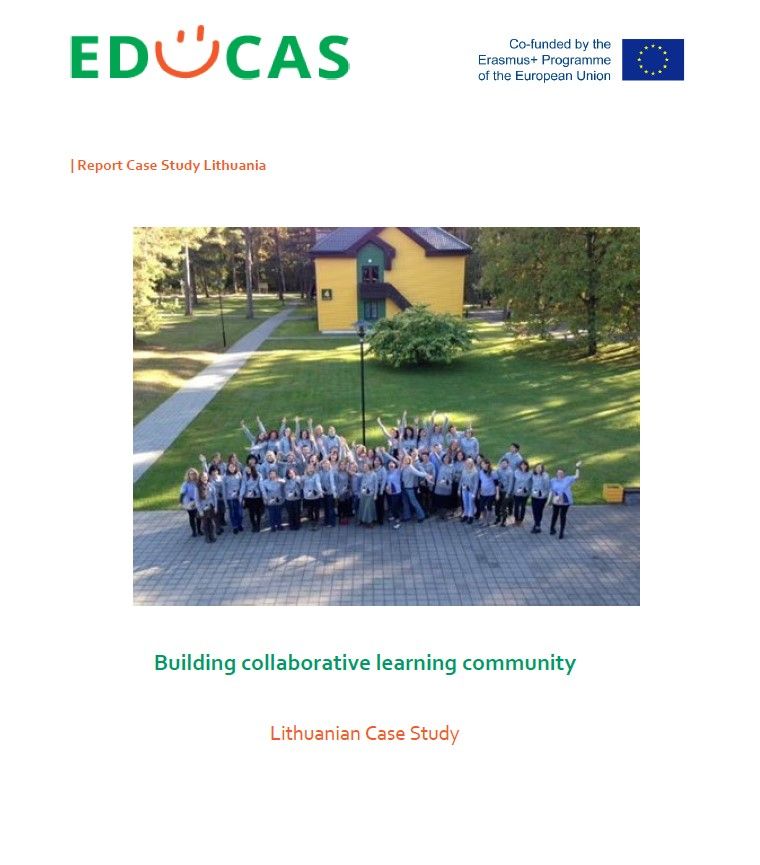
EDUCAS - Case Study Lithuania: Building collaborative learning community
Throughout the three years of the EDUCAS project, partners in Belgium (FL), Italy and Lithuania have undertaken a thorough examination of existing visions and methods related to organizing ECEC environments in their contexts. With the support of two ECEC centres in each country, they have locally developed Action Research paths that are tailored to the contexts in which the six ECEC centers are working. The project aims to improve the organization of these ECEC centers’ space and materials within the educare approach.
The case Study in Belgium (FL) presents the action research that was coordinated by Center for Innovative Education and developed together with the two ECEC centres (Aukstelkes mokykla daugiafunkcis centras and Vaikystes Sodas).
Published in:
2021
Organization(s):
Center for Innovative Education
Language:
Contact:
Regina Sabaliauskiene, regina@uic.lt
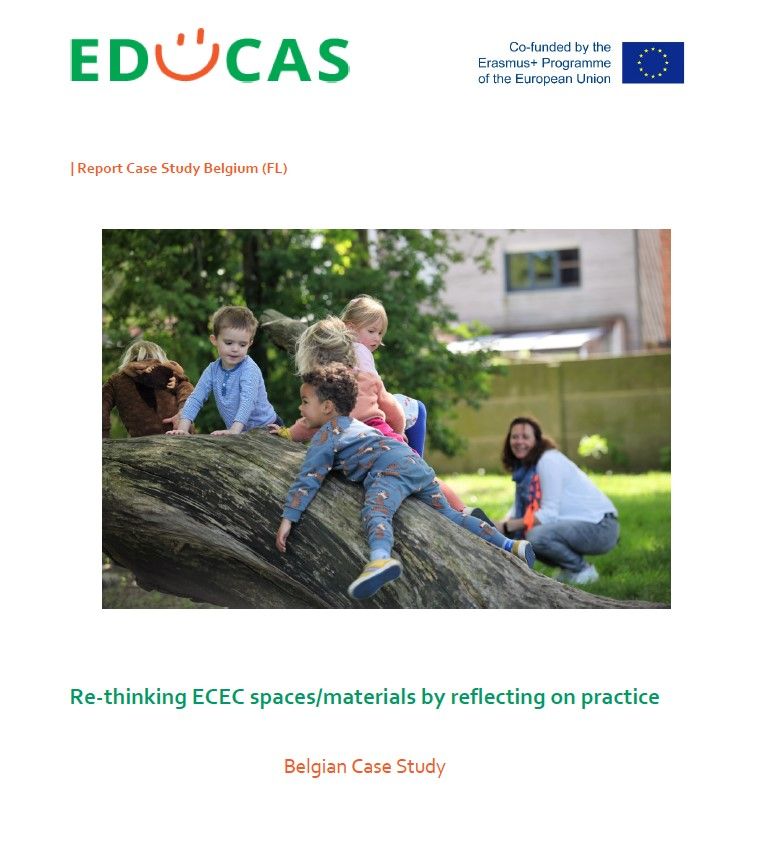
EDUCAS - Case Study Belgium (FL): Re-thinking ECEC spaces/materials by reflecting on practice
Throughout the three years of the EDUCAS project, partners in Belgium (FL), Italy and Lithuania have undertaken a thorough examination of existing visions and methods related to organizing ECEC environments in their contexts. With the support of two ECEC centres in each country, they have locally developed Action Research paths that are tailored to the contexts in which the six ECEC centers are working. The project aims to improve the organization of these ECEC centers’ space and materials within the educare approach.
The case Study in Belgium (FL) presents the action research that was coordinated by VBJK and developed together with the two ECEC centres (Hippo’s Hof and De Tandem).
In addition, drawing on the process and results of EDUCAS project, in combination with the results of other projects/research concerning educare/spaces, a set of implications (for the Belgian-FL context) for policy and practice on a local and regional level have been elaborated.
Published in:
2021
Organization(s):
VBJK
Language:
Contact:
Nima Sharmahd, nima.sharmahd@vbjk.be
Value Roadmap: Pathways towards strengthening collaboration in early childhood
The ambition of this roadmap is to inspire you, as a reader, to strengthen collaboration between assisting and core practitioners in ECEC. The underlying idea is that better collaboration strengthens individual practitioners and teams in addressing all aspects of children’s well-being, development and learning needs.
In order to strengthen collaboration between assisting and core practitioners, this roadmap presents both a framework and ideas to develop pathways for continuous professional development, engaging both assisting and core practitioners, as well as leaders.
The content in the roadmap is inspired by the experiments developed, tested and evaluated in pilot projects in different ECEC settings in four countries (Belgium, Denmark, Portugal and Slovenia). More precisely, the roadmap builds on the following background studies:
- The baseline study, which was based on a survey sent to the participants in the pilot projects and built on quantitative data and statistical analyses.
- Four country reports, reporting the process and results of the professional development initiatives in each country.
- The endline report presenting the overall evaluation and highlighting the findings from the professional development initiatives in the four countries.
Published in:
2020
Organization(s):
VBJK - Centre for Innovation in the Early Years, ERI - Educational Research Institute, DPU – Danish school of Education, Aarhus University Aga Khan Foundation, ESE – IPSantarém, Erasmus University College, Karel de Grote University College
Language:
Element of Play® at Home activities manual
Worldwide Orphans (WWO) created a learning at home activity manual with 20 activities to do in 20 minutes, targeted for children from 6 months-8 years of age with focus on supporting parent capacity to play with and support their child’s ongoing learning. The activity manual has been rolled out in Bulgaria, Ethiopia, Haiti and Vietnam and translated into the local language within each country.
Activities were selected based on:
• An understanding that most of our families have limited resources and few toys in the household.
• A desire to strengthen the relationship between parent and child through short (20minutes) quality activities.
• Selection of play-based learning activities that promote early childhood development, including language, listening, math and problem-solving skills.
Maintaining a routine in times of crisis is vital for children. This program consists of 20-minute play sessions that parents/caregivers can do with their children at home using very basic items: a pencil, some paper, a box of crayons or a deck of cards.
Training was done via phone call or Zoom with manuals and learning kits distributed to each family. Feedback suggests that parents have appreciated the activity ideas and have been more engaged in their child’s learning and play. The manual is available in the other languages upon request.
Published in:
2020
Organization(s):
Worldwide Orphans Foundation
Language:
Contact:
Melissa Middaugh, melissa@wwo.org
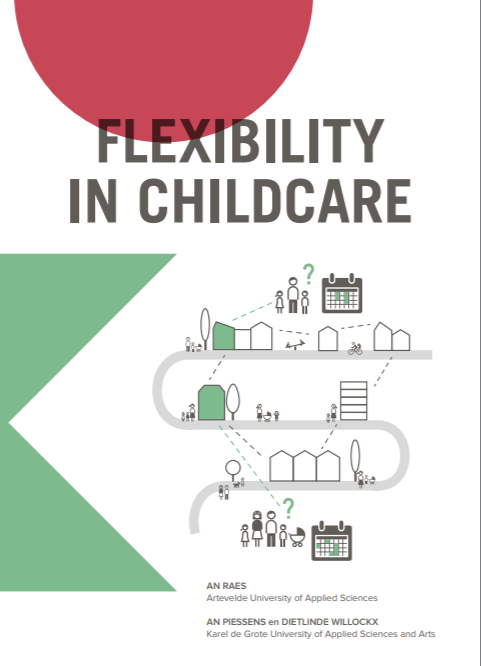
Flexibility in childcare
This book is one of the main outputs from the PACE (Providing Access to Childcare and Employment) project. This European project tested new models of making childcare and employment more accessible for families living in vulnerable conditions, at distance from childcare and employment, including single parent families, families with a non-European background, a low education level and low income. When parents want to start an education, training or a route towards employment, they often have barriers to address, including health, housing, mobility and language barriers. Another main barrier for parents with young children is childcare. We have found that current childcare systems are not well-equipped to meet the needs of families who start a trajectory to employment.
Most early years settings expect regularity and continuity. It is difficult to find childcare at short notice, during brief periods or at non-standard hours. This lack of flexibility is a barrier that adds to existing structural barriers that lower access to childcare for vulnerable families. In PACE, 13 project partners in four countries examined what is needed to make childcare more flexible and at the same time create comfort for children, families and staff. The book ‘Flexibility in childcare’ explains why more flexibility in childcare is needed. It also looks into how a more flexible, holistic form of childcare can be organised, describing 5 prototypes. Finally, the book looks into what actions organisations can take to make flexible childcare sustainable on the business side, to assure pedagogical quality and a warm environment for the whole family, to support staff members and to cooperate with other stakeholders.
The book is available in three languages, open source. We believe that it can be a valuable resource for any policy makers, academics and early years providers and teams interested in working in a more holistic and flexible manner. The book contains a lot of background, context and theory, many concrete examples from the PACE project and hands-on advice on how to make a setting work more flexibly and holistically, including advice on the business side, working with families, teams and in collaboration with other services.
Published in:
2020
Organization(s):
Artevelde University of Applied Sciences, Department of Early Childhood; Karel de Grote University of Applied Sciences and Arts
Language:
Contact:
An Raes, An Piessens, Dietlinde Willockx
Video interaction guidance
During the lockdown, the Child Development Institute at Ilia State University continued its activities by providing services at the distance. All distance interventions included parents or other family members. In order to support their work at home, specialists were designing tailored activities for children with Autism Spectrum Disorder (ASD). Written visual materials alongside phone or online guidance were provided to any the family who was willing and able to participate in such an exchange.
Online connections have led to more close contact with family members identifying some areas which needed an urgent response. Therefore, the team of specialists designed distance parent education courses and invited all parents to engage. Talks were transferred on ISU’s page. The Institute Talks were held in Georgian on a weekly basis.
Published in:
2020
Organization(s):
Child Development Institute, Ilia State University
Language:
Contact:
Khatuna Dolidze, khatuna.dolidze.1@iliauni.edu.ge
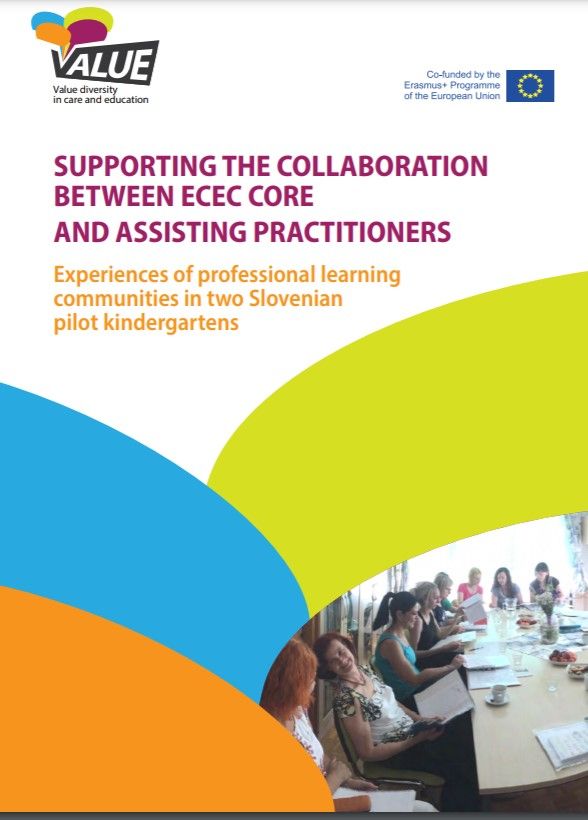
Supporting the collaboration between ECEC core and assisting practitioners: Experiences of professional learning communities in two Slovenian pilot kindergartens
The purpose of this report is to demonstrate development and implementation of a common path of professional development for professionals: ECEC core and assisting practitioners in two Slovenian kindergartens involved in the VALUE project.
The aim of the VALUE project was to create a ‘path of continuous professional development (CPD) for all kindergarten professionals, to improve collaboration between ECEC core and assisting practitioners, and at the same time to recognize the diversity according to their background and experience. In this respect, the VALUE project aims to improve collaborative practices in order to address the needs of all children, families and communities.
Published in:
2020
Organization(s):
VBJK - Centre for Innovation in the Early Years, ERI - Educational Research Institute
Language:
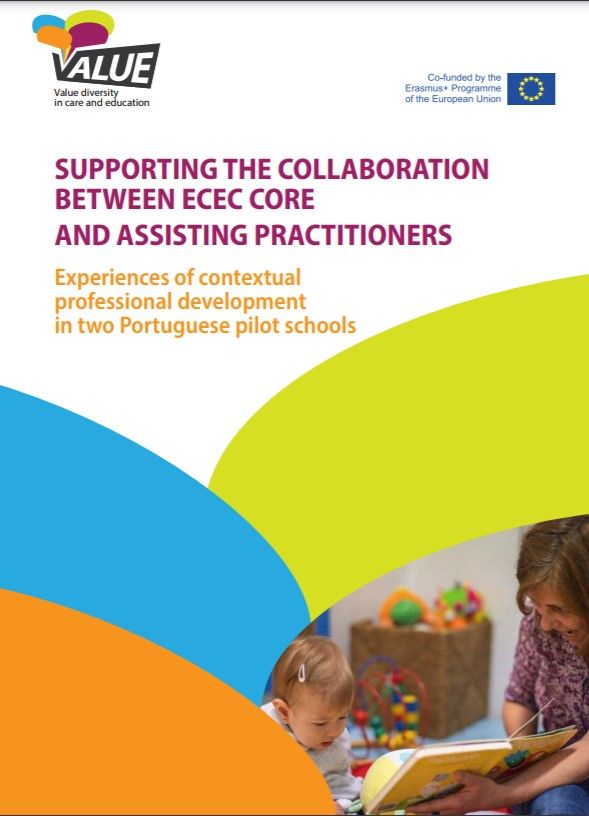
Supporting the collaboration between ECEC core and assisting practitioners: Experiences of contextual professional development in two Portuguese pilot schools
In this report we present a description and reflection of the learning path carried out in Portugal, by the teams of Lisbon and Santarém. After a previous contextualization about the ECEC system in Portugal, we share information on the two institutions where the pilot studies took place (one located in Lisbon and the other in Santarém).
The contents and methodologies of each learning path are presented through the description of the processes and learning carried out in each pilot. Both contents and methods were jointly defined by the teams of Lisbon and Santarém based on the objectives set out by the Value Project.
Finally, the report summarizes the findings and information resulting from the initial baseline, individual portfolio and focus group interviews carried out at the end of the learning path. This includes the main issues pointed out as well as an analysis of the aspects to be considered for the continuity of a consistent path of collaboration between ECEC core and assisting practitioners.
Published in:
2020
Organization(s):
VBJK - Centre for Innovation in the Early Years, ERI - Educational Research Institute
Language:
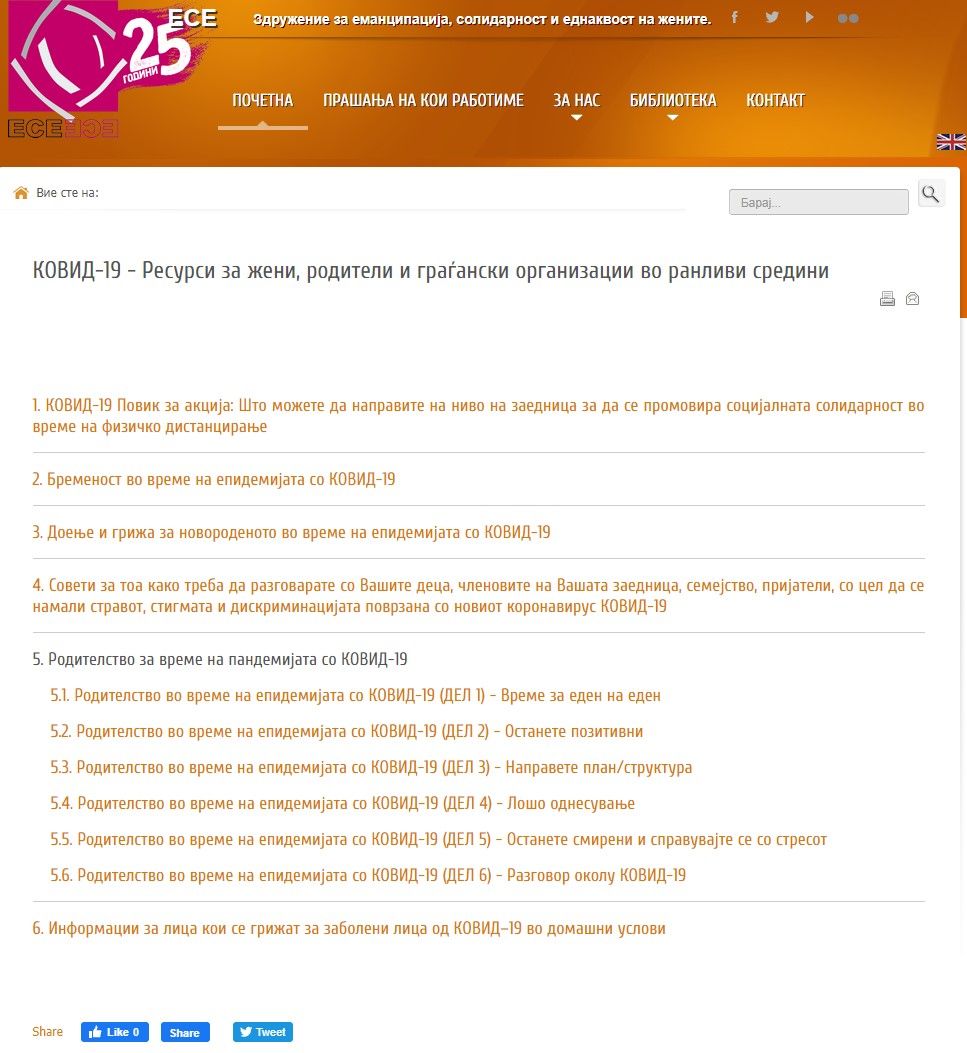
Roma community in Macedonia during the crises with COVID-19
During the pandemic, the NGO “KHAM" Delcevo had an important role to play in raising awareness among the Roma community about how to be protected from COVID-19. In order to achieve our objectives we implemented online education for pregnant women about going to the Gynecologist and taking care of their children’s physical and mental health. Also, we supported Roma children living in poverty, and families with low income to attend the online education. Finally, we supported Roma families who were affected by the economic crisis to apply for social welfare benefits.
Together with Roma Health Network (Roma NGOs who are supported from OSF) who have monthly online meetings. In addition, all the difficulties that the community faces were presented to the Government via online meetings. With support from OSF, the Roma Network donated $130,000 to the Roma community. Finally, the community was benefitted from the brochures developed about how to be protected from COVID-19.
Published in:
2020
Organization(s):
NGO “KHAM" Delcevo
Language:
Contact:
Zoran Bikovski, z_bikovski@yahoo.com
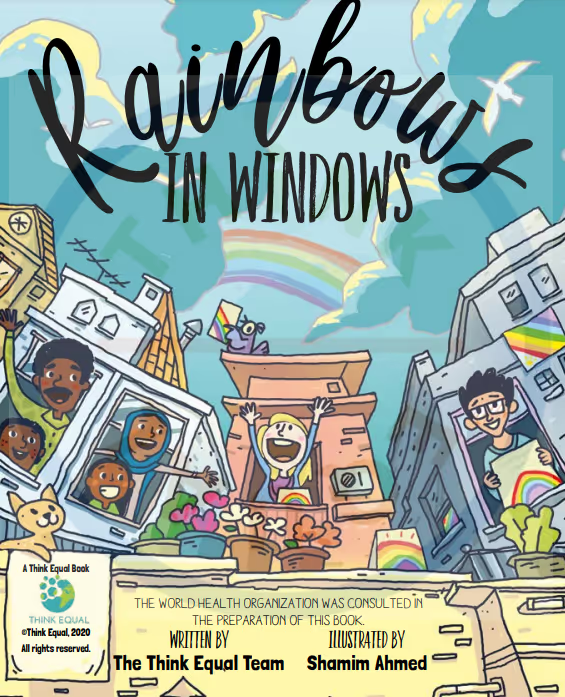
Rainbows in Windows - Think Equal Sample
‘Rainbows in Windows’, co-written with the World Health Organisation, is a story focused on mental health and wellbeing and on how to keep healthy (physically and mentally) when faced with a virus.
This story includes a number of practical methods for emotional regulation and discusses complex feelings within an age-appropriate child-centred narrative. Additional features of this particular story include the gratitude to frontline workers, the normalization and regulation of “big feelings”, basic hygiene tips for Early Years children and, as always with Think Equal, illustrative representations of a diverse society.
This story is relevant as a Covid-19 response but ultimately has wider messaging and provides tools for children that transcend the context of the
recent pandemic.
Published in:
2020
Organization(s):
Think Equal, World Health Organization
Language:
Contact:
Ruby Jewitt, ruby.jewitt@thinkequal.org
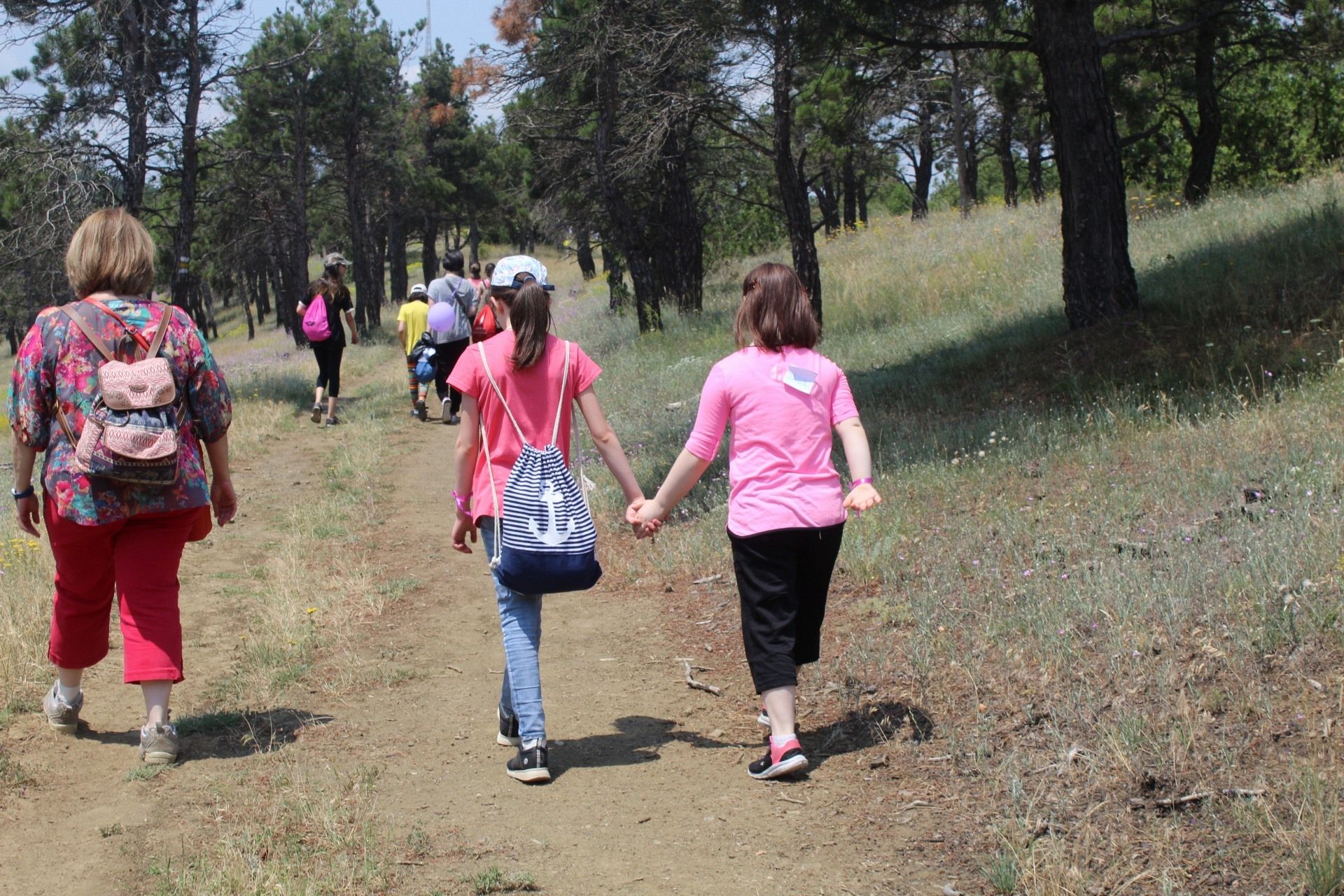
How to support functional skills and independence
During the lockdown, the Child Development Institute at Ilia State University continued its activities by providing services at the distance. All distance interventions included parents or other family members. In order to support their work at home, specialists were designing tailored activities for children with Autism Spectrum Disorder (ASD). Written visual materials alongside phone or online guidance were provided to any the family who was willing and able to participate in such an exchange.
Online connections have led to more close contact with family members identifying some areas which needed an urgent response. Therefore, the team of specialists designed distance parent education courses and invited all parents to engage. Talks were transferred on ISU’s page. The Institute Talks were held in Georgian on a weekly basis.
Published in:
2020
Organization(s):
Child Development Institute, Ilia State University
Language:
Contact:
Khatuna Dolidze, khatuna.dolidze.1@iliauni.edu.ge
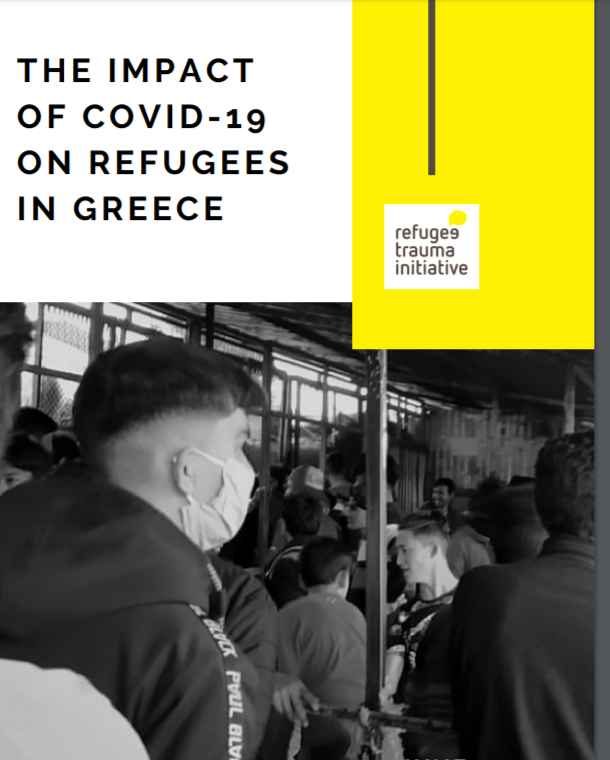
Impact of COVID-19 on refugees in Greece
Everyday experiences are being lost behind the statistics about the COVID-19 pandemic. This is especially true for those already marginalised, such as displaced men, women, and children. At Refugee Trauma Initiative (RTI), we spent time listening to the communities we work with to hear what life has been like during the COVID-19 pandemic and related restrictive measures.
This report sheds a light on the impact of COVID-19 on displaced people living in Greece - particularly the additional strains on their mental health and overall wellbeing. It features stories and reflections from refugees and NGO workers, and includes recommendations for relevant authorities, donors, and NGOs. We look forward to collaborating to help realise these recommendations.
Published in:
2020
Organization(s):
Refugee Trauma Initiative
Language:
Contact:
Evelyn Wilcox, evelyn@refugeetrauma.org