
74% of fathers believe they share caregiving equally with their partners. Only 51% of mothers agree.
This discrepancy sits at the heart of the State of Southern European Fathers 2024 report, launched on June 4 during a webinar hosted by EMiNC (Engaging Men in Nurturing Care) and Equimundo. The report, built on data from a cross-country survey of over 1,500 parents in Italy, Portugal, and Spain, examines how fathers engage in caregiving during children’s earliest years, what still holds them back, and what helps them.
The event gathered a rich panel of experts, advocates, and policymakers to unpack the findings and reflect on the work ahead: Tatiana Moura (Observatory of Masculinities / CES), Annina Lubbock and Giorgio Tamburlini (Centro per la Salute del Bambino), Heinrich Geldschläger (Conexus), Nikki van der Gaag, Taveeshi Gupta, Kristina Vlahovicova (Equimundo), Martino Serapioni (COFACE Families Europe), and Ayca Alayli (ISSA).
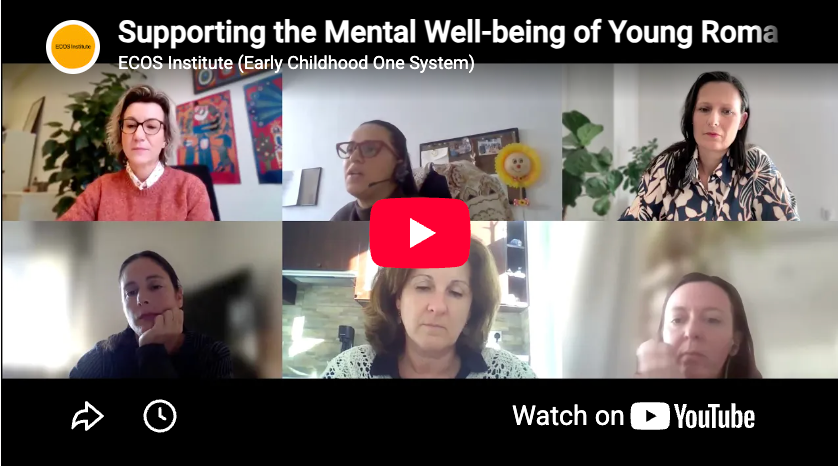
Watch the webinar recording here:
Men want to care but face systemic barriers
“We know that fathers want to do more,” said Nikki van der Gaag. “But the conditions around them often don’t allow it.” That simple framing captured the report’s central tension: while many men report active participation in caregiving — feeding, bathing, playing, providing emotional support — they remain constrained by systems and norms that haven’t caught up.
The survey reveals that fathers across Southern Europe are frequently held back by rigid workplace expectations and rules, insufficient leave policies, cultural norms around masculinity and caregiving, financial constraints, and a persistent lack of supportive, accessible care services. Time constraints due to work were overwhelmingly cited as the main barrier by fathers who felt unable to be as present as they wished.
Changing services, cultures, and narratives around fatherhood
The discussion went beyond leave entitlements. Martino Serapioni and Taveeshi Gupta spoke passionately about the role of early childhood services in normalizing fathers as caregivers. “Leave creates the initial space,” Serapioni noted, “but it collapses if services don’t meet families where they are.” He described how services can actively validate men’s caregiving identities through inclusive messaging, father-friendly hours, and staff trained to engage both parents equally. “When nurseries greet both parents as equal caregivers, it reinforces shared responsibility.”
Serapioni also underscored the need to align EU policy frameworks — the Work-Life Balance Directive and the Child Guarantee — to ensure that care is treated holistically across sectors. He noted that the upcoming 2027 review of the Directive offers a crucial opportunity to embed stronger accountability mechanisms and raise standards across member states.
Perceptions, invisible work, and the mental load
Throughout the event, the perception gap was a recurring theme. Kristina Vlahovicova emphasized how many fathers overestimate their share of caregiving, while mothers continue to shoulder both the visible and invisible burdens of household management. “We need tools, like time-use diaries, to ground perception in behavior,” she said.
Women still perform the bulk of the emotional and mental load: anticipating needs, planning logistics, managing invisible tasks. Even small gaps compound: women in the study spent an average of 25 minutes more per day on caregiving and household responsibilities. Over time, that translates into less time for rest, self-care, and professional growth — leaving many women exhausted, with poorer health outcomes.
As Vlahovicova concluded: “Until children turn to both parents equally for comfort, for support — that’s when we’ll know we have reached true equality in care.” And yet, there is cause for hope.
The report lays out a clear roadmap:
- Fully paid, non-transferable paternity leave
- Expanded, affordable early childhood services with father-inclusive design
- Training for professionals to engage fathers from pregnancy onward
- Employer accountability through audits, incentives, and enforcement
- Narrative shifts in workplaces, services, and media to normalize men’s caregiving
- Community-level peer networks to sustain cultural change
“We need to treat care as a public good,” said Tatiana Moura. “It’s not just a family issue.”
The State of Southern European Fathers 2024 report not only provides data, but also direction— a clear, evidence-based blueprint for closing the gap between intent and reality. And as policymakers approach the next round of EU reforms, it’s a conversation that couldn’t be more urgent.
Explore the State of Southern European Fathers 2024 report here.