Rethinking Participation: What Happens When We Truly Listen to Children
What would change if we stopped seeing children as passive participants and started working from them instead of merely with them?
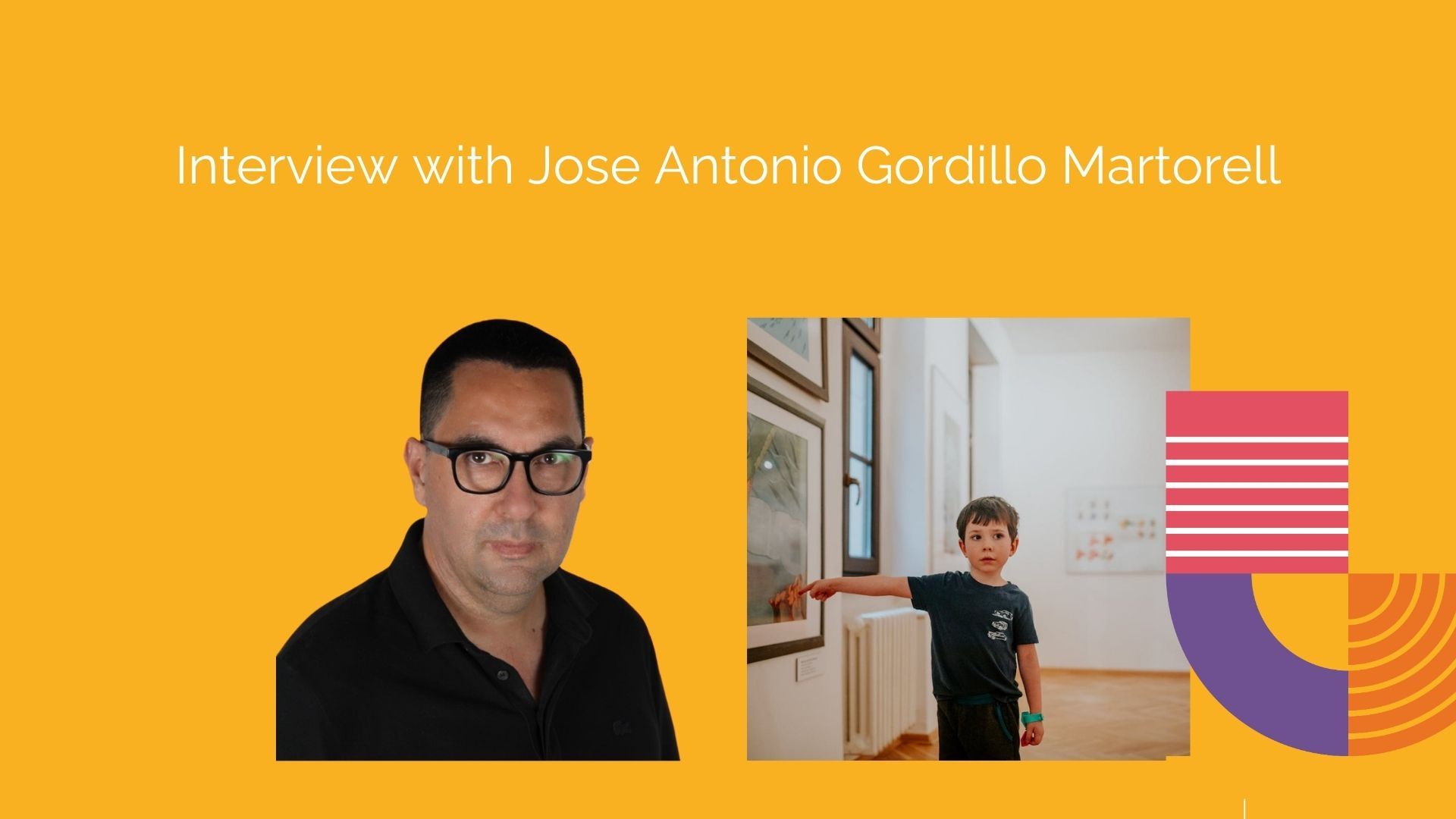
In a recent conversation with Jose Antonio Gordillo Martorell, founder of Culture Inquiry, this question sits at the heart of a profound shift in how institutions engage with children. His work, spanning museums, libraries, and schools worldwide, challenges deeply rooted assumptions about children’s roles in society—moving from token participation to meaningful co-creation.
At the core of Jose’s approach is a simple but radical idea: children are not just visitors or beneficiaries. They are agents of change, capable of shaping institutions, communities, and even broader societal narratives. Through his “Children’s Board” methodology, organizations embark on a multi-year journey to rethink their structures, relationships, and decision-making processes—placing children’s perspectives at the center.
The mindset shift institutions struggle with
This shift is not easy. It requires unlearning long-held beliefs about efficiency, expertise, and authority. Adults, Jose notes, are conditioned to prioritize productivity and control—leaving little room for curiosity, play, or genuine dialogue. Yet when institutions make space for children’s voices, something transformative happens: not only do children benefit, but teams become more creative, engaged, and resilient.
One story from a museum in Sweden illustrates this power vividly. During a visit, a nine-year-old girl named Susan asked a simple but disarming question: “Why are the people working here so sad?” She followed with another: “How much time do you spend playing together?”
The staff’s response—that they didn’t play because they were professionals—revealed a deeper issue. Susan’s observation led the team to rethink their culture. They began dedicating time to play each week, and within a year, the atmosphere had shifted entirely. What countless consultations might not have achieved, a child uncovered in minutes.
The risk of ‘children washing’
Yet Jose is clear: not all efforts to involve children are meaningful. He warns against what he calls “children washing”—superficial initiatives designed for visibility, funding, or marketing rather than genuine engagement. These approaches tap into only a fraction of children’s potential. True participation, by contrast, requires trust, time, and a willingness to share power.
Encouragingly, there are signs of change. More institutions are beginning to expand spaces for children’s participation, moving beyond one-off activities toward deeper involvement. When done well, the impact extends far beyond the institution itself. Children influence families, schools, and communities — creating ripple effects that strengthen social connections and reshape how culture is experienced.
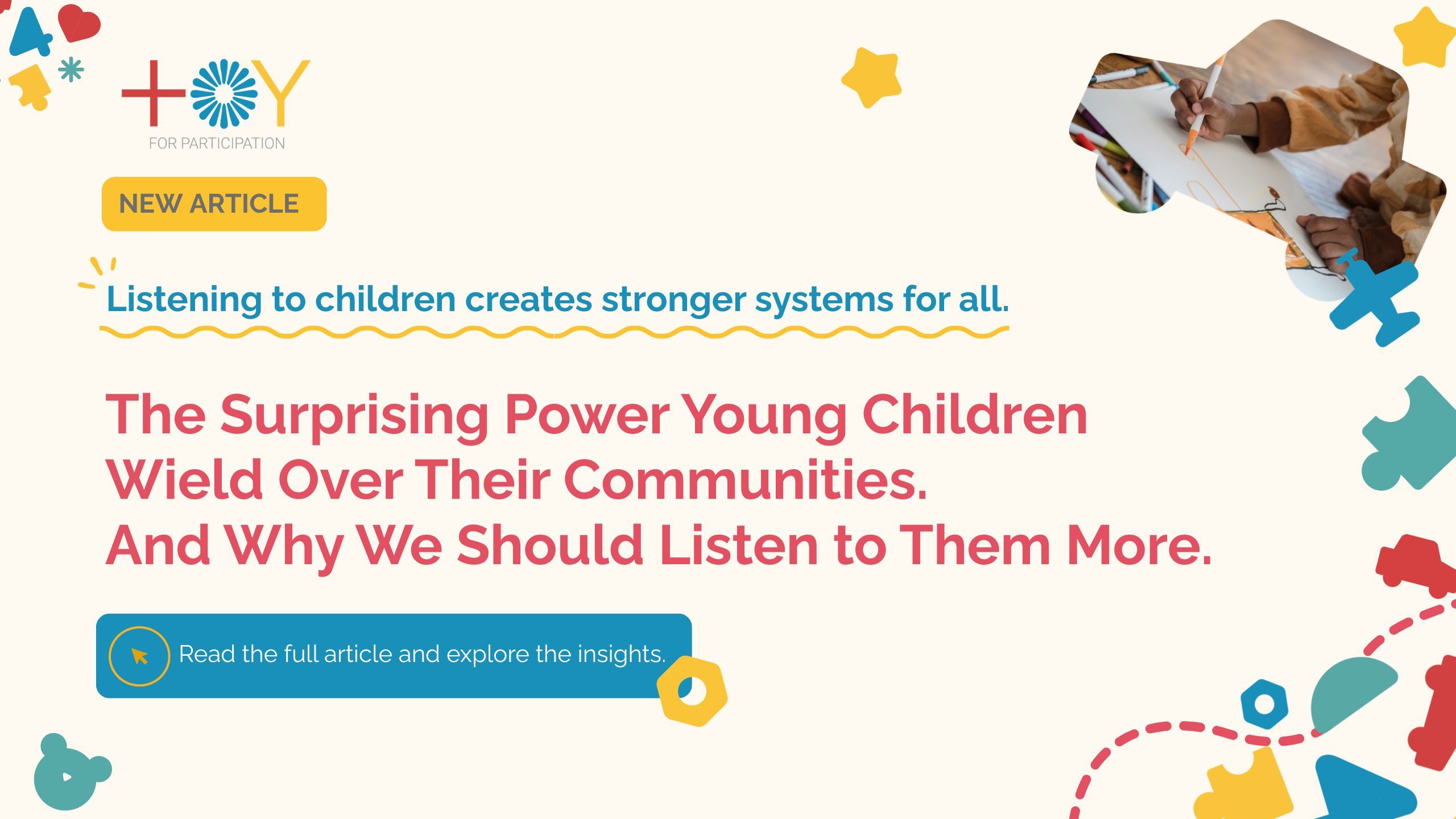
This shift is already being advanced through initiatives like TOY4Participation, which supports meaningful child participation in early childhood settings by creating spaces where even the youngest children can shape decisions that affect them. The project is led by ISSA Member, International Child Development Initiatives (ICDI), working across eight European countries and co-funded by the European Union.
Trusting children to shape the future
Jose’s message is ultimately both hopeful and urgent. In a world marked by conflict, uncertainty, and rapid technological change, he calls for a fundamental shift in mindset: to trust children, to respect their ideas on their own terms, and to include them as partners in shaping the future.
“The 21st century is the century of children,” he says. And if we are willing to listen, they may not only help us imagine a better world—but show us how to build it.