Understanding a rights-based, relational approach to listening to young children
Even if you’ve never heard the term child participation, chances are, you’ve already practiced it. Whether you’re a parent giving your child choices about their meals, an educator inviting children to co-create a classroom routine, or a community worker consulting young people about local spaces, you are already supporting participation. The key is recognising it—and learning how to do it more intentionally, inclusively, and meaningfully.
Child participation refers to the right of children to be heard and to take part in decisions that affect their lives. Grounded in Article 12 of the UN Convention on the Rights of the Child, it recognises children as active, capable social actors from the moment they are born¹.
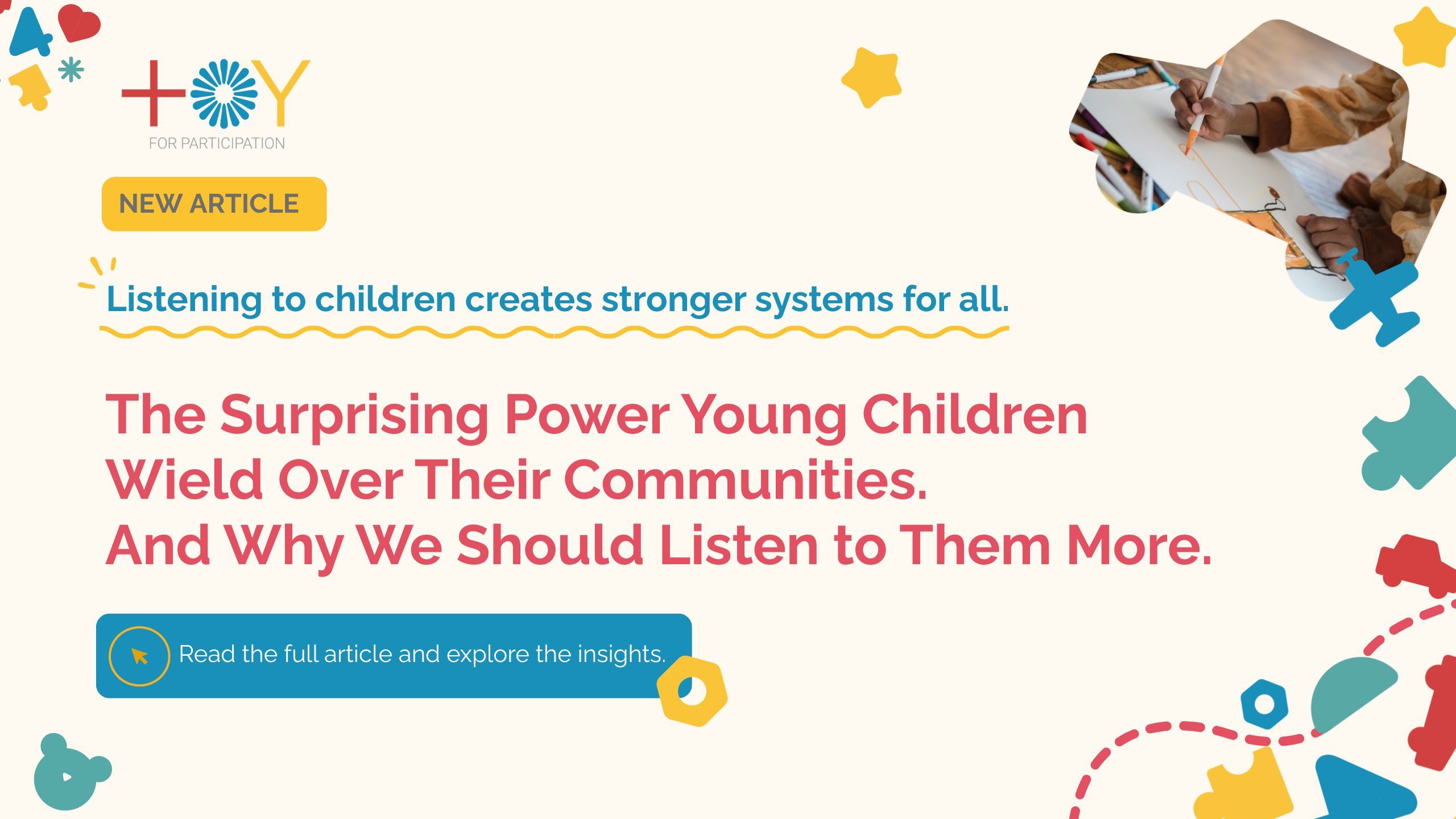
This is not just about asking children for their opinion. It is about creating spaces where they can express themselves in ways that suit their age and abilities, ensuring their voices are taken seriously, and showing them how their contributions shape outcomes². Models like Hart’s Ladder of Participation and Lundy’s Framework help differentiate between token gestures and truly meaningful engagement³.
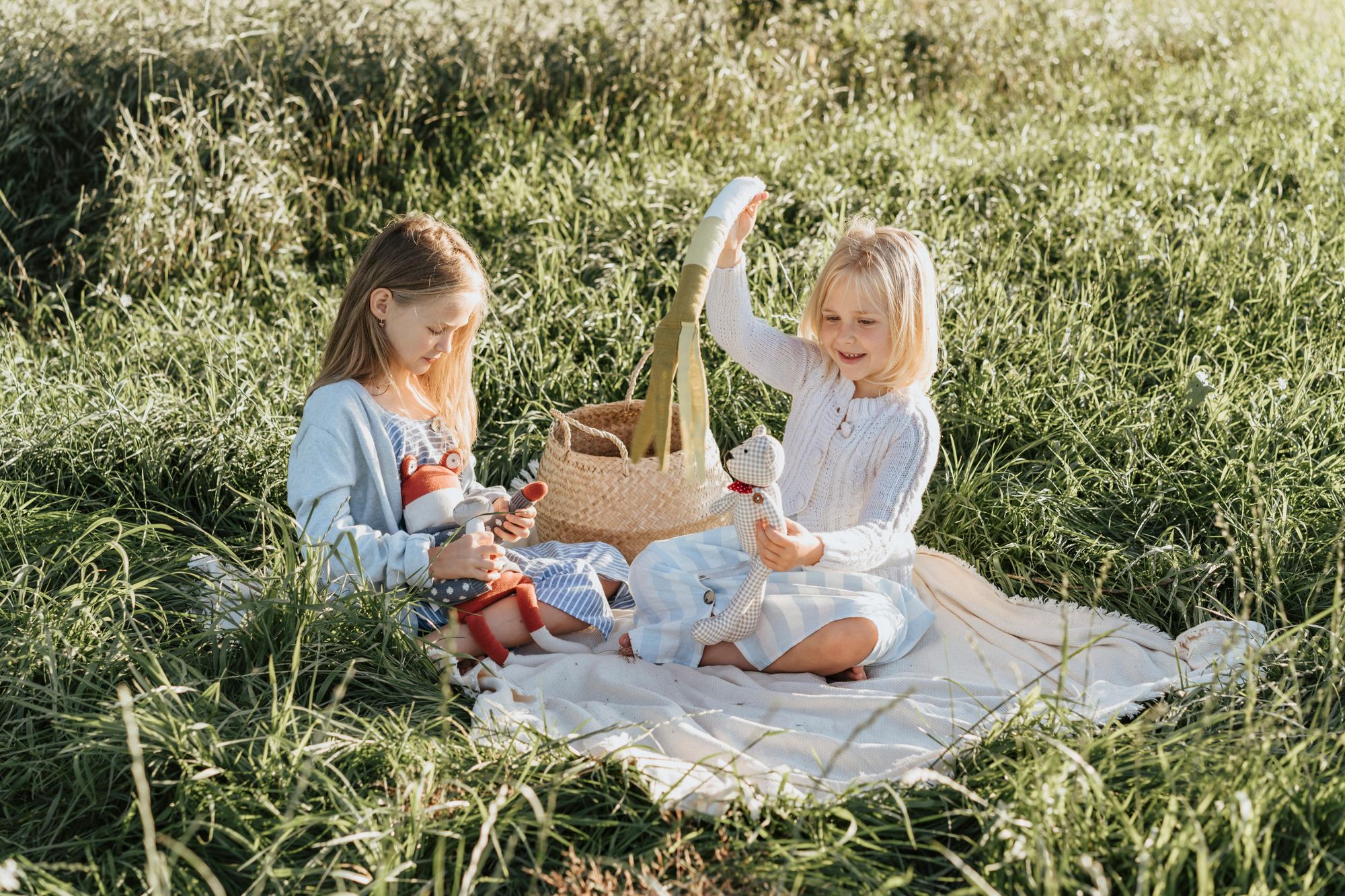
In early childhood, participation might look like toddlers choosing storybooks, or preschoolers giving input on classroom rules through drawings or photos⁴. Children express themselves through play, movement, art, and non-verbal cues—and when we learn to listen in these ways, we build trust, belonging, and agency from the ground up⁵.
Research shows that when children participate, it strengthens their cognitive development, emotional well-being, and social skills. They become more confident, resilient, and able to think critically⁶. Participation also protects children, making them more likely to voice concerns, and prepares them for active citizenship by teaching respect, cooperation, and shared responsibility⁷.
Inclusion and Equity Matter
While participation is a right for all children, not all children have equal opportunities to exercise it. Children with disabilities, children from low-income families, those from minority or migrant backgrounds, and very young children often face systemic barriers that prevent them from being heard. Traditional methods of engagement can unintentionally exclude those who do not use verbal language, or who live in unstable or under-resourced environments⁸.
Inclusion requires more than just good intentions. It means using communication tools like visual aids, sign language, and play-based methods. It means creating safe spaces where children feel respected and where their cultural and individual identities are recognised. Participation must be adapted to a child’s developmental stage, abilities, and lived experience⁹.
For example, research shows that play, storytelling, and creative expression are powerful tools for supporting non-verbal or very young children to participate meaningfully¹⁰. Likewise, projects that include children from refugee backgrounds or underrepresented communities are most effective when they use trauma-informed, culturally relevant, and multilingual approaches¹¹.
True participation means designing environments where every child—not just the most articulate or confident—can share their perspectives and shape their world. This is where equity meets practice.
Curious to Learn More? Start Here:
- Listening to Young Children: The Mosaic Approach – Clark & Moss (2011)
- Pathways to Participation – Shier (2001)
- Children’s Participation in Early Childhood Education – Correia et al. (2021)
- Handbook of Children and Young People’s Participation – Percy-Smith & Thomas (2010)
- Toolkit and Tip Sheet for including children from birth to 5 years in participation in decision-making - Hub na nÓg and DCEDIY (2024)
Footnotes
- United Nations. (1989). Convention on the Rights of the Child, Article 12.
- Shier, H. (2001). Pathways to participation: Openings, opportunities and obligations. Children & Society, 15(2), 107–117.
- Hart, R. (1992). Children’s participation: From tokenism to citizenship. UNICEF; Lundy, L. (2007). British Educational Research Journal, 33(6), 927–942.
- Clark, A., & Moss, P. (2011). Listening to young children: The Mosaic approach. National Children’s Bureau.
- Horgan, D. (2024). A Literature Review on Methodologies for Consulting with Children Aged Birth to 5 Years.
- Brooker, L. (2017). Learning to play, or playing to learn? Routledge.
- Lansdown, G. (2010). The realisation of children’s rights: Participation and protection. UNICEF Innocenti.
- Theobald, M., Danby, S., & Ailwood, J. (2011). Australasian Journal of Early Childhood, 36(3), 19–26.
- Clark, A., & Moss, P. (2011); Clark, A. (2017). Space, place and children's participation. Routledge.
- Clark, A. (2017); Brooker, L. (2017).
- Percy-Smith, B., & Thomas, N. (2010). Handbook of Children and Young People’s Participation. Routledge.
- Pascal, C., & Bertram, T. (2012). EECERJ, 20(4), 477–492.
About Toy for Participation
TOY for Participation is a European initiative co-funded by the European Commission and led by ICDI, working with partners across 8 countries to promote young children’s right to participate. Together, we’ve reached over 40,000 children and families through 40+ Play Hubs, with more to come. Learn more about the project and the partners on our website: https://www.reyn.eu/toy4inclusion/toy-for-participation/