
About Portugal and Lisbon
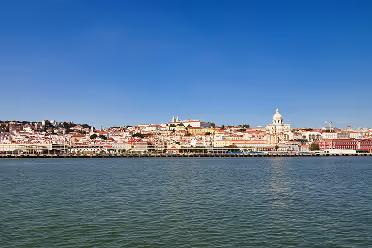
Portugal
Located in southwestern Europe on the Iberian Peninsula, Portugal is one of the continent’s oldest nations, with its borders largely defined in the 12th and 13th centuries. It became an independent kingdom in 1143 under King Afonso I and later emerged as a major global power during the 15th and 16th centuries.
During the Age of Discoveries, Portuguese explorers such as Vasco da Gama — who established the sea route to India — opened maritime routes to Africa, Asia, and South America. These voyages established a vast maritime network and positioned Portugal at the forefront of global trade and cultural exchange.
In 1910, Portugal became a republic, and in 1974 the peaceful Carnation Revolution ended decades of dictatorship, paving the way for democracy. Since joining the European Union in 1986, Portugal has consolidated its position as a stable parliamentary republic known for its safety, openness, and welcoming atmosphere.
Portugal is internationally recognized for its rich cultural heritage, traditional Fado music (inscribed by UNESCO as Intangible Cultural Heritage of Humanity), historic architecture, and distinctive cuisine. The country’s diverse landscapes range from the golden beaches of the Algarve to the vineyards of the north and the vibrant capital city, Lisbon, celebrated for its historic neighbourhoods, scenic viewpoints, and dynamic cultural life.
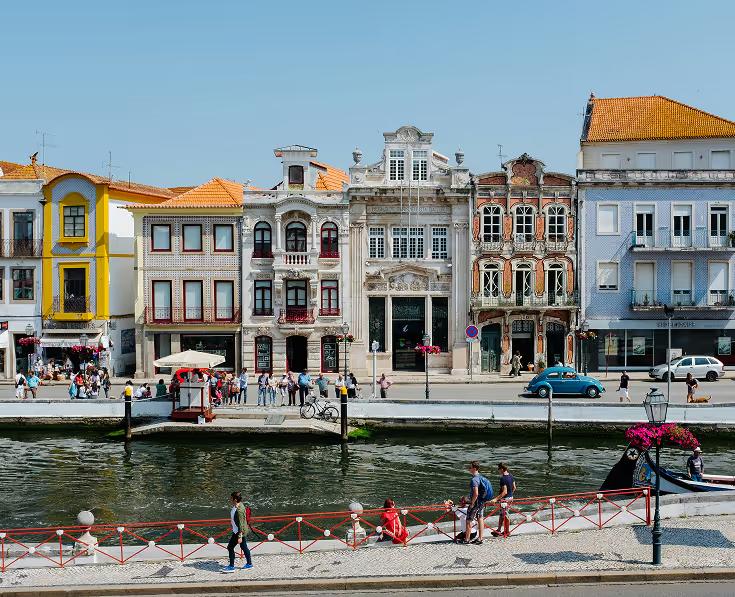
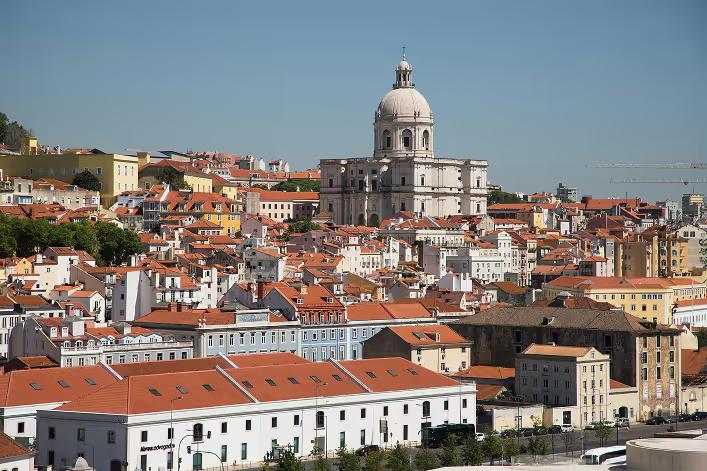
Lisbon
Perched along the scenic banks of the Tejo River, Lisbon is renowned for its picturesque landscapes, iconic seven hills adorned with colorful neighborhoods, and a delightful mix of traditional and modern architecture. The city's charm is evident in its historic trams, bustling plazas, and a thriving culinary scene featuring pastries and fresh seafood.
Climate
Lisbon enjoys a Mediterranean climate, characterized by mild winters and warm summers. Spring (March to May) and autumn (September to October) offer particularly pleasant temperatures, ideal for exploring the city with fewer crowds.
Key Attractions to Visit in Lisbon

Museums
Calouste Gulbenkian Museum and the National Tile Museum present outstanding art and cultural collections.

Modern Attractions
Parque das Nações includes the Lisbon Oceanarium and a riverside promenade.

Cultural Experiences
Alfama neighborhood offers authentic Fado music experiences.

Conference Dinner Area
The Palace of the Red Cross (Palácio da Cruz Vermelha Portuguesa), located in São Domingos de Benfica, will host the conference dinner, allowing participants to enjoy an elegant evening in this historic district.

Historic Sites
Belém district hosts the Jerónimos Monastery and Belém Tower, both UNESCO World Heritage sites.
Visit in Lisbon
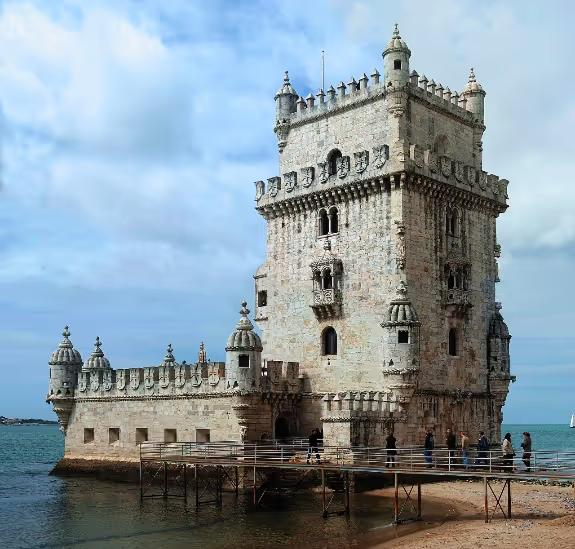
Belém Tower
Iconic riverside fortress from the Age of Discoveries.
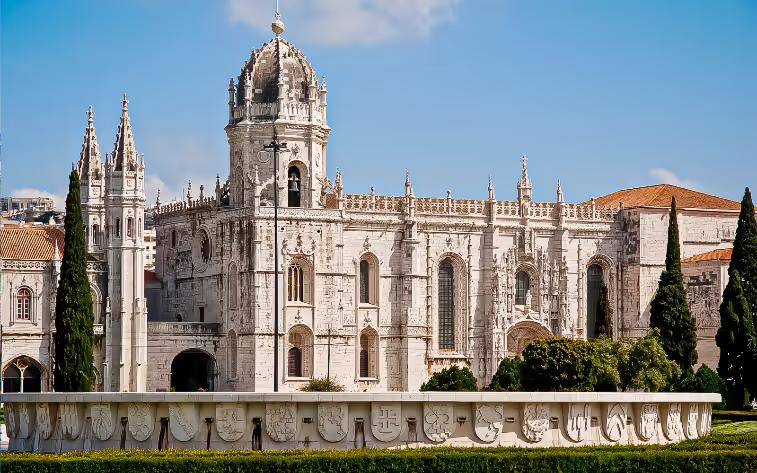
Jerónimos Monastery
Masterpiece of Manueline architecture (a late Gothic style) in Belém.
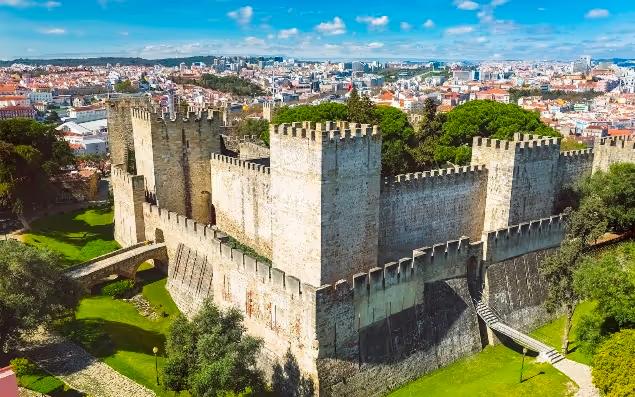
São Jorge Castle
Hilltop castle offering panoramic views of Lisbon.
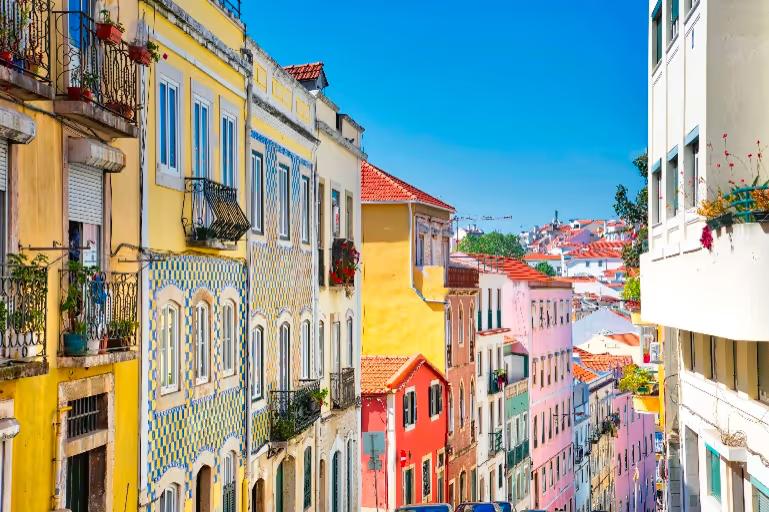
Alfama District
Lisbon’s oldest neighborhood; a maze of streets, viewpoints, and Fado music.
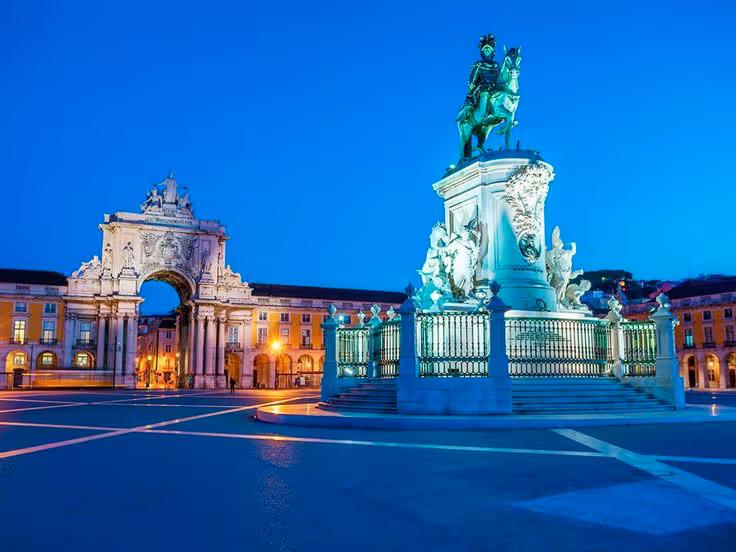
Praça do Comércio
Grand square facing the Tagus River. Rebuilt after the 1755 earthquake.
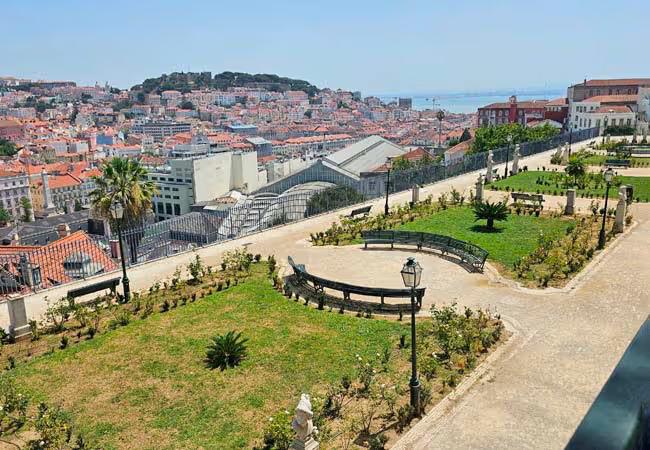
Miradouros
Scenic viewpoints scattered across Lisbon offer stunning city views. Look out for Miradouro de Santa Catarina, Miradouro da Senhora do Monte, and Miradouro de São Pedro de Alcântara.
Cuisine
Traditional Portuguese Food
Bacalhau
Portugal’s iconic salted cod, famously prepared in more than a hundred different ways.
Pastel de Nata
The famous custard tarts. The original version is called Pastel de Belém and is sold exclusively at one pastry shop in Belém, but you can find many great pastéis de nata all over Lisbon.
Grilled Sardines
June is traditionally the month of sardines in Lisbon, but they are still widely available throughout the year
Polvo à Lagareiro
Roasted octopus with “punched” potatoes, garlic, and olive oil.
Arroz de Marisco (seafood rice)
Rich, tomato-based rice packed with prawns, mussels, clams, and sometimes lobster. Unlike risotto, it’s meant to be brothy and soupy.
Amêijoas à Bolhão Pato
Clams cooked in garlic, olive oil, white wine, and cilantro.
Caldo Verde
Traditional kale and potato soup. Very popular in Lisbon and a staple during the city’s June celebrations.
Alheira
Smoked sausage originally created by Portuguese Jews; today it’s a beloved comfort food.
Cozido à Portuguesa
A hearty Portuguese stew of mixed meats, sausages, vegetables, potatoes, and rice. Not commonly eaten in the summer.
For the Courageous Eaters
Percebes
Gooseneck barnacles from the Atlantic coast.
Morcela
Traditional Portuguese blood sausage (often included in Cozido à Portuguesa).
Iscas
Pork liver, typically served with boiled potatoes.
Caracóis
Small simmered snails, a beloved summer snack in Lisbon taverns, typically enjoyed with a cold beer.
Dobrada
White bean stew with beef tripe, a Porto classic for the brave.
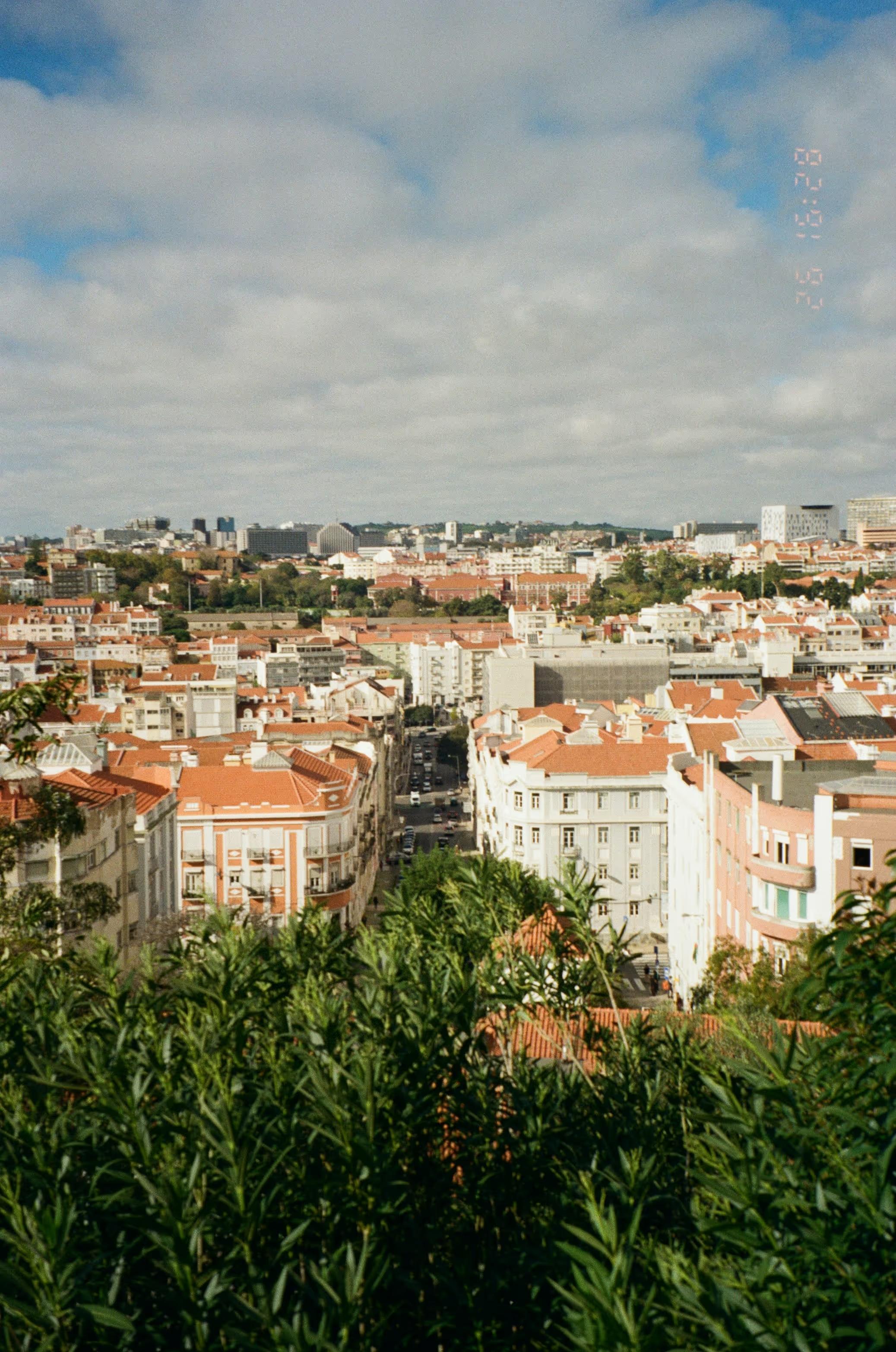
Nature & Outdoor Spots Around Lisbon
Sintra
Palaces, lush gardens, and mystical forests.
Arrábida Nature Park
Turquoise waters, dramatic cliffs, and quiet beaches.
Cascais & Guincho Coast
Rugged coastline, surfing spots, and scenic bike paths.
Cabo da Roca
The westernmost point of mainland Europe, with sweeping ocean views.
Monsanto Forest Park:
Lisbon’s “urban forest” with trails, viewpoints, and picnic spots.
Costa da Caparica
Long sandy beaches, beach bars, and great sunsets.
Tagus Estuary Natural Reserve
Bird-watching, wetlands, and peaceful riverside walks.