
Program

Theme
ISSA Conference 2026 Theme and Strands
Advancing Integrated Early Childhood System for Every Child's Wellbeing
Despite strong evidence about the importance of early investment, early childhood services often remain underfunded and disconnected. Health, education, social protection, and family support frequently operate separately, which means many children and families do not receive coordinated or consistent support. In some high-income countries, strict eligibility criteria have also created unequal access to services, reinforcing disparities instead of reducing them.
Creating stronger early childhood systems requires better coordination and integration—aligning funding, governance, professional skills, and service delivery around children’s development and family wellbeing. This calls for a whole-ecosystem approach where actors across all sectors and levels work toward shared goals.
ISSA Conference 2026 takes this challenge head-on. We will explore where integration is working, where it falls short, and why—while inviting participants to co-create practical, actionable solutions rooted in real-world experience. These discussions will unfold through three thematic strands, each addressing a key dimension of building integrated early childhood systems.
Core Strands
Strand 1
How integration is governed - STRUCTURE
This strand explores the practical realities of creating coherence across health, education, social protection, and family support systems. Sessions will dig into:
- How different governance levels (national, regional, municipal, community) can coordinate policies and services without duplication or gaps.
- What governance models (e.g. inter-ministerial committees, integrated agencies, municipal hubs) enable sustained collaboration.
- The role of “middle-tier” services—home visiting, early childhood education and care, family support, social protection, health services—as connectors between high-level policy and families’ everyday lives.
- Challenges such as overlapping mandates, siloed budgets, and political turnover—and how countries have managed to overcome them.
Guiding Question
What does effective integration look like in practice, and how can it be sustained across levels of governance?
Strand 2
How integration is financed and measured RESOURCES
This strand focuses on the money, mechanisms, and mandates that either support or undermine integrated systems (national, regional, local, program/service level). It will address:
- How countries budget for early childhood across ministries and how spending patterns affect equity?
- Examples of financing strategies that prioritize prevention and holistic support rather than fragmented interventions.
- How to ensure that policies are not only well-designed but adequately resourced for implementation at scale.
- The role of data, monitoring, and evaluation in showing whether resources are making the intended impact.
- Ways to leverage international and EU-level funding streams for systemic integration.
Guiding Question
How can funding, policy, and practice be aligned to support integration rather than reinforce fragmentation?
Strand 3
How integration is co-constructed and sustained relationally RELATIONSHIPS
This strand places the emphasis on inclusion, collaboration, and shared ownership. It will explore:
- How families, communities, practitioners/service providers contribute to shaping policies that affect them?
- Examples of participatory governance–citizens’ assemblies, parent councils, practitioner-researcher partnerships–that give voice to those often left out.
- Public-private partnerships: NGOs and civil society as active contributors to systemic integrated solutions. Strategies for scaling up successful local innovations to inform regional or national policy.
- Cross-country dialogues on what actors at different levels can do differently to advance integration.
Guiding Question
How do we ensure all voices–from policymakers, to practitioners, to parents–co-create solutions for integrated early childhood systems.
Together, these strands will unfold through dynamic, highly participatory formats designed to help participants move from insight to concrete, system-level solutions.
Keynote Speakers
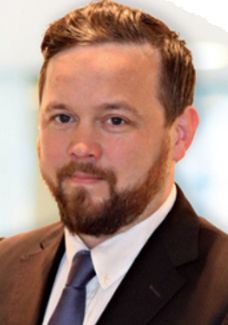
Dominic Richardson
Managing Director of the Learning for Wellbeing Institute
We are thrilled to announce Dominic Richardson, Managing Director of the Learning for Wellbeing Institute, as a keynote speaker at ISSA Conference 2026!
Dominic has extensive experience in researching family policies and child well-being. For almost a decade, he led two of UNICEF’s global research teams, education and social policy and economic analysis at the Office of Research – Innocenti, where he oversaw work on family cash transfers and cash plus programmes (including gender responsive social protection), social expenditure and ECD policies, the Innocenti Report Card Series, teachers and teaching, development of social and emotional skills, and global research on family policies, child development and well-being. Dominic previously worked with OECD Social Policy Division on a broad range of studies covering childwell-being, evaluating family policies, integrating human services, and social impact investment. Dominic has led or co-authored multiple reports on comparative childwell-being in high-, middle- and low-income countries. Dominic was awarded the 2018 Jan Trost Award (lifetime achievement) for Outstanding Contributions in International Family Studies by the National Council for Family Relations in the United States.
🎥 Watch Dominic’s video about the conference format, theme, and why it's important.
Detailed program
Detailed program, including pre-conference events, can be found in the link below.
Social events
Welcome Reception
19:00 – 21:00 Wednesday, 21 October
Casa de Desenho is a historic, charming red-brick building located directly on the waterfront along the Tagus River in Lisbon. Originally built as the "Sala de Desenho" where ship designs and blueprints were created, it later became home to the iconic "Speakeasy" live music bar. Fully renovated to restore its historic charm, it now serves as a versatile and exclusive venue for corporate events, weddings, private celebrations, media presentations, and shootings.
Address
Cais da Rocha Conde de Óbidos, Cais das Oficinas, Armazém 115
1200-819 Lisbon, Portugal
Please check the conference FAQ for instructions, how to make your way to the venue.
Conference Dinner
19:30 – 23:00 Thursday, 22 October
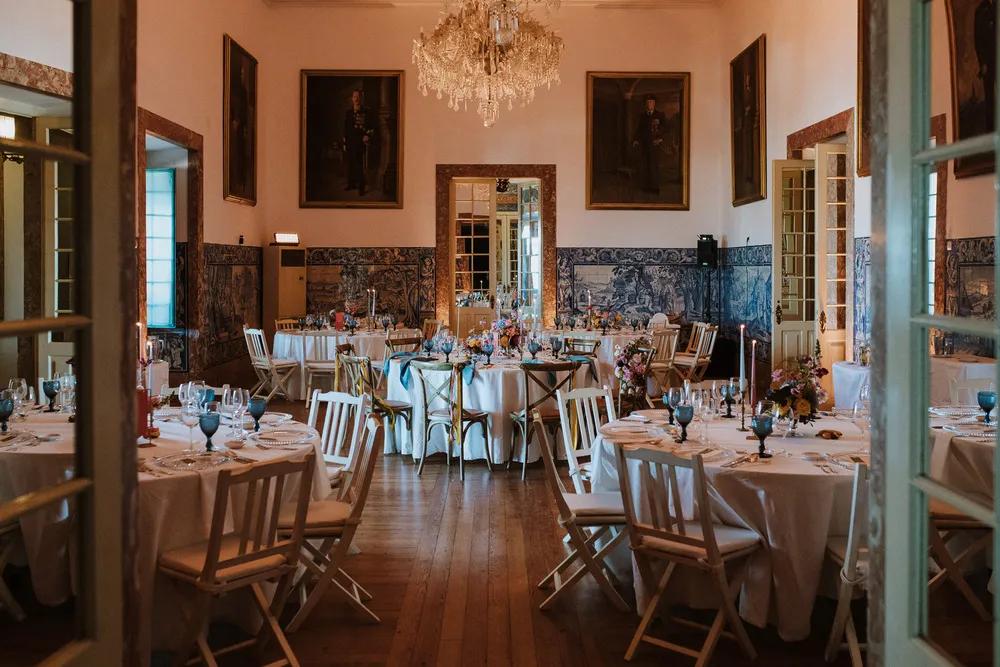
Located on Lisbon’s historic waterfront, Palácio da Cruz Vermelha – also known as Palácio do Conde de Óbidos – is an elegant 17th-century palace that blends heritage, art, and exclusivity. Overlooking the Tagus River, the venue offers a unique atmosphere where classical Portuguese architecture meets refined interiors adorned with traditional azulejos and period details.
For the ISSA Conference Dinner, guests will be welcomed into an inspiring and sophisticated setting, perfect for networking and meaningful conversations. The palace’s noble rooms and riverfront views create a memorable backdrop for an evening that celebrates connection, culture, and the spirit of Lisbon.
Site visits
Arroios, Lisbon
Associação Pró-Infância Santo António de Lisboa
APISAL
Category
Nursery, Pre-school, Primary Education (1st Cycle), After-School Activity Centre
Age groups
Children from 4 months to 11 years old
Max participants
10 participants
Estimated time
10 a.m. – approximately 1 hour visit
Distance from city center
8 minutes by metro or 20 minutes walking
Specific rules for visitors
Photography of children is strictly prohibited out of respect for their privacy. Photos of the facilities may be taken with prior permission from the on-site contact person.
Brief description
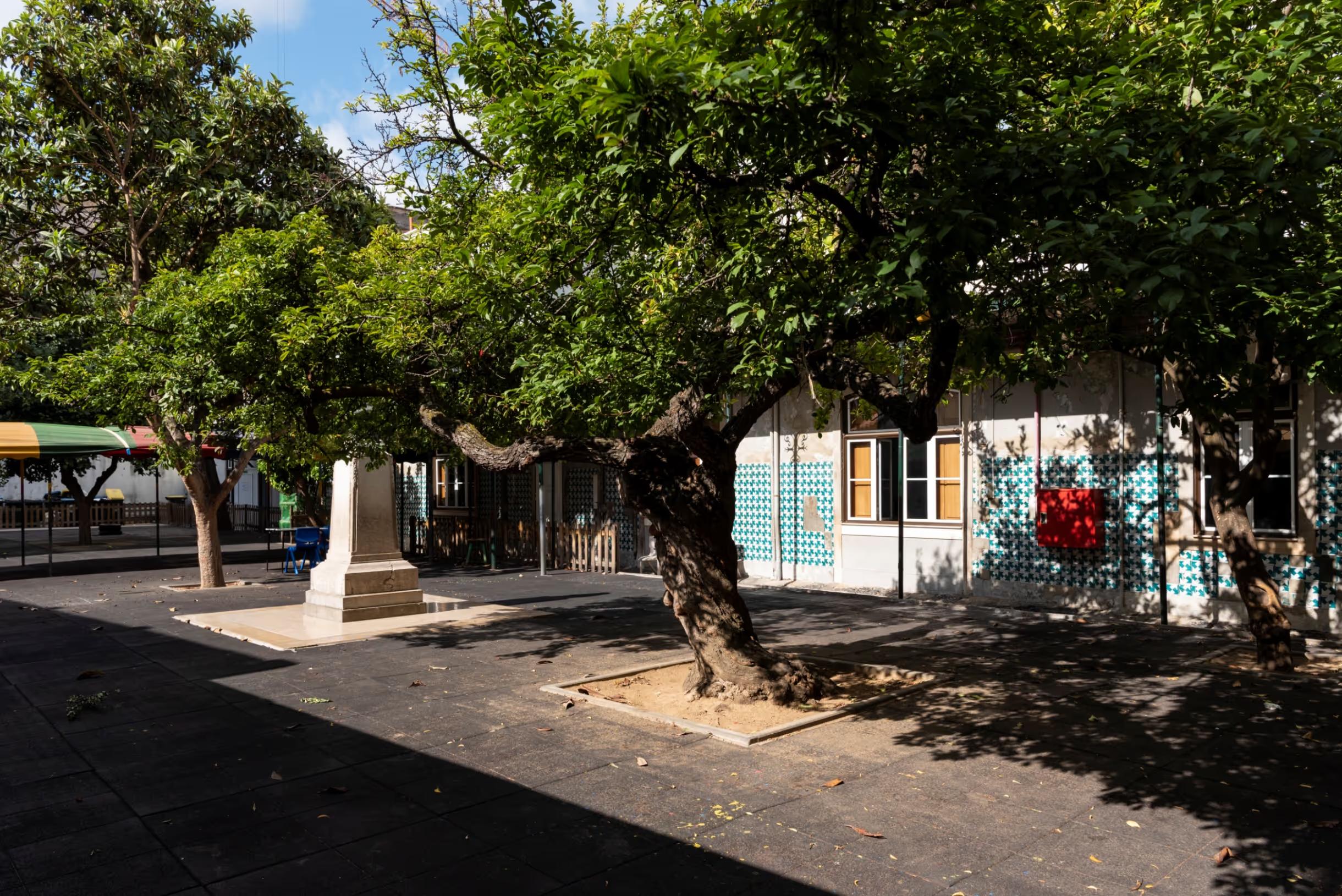
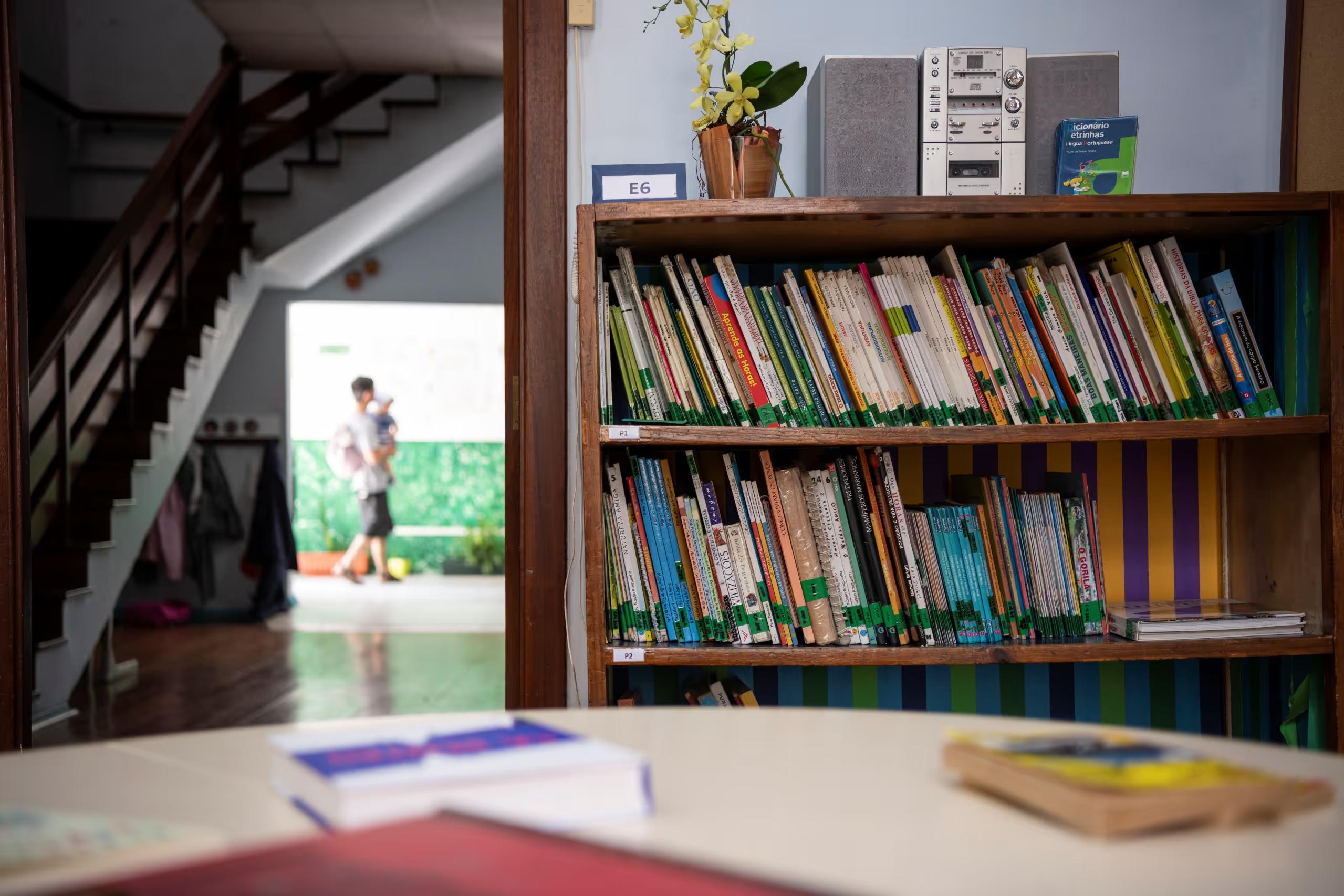
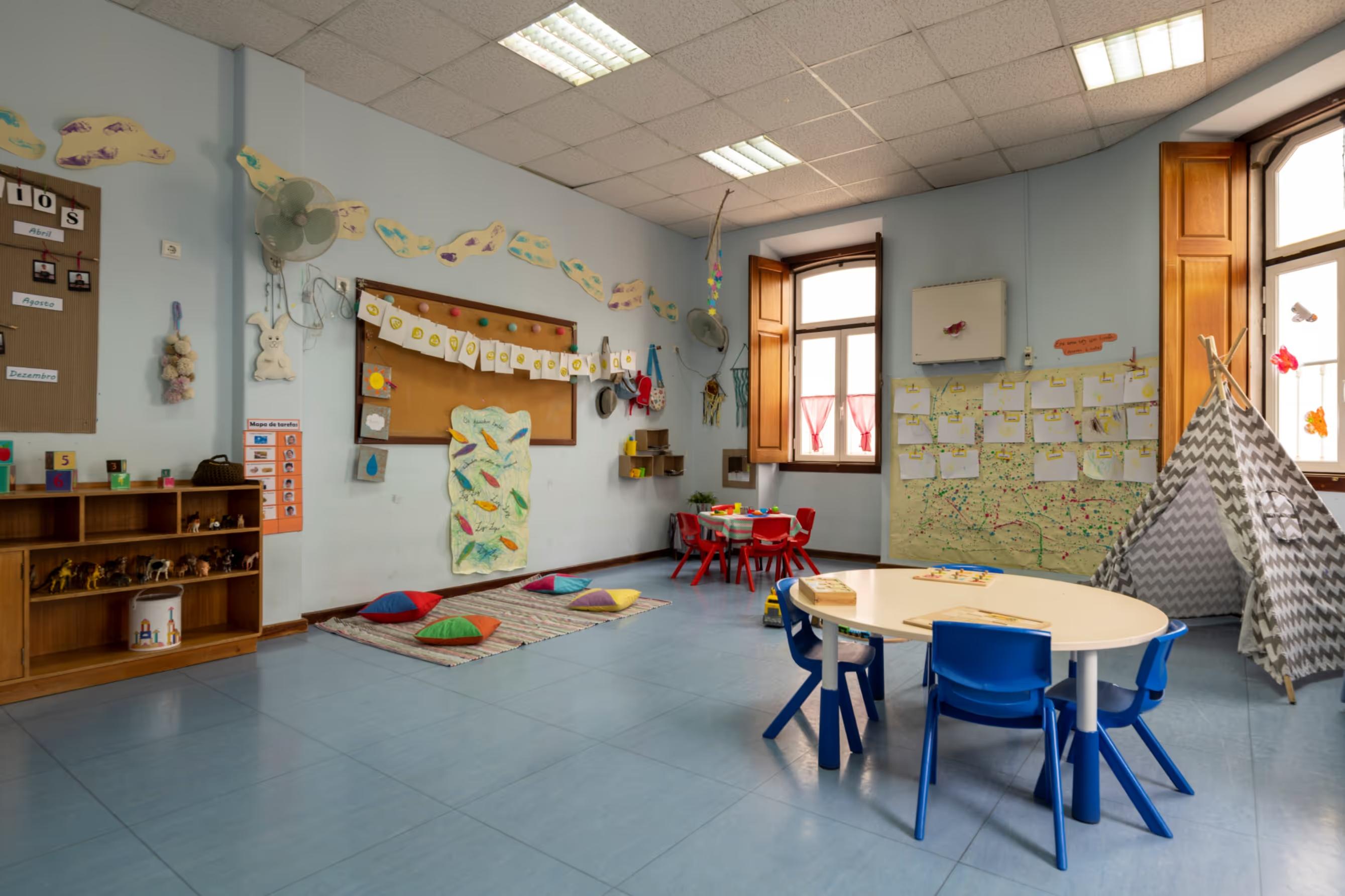
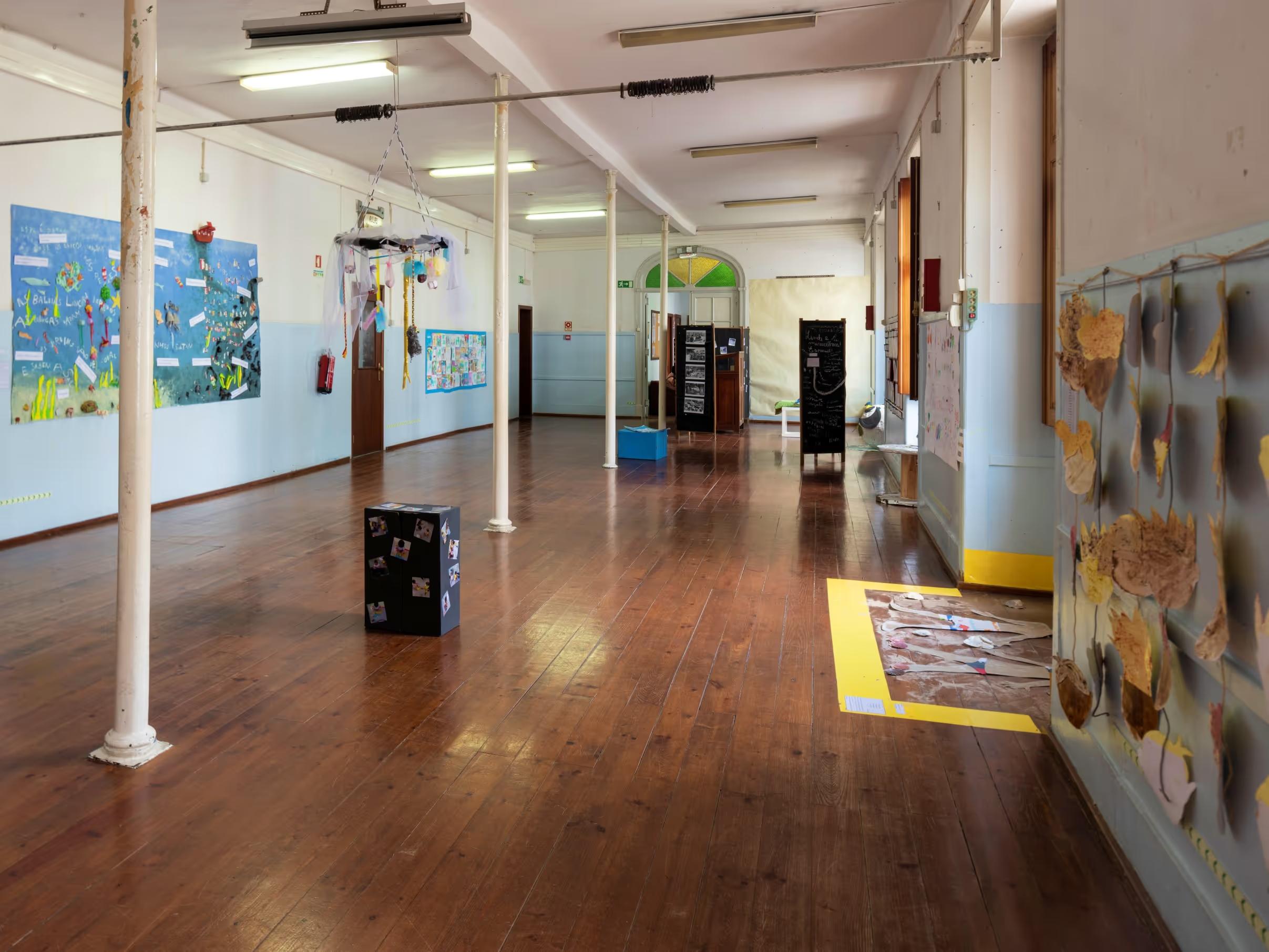
The Associação Pró-Infância Santo António de Lisboa (APISAL) is a non-profit Private Institution of Social Solidarity offering a comprehensive range of social and educational services, spanning Nursery, Pre-school Education, Primary Education (1st Cycle), and an After-School Activity Centre.
Operating on a full-time basis, APISAL provides both an educational programme and family support services, currently serving around 267 children and their families. Situated in Arroios, in the heart of Lisbon – one of the most multicultural neighbourhoods in the country – the institution embodies this diversity with pride, welcoming children from 31 different nationalities. This rich cultural mix is not merely reflected in its community; it is actively embraced as a defining and enriching dimension of APISAL's identity and pedagogical practice.
The institution's team comprises 56 professionals, including both teaching and non-teaching staff, as well as specialists such as a psychologist and a social worker. Together, they work within a multidisciplinary framework that fosters the integration of services and a holistic understanding of each child across all aspects of their development. The Board of APISAL operates on a entirely voluntary basis, a testament to the institution's deep social and community commitment.
At APISAL, diverse identities are genuinely welcomed and respected, with diversity viewed not as a challenge but as an opportunity and a source of learning. Guided by this ethos, the institution has adopted the Pedagogy-in-Participation as its core educational approach – one that recognises the child as an active, competent, and engaged participant in their own learning journey, rooted in the principles of involvement, attentive listening, and profound respect for the child.
Olivais Sul, Lisbon
Cancelled – Olivais Sul Children’s Centre – “O Século” Foundation
CIOS
Category
Nursery and pre-school provision
Age groups
Children from 4 months old to 6 years old
Max participants
10 participants
Estimated time
10 a.m. – 1 hour visit
Distance from city center
30 to 40 minutes by metro or bus
Specific rules for visitors
The direct photographing of children and adults is strictly prohibited. The photographing of pedagogical documentation displayed within the Centre is strictly prohibited. Any photographic recording of the building and its facilities requires prior authorization from the designated visit coordinators.
Brief description
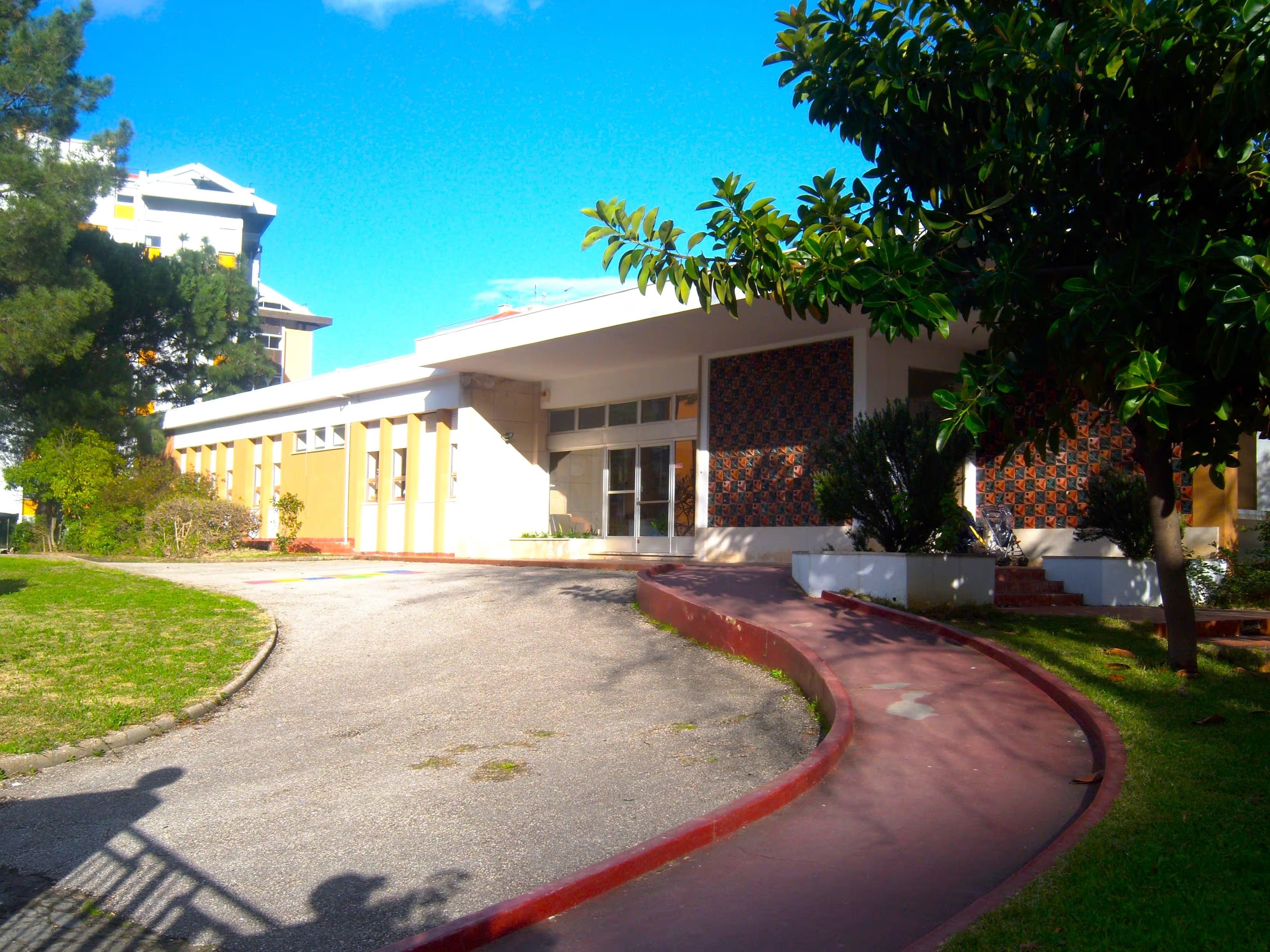
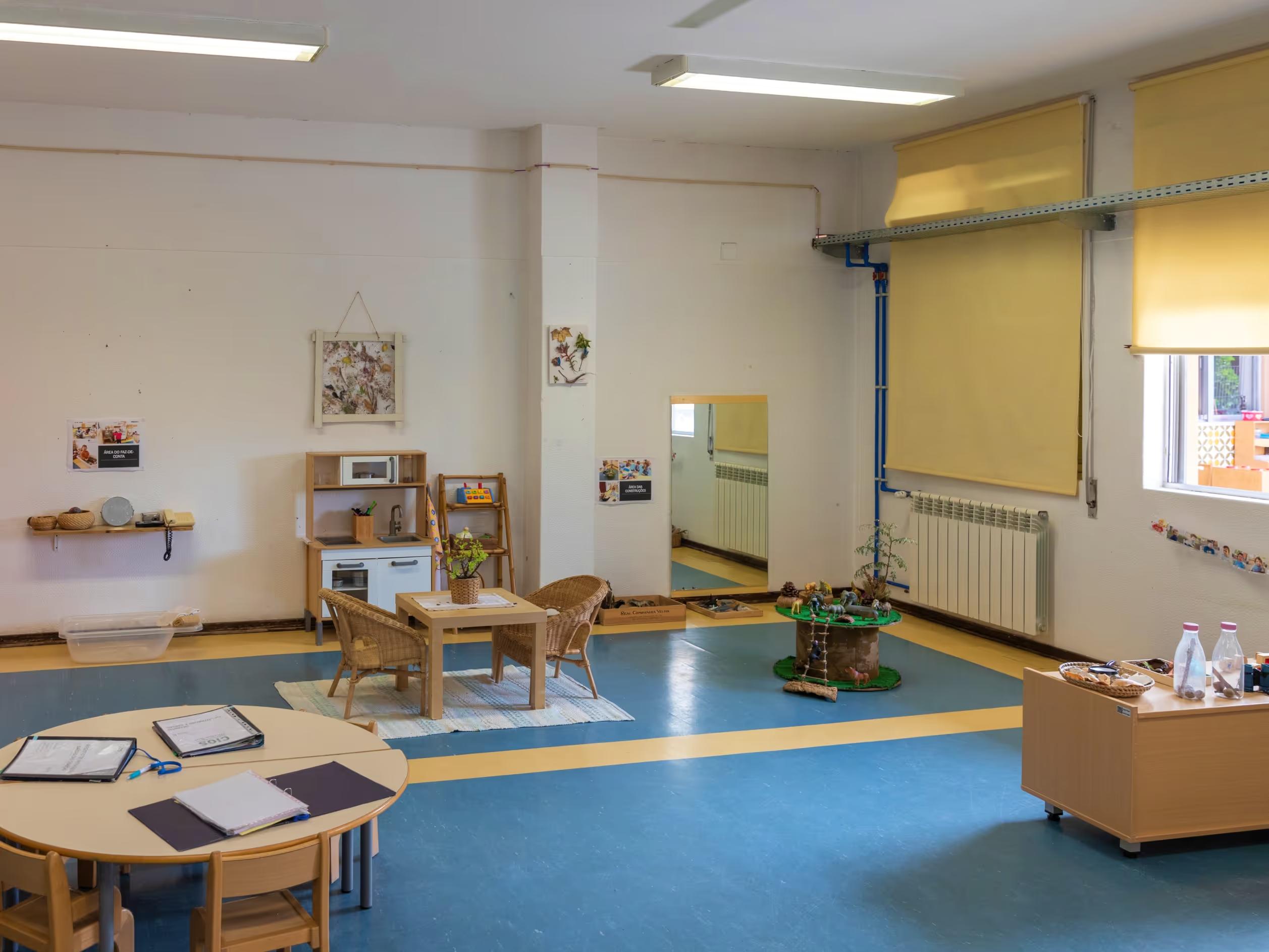
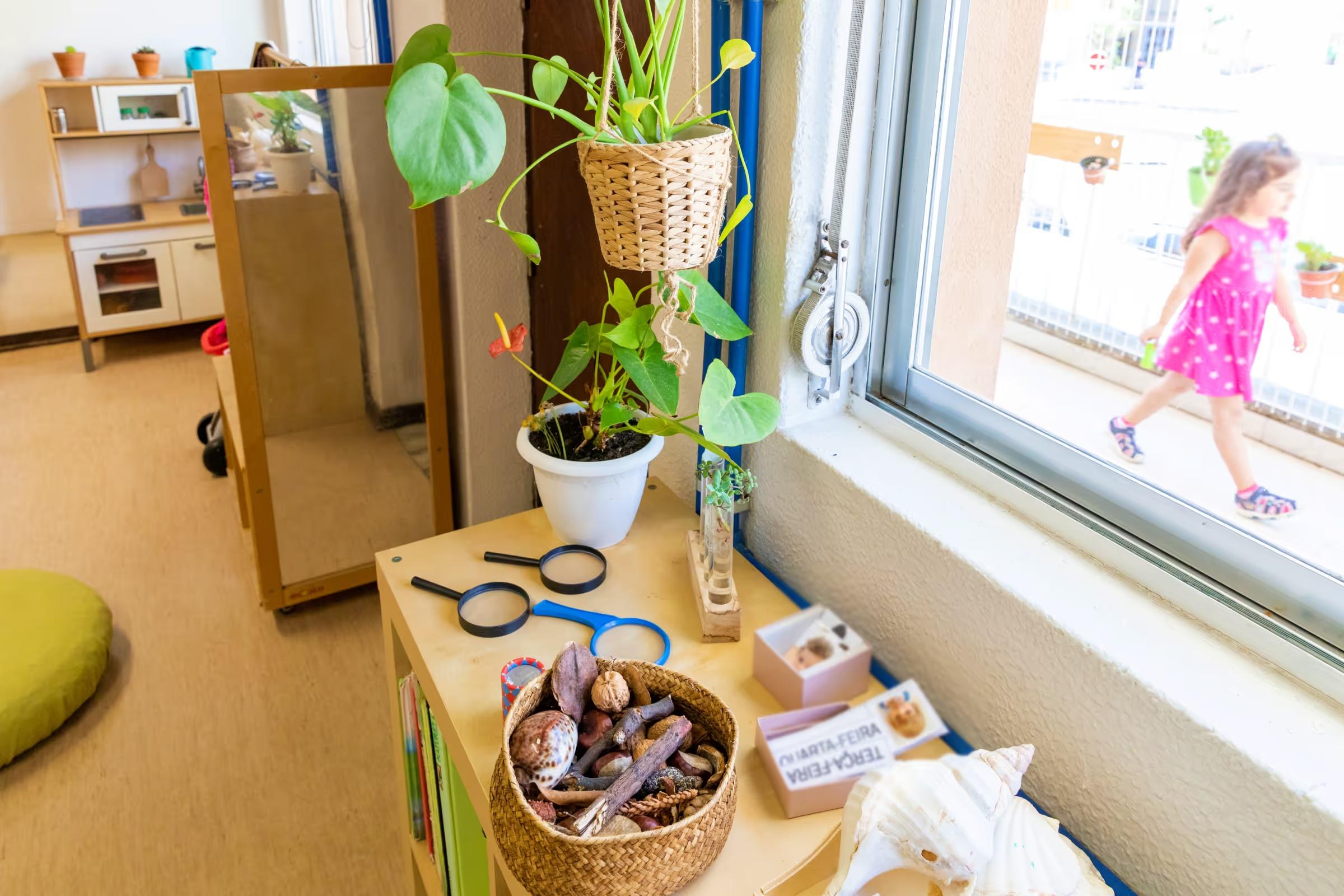
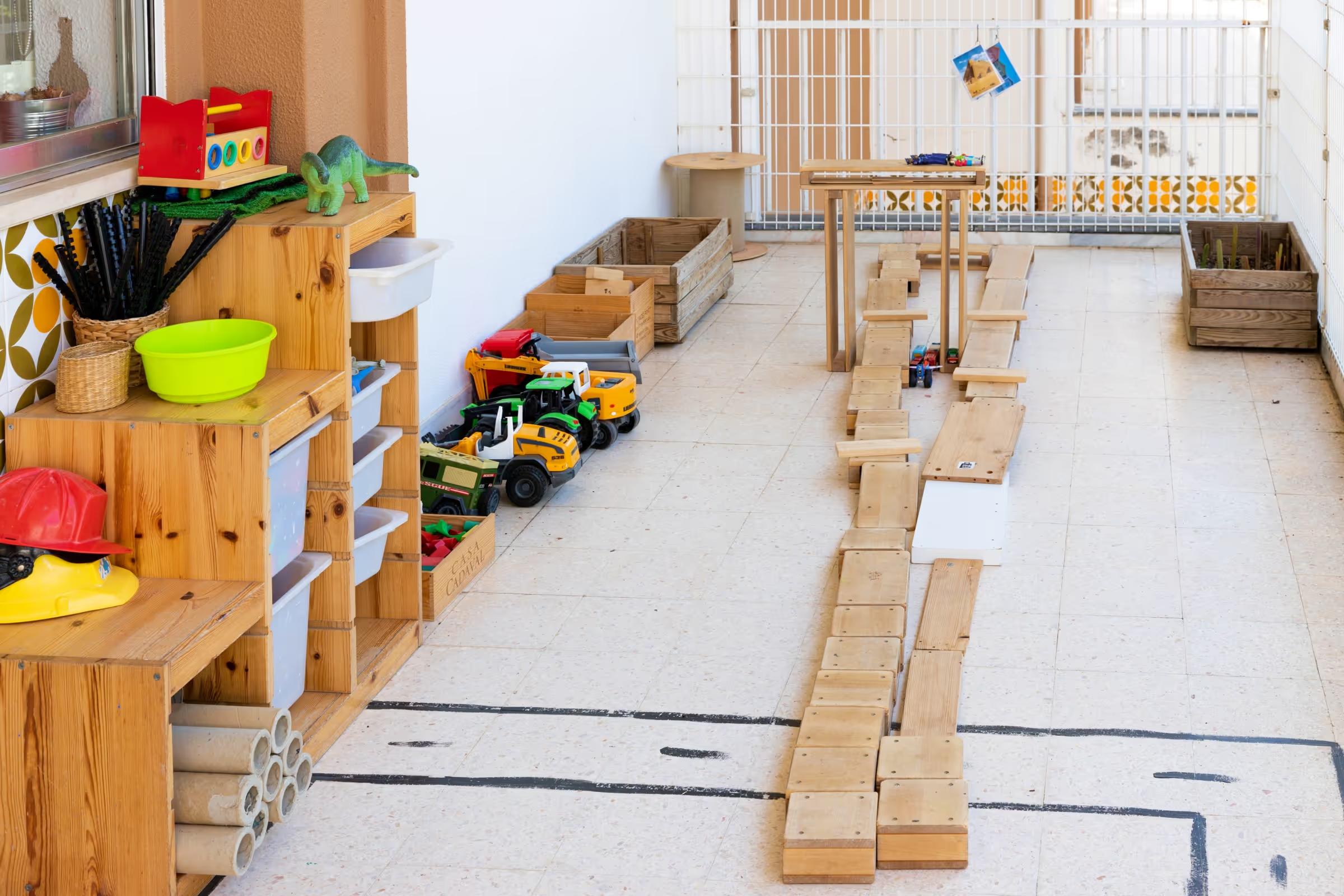
The Olivais Sul Children’s Centre (CIOS) provides Nursery and Preschool education through a socio-constructivist and participatory approach—Pedagogy-in-Participation—where children are recognised as competent, active participants in their own learning. Grounded in democratic values, our practice builds on children’s experiences, interests, and knowledge, fostering exploration, interaction, and shared meaning-making.
We are committed to the co-construction of an innovative and sustainable educational environment, shaped by the active involvement of children, families, professionals, and the community. Children and adults learn together as co-constructors, promoting well-being, participation, and holistic development, while valuing individual, social, and cultural diversity.
Established in 1976, CIOS has operated as an institution organically and functionally integrated within the Social Security Institute (ISS.IP) – Lisbon District Centre. Its management was ensured by Social Security until 2009, after which responsibility was transferred to the Aga Khan Foundation Portugal.
As of 1 September 2024, and at the invitation of the ISS.IP, the management of CIOS is entrusted to the “O Século” Foundation.
Restelo, Lisbon
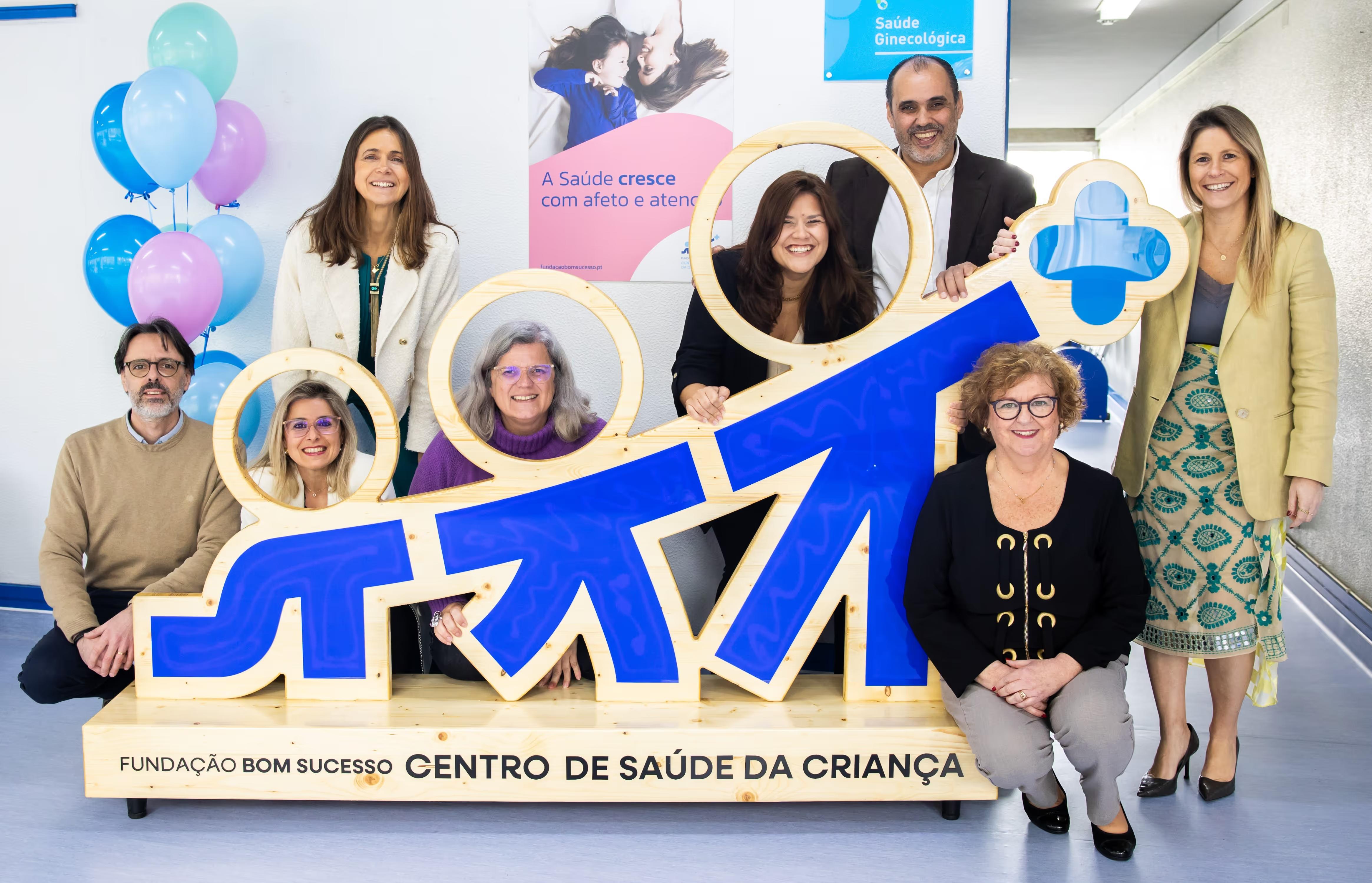
Bom Sucesso Foundation
Child Health Center
Main activity
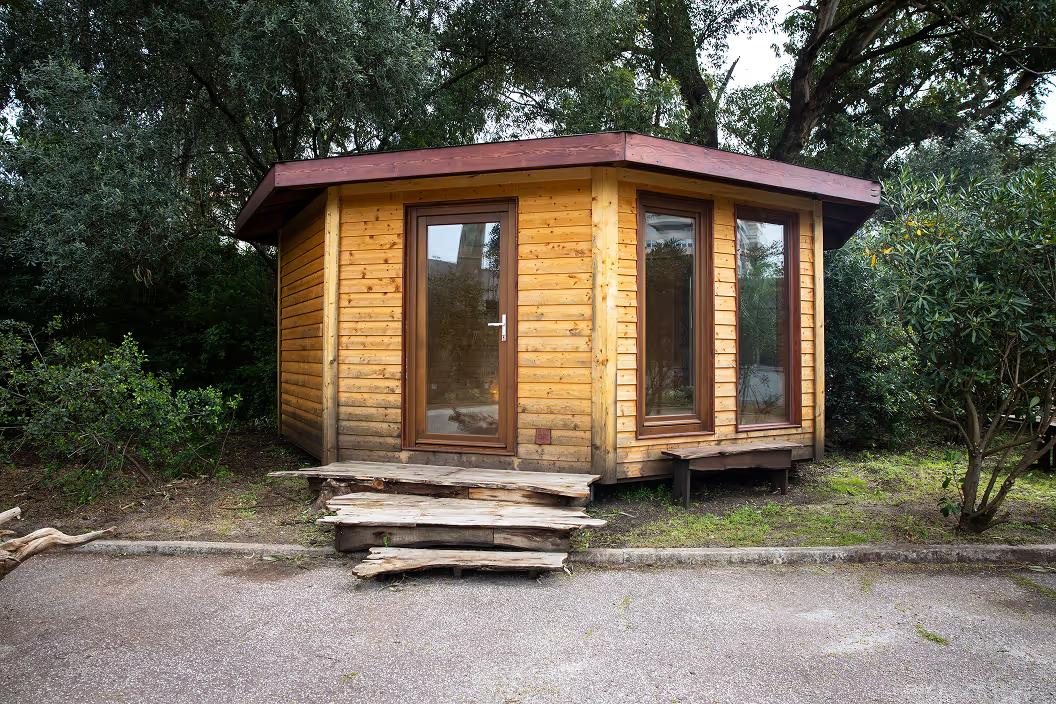
Guided tour to the Child Health Center
Age groups
Children (under 18y) and pregnant women
Max participants
20 people
Estimated time
10 a.m. – 1 hour visit
Parking
Free private parking
Specific rules for visitors
It's allowed to take pictures of the spaces but not of people, namely, workers and users/clients.
Brief description
Bom Sucesso Foundation was created in 1951 by a family initiative, at a time that, in Portugal, the poorest families have no access to any kind of healthcare, so Mrs. Maud Queiroz Pereira had the idea to create a local maternal and child healthcare service.
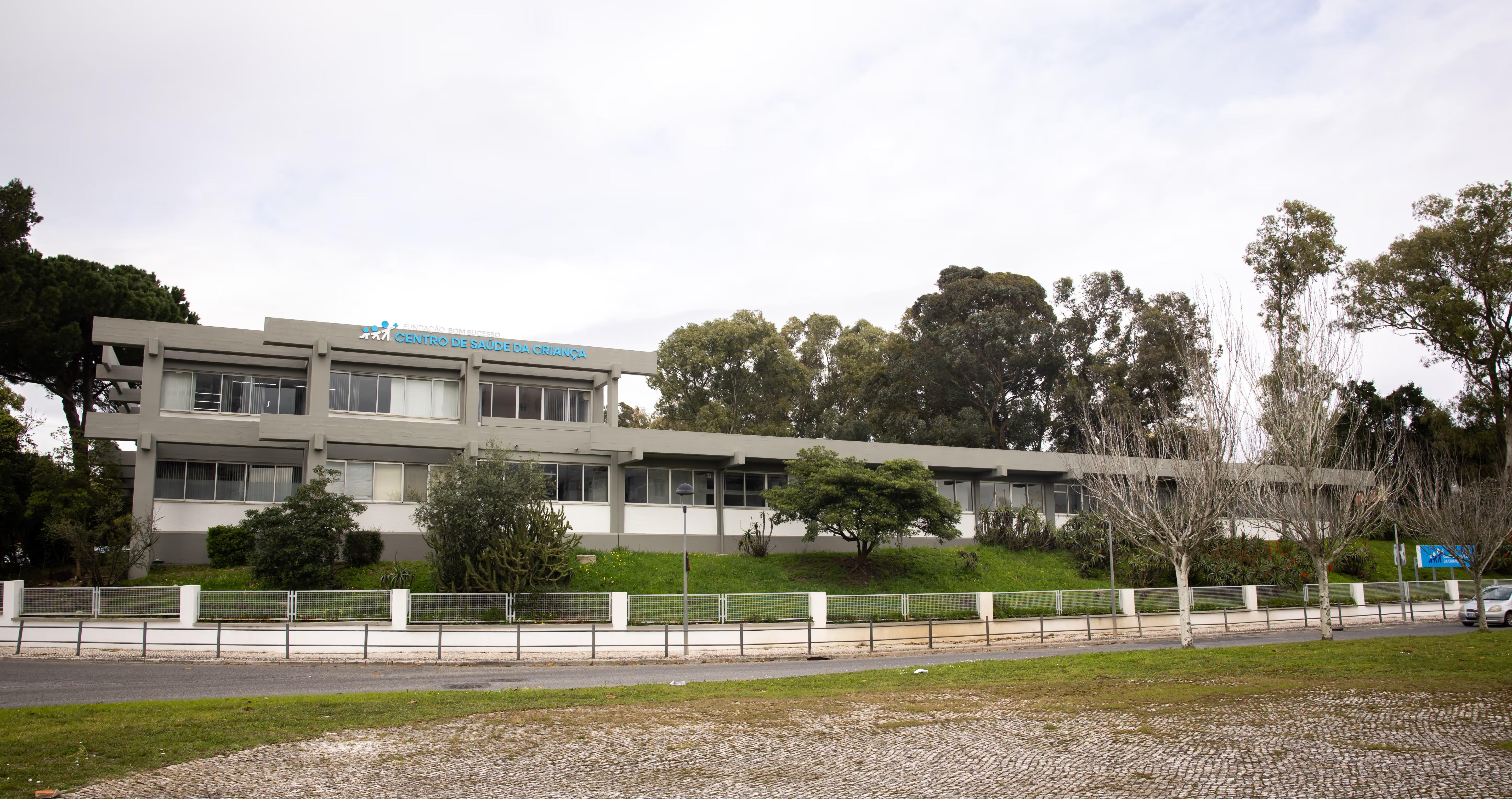
The building where the actual Child Health Center is, since 1975, was designed with the support of Mr Rafael Álvarez Alva, a World Health Organization consultant, who has collaborated also in the planning of the activities.
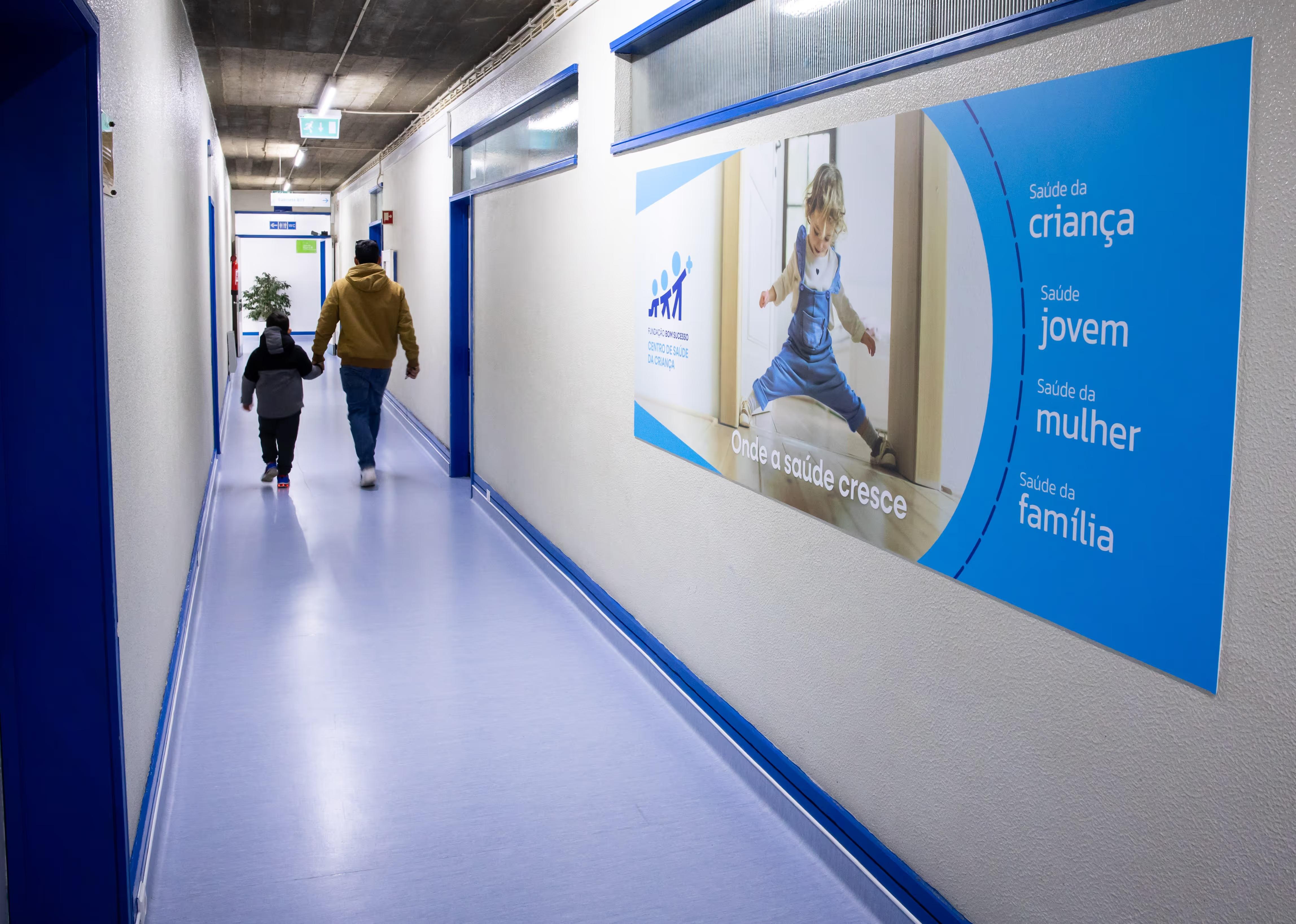
The main core of the Child Health Center’s activity is prevention: Primary prevention, through health education and health promotion activities; Secondary prevention, through a health monitoring model based on periodic health appointments and screenings and Tertiary prevention, through timely treatment of abnormalities or diseases detected. We provide high-quality healthcare, organized in 15 areas, implemented by nurses, specialist doctors and therapists.
Each contact of a family/caregiver with one of our health professionals (especially nurses) is an opportunity for health education and health promotion, by sharing information that eventually leads to healthier behaviors and lifestyles.
Foundation’s integrated health services are mainly focused on child health. Traditionally targeting families, the services are being adjusted (since 2014) to answer also to the healthcare needs of children in foster homes. We currently support 20 foster homes.
Investing in the first years of life is the best way to build a healthier and sustainable society. Considering and acting upon the health determinants of each beneficiary through health education and empowerment that leads to the adoption of healthier lifestyles; regular screenings to detect abnormalities; timely treatment of the abnormalities detected; we promote healthy child development. This model leads to better child and adolescent health that promotes higher well-being, higher educational success and better social inclusion.
Today, we continue our mission to improve the health of those who need it most!
Contact & location
Address
Av. Dr. Mário Moutinho (ao Restelo)1400-136 Lisboa
How to get here
Bus nº 723, 727, 728, 732, 760
Email & phone
geral@fundacaobomsucesso.pt
(+351) 213 031 420
Alvalade, Lisbon
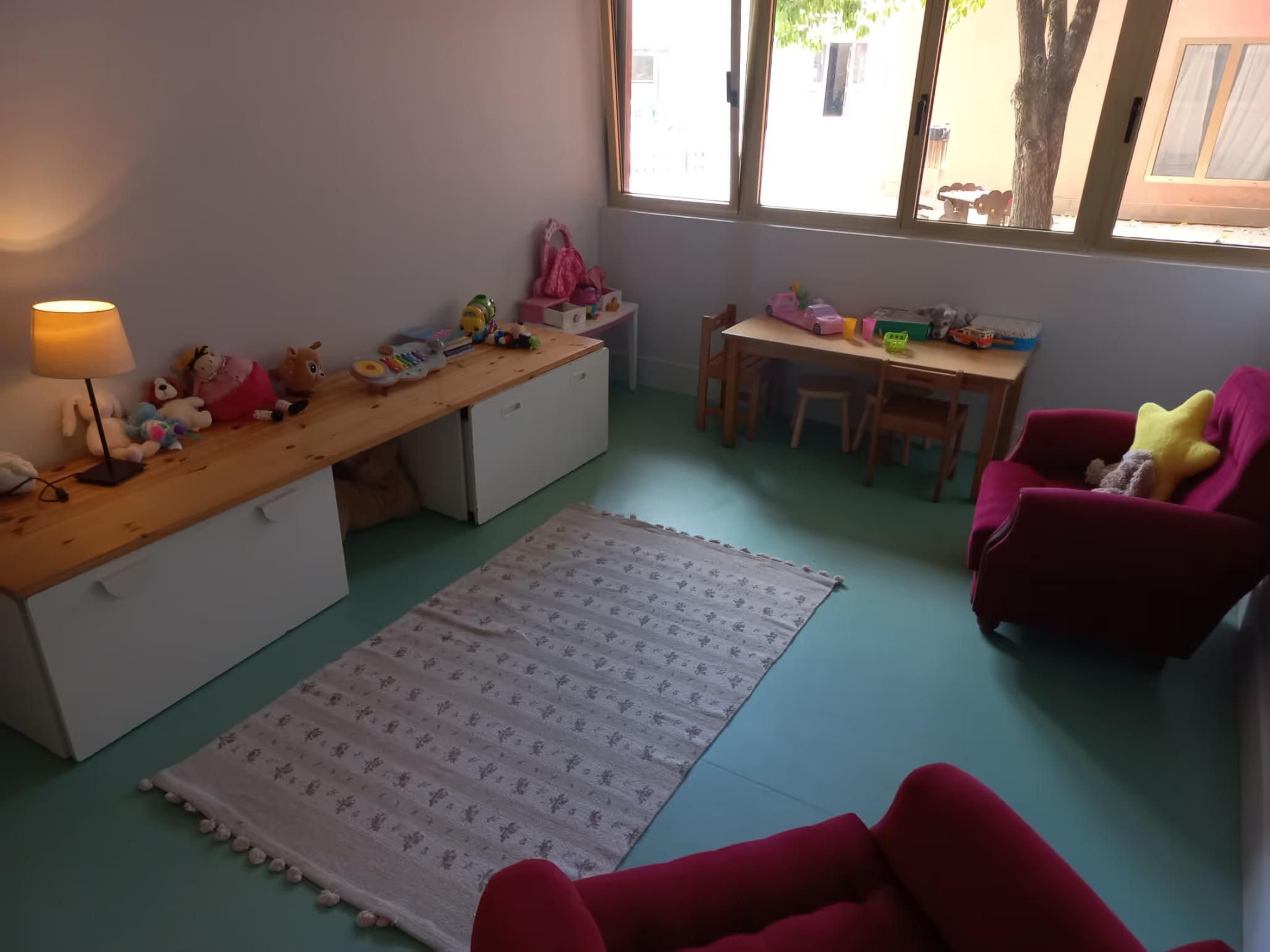
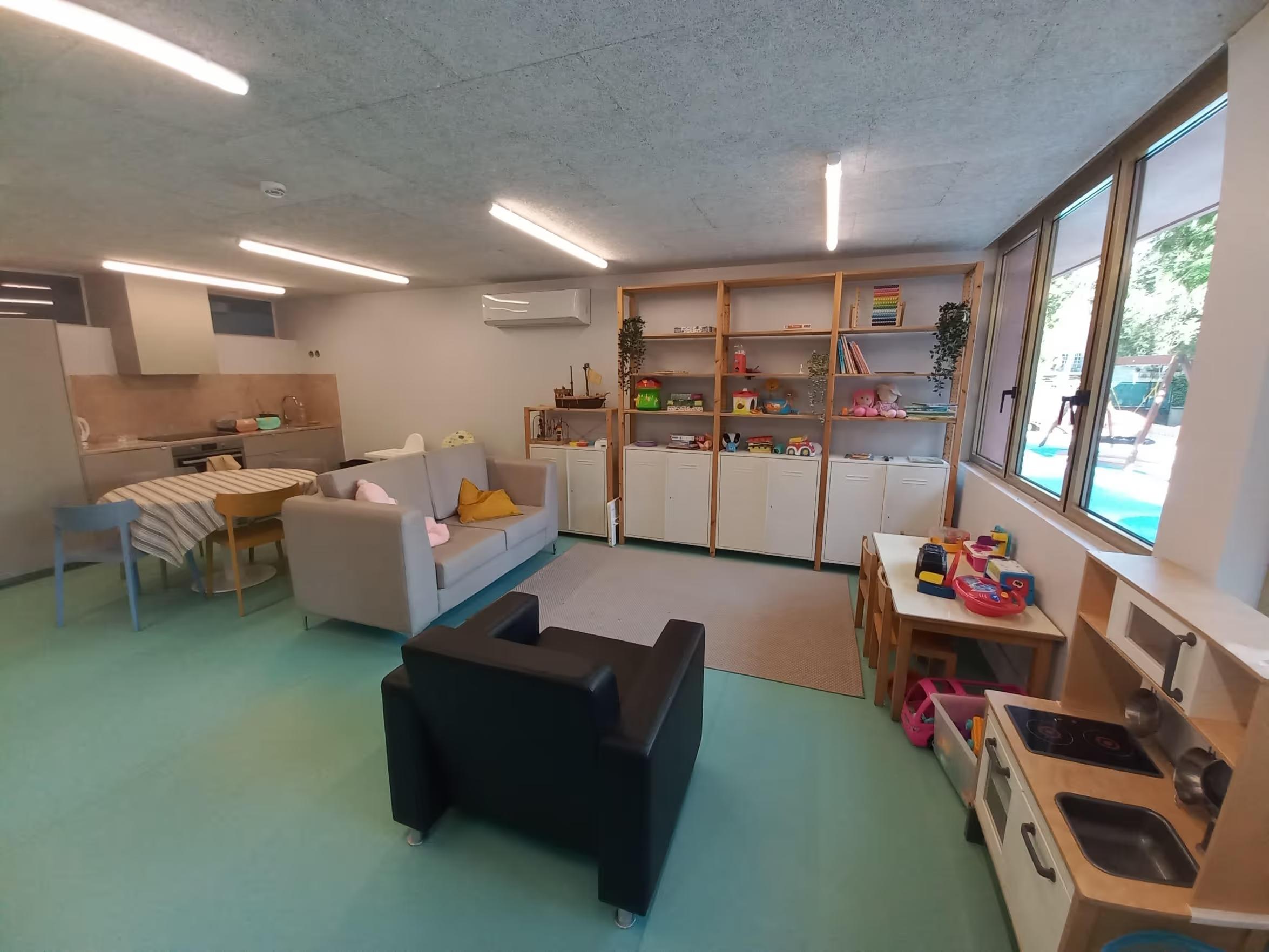
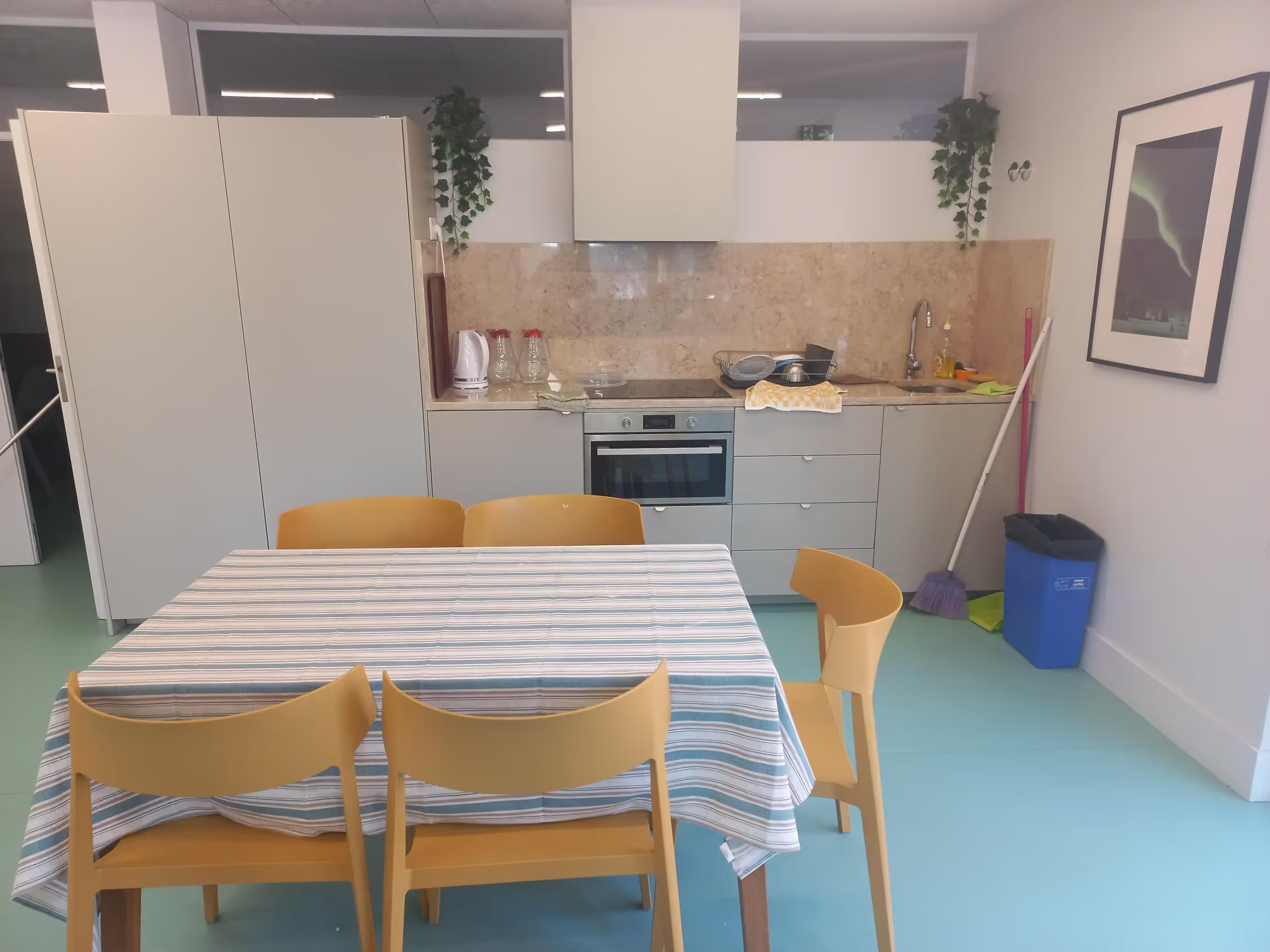
Centro de Capacitação de Alvalade
CCA — SCML
Category
Capacity Building Team — family empowerment
Age groups
0 – 6 years
Max participants
15 participants
Time
2 to 3 hours, between 10:00 and 13:00
Distance from city center
Alvalade area; 25 minutes by metro (Green Line)
Specific rules for visitors
Video recording and photography of children and adults are not permitted.
Brief description
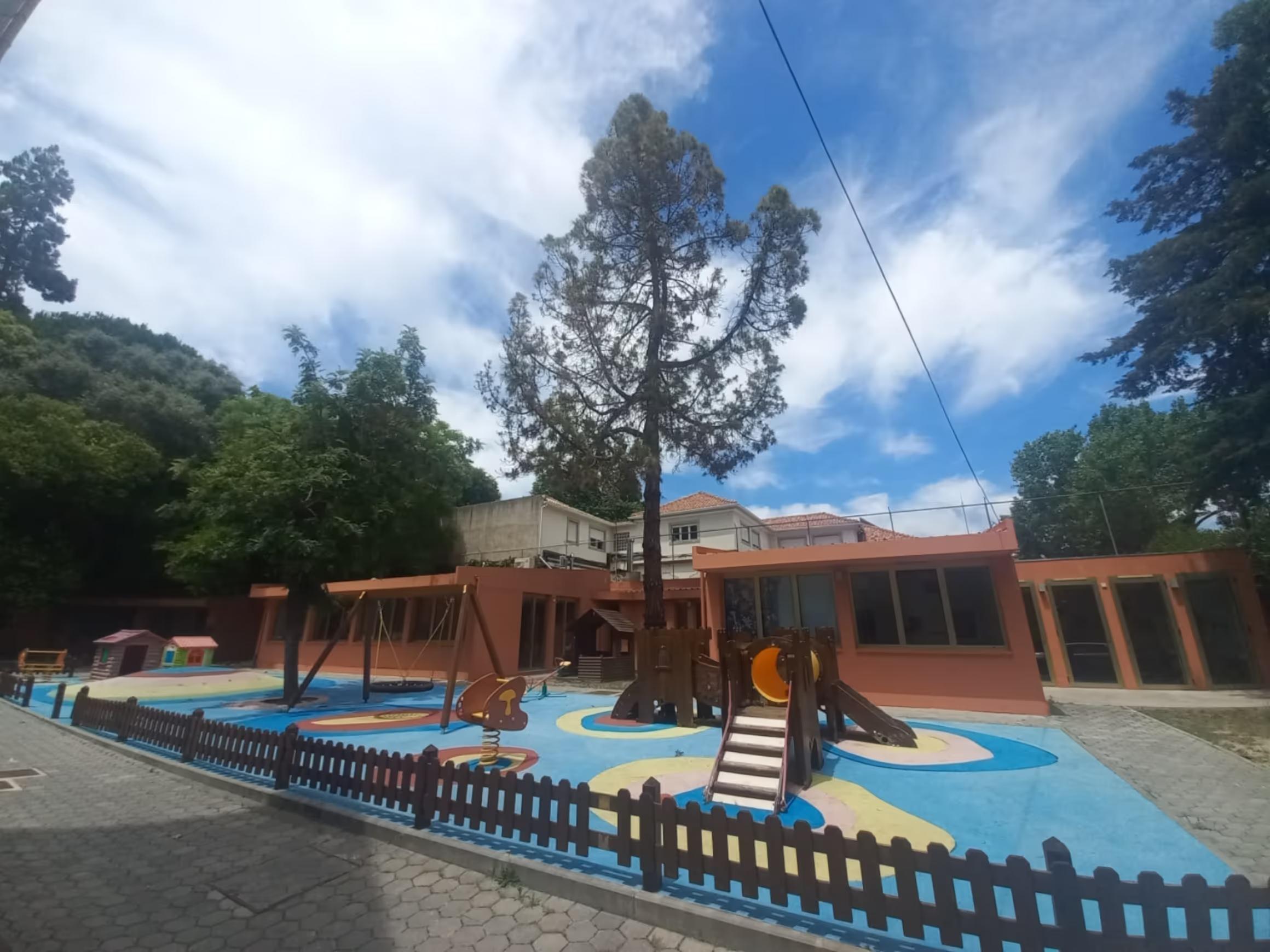
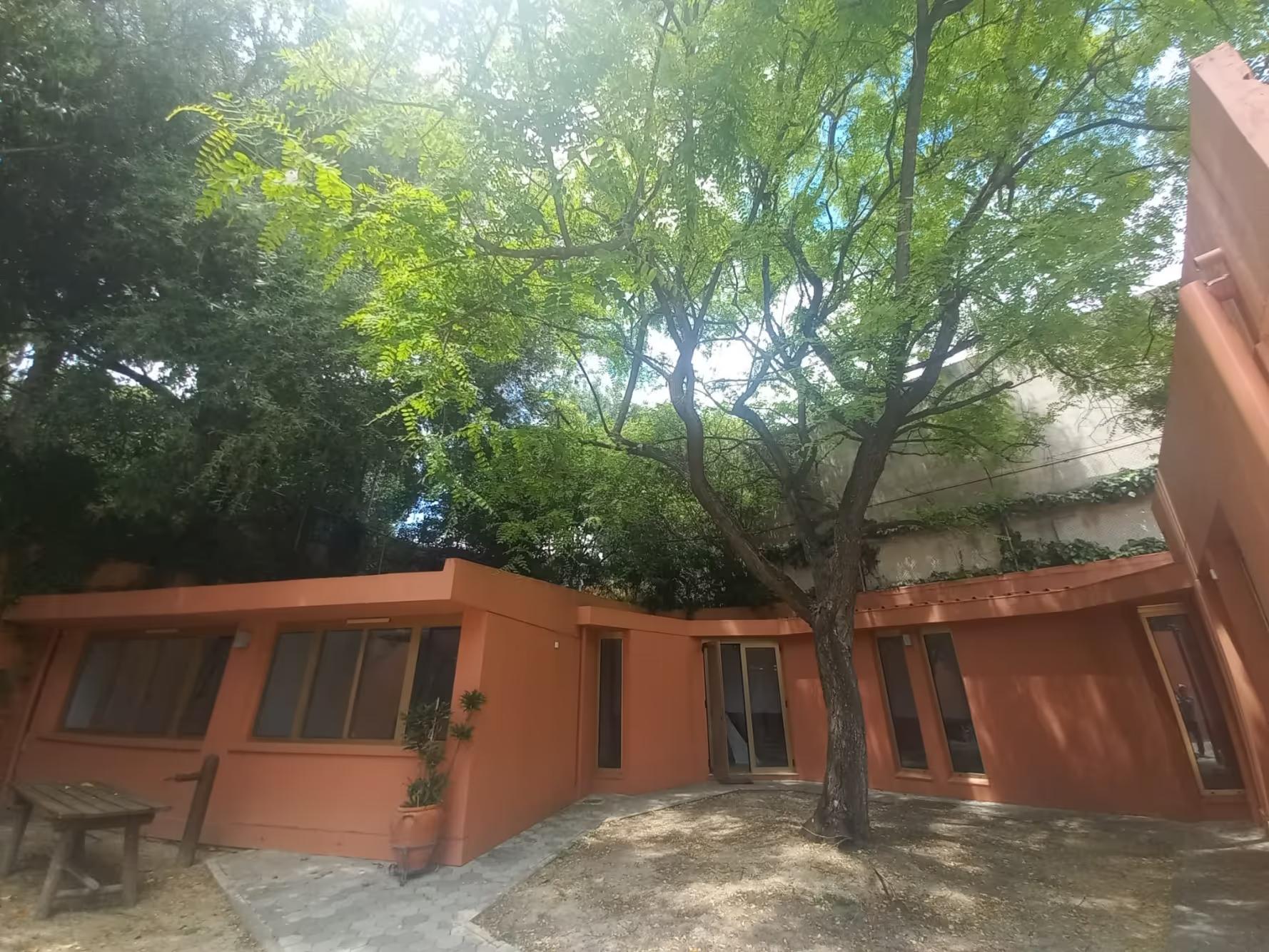
The Capacity Building Team supervises the interaction between the child and the family. The team intervenes in the relational dynamics of Birth Families whose children are in foster care, seeking to develop the parenting skills and capacities of these families, with the main aim of ensuring that the child can safely return to the family home. This team also acts in situations of high family conflict, when the court requests our intervention, in order to supervise the contacts and interactions of parents or relatives who do not cohabit with the child.
The Alvalade Capacity Building Centre (CCA), as part of the Directorate for Childhood, Youth and Family (DIIJF), carries out its work in the area of family empowerment and the promotion of parenting. Its intervention methodology is based on the creation of tailored responses, according to the needs of each situation, with sufficient flexibility to ensure that all are optimised for work with families. The CCA responds to intervention needs by taking a comprehensive approach to action, both in the context of prevention and intervention in situations of danger, and in addressing specific problems. Within the scope of parental empowerment, the activities developed include the possibility of intervention with families of children and young people at risk, families with children in foster care, families supported through the Family Meeting Point (PEF), and families in the community, focusing its work on the areas of parenting and early childhood.
We work with families of children who are placed in residential care homes or with foster families, and we are also about to launch a new intervention project aimed at preventing neglect and abuse, seeking to break the intergenerational transmission of these dysfunctional dynamics.
We have a residential care home, Santa Joana, for 12 children, where, from the first day of admission, the intervention is geared towards deinstitutionalisation, through a co-construction approach with the family, so that the child can safely return home.
We also have the Capacity Building Team, which supervises the interaction between the child and the family. It intervenes in the relational dynamics of birth families whose children are placed with foster families, as well as in situations of high family conflict.
Sapadores (São Vicente), Lisbon
Centro de Promoção Social Rainha D. Leonor
SCML
Category
Crèche (59 children capacity)
Age groups
4 – 36 months
Max participants
5 participants
Time
10:15 am (30 to 45 minutes)
Distance
20 min walk from Santa Apolónia
Specific rules for visitors
Photography of children is not permitted. For photos of the premises, permission must be requested from the person in charge on site.
Brief description
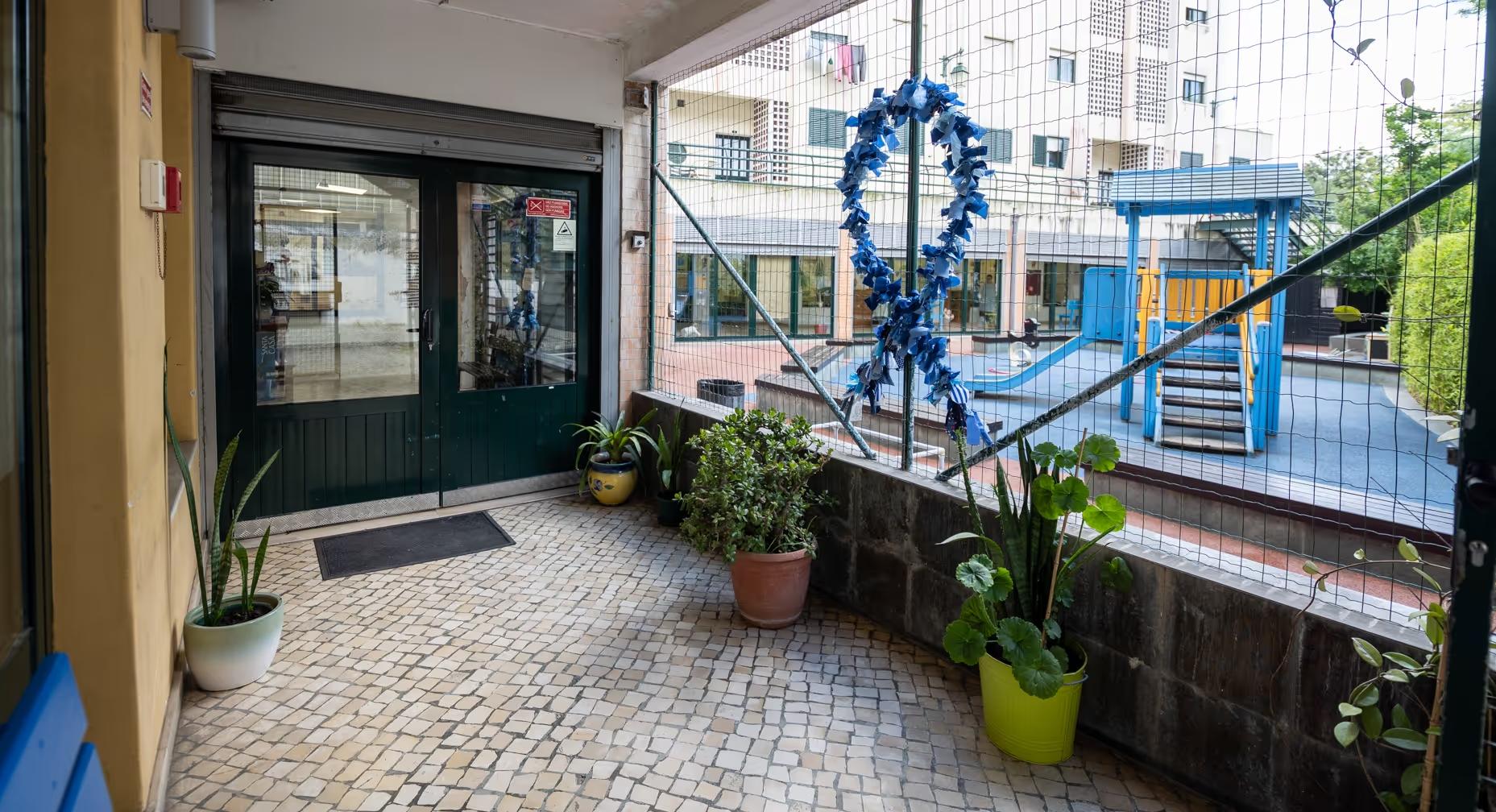
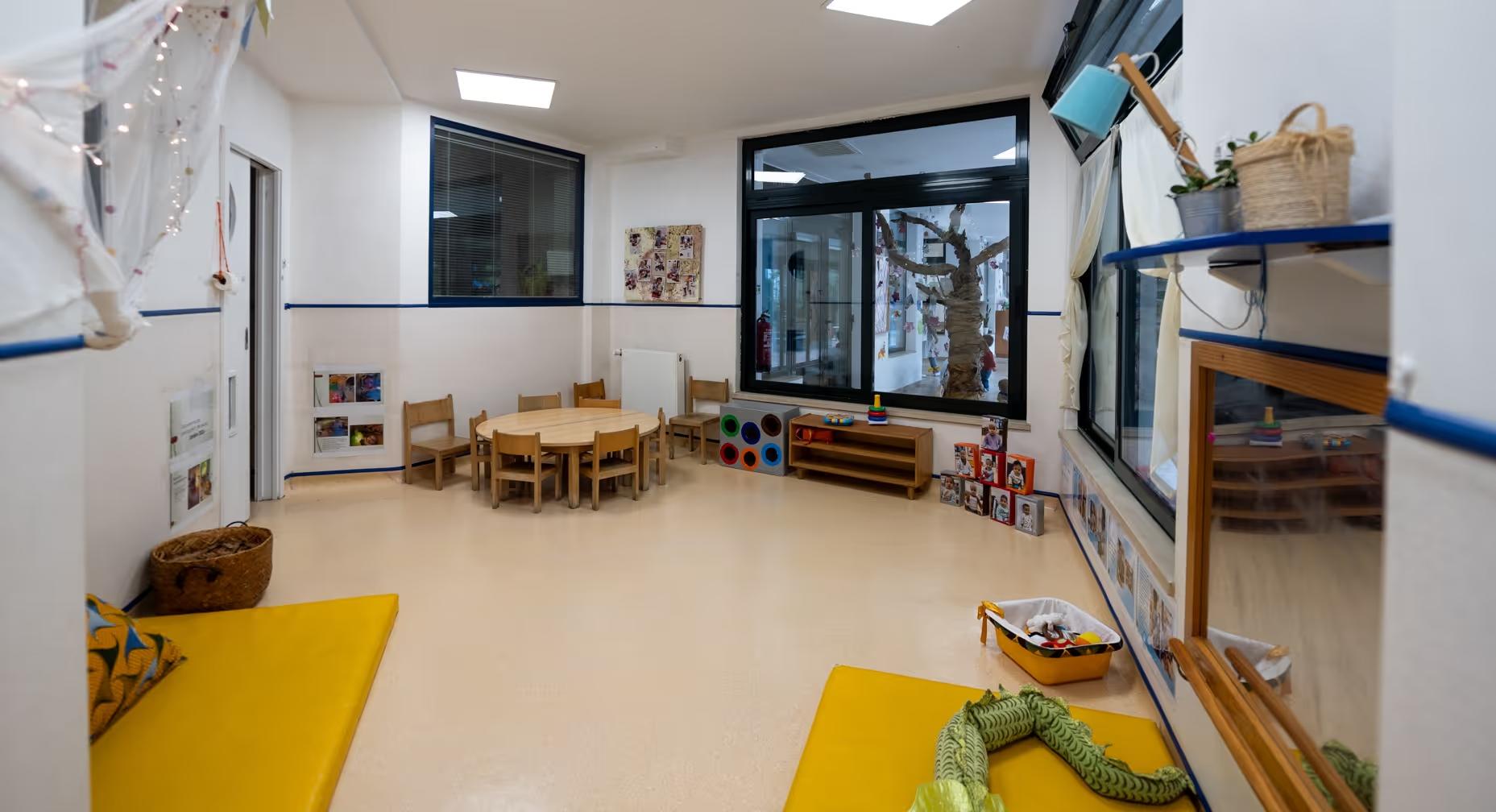
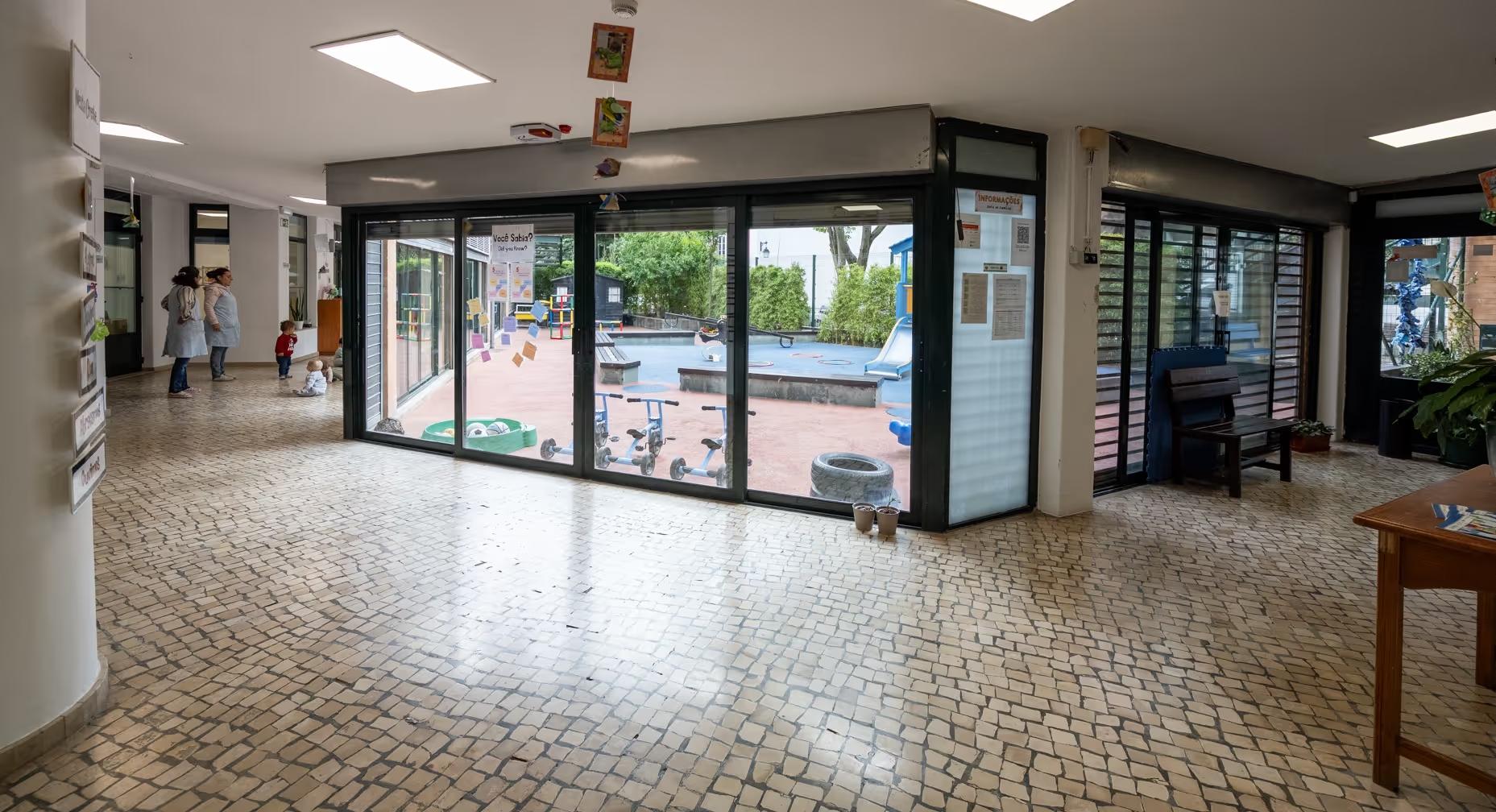
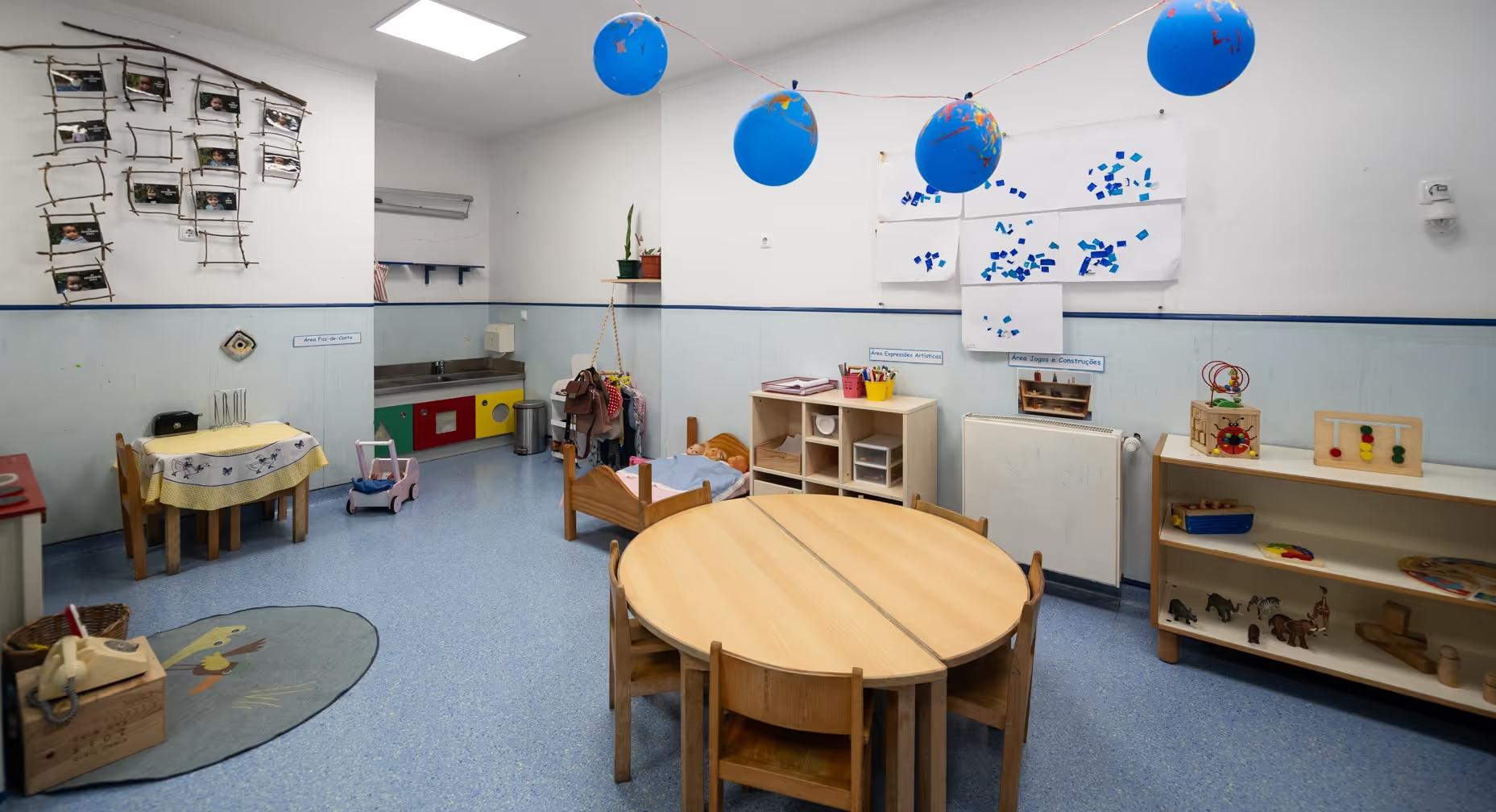
Centro de Promoção Social Rainha D. Leonor (Queen D. Leonor Social Promotion Centre) is an educational provision dedicated to early childhood, directly administered by Santa Casa da Misericórdia de Lisboa (SCML), and forms part of the Child Development Unit (Unidade de Desenvolvimento Infantil – UDI).
Located in the Sapadores area, in the parish of São Vicente, Lisbon, it operates from a Gebalis social housing building (Lisbon's municipal social housing authority). The setting occupies floor -1 of the building, with an independent entrance and an outdoor play area, providing a safe, welcoming environment adapted to the children's needs.
The pedagogical organisation of the setting is grounded in the Pedagogy-in-Participation model, a participatory approach centred on the holistic development of the child. The children are organised into four groups, according to age and stage of development:
- Nursery – 8 children
- 1-Year-Old Room – 15 children
- Mixed-Age Room – 16 children
- 2-Year-Old Room – 20 children
Each room is conceived as a space for learning, discovery and interaction, fostering the children's well-being, autonomy, socialisation, and emotional, cognitive and motor development.
As an institution embedded in a multicultural, urban community, the crèche places great value on building close relationships with families and on promoting inclusive educational practices, welcoming each child as an active participant in their own journey of growth and learning.
Penha de França, Lisbon
Júlia Moreira Foundation
Fundação Júlia Moreira — SCML
Category
Crèche (78 children capacity)
Age groups
4 – 36 months
Max participants
5 participants
Time
10:15 am (approximately 30 minutes)
Distance
30 min walk from Santa Apolónia
Specific rules for visitors
Video and photography of children are not permitted. For photos of the premises, permission must be requested from the person in charge on site.
Brief description
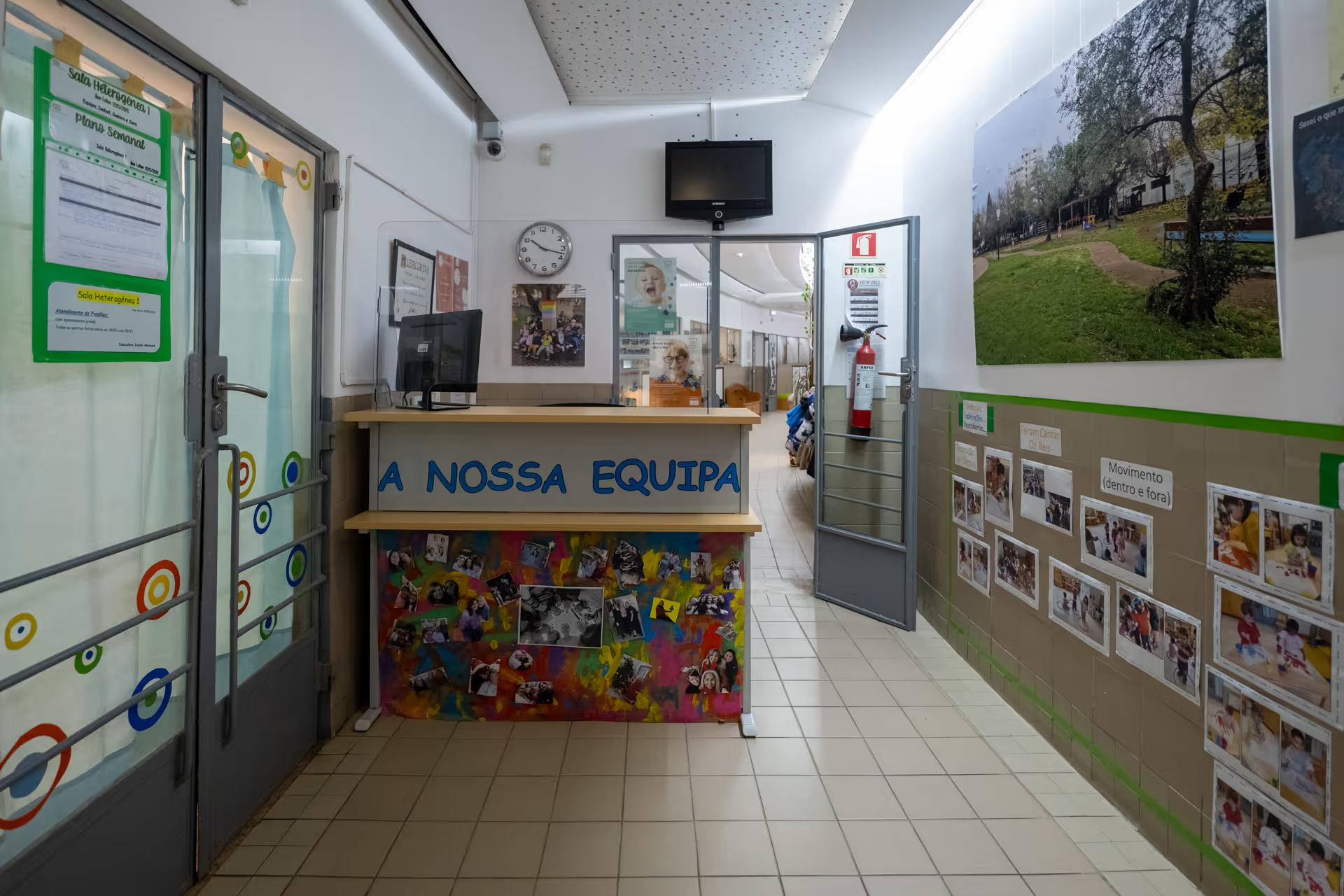
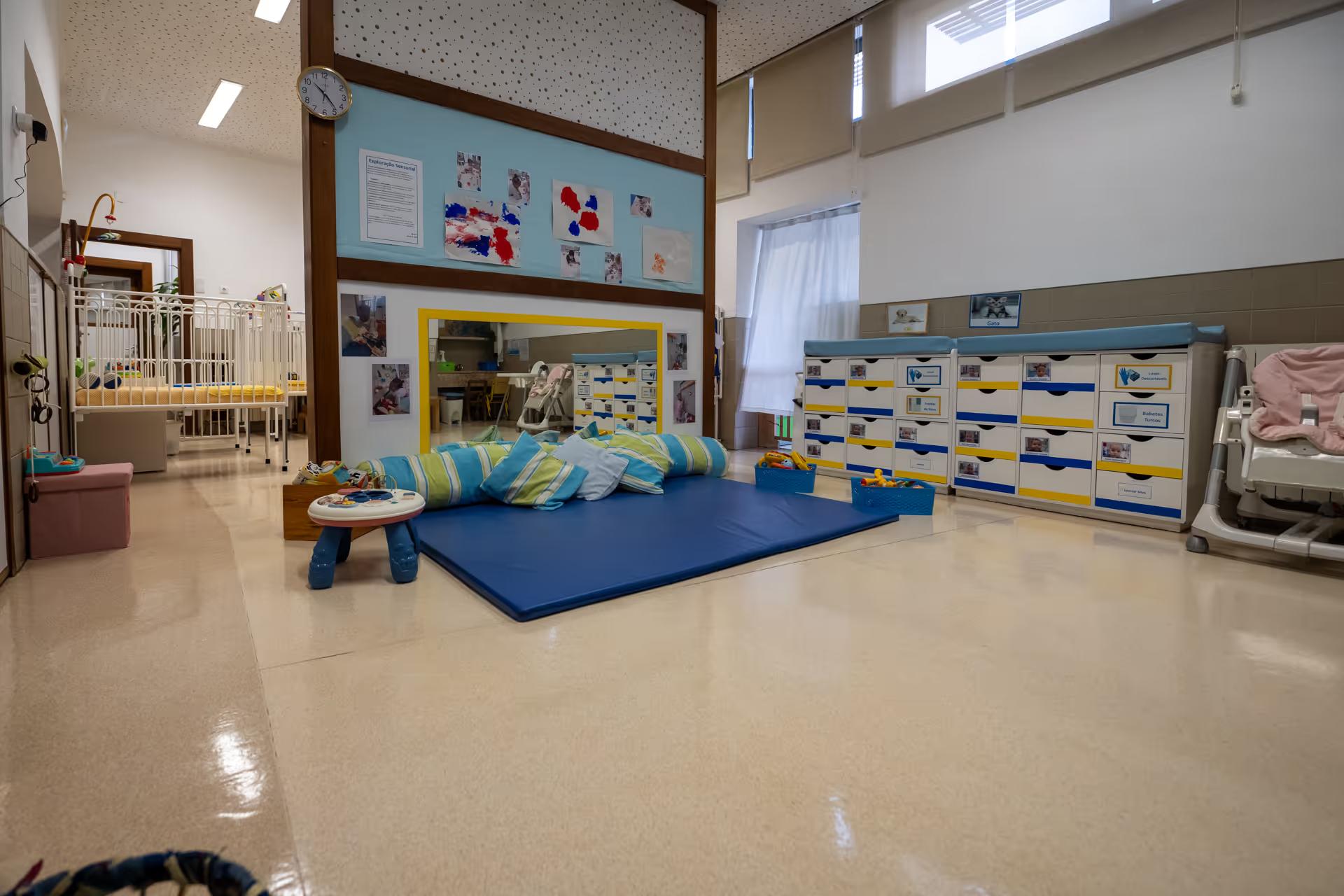
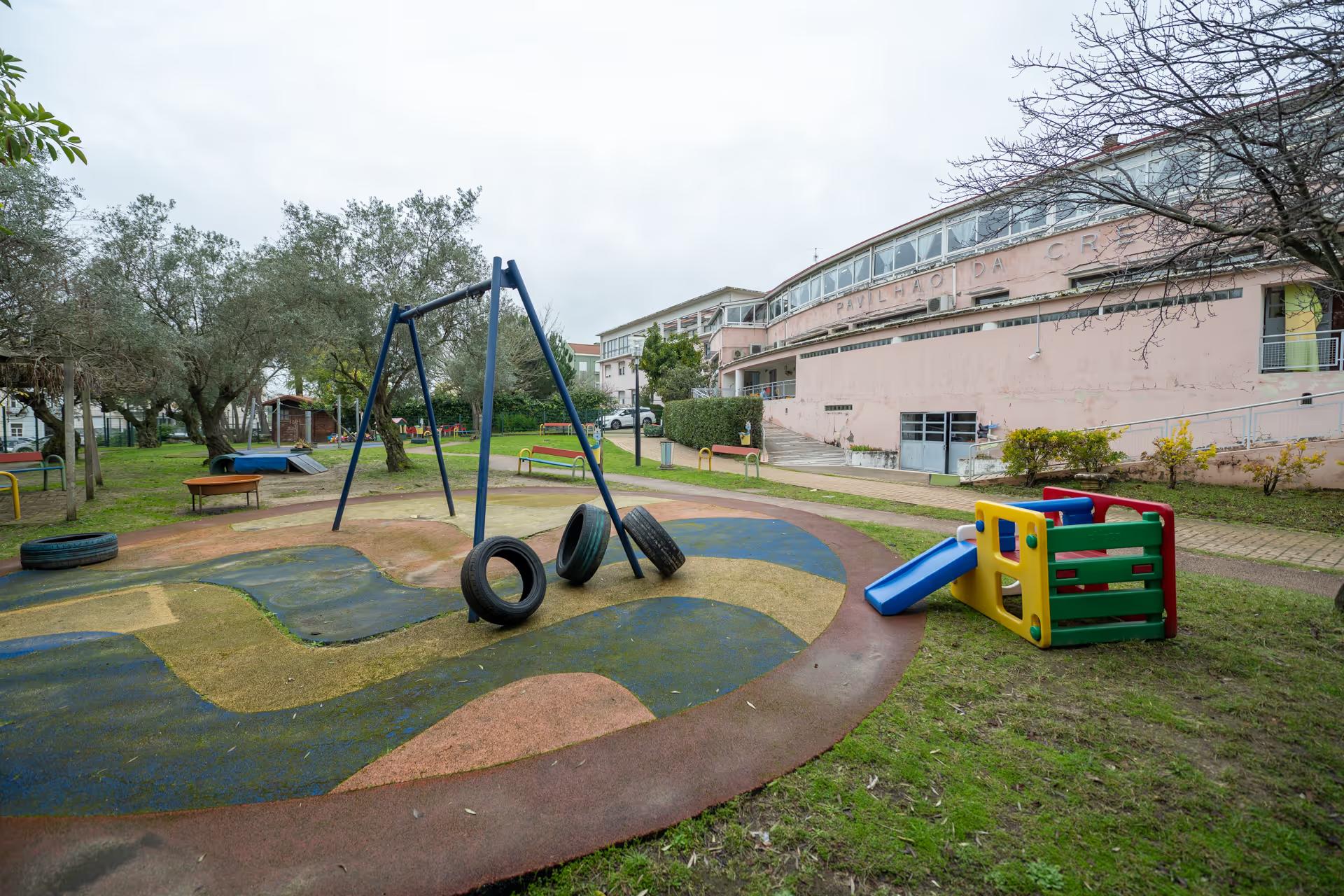
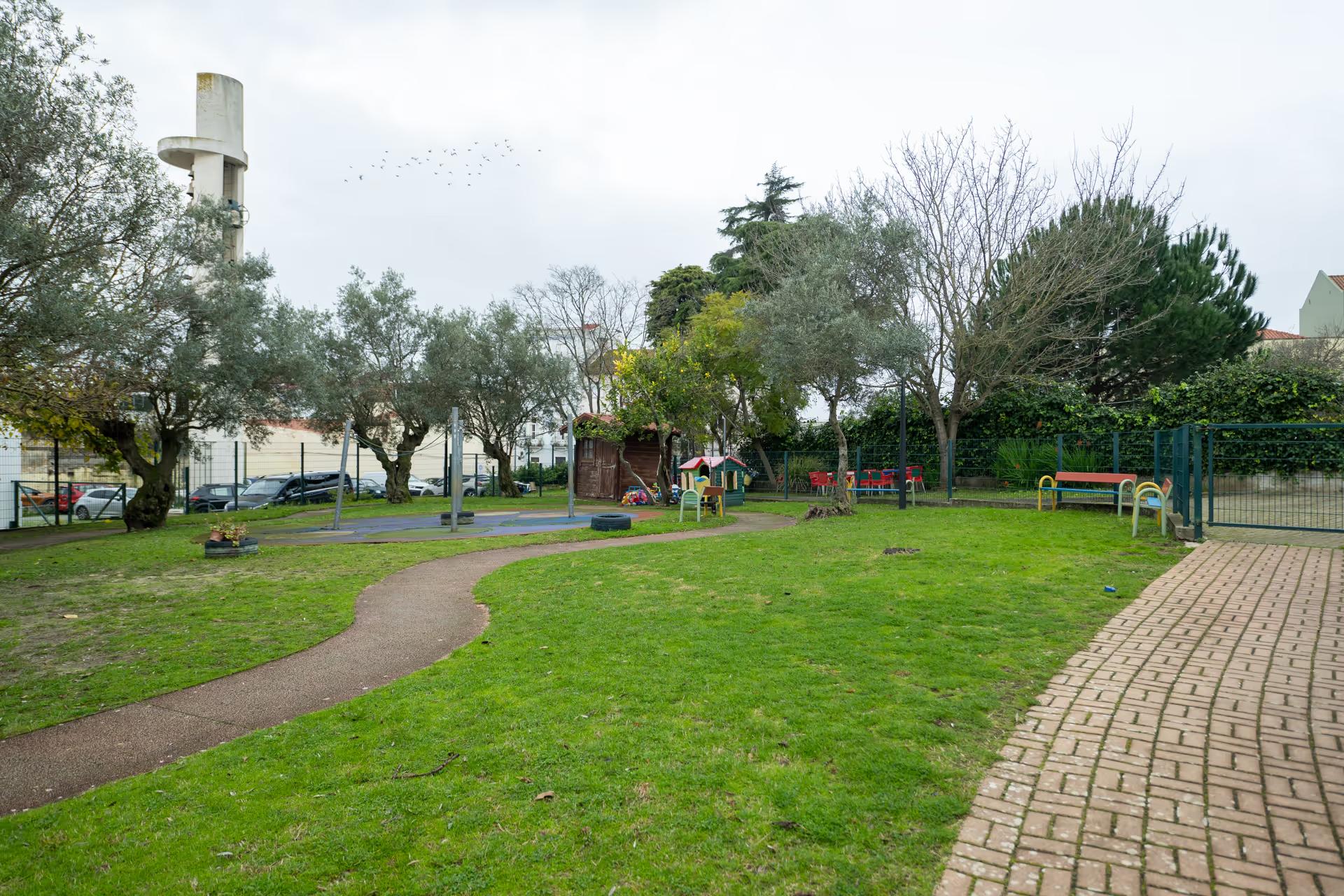
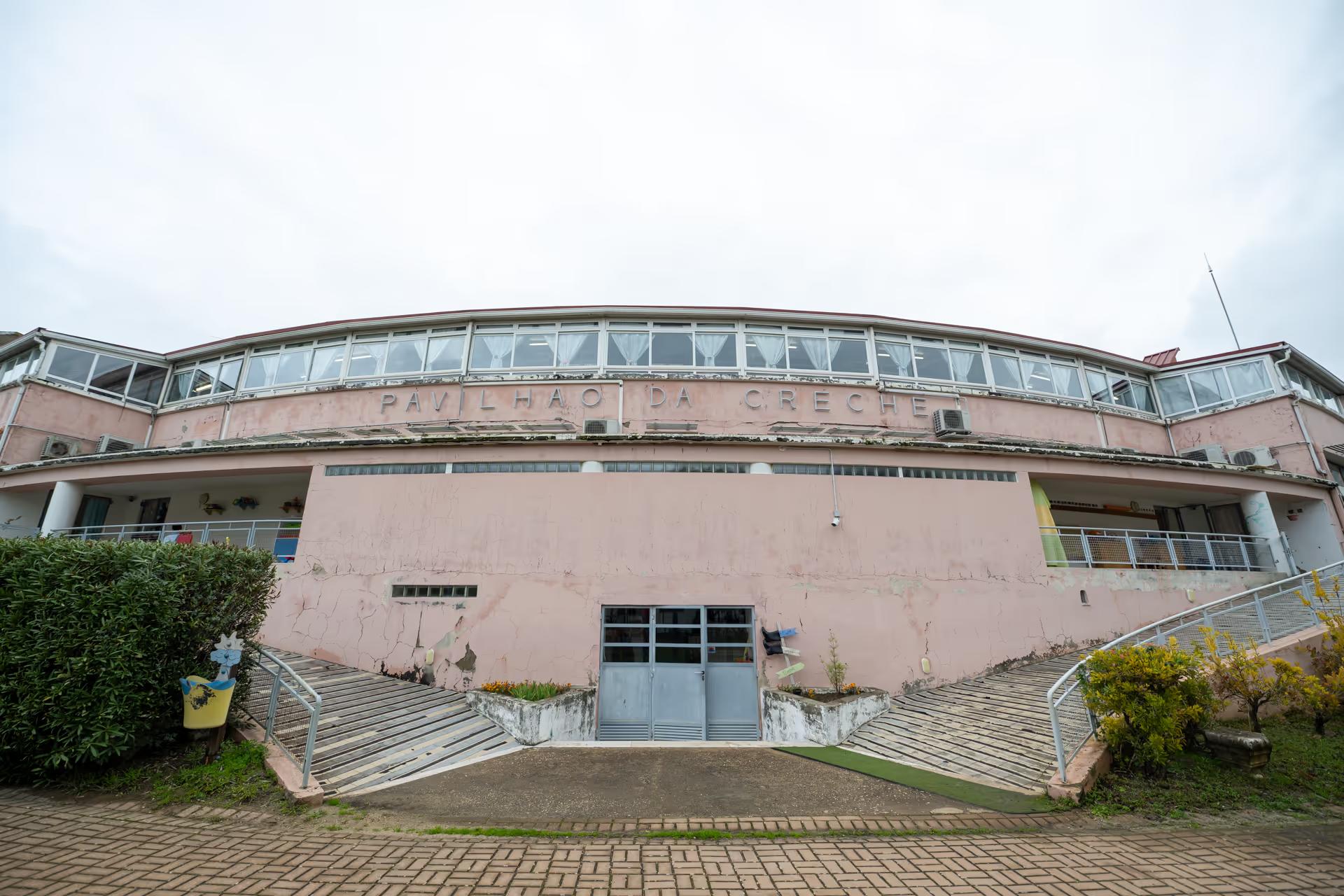
Júlia Moreira Foundation is an educational provision dedicated to early childhood, directly administered by Santa Casa da Misericórdia de Lisboa (SCML), and forms part of the Child Development Unit (Unidade de Desenvolvimento Infantil – UDI).
Located in the north-eastern part of central Lisbon, within the city's Historic Centre area, in the parish of Penha de França, it operates from a building that also houses the S. João National Health Centre – Júlia Moreira extension, and the Júlia Moreira APPACDM Centre (Portuguese Association of Parents and Friends of Citizens with Intellectual Disabilities), both under independent management. The setting occupies floors -1 and 0 of the building, with an independent entrance and two generously sized outdoor play areas featuring a diverse range of vegetation, providing a safe, welcoming environment adapted to the children's needs.
The pedagogical organisation of the setting is grounded in the MEM (Movimento da Escola Moderna / Modern School Movement) pedagogical model, a participatory approach centred on the holistic development of the child, guided by the core MEM principles: democratic ethos, communication, autonomy, cooperation, and the cooperative reconstruction of culture.
The children are organised into five groups, according to age:
- Nursery – 10 children
- 1-Year-Old Room – 16 children
- Mixed-Age Room 1 – 16 children
- Mixed-Age Room 2 – 16 children
- 2-Year-Old Room – 20 children
Each room is conceived as a space for learning, discovery and interaction, fostering the children's well-being, autonomy, socialisation, and emotional, cognitive and motor development.
As an institution embedded in a multicultural, urban community, the crèche places great value on building close relationships with families and on promoting inclusive educational practices, welcoming each child as an active participant in their own journey of growth and learning.
Marvila, Lisbon
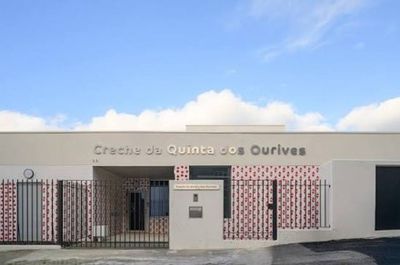
Creche B.a.Bá – Quinta dos Ourives
B.a.Bá — A Voz do Operário
Category
Early Childhood Education Facility – Day Care Centre (Creche)
Age groups
Children from 4 months to 3 years old
Max participants
10 participants
Estimated time
9:30 a.m. – 1 hour visit
Specific rules for visitors
Taking photographs of children is not permitted without prior authorisation, in accordance with privacy and data protection legislation. Photographs of the facilities may only be taken with the permission of the person responsible on site. Visitors are expected to follow the guidance of staff to ensure the safety and well-being of the children and the normal operation of the facility.
Brief description
B.a.Bá Nursery – Quinta dos Ourives is an early childhood education facility located in Lisbon. The building was constructed by the Lisbon City Council and is managed by A Voz do Operário, a Private Institution of Social Solidarity (IPSS). It provides day care services for children from 4 months to 3 years of age.
The nursery offers a safe, welcoming and developmentally appropriate environment where children learn through play, social interaction and age-appropriate activities guided by qualified early childhood education professionals.
Its educational approach focuses on promoting children's cognitive, emotional, social and physical development, while encouraging autonomy, curiosity and positive relationships. Families are encouraged to work closely with the educational team in supporting each child's individual development.
Campolide, Lisbon
Universo D – Children's Rights and Participation
Universo D — CML

Category
Children's rights and participation programme
Max participants
15–19 participants (min. 8)
Estimated time
10:30 a.m. – 2 hour visit
Brief description
Universo D is a programme developed by the Lisbon City Council dedicated to promoting children's rights, child participation and human values. Based on a systemic approach that places the child at the centre of intervention, it seeks to foster a culture of active citizenship, inclusion, respect for human rights and the prevention of risk behaviours.
The programme is structured around three components—Journey (Viagem), Luggage Centre (Centro de Bagagem) and Gatherings (Tertúlias)—and promotes awareness and reflection among children and professionals, encouraging a shift in the understanding of children's participation. Its guiding principles include active listening and the effective recognition of every child's right to express their views freely and to have those views taken into account in all matters affecting them.
The programme received a Local Government Excellence Award in recognition of its contribution to citizenship education and its positive impact on the community.
Arroios, Lisbon
Banco do Bebé
Baby Bank
Category
IPSS – newborn and family support
Age groups
Newborns and vulnerable families
Max participants
10 participants
Estimated time
10:30 a.m. – 1 hour visit
Specific rules for visitors
Taking photographs of children is not permitted without prior authorisation, in accordance with privacy and data protection legislation. Photographs of the facilities may only be taken with the permission of the person responsible on site. Visitors are expected to follow staff guidance to ensure the safety and well-being of the children and the normal operation of the institution.
Brief description
Banco do Bebé (Baby Bank) – Association for the Support of Newborns is a Private Institution of Social Solidarity (IPSS) based at Dr. Alfredo da Costa Maternity Hospital (MAC). Founded in 1996 and recognised as a public utility institution in 1997, it was established to respond to the needs of babies from socio-economically vulnerable families, initially supporting only those referred by the maternity hospital. Today, its work extends to babies and families referred by hospitals, healthcare services and partner organisations.
Its mission is to ensure that every newborn and their family begin life with dignity by providing the emotional, social and material support essential to their well-being. To achieve this, the Association has cooperation agreements with public hospitals providing maternal and child healthcare services.
Its work is guided by the values of life, family and solidarity, while promoting a sustainable and socially responsible approach. Most of its human resources are volunteers.
Areas of intervention:
- Home Support – Through regular home visits to families at risk, it promotes parenting skills, contributing to greater autonomy and social inclusion.
- Psychosocial Support – Specialised guidance and support aimed at promoting social inclusion and improving families' living conditions.
- Material Support – Distribution of baby kits, layettes, essential goods and infant formula to referred families.
- Hospital Ward and Neonatal Unit Support – Assistance provided to mothers and babies during their hospital stay.
- Human Milk Bank Support – Fortnightly collection of donated breast milk from volunteer donors and delivery to Dr. Alfredo da Costa Maternity Hospital.
- Food Bank – Distribution of food supplies to families experiencing economic hardship.
Partially funded by the Lisbon City Council, Banco do Bebé provides an excellent opportunity to learn about a well-established intervention model in the fields of early childhood, parenting support and the reduction of social vulnerability, developed in close cooperation with the healthcare system.
Marvila, Lisbon
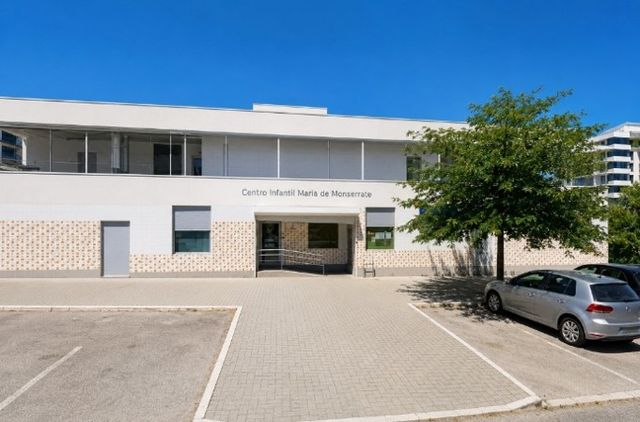
Creche B.a.Bá Maria de Monserrate Children's Centre (CIMM)
CIMM
Category
Day Care Centre (Creche)
Age groups
Children from 4 months to 3 years old
Max participants
10 participants
Estimated time
10:30 a.m. – 1 hour visit
Specific rules for visitors
Taking photographs or videos of children is not permitted without prior authorisation, in accordance with privacy and data protection legislation. Photographs of the facilities may only be taken with the permission of the person responsible on site. Visitors are expected to follow staff guidance and respect the daily routines in order to ensure the safety, well-being and smooth running of the educational activities for all children.
Brief description
B.a.Bá Nursery – Maria de Monserrate Children's Centre (CIMM) is an early childhood education facility built by the Lisbon City Council and managed by Caminhos da Infância, a Private Institution of Social Solidarity (IPSS) dedicated to promoting and protecting children's rights and development. The centre provides day care services for children from 4 months to 3 years of age, offering a safe, welcoming and stimulating environment designed to support their holistic development.
Its educational project is based on recognising childhood as a unique stage of life and on the belief that children learn best through meaningful relationships, play, exploration and contact with nature. Daily activities are planned to promote children's cognitive, emotional, social and physical development while respecting each child's individual pace and needs.
Families are regarded as essential partners in the educational process and actively participate in the life of the centre.
CIMM carries out its mission in accordance with the principles of Caminhos da Infância, promoting children's well-being through high-quality early childhood education, positive relationships and a strong commitment to inclusion, equity and collaboration with the community.