One of the strongest reflections emerging across the TOY4Participation project has been how powerfully event the youngest of children can bring people together.
Across different countries and communities, many partners began noticing that when children felt welcomed, engaged, and listened to inside the Play Hubs, stronger connections often started forming around them too, between parents, families, educators, neighbours, and local organizations. What began as spaces for children’s participation gradually became spaces for community connection more broadly.
Research has shown that child participation can strengthen intergenerational relationships, social cohesion, and community inclusion by creating more shared and responsive spaces between children, families, and communities (Percy-Smith & Thomas, 2010; Weckström et al., 2017).
In Zagreb, Croatia, the Play Hub brought together refugee families from the nearby asylum seeker camp alongside local Croatian families inside a cultural centre that became an important meeting point for the wider community. A multidisciplinary Local Action Team, including educators, NGO professionals, researchers, municipal representatives, and refugees themselves, helped shape and support the programme.
In Ukraine, Play Hubs operating during blackouts and air raids became important places where children and families could gather, maintain routines, and remain connected during periods of instability.
In Italy, language classes for mothers took place alongside children’s activities, while mobile Play Hubs helped reach communities living further away from existing services and opportunities.
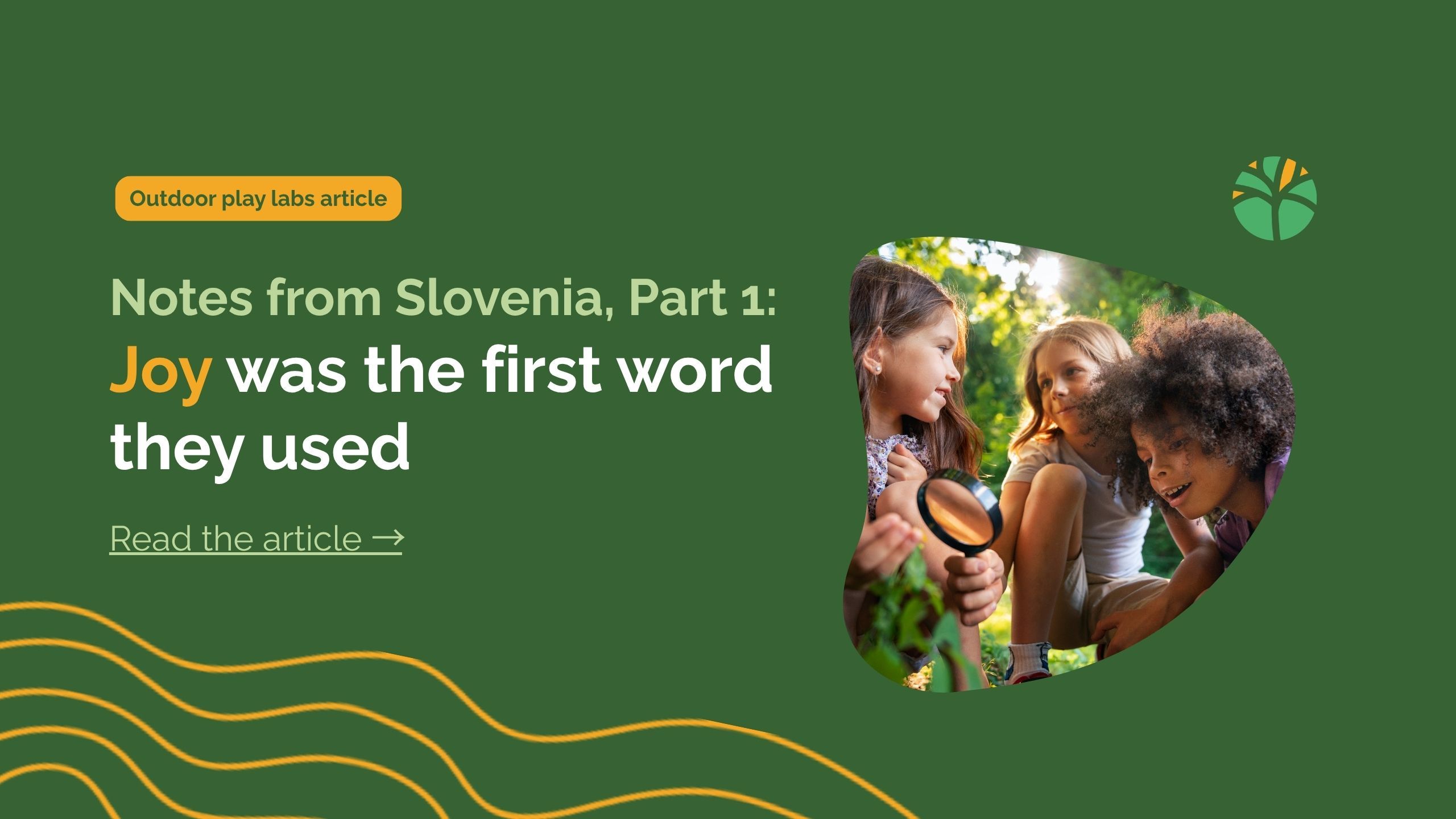
Elsewhere, the Play Hubs began creating unexpected local relationships. In Slovenia, visibility around one Play Hub led a nearby gallery to organize activities with families. In Hungary, one Play Hub coordinator became such a trusted local figure that new ideas began emerging around children’s spaces in libraries and wider community participation initiatives.
Several teams also reflected on how informal community spaces sometimes created opportunities for connection that felt harder to achieve in more formal institutional settings. Children often participated more freely. Parents engaged more naturally. Relationships developed gradually through regular everyday interactions.
And across many contexts, young children themselves became the starting point for those connections. Studies have found that children’s participation often encourages adults themselves to engage more openly with one another, particularly in informal and community-based settings. Through play, participation, curiosity, and shared experiences, they often helped create spaces where adults from different backgrounds could also begin building trust and relationships with one another (UNICEF, 2018).
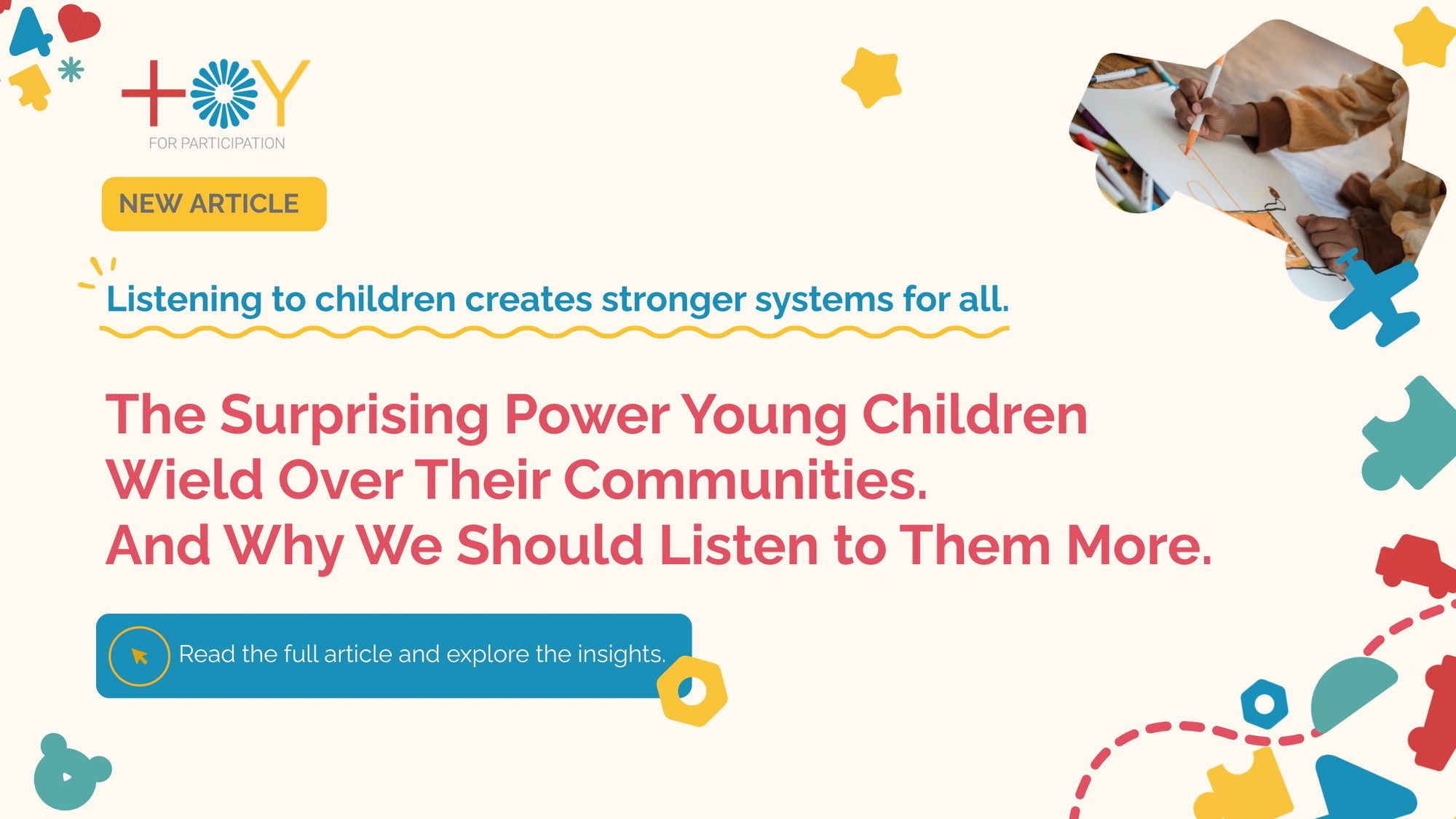
For many partners, this raised an important reflection: if young children can play such a powerful role in strengthening relationships and community life, then listening to their experiences, perspectives, and ideas becomes not only important for children themselves, but for communities as a whole.
References:
Percy-Smith, B., & Thomas, N. (Eds.). (2010). A handbook of children and young people’s participation: Perspectives from theory and practice. Routledge.
UNICEF. (2018). Every child’s right to be heard: A toolkit for children’s participation. UNICEF & Save the Children.
Weckström, E., Jääskeläinen, V., Ruokonen, I., Karlsson, L., & Ruismäki, H. (2017). “Steps together: Children’s experiences of participation in club activities with the elderly.” Journal of Intergenerational Relationships, 15(3), 273–289.