Integrated Systems for Early Childhood
Every child grows up in a place
Towns, villages, neighbourhoods, that is where the crèche is, and the playground. The health visitor who knocks on the door, the family doctor parents count on, the kindergarten teacher who notices that something isn’t quite right.


When those people and places work as one system, children thrive. When they don’t, when the health service doesn’t know what the preschool knows, when a service exists but no parent has heard of it, when the only speech therapist in town serves four thousand children, children fall through the gaps. And the children who fall furthest are almost always the ones who could least afford to and would mostly need such support.
Integrated Systems is ISSA’s work on closing those gaps. We help local governments and their partners see their whole early childhood system, understand what families actually need, and build a strategy that holds it all together.
What we do
-
We bring the early childhood sectors to the same table
Health, education and social protection each hold a piece of the picture. Under the leadership of the local authority, we bring them together — with families and frontline professionals — so the whole picture becomes visible for the first time.
-
We put local evidence at the centre
Every process starts with a situation analysis: what services exist, who is using them, who isn’t, and why. It is built by local people with local data, and it often surprises them.
-
We turn analysis into a locally owned strategy that gets funded
A report that sits in a drawer changes nothing. Our method is built around the political decision points — mandate, approval, budget — so that the plan becomes a commitment the municipality owns.
Why this works
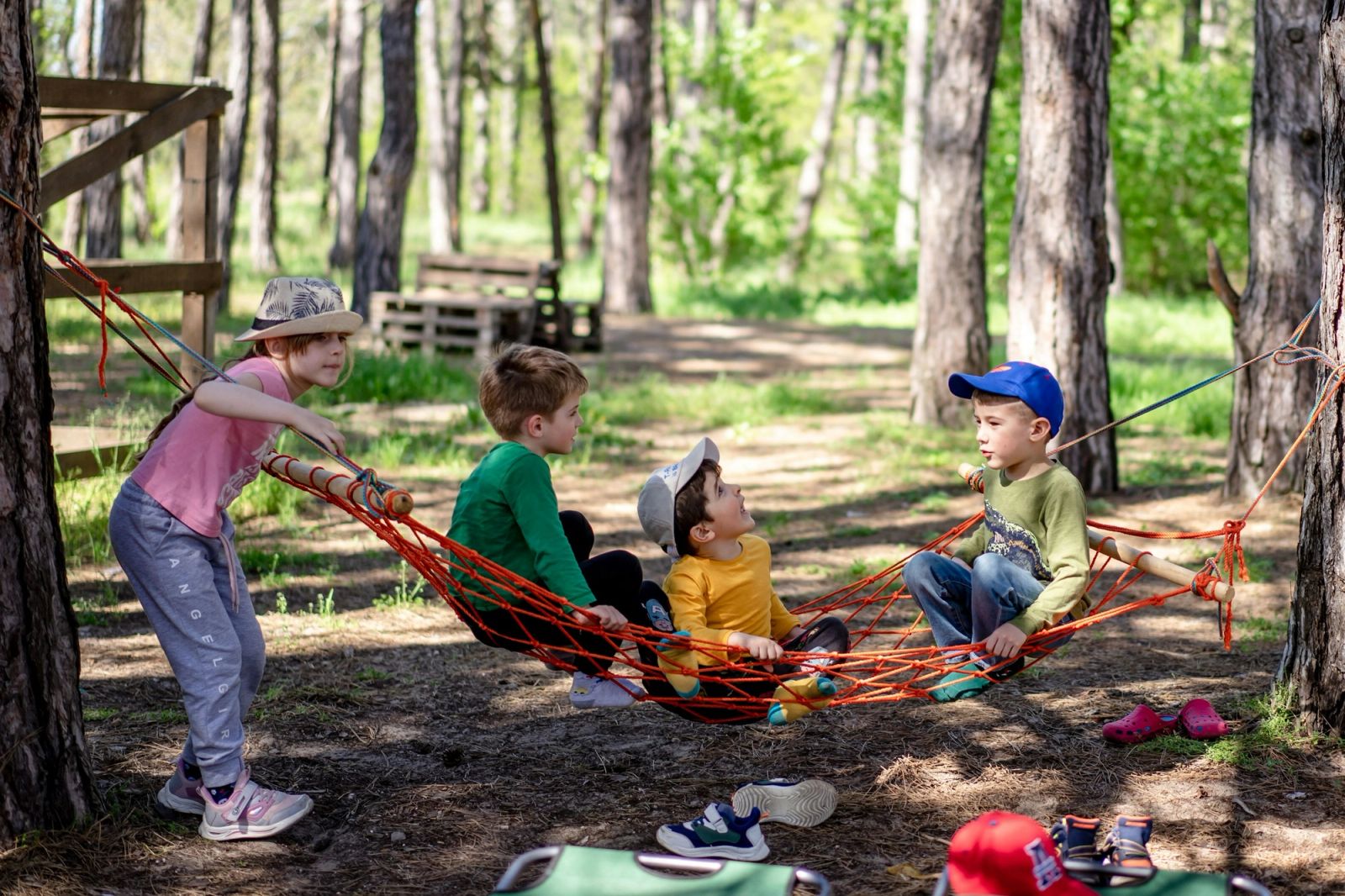
Primokiz starts from what the community has and what it needs. Local authorities, professionals, families and other community members build a shared picture of existing services and resources, who is benefiting from them, where the gaps are, and what children and families actually need. From there, they identify the best local solutions: connecting or improving what already exists, adapting services so they reach people better, and creating new responses where something is missing. The result is not a predetermined package of services, but a locally owned strategy grounded in evidence, participation and real demand.
Where we’ve worked
- 40+
- Municipalities have been through the process, across four countries
- 4+
- countries: Romania, Slovenia, Hungary, Slovakia, with more countries joining in 2026
- 30+
- local early childhood strategies developed by 2025
- 9700+
- children, parents, professionals and residents documented as consulted in situation analyses,
Who this is for
-
Local and national governments
How it worksA structured approach to understanding local needs, strengthening coordination across sectors, and making evidence-informed decisions about services, resources and investment for young children and families.
-
Researchers
Where we’ve workedSituation analyses, baseline and endline evaluations, and strategies from four countries described through country examples.
-
Funders
Impact and dataA method with a documented track record, an honest account of what it costs and what it takes, and evidence of what happens after the funding ends.
-
NGOs and future implementers
Work with usISSA licenses this approach to members and partners after a structured know-how transfer and a cycle of implementation.
In their words
Bringing to the same table specialists from the three sectors involved in early childhood — social, education and health — contributes to finding the best solutions for the development of services intended for this age segment.
Victor Laurențiu NeghinăMayor of Onești, Romania · 2022 We in the municipality and in the local action team have gone from, ‘Oh, there goes that extra work again’, to, ‘Wow, that’s really good!’ In fact, we were already quite excited after the very first meeting.
Neja GašperšičLocal Coordinator, Bled, Slovenia · 2023 Before starting the programme, we thought we were working well, but this programme revealed communication problems between professionals.
István AnnusMayor of Békéssámson, Hungary · 2024
Follow the work
Updates on integrated early childhood systems, new countries joining, and new resources.