Knowledge Hub
All the resources stored here have been created by ISSA Members
or ISSA Secretariat in partnership with Members or partners.



Course on the ISSA Principles of Quality Pedagogy
Inclusion of a course on the ISSA Principles of Quality Pedagogy for fourth year students at the Kazakh Women's University in Almaty, and three methodological training centres in Kysyforda, Zhambul, and Semey regions with co-financing.
Published in:
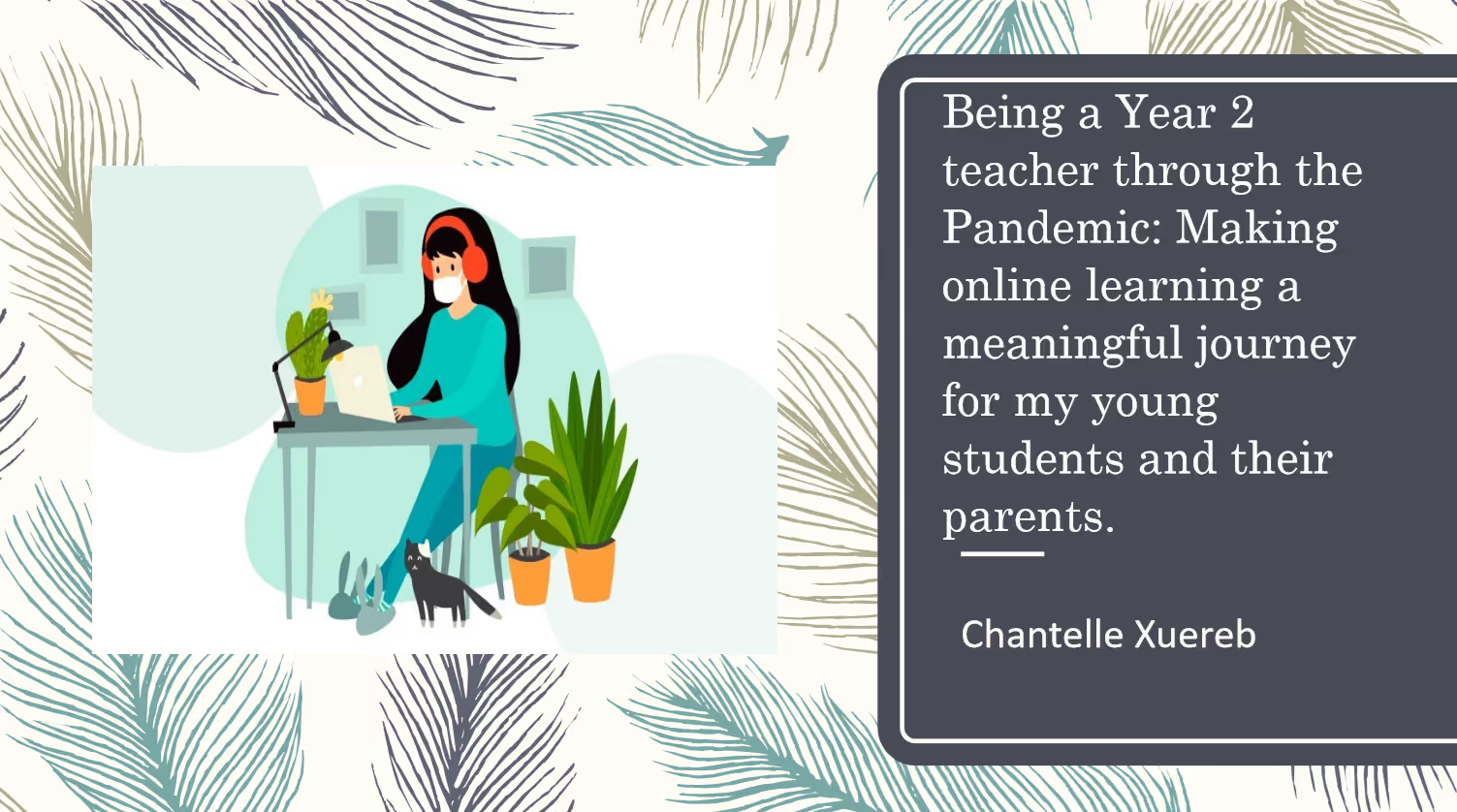
Coping with new methods of teaching during COVID-19
This presentation shows how one early childhood educator managed to cope with the new method of teaching – online learning with Year 2 students. She explains how to make online learning a meaningful journey for her young students and their parents. It served as an example of good practice to early childhood educators in ECDAM.
Published in:
Comenius Foundation for Child Development Shares a Method for Scaling-Up with the ISSA Network
Established in 2003 by a group of psychologists, pedagogues and community workers, ISSA Member Comenius Foundation for Child Development (Comenius Foundation) inspires adults to create environments in which all young children can develop, explore and use their potential. The organization provides equal opportunities for children that help them to become open-minded individuals. To implement that, Comenius Foundation has innovative systemic and legal arrangements and a wide variety of effective childcare projects.
Comenius Foundation is mostly focused on the wellbeing of children from rural areas and small towns, children from economically and culturally neglected communities. Foundation’s activities are targeted towards non-governmental organizations, representatives of local governments, parents, teachers, librarians, animators, and children directly. On the national level, Comenius Foundation promotes the educational needs of young children through publishing, preparing reports, conducting research, organizing conferences. On the local level, the organization provides training, projects, and consultations to rural municipalities and non-governmental organizations to help them introduce developmental and educational services for young children which equalize their life chances.
Comenius Foundation would like to share their experiences with up-scaling playgroup services for children a few months old to three or four years of age, within and outside Poland. The up-scaling methodology can be used for other programs as well as playgroup projects. The playgroup project offers meetings for young children and their parents or caregivers under the guidance of an animator. A playgroup makes it possible for adults to accompany their children in the classroom, which contributes to their children’s sense of wellbeing, helps parents enhance their parenting skills, and strengthens parent-child relationships. The Playgroups Plus project helps young unemployed mothers with job searches.
“I am very thankful for the playgroups that have been set up for our children, where they can feel at ease,” says Jumagul from Tajikistan – a mother of Mehron, a girl with right-sided paresis. “The children learn and play together. During breaks, they wash their hands, eat fruit or have tea with biscuits. Each child has their own towel. After these meetings, at home, Mehron is able to act independently and helps to set the table, bringing spoons, tea dishes, and towels. I am very glad that my daughter is assisting me.”
Playgroups Plus was a pilot project. Now Comenius Foundation would like to scale it up! The aim is to determine the project's potential to improve the ability of young mothers to advance their professional careers in Early Childhood Education and Care services.
Are you an ISSA member with experience in this area? The Comenius Foundation would love to hear from you.
Published in:
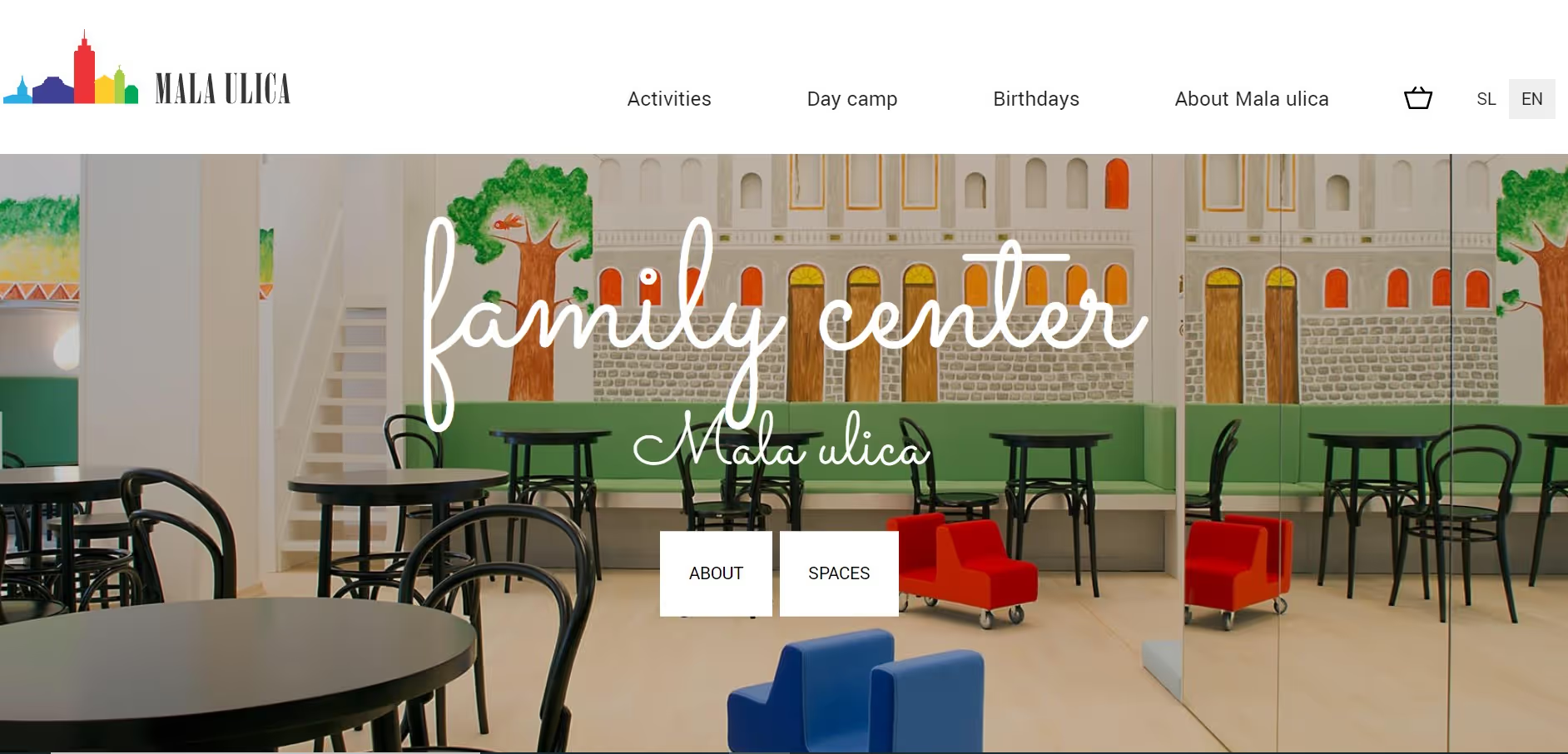
Childeas - Tiny Little Thoughts
With the project “ZAMISLICE” (CHILDEAS – Tiny Little Thoughts), ISSA member from Slovenia, Mala Ulica wished to acquaint all new parents with the importance of early interactions. They provided parents with a pendant that can also serve as a pram mobile – a small, but important gadget that offers 30 handy cards with ideas for simple activities with babies which promote the child's overall development, anywhere, any time. In addition to description of a concrete activity, each card contains a brief explanation of why this activity is important and how it will foster child development. That was the way to encourage parents and stimulate them to engage with children in meaningful interactions, making them aware that all sorts of activities, even if they seem inconsequent, such as singing, dancing or counting fingers are more than simple games. That they are activities that intensely promote the development of children's brain. And shape their future.
The material for “Zamislice” is developed in cooperation with the Pedagogical Institute and the Community Health Centre Ljubljana. Zamislice are presented and given to parents at their first baby health check by the pediatricians in Ljubljana. The project has various options for upgrading, e.g. the same accessory for toddlers (1–2 years, 2–3 years and 4–5 years), a mobile application and web site with instructions for early learning, etc., which Mala Ulica is planning to realize and implement in the future. The results of numerous research papers in the fields of neuroscience, developmental psychology, pedagogy and other disciplines prove that experiences up to the third year of children’s life have an extremely strong influence on the realization of their social, physical and mental potential. Children's brains develop the fastest in the early years of life and thus create the basis for learning in the future. The future of our children and consequently the future of our society are therefore first and foremost in the hands of their parents.
Published in:
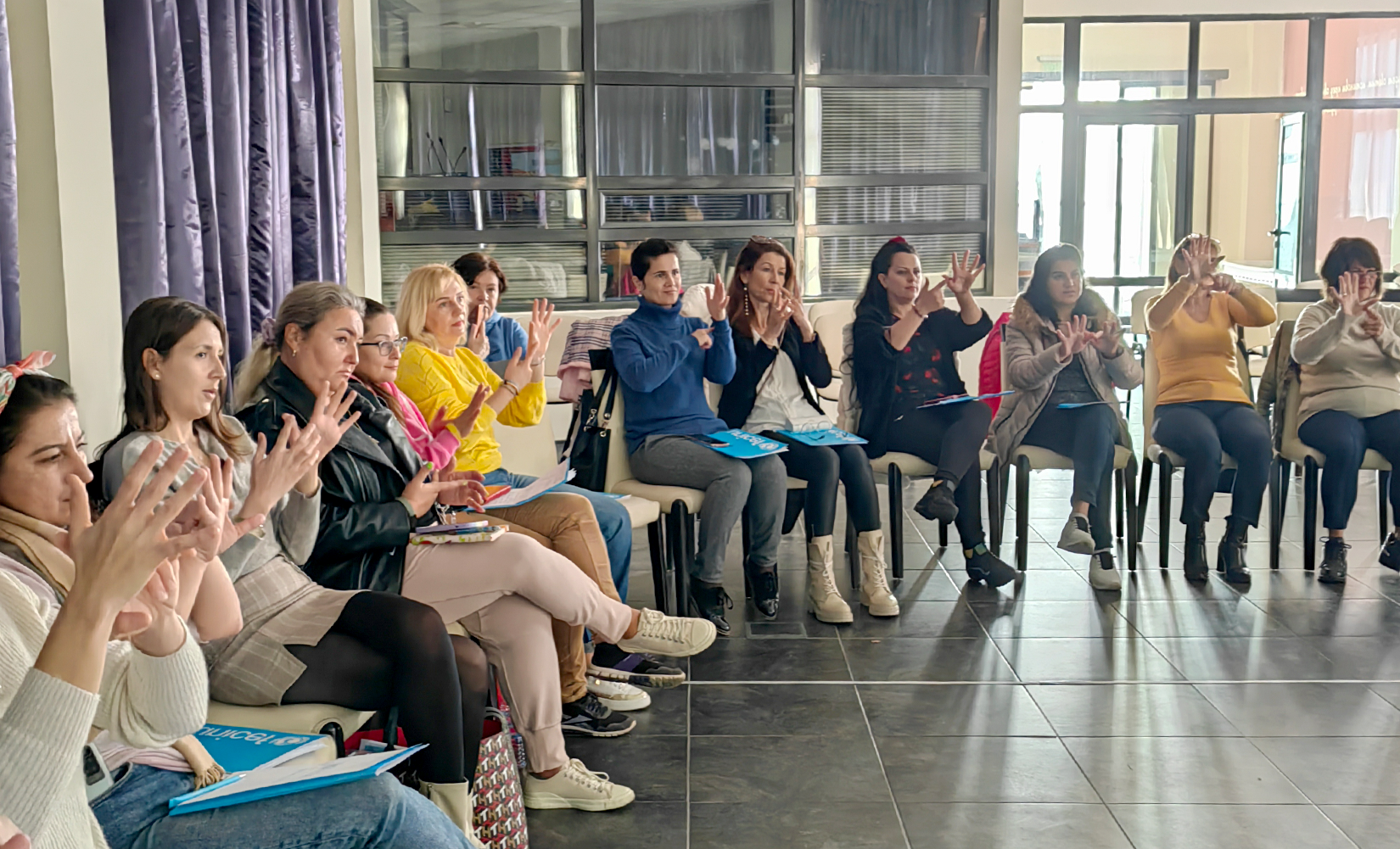
Bulgaria’s five largest cities receive psychosocial support training
Following the outbreak of the war in Ukraine, NGOs around Europe had to act swiftly to respond to the needs of families with young children fleeing Ukraine. While the necessary infrastructure was set up quickly, the early childhood development (ECD) workforce was not adequately prepared to support children who have been through traumatic experiences. For Ukrainian children living in Bulgaria, their fear, anxiety, anger, sadness, and grief are compounded by being away from their homes, schools, relatives, and peers, adjusting to a new country, and uncertainty about their future. In this new reality, the ECD workforce needs the proper tools to protect their mental health and support the children they work with.
In 2022, War Child Holland, ISSA Member, Amna, and ISSA joined forces to develop and deliver a training of trainers titled Foundational training on psychological first aid and trauma-informed practices. In cooperation with UNICEF, ISSA Member For Our Children Foundation recruited highly qualified ECD professionals to be trained as master trainers to deliver the foundational training in Bulgaria. They were then grouped, ensuring that each had a balance of professionals with knowledge of the ECD systems and experience working directly with children and families. Since this training, and with support from UNICEF Bulgaria, For Our Children Foundation, successfully trained 103 ECD professionals, by coordinating a series of workshops on psychosocial support and trauma-informed care for those working with refugees and migrant children.
To realize these workshops, For Our Children Foundation created a plan detailing the potential target groups, training dates, and suitable venues. Master trainers delivered these trainings in Bulgaria’s five largest cities—Sofia, Plovdiv, Varna, Burgas, and Stara Zagora. These cities have the largest number of ECD services, which allows For Our Children Foundation to scale up expertise. This will not only strengthen the capacity of the ECD workforce, but also ensure sustainability and further utilization of the training’s resources. Furthermore, with assistance from local authorities, For Our Children Foundation identified and invited early years and social services professionals that have been heavily involved in the refugee crisis.
In Stara Zagora, trainers from Mission Wings Foundation, an organization with many years working to support migrants and refugees, conducted a training with frontline workers with diverse backgrounds and experiences. In addition, workshops hosted in Burgas and Varna reached many Ukrainian children and families fleeing the war. Representatives of UNICEF’s Blue Dot hubs—safe spaces where children and families can get practical support on their journey—also joined these sessions. Meanwhile in Sofia and Plovdiv, For Our Children Foundation’s ECD centers hosted the workshops.
For Our Children Foundation has received overwhelmingly positive feedback from both participants and master trainers. The enthusiasm of those trained will allow For Our Children Foundation to establish effective and sustainable professional learning communities, to boost the skills and knowledge of professionals.
Photo on the left (training in Plovdiv); Photo on the right (training in Sofia)
Photos courtesy of For Our Children Foundation.
Published in:
Building of Early Childhood Intervention in Ukraine
Early Childhood Intervention (ECI) services started to develop in Ukraine as an initiative of NGO organizations in 2000. During the last years, ECI has been actively developing in several Ukrainian regions. A Consortium of Ukrainian and international organizations started in 2008 lobbying for the development of a mational ECI system in Ukraine. The consortium consists of SOFT Tulip, four NGO from different regions of Ukraine and the National Assembly of People with Disabilities, which are actively involved in the process at regional and national levels. The consortium formulated a national plan for the development of ECI. The expertise of the Ukrainian organizations was complemented and strengthened by the work in cooperation with SOFT Tulip and the European Association on Early Childhood.
On 14 December 2016, the Ukrainian Cabinet of Ministers approved a governmental order regarding the piloting of ECI policy and service provision in four pilot regions of Ukraine (Kharkov, Lviv, Zarkapattya, Odesa). The four regions were chosen because of the already existence of ECI centers and expertise on ECI. The centers are meant to serve as resources and to provide coaching to colleagues developing their services. The piloting early intervention programs in these regions are envisaged to provide other regions with a tested and systematic framework for developing ECI services together with important lessons learned. The four regional governments and many local and regional stakeholders from the medical, social and educational fields are very motivated to participate in the pilot project. An important milestone in the process was the creation of a policy platform.
On 13 April 2017, a Memorandum of Understanding (MoU) was signed by the Ministry of Health, Ministry of Social Policy, Ministry of Education and Science, SOFT tulip, European Association on Early Childhood Intervention (Eurlyaid), UNICEF Ukraine and three Ukrainian NGOs – the National Assembly of People with Disabilities of Ukraine, CF Early Intervention Institute, CSO “All-Ukrainian foundation for children rights”. The main objective of the Policy Platform is to promote cooperation and interaction between the parties in the development of common approaches and build the capacity for an early intervention system in Ukraine. Both the governmental order and the MoU recognize the importance of ECI for Ukraine; of the role of the involved ministries; of the importance of multi-disciplinary and cross sectorial cooperation; of the role of civil society actors, including ECI service providers and parents of children with developmental delays and disabilities; of building good practices in the four regions as basis for the national system of ECI; of the involvement of international and national experts; and the importance of ECI for the prevention of the institutionalization of disabled children.
Published in:
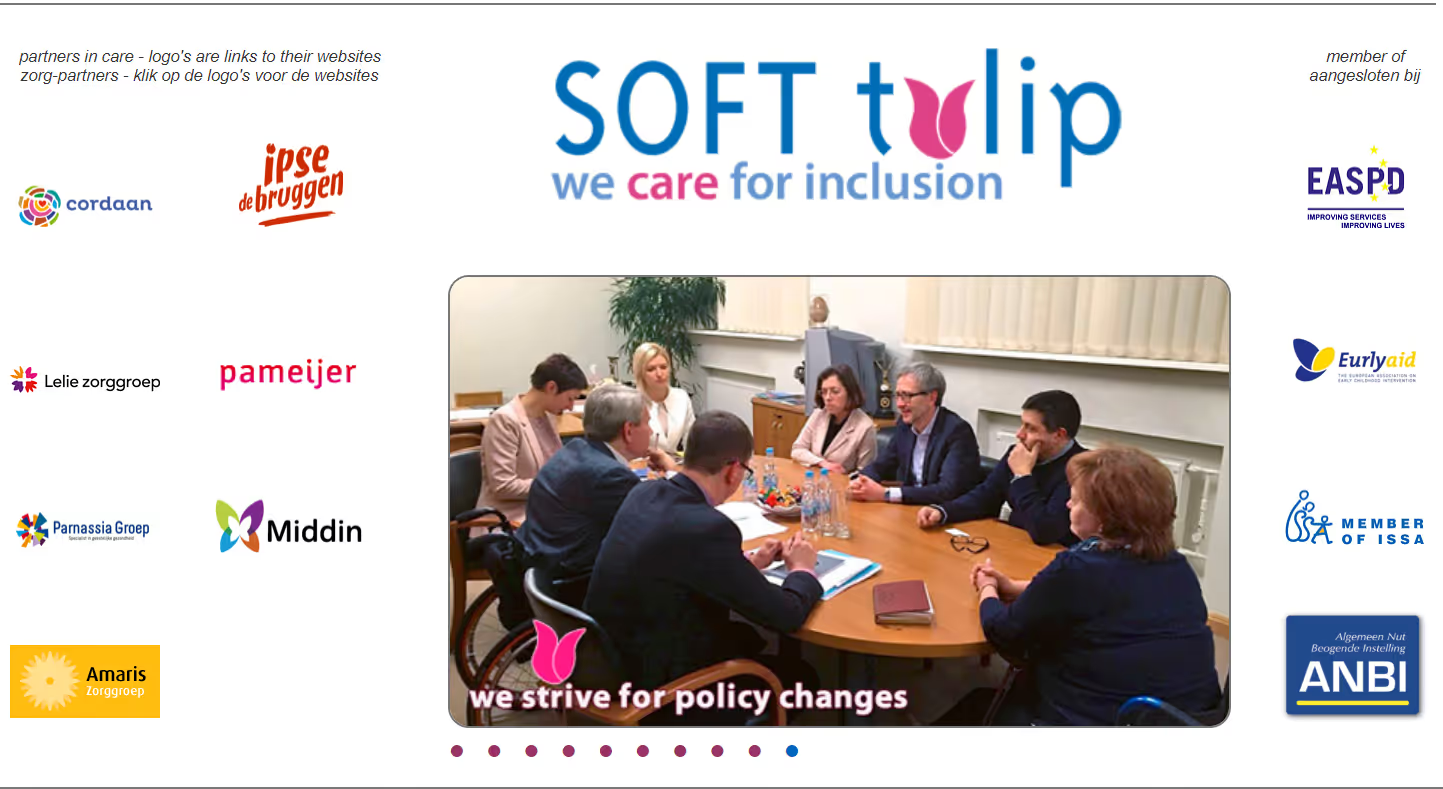
Building of an Early Childhood Intervention system in Ukraine
The intervention “Building of an Early Childhood Intervention system in Ukraine” is based on the strategy that was developed for building four good ECI practices in four pilot regions and combines lobbying and advocacy at the regional and national level. The experience gained during the four pilots form the basis for the policies at the national level.
At the national level we stimulated the creation of the National Council on ECI; to develop national policies, regulations and financing mechanisms; for coordination and lobby & advocacy; and for the input from the NGO ECI service providers and parents organisations from the four pilot regions. The health, social policy and education sectors and NGO actors are stimulated and encouraged by the consortium partners to work in partnership. A train the trainer course for ECI professionals was provided and a national team of certified trainers is created.
At the regional and local level, the ECI systems are developed in practice. The four pilot practices feed in the policy development on both regional and national levels, for which coordination is needed between all stakeholders. Civil servants from state bodies and state and NGO care providers are informed about and trained in the principles of ECI, and in multi-sectoral and multi-disciplinary work. The ECI concepts are realized in the four existing NGO ECI service providers (who are recognized as the ‘methodological centers’). In the four pilot regions, ECI policy platforms are developed on community, city, rayon, and regional level. Meanwhile, the government approved six more pilot regions based on the experiences in the four initial pilot regions. Other governmental and non-governmental institutions are introducing ECI concepts in their work. In 2020, 31 ECI-teams operate in 10 regions. To ensure the quality of ECI services, training and supervision of the staff is crucial. NAPD, SOFT Tulip and the Ukrainian network of four ECI centers operate as an informal consortium from where the dialogue with all mayor stakeholders takes place. Simultaneously, the All-Ukrainian Parents Forum for Early Intervention (AUPFEI) is functioning in 10 regions. The parents’ forum pro-actively advocates for ECI services at the local, regional and national levels. The purpose is to mobilize NGOs, established and led by parents, and strengthen their potential to effectively advocate for ECI by providing training, network building, developing communication and relationships at the local, regional and national levels.
An important aspect of the strategy are the many training sessions for ECI professionals, that have been provided by care experts from the network of Dutch care service providers, affiliated to SOFT Tulip.
Published in:
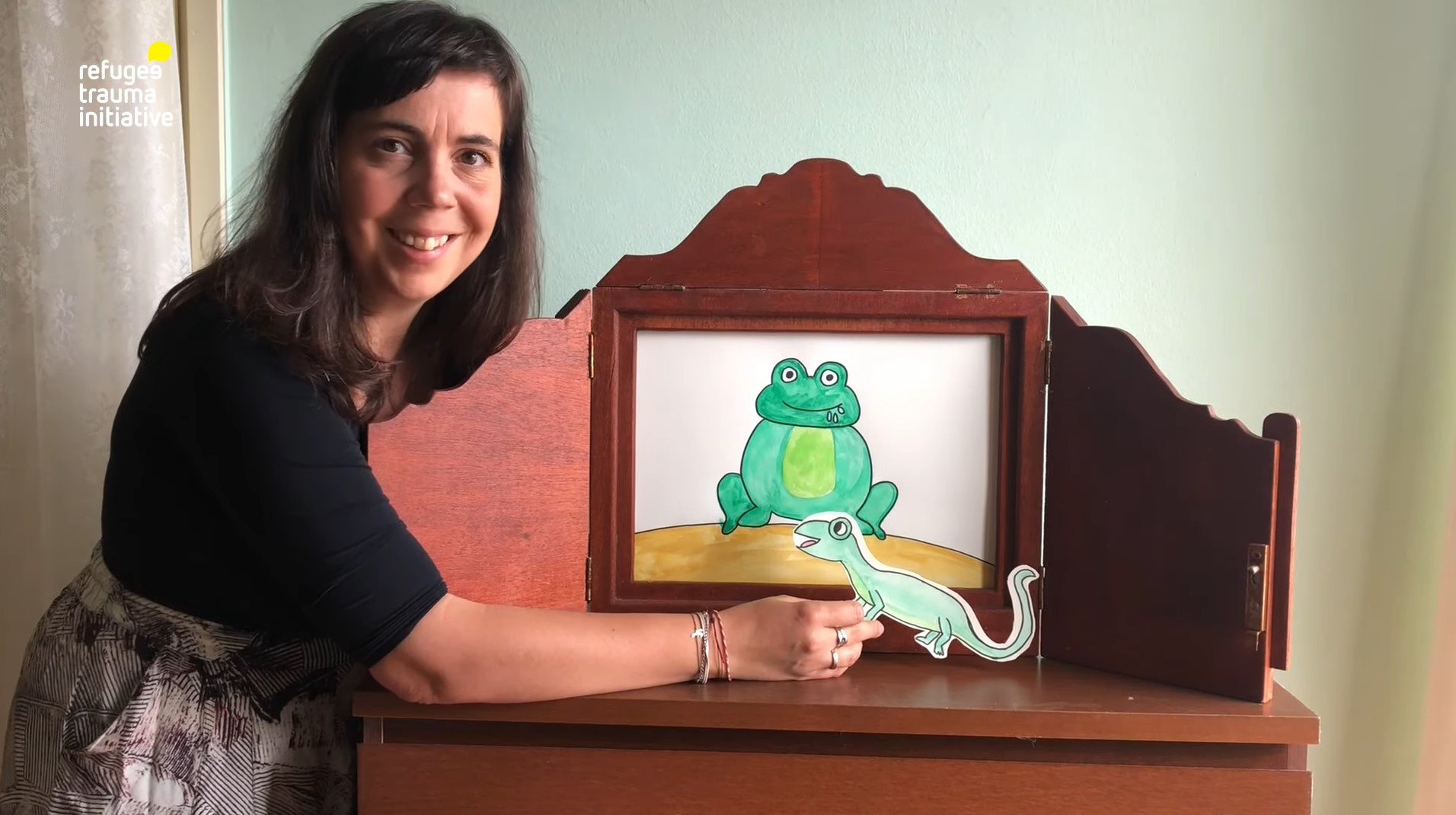
BLOG: Caring at a Distance – Psychosocial Support for Refugee Children in Greece
In March 2020, when the COVID-19 pandemic led to a strict lockdown in Greece, playful and in-person interactions suddenly came to a halt at the Baytna program - an early childhood program developed by Refugee Trauma Initiative (RTI) for refugee children and their caregivers. To continue to support vulnerable families emotionally and socially, RTI and its network of partners created a range of multimedia and psychosocial resources, available online in several languages, for Baytna families and beyond.
Children growing up in conflict zones, experiencing displacement, or amid multiple deprivations are at risk of trauma and toxic stress which can interrupt healthy development. In such settings children are less likely to receive the protection, safety, and nurturing care and stimulation they need to meet their developmental milestones.
In Greece, there are 120,000 displaced individuals, including children and their families, many of whom are living with the effects of trauma alongside on-going stress, uncertainty, and adversity. For the past four years, Refugee Trauma Initiative (RTI) has been delivering Baytna - a trauma and identity-informed early childhood development program specially designed for refugee children and their caregivers living in Greece, with a focus on psychosocial support. Baytna program is funded by Help Refugees and Open Society Foundations.
In designing Baytna (which means ‘home’ in Arabic), we followed what the science tells about the power of creative expression, play, and relationships for healthy development and healing from adversity. It relies on in-person interactions between facilitators, children, caregivers and trauma- and identity-informed learning environments that are created.
Since mid-2019, we scaled up Baytna through a network of local organisations who we train and provide ongoing mentoring as part of a year-long capacity building program. As of early 2020, Baytna was running at five sites across Greece: two in Athens, and three in North Greece - Thessaloniki, Polikastro and Katerini.
Supporting displaced families amidst COVID-19
In March 2020, when the COVID-19 pandemic spread worldwide and Greek authorities began a strict lockdown, thousands of displaced families were suddenly forced to stay at their residence, and the usual nurturing interactions at Baytna became impossible as centres had to close.
It was important to continue supporting the families who attended Baytna so that they felt emotionally and socially supported - receiving care, feeling connected with a community, and having Baytna-inspired activities to do. In addition, consultations with people from displaced communities revealed the need for remote and innovative psychosocial support.
Online psychosocial support for families
Responding to the needs of displaced people, we developed psychosocial activity ideas for parents and their children - a taste of Baytna at home - which required either no materials or simple household items. The activity ideas for children from different ages were translated into various languages, both written and audio recordings, and shared with the families via the local partners (e.g. by text messages or phone calls).
We, together with our partners, co-created interactive resources and videos for families, leveraging different strengths and the combined collaborative power of the Baytna network. These resources have been shared across social media and are available on RTI’s website.
Some examples include:
- Movement with Marianna, RTI
- Storytelling with Vaseilia (Athen’s Comic Library), Fatima (OCC) and Vasiliki, RTI
- Music and singalongs with Sofia and Miltos, Perichoresis
- Relaxation with Marianna, Elix
Simultaneously, we worked with partners to deliver activity care kits to families. These contained arts, craft, storytelling, and hygiene materials, as well as simple toys and posters. These were another sign of solidarity and continuity of Baytna program to families.
At times, caregivers reached out to Baytna facilitators to share their enthusiasm and gratitude for the activity ideas and videos, and to ask for advice about how to use them. Elix – a partner in Eleonas refugee camp in Athens - shared that caregivers asked how to modify the activities and also that some children recognised the activities from Baytna sessions and would teach their parents to do the same with excitement. Another Baytna partner - Athen's Comic Library - received videos from families of them trying out the activities at home, sometimes with their own unique approach.
It was very encouraging to see the Baytna activities and resources being shaped and adapted, as they were intended as inspiration to spark imagination, play, and bonding between children and their caregivers.
New era of programming
As Greece began lifting its lockdown from May 2020, the Baytna network has started to launch in-person programming again. The online resources will continue to be shared and created digitally. RTI colleagues share that it has been a joy to allow children who had already been attending Baytna to reconnect with their facilitators, if only by video, and to continue programming at a distance. It is even a greater joy to welcome children who live in other parts of Greece or in the other countries to access Baytna activities for the first time – and website statistics demonstrate the wide reach of the resources so far.
The Baytna network now has a growing bank of psychosocial resources and multimedia which are already being brought into their sessions. These can be used for any future lockdown situations, and to support RTI when training new Baytna partners. The recent collaborations have also strengthened the network and the connections between Baytna partners, fostering collaboration, sharing of ideas and development of language resources.
The COVID-19 crisis has reminded us of the power of a network, with shared values and vision, in responding with agility to changing needs of the communities we work with. Together, we can help to ensure that displaced children across Greece receive nurturing and quality care, and flourishing futures, amidst challenging and changing circumstances.
Written by Evelyn Wilcox, Head of Knowledge Management, Refugee Trauma Initiative, in collaboration with RTI team
Pictures:
1. Vasileia, a Storyteller and Baytna Facilitator at Athen's Comic Library, as she created a Baytna video
2. Activity sets sent to families during the COVID-19 lockdown.
Published in:
Blended Learning is the Apex of Education Nowadays
After many years of experience in the country, ISSA Member Step by Step Albania has encountered an unprecedented situation after the lockdown due to COVID-19 outbreak was announced. Focused on the professional development of teachers, the organisation reaches more than 4 000 educational practitioners with its training and ECEC resources.
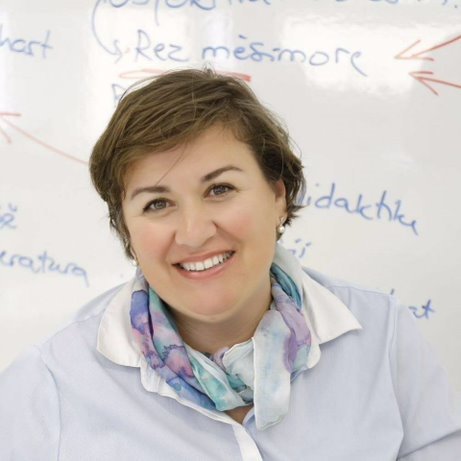
To respond to the current crisis, Step by Step Albania director Gerda Sula explains how they have supported practicioners in a holistic way: from technical issues such as migration to an online learning setting to emotional and social aspects, such as coping with stress and anxiety in uncertain times. With schools being reopened, a new phase is about to begin. Gerda is sure it will bring many positive lessons, for instance, the ones that lead towards more blended education system in Albania.
- Gerda, what is the current situation of the ECEC services in Albania?
- Schools restarted in Albania at the beginning of June. However, the ECEC community is worried about the measures that will be implemented. Children are requested to maintain social distance from their peers and follow strict rules of movement within the school. In Early Years setting this is simply not possible. We know that playing with the same toys, exchanging experiences, touching each other play an essential role in the development of the young child. Observing these rules in not only not realistic, but we also believe that it might hurt children psychologically. For them it is very difficult to make a good distinction between physical distance for health reasons and their friend being the enemy - the suspicious one who might have the virus. This can really hurt the children’s social development. During the early years, a child is still in the operational state in which things around her or him have to be visible in order to make sense. We are lobbying for the Ministry of Education to revisit this protocol because we find it logistically unrealistic and harmful for children. The only exception to this rule are the creches and kindergartens which have been open already because they are seen as social service to support parents in their daily work. Also, high schools are already open for a very short time so that teenagers can do their final exams.
- What solution does your organisation propose in order to accomplish this new phase in a better way?
- We have very few coronavirus cases and parents are starting to go to their workplaces. However, since schools remain closed, they try to find informal care for their children like neighbours and relatives. This sort of parking solution doesn’t benefit the child and shouldn’t last longer. Thus, in order to restart the school facilities in a good way, we believe that it would be better to relax the unrealistic measures and be creative. Summer temperatures are already here, so teaching can be done outdoors, bringing the class furniture outside as well, and remaining flexible as weeks go by. This can be a great opportunity to practice learning through play, allowing kids to enjoy each other, lessening the pressure on the scolarisation of the youngest children – a phenomenon which is very present in our country. It focuses on pre-reading and pre-writing skills at kindergarten level instead of learning what they are supposed to in a fun and engaging way. We hope this new situation will bring more attention to this.
- How are practitioners dealing with this changing situation?
- All teachers understand the need to reopen for the economic activity to continue, and they feel much more supported by parents and society in general. Thanks to the lockdown, parents are appreciating much more the work of the Early Years Education teachers than before. They used to think it was mainly about taking care of their children and now they have realized that it is much more and that playing means learning, that social and cognitive skills develop this way. Having said this, teachers have experienced a lot of stress due to the need to quickly migrate online, with no support at the national level. The first case was diagnosed on March 9th, and that same day the country went on the total lockdown. There had been no time to prepare, and theachers hadn’t acquired skills to work online. They had to start with what they had. For example, WhatsApp groups that they already used with parents before, became the essential communication tool for them.
- How has Step by Step Albania supported teachers and which actions have you implemented during the lockdown?
- We provided webinars on how to use different online modalities such as Zoom and Google Classroom. Via our social networks, we sent activities that could be shared with parents at home, giving continuity to the holistic development of the child on which the school setting was based. At the beginning, there was a huge resistance to online teaching and now teachers have embraced it in a very positive way. At the same time, we have been working with the national radio stations so that they include more programs for kindergarten education. This was possible via the channel that they already had that is dedicated to compulsory education’s home learning. We also had a great help from young volunteers whom we have trained to show parents how to practice homeschooling. Those are simple ideas that can be implemented while doing daily tasks, such as asking their child to help them with the laundry by passing them “the blue pant and the red shirt” or the two pairs of socks – a wonderful way to practice colors and counting. It seems straightforward, but this is very challenging in certain communities where the majority of the adult population is illiterate, like Roma communities. Through these young Roma volunteers, who become the role models, parents can learn how important education is for breaking the circle of poverty, starting from the Early Years.
- What are the main tasks you detected at the start of the lockdown which remain in this new phase?
- What we worry the most is increasing inequality: not all the families have access to online materials because not everyone has internet access, and if they do - it doesn’t work perfectly every day. Also, many households do not have laptops and tablets for children to use. We are very concerned that there will be a larger gap between the most vulnerable kids and the rest due to this lack of access. We have asked several organisations for their support in order to buy hardware that we could distribute among these families. Besides, we are in contact with internet providers some of which are ready to provide free Wi-Fi if it is used for educational purposes.
- Can you give some tips on how we can safeguard the well-being of the education practitioners in these uncertain times?
- When our work is appreciated, our enthusiasm is renewed. In case of the teachers, this is a positive outcome of COVID-19 crisis. The other aspect we have to ensure is to keep networking among professionals. Teachers and other practitioners need to talk to each other and share their experiences and challenges, how they are copying with the difficulties. This peer communication can help them to realize that they are not alone and that they are not the only ones who don’t know their way through. Another positive outcome of this situation is that it has empowered prospective teachers who are young people. All of the sudden they know more than the veteran ones about the digital world. They have worked together very nicely and developed stronger bonds between the different generations.
- How have you personally gone through this crisis?
- I have been a full supporter of blended learning for a very long time. I believe it is the apex of education nowadays and I was very disappointed that in Albania it wasn’t being taken seriously. Until today! I am very happy to see how people are starting to experience and value the benefits of combining online and physical learning, of building a closer relationship between teachers and parents and experiencing the positive inputs that distant collaboration can bring to schools. This has also been a very productive period of educational and pedagogical information which will be used in the future as well. Personally, I have enjoyed being with my family and I haven’t feared the virus. I think we can draw many positive lessons from this strange situation.
You can learn more of Gerda Sula’s experiences during the webinar “Early childhood educators: Supporting professionalism during COVID-19 – Examples from Albania, Croatia and the Netherlands”
Published in:
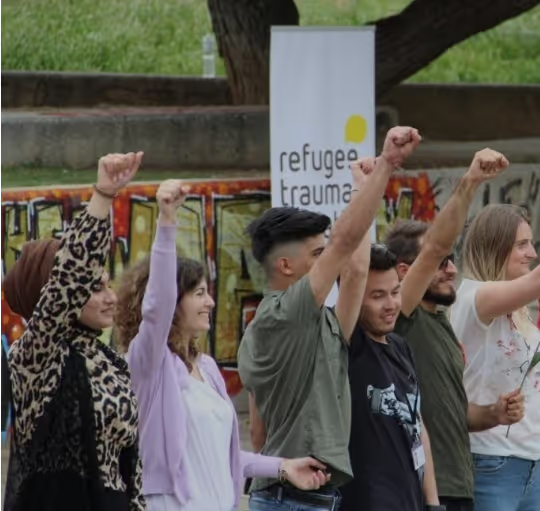
Baytna Hubs – a network of identity-informed and trauma-informed ECD partners
Baytna Hubs is an initiative between Amna and Help Refugees, supported by Open Society Foundation, to scale up a specialist Early Childhood Development (ECD), called Baytna, which has been developed within the context of the Greek refugee crisis.
The Baytna model provides high-quality pre-school educational and psychosocial support to refugee children and their caregivers, based around core values (respect, understanding, curiosity and linking) and with a trauma- and identity-informed approach. Baytna Hubs is an 18-month programme of capacity building to train and support local organisations around Greece to deliver Baytna. After a competitive application process in February 2019, Amna and Help Refugees selected three Baytna Hubs partners: Athens Comic Library, Elix, and Perichoresis.
In March 2020, as Baytna Hubs were gaining momentum in delivering Baytna, and with communities now established and regularly attending the Baytna spaces, the coronavirus pandemic reached Greece. Following government regulations related to the closing of schools and restrictions on gatherings, Baytna delivery halted across all sites. It was important to us all that we continued to support the families who attended Baytna so that they feel cared for, connected to a community, emotionally and socially supported, and still have activities to do that are Baytna-aligned. These activities and resources are being developed to be identity- and trauma- informed, and produced in different languages.
1. To start with, Amna developed psychosocial activity ideas for parents and their children, a taste of Baytna at home, which require no materials (e.g. crafts), and were shared by partners to families via translated text messages and calls. The activities were for different age groups and include valuable PSS introductions for parents. Amna also provided suggested messages in English, Greek and Arabic on how to explain centre closures to families, as well as information on hygiene activities. Feedback from families has been positive.
2. Next, the network co-created interactive resources and videos for families drawing on partners different strengths and the combined collaborative power of the network. Our aim is for members of the refugee community, such as caregivers and Baytna facilitators, to also produce videos thereby helping to ensure content is identity-informed and community-led. We have together developed fun and engaging multimedia for the Baytna community, including videos of Baytna activities (storytelling, dance and movement, and interactive songs) which families can watch at home and interact with, as well as PDFs of activity ideas in different languages and for different ages. These are being released on the Amna's facebook page and will be added to a resource section on the website.
3. Finally, we are now at a capacity building stage, so that the partners themselves develop their own ideas for supporting the communities that they know best. The capacity building will happen alongside Amna continuing to send out activity ideas, and to create online resources that hubs can also share with their communities.
4. Throughout, we are seeking to understand and be led by the needs of the community and to gather feedback from them on the usefulness and impact of these activities and resources.
We would like to highlight in this practice the power of a network approach, the importance up building up local capacity, and the role of having a value-based approach which supports flexible approach adaptable to different circumstances.
Published in:

Associazione 21 Luglio Brings a Mobile Play Hub to Community Meeting Spots in Rome
TOY for Inclusion Play Hubs give children a save, welcoming place to interact, play and spend quality time with other children and adults. As part of their work to fight educational poverty and create growth opportunities from a young age, Associazione 21 Luglio formed two Play Hubs in the suburb of Tor Bella Monaca in Rome for children aged zero to three years and their families.
While one of the Play Hubs sits inside the former headquarters of Associazione 21 Luglio, the other is a mobile trolley. In 2021, their mobile Play Hub began traveling around the neighborhood for the first time.
It was positioned on the Piazza Castano square in Rome, where the community welcomed the mobile Play Hub and its Toy Library with great interest and curiosity.
Read more about the activities of the mobile Play Hub and how they are fostering community connection, here.
Published in:
Aflatot: Early Childhood Education for Sustainable Development
Aflatot: Early childhood education for sustainable development. This study took place in the following countries: Albania, Serbia, Slovakia, Kenya, Zambia, Bolivia, Ecuador, Honduras, India and the Philippines to document the effects of the Aflatot programs on social emotional outcomes for young children. The program is implemented in 45 countries by NGOs that are partners of Aflatoun International as well as on governmental level, for example in Ukraine and Indonesia.
The study demonstrated that children are much more likely to think and act independently after having participated in the Aflatot programme. They improve their self–understanding, are managing their emotions in a healthier way, and they are able to identify other children’s and adult’s emotions and to adjust their behavior accordingly. Children better promote and maintain mutual, positive relationships with other children and significant adults after the programme. In addition, children become more confident in realizing their basic needs and they better understand the concept of value by practicing habits that are fundamental to financial literacy, such as delayed gratification, sharing and saving.
Some key indicators of Aflatot program impact: improvement pre- and post-intervention:
INITIATIVE +19%;
SELF-REGULATION +36%;
RIGHTS & RESPONSIBILITIES +20%;
RELATIONSHIPS +17%;
REDUCED CONDUCT PROBLEMS +12%;
DELAYED GRATIFICATION +20%.
Published in:
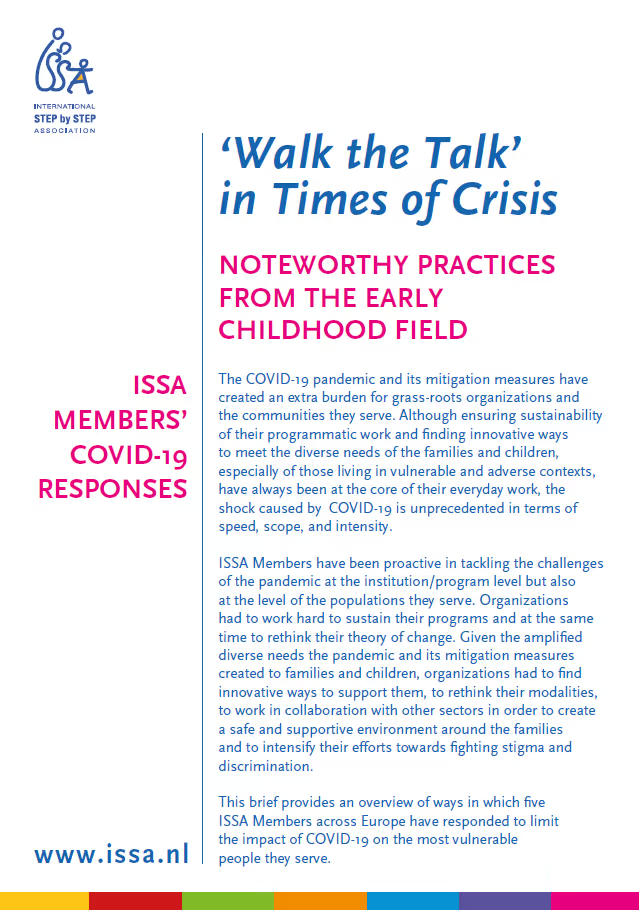
‘Walk the Talk’ in Times of Crisis: Noteworthy Practices from ISSA Members
The COVID-19 pandemic has brought many unprecedented challenges for grassroots organizations and the communities they serve, especially those living in vulnerable and adverse context. The shock caused by this crisis is incomparable in terms of speed, scope, and intensity.
As part of our efforts to better understand the impact of the COVID-19 pandemic and contribute to the learning in the early childhood development field, ISSA has reached out to its Members across Europe to consolidate and synthesize evidence on interventions or services that they have developed as a response to the COVID-19 to support children, parents and caregivers.
Drawing on ISSA Members’ input, we have synthesized a set of noteworthy practices and put together an overview of ways in which five ISSA Members have responded to alleviate the impact and challenges created by COVID-19 on the most vulnerable people they serve. We invite you to read, download and share ISSA’s brief “‘Walk the Talk’ in Times of Crisis: Noteworthy practices from the early childhood field – ISSA Members’ COVID-19 responses”.
Would you like to know more about how ISSA Members have responded to the COVID-19 pandemic and the wide range of resources they have created? Click here.
Published in:
"Tell me"
A combilation of videos addressed to families and ECD professionals, that aim at explaining the developmental stages of the child and how we can support children's holistic development and autonomy.
Learn more about Ensemble for Early Childhood Education on the website, Facebook, Twitter and Youtube. Follow #EduEnsemble on social media to see more posts.
Published in:
Organization(s):
Ensemble for Early Childhood Education
Language:
Contact:
Aurelia Rabe, aurelia.rabe@eduensemble.org
Systemic approach
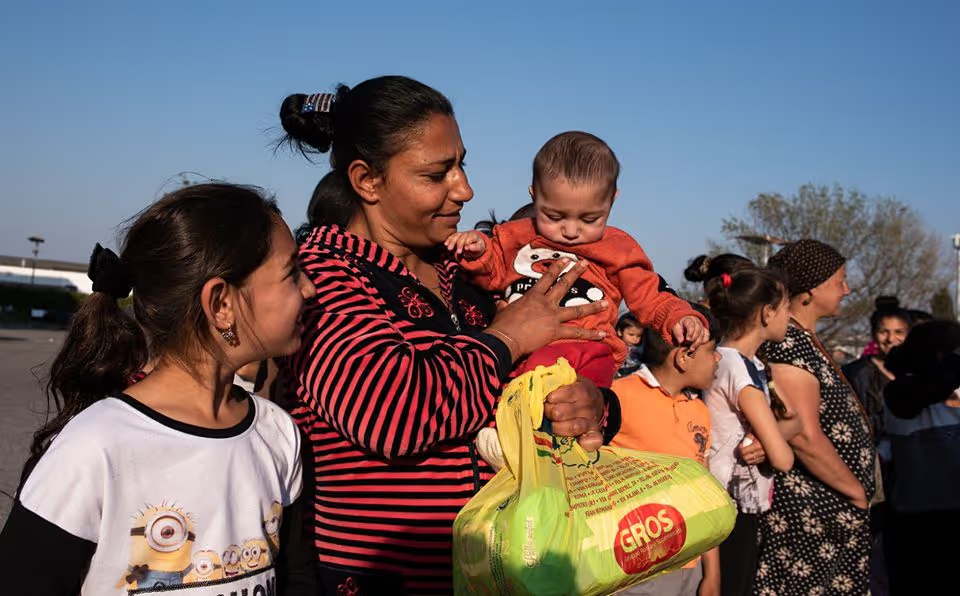
During the COVID-19 pandemic, food deprivation of households with young children has emerged as a priority among priorities.
Associazione 21 luglio applied the following method:
1) selecting five formal monoethnic settlements of special emergency housing;
2) carrying out a survey by telephone that highlighted the malnutrition of many children, particularly infants and young children;
3) designing a food aid program for three settlements (Castel Romano, Salone and Tor Cervara) which, in the study, was reported as the most disadvantaged contexts in Rome and for one of the most poor neighborhood in Rome (Tor Bella Monaca);
4) thinking to an operational strategy post-covid-19 to empower women and children.
The concrete intervention is focused on:
a. the fight against food deprivation for children 0 to 3 years old. The methodological elements that characterized this action were:
- personalizing the intervention (face-to-face interview with all the mothers to find out their specific needs and drew up a list of around 250 beneficiaries – 200 from the villages, 50 from the neighborhood);
- designing a typology composed of 5 types of baby packs, differentiated according to the size of the baby and the dietary needs for baby food and semolina, and according to the need or not for powdered milk;
- giving a personalized card to the mothers to pick up their personal package every week.
b. To overcome stereotypes and stigmatization of Roma communities:
- the request for help emphasize the dimension of food deprivation of children 0/3 years old and not ethnicity, according to a principle of our association. However, we underline the fact that these are children living in “slums”.
c. In addition to the food delivering we implemented some relational and political actions:
- we have created whatsapp groups through which we keep in touch with mothers to give them advice, listen to their discomforts, bring relief, send activities to do with their children;
- we have activated a service that allows to listen to fairy tales in Italian and Romanes (Romani chib): "Tales on the phone";
- we have provided children with some internet access so that they can connect to platforms designed by schools;
- we help the children to do their homework with remote volunteer support and the use of mobile phones;
- we periodically send to all 3-6 aged children attending a school of the neighborhood videos where a psychologist and a Roma paraprofessional read a story that can help them to process the lockdown period;
- we have reinforced the pressure and advocacy aspects with an appeal to Mayor Virginia Raggi and Prefect Pantalone for urgent measures to protect the right to health and school continuity.
d. Planning of sustainability interventions
- through our website, we have launched an appeal to the citizens of Rome to buy the products needed for baby parcels. We have favored the purchase of foodstuffs and consumer goods rather than sending money by bank transfer, convinced that this would strengthen solidarity;
- we asked additional funds to Foundations who support us in different projects.
The systemic approach has led to:
1. Research #IStayCamp. Health Conditions, Food Deprivation and Solidarity Problems in the First Days of Lockdown in the Roma Villages of Rome by Carlo Stasolla and Tommaso Vitale.
Quoting the research:
“During the lockdown we made the following urgent public policy recommendations:
• To map the conditions of greatest fragility within shantytowns and deprived public shelters with the aim of guaranteeing the distribution of basic necessities, particularly to minors and the elderly.
• To guarantee adequate sanitary conditions within each individual shantytown, primarily by rapidly ensuring access to drinking water.
• To ensure the presence of health workers and cultural mediators within the settlements who can carry out an information campaign aimed at illustrating the prevention measures recommended by health authorities and distributing personal protective equipment to inhabitants.
• To strengthen and coordinate a network of volunteers (Roma included) in order to monitor the hygienic and health conditions of those living in the shantytowns and to orient people with symptoms.
• To promote measures to safeguard the right to distance learning for students living in slums.
• To coordinate support and food supply actions for the needy, especially for babies and toddlers aged 0 to 3 years.
• To systematically listen to people living in shantytowns in order to understand their needs in a precise way, and to enhance and mobilize their skills, with precise reports that allow for concreteness and timeliness.
• To prepare in advance an adequate and timely intervention plan in case of a COVID-19 contagion within a village.”
2. During the lockdown we made 5 videos addressed to around 200 children attending a pre-primary school located in the disadvantaged neighborhood of Tor Bella Monaca. The videos represent a continuum of an emotional literacy intervention started two years ago in the school. There was one video sent every week until the end of June.
3. One video was made on the goods stored in the community center "Polo Ex Fienile" that we manage in the area of Rome, Tor Bella Monaca. The parcels are packed there once a week on Saturday mornings in the open air in the garden of the community center by a group of well-spaced volunteers (divided into five groups, one for each type of baby food aid-package), in order to give maximum visibility to the preparation of the parcels.
4. Ten fairy tales told in Italian and eight of them translated in Romani languages.
Photo by Fabio Moscatelli
Published in:
Organization(s):
Associazione 21 luglio; many individuals, organizations and institutions collaborated to implement all the activities in this systemic approach
Language:
Contact:
Francesca Petrucci, educazione@21luglio.org
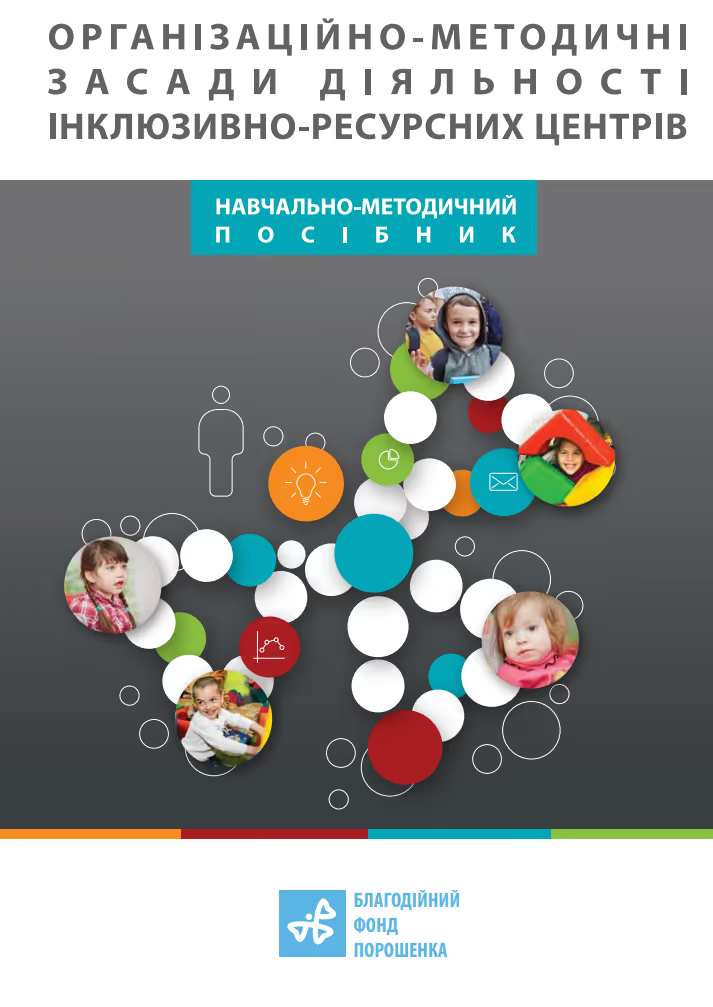
Organizational-Methodological Grounds of Inclusive Resource Centers' Activities
The purpose of this manual is to equip members of Inclusive Resource Centers (IRC), parents of children with special needs, schools and other institutions dealing with the issues of inclusive education, providing special support to children with special needs with necessary practical information. The main issues the manual addresses are the following: the concept of inclusive education as a rights based approach, introduction of International Classification of Functioning (ICF) as a tool to identify necessary support for children with special needs, organizational aspects of IRCs` activities, how to conduct complex assessment of children with special needs, role of the parents and ways of cooperation with families of children with special needs.
This resource will be very useful for policy makers who develop the system of support to children with special needs and their families in the context of inclusive education, for educators and parents, other community members.
The following issues make the resource innovative and inspiring: internationally agreed definition of inclusive education as a provision of additional support to children with special needs within inclusive educational environment, new approaches to assessment of children with special needs to identify their strengths and additional needs rather than problems.
IRCs are community-based institutions created to provide the right of children with special needs to quality education, in particular:
• complex assessment of children with special needs aged from 2-18 years to identify children`s strengths and special needs;
• methodological support to inclusive pre-schools, primary and secondary schools on providing quality educational services to children with special needs within inclusive educational environment (necessary accommodations, modifications, proper organization of educational environment based on the principles of universal design and reasonable accommodations);
• consultative support to parents of children with special needs;
• coordination of services in local communities.
Published in:
Organization(s):
Ukrainian Step by Step Foundation
Language:
Contact:
Natalia Sofiy, nsofiy@gmail.com

Informing and guiding the development of a Framework to Strengthen the Capacity of “Tipat Halav” nurses in Israel
Informing and guiding the development of a Framework to Strengthen the Capacity of “Tipat Halav” nurses in Israel is a qualitative research study on behalf of Goshen Institute, with the overall objective to generate in-depth data that unveil effective processes and strategies which need to be in place in order to achieve a practice-change among Parent and Child Health ("Tipat Halav") nurses in Israel. Specifically, the study, which is part of a larger initiative pursued by Bernard Van Leer Foundation, the Rothschild Foundation Foundation and Israel’s Ministry of Health, aimed at mapping:
- the strategies and processes that need to be in place in order to successfully achieve a practice-change among nurses in working with parents;
- the common elements among successful programs;
- the barriers and challenges in program implementation.
Interviews with 9 training providers and practitioners from across 6 countries, highlighted the complexity of the field and of nurses’ role and revealed the necessary knowledge, skills and attributes that effective nurses should possess. In addition, the interviews revealed the key challenges faced by the profession, the professionals and the training programs, as well as the success factors and recommendations about how challenges can be tackled. Research results highlight that practice-change is inseparably linked to the system in which practitioners operate and that in order for practice change to be achieved it is important to recognize the importance of the field as well as the uniqueness of this field. Thus, interviewees highlighted the need to focus on the social aspects of health and move beyond hospital-oriented practices and theory as well as the need for more innovative, practice-based approaches and experiential learning and for common standards of practice and common standards among training providers.
button[src="https://cdn.prod.website-files.com/694724257114b734f4bb749a/6985ce922886276ab5b3bd70_Report%20-%20Goshen%20Institute.pdf"][label="Download"]Published in:
Language:
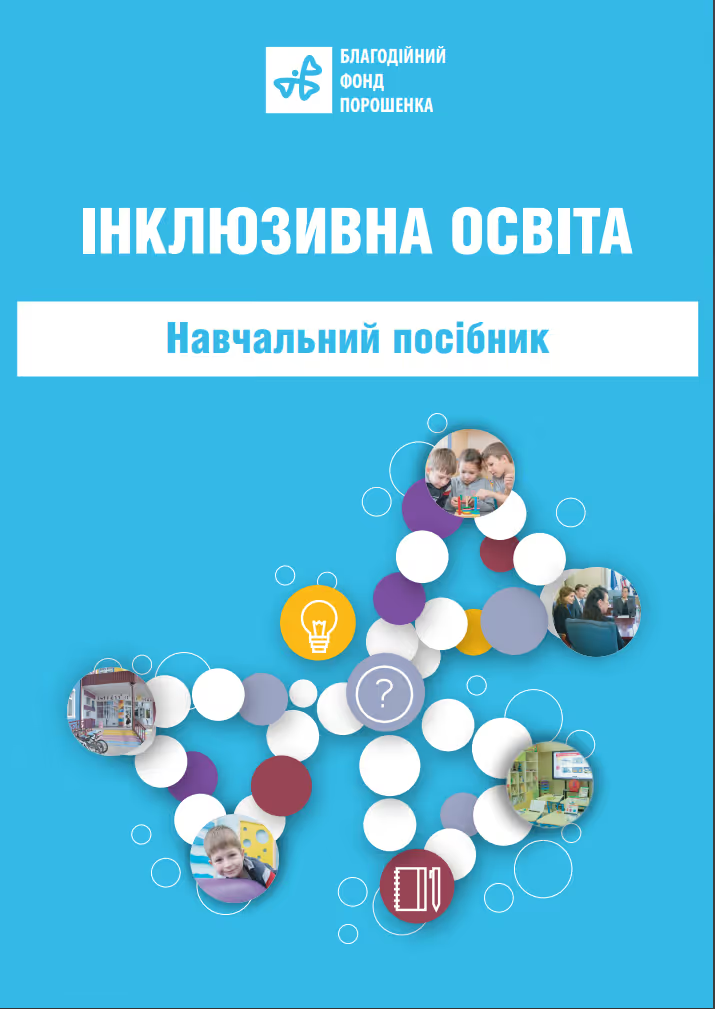
Inclusive Education
The manual “Inclusive Education” describes the conceptual principles of inclusive education, international and national legislation in a field of inclusive education, experience of inclusive education implementing in other countries, public-state governance of inclusive education. The special emphasis is put on the education of children with special needs in the system of general education. The manual is also aimed to provide practical information for teachers working in the inclusive educational environment. The manual includes glossary, practical tasks for experienced and future teachers.
The main purpose of the resource is to equip teacher trainers working in the pre-service and in-service teacher training institutes, other organizations with necessary information, practical recommendations and examples of activities they can conduct in the process of teachers` training and professional development.
The main issues, which are addressed by the manual, are the following: the concept of inclusive education, its objectives and main principles; the system of governance of inclusive education, including characteristics of the schools for children with special needs; introduction of International Classification of Functioning (ICF) as an instrument to identify additional support needs; universal design in education; psychological-pedagogical support of children with special needs within educational inclusive environment; individual educational program (IEP) and assessment in inclusive classrooms.
This is very useful resource for those who work with teachers in the system of pre-service and in-service teachers` training. In addition to useful theoretical information, it provides the examples of the tasks teachers can implement during the training activities and out of the training rooms. The following issues make this resource innovative and inspiring: introduction of inclusive education in the wider context of its understanding based on rights based approach, considering strengths of every child, his/her additional needs to provide equal access to quality education to every child.
button[src="http://poroshenko.com/data/group/21/site2-bff4eba3e5.pdf"][label="Download"]Published in:
Organization(s):
Ukrainian Step by Step Foundation
Language:
Contact:
Natalia Sofiy, nsofiy@gmail.com