Knowledge Hub
All the resources stored here have been created by ISSA Members
or ISSA Secretariat in partnership with Members or partners.



How to tell a child that she/he has got ASD
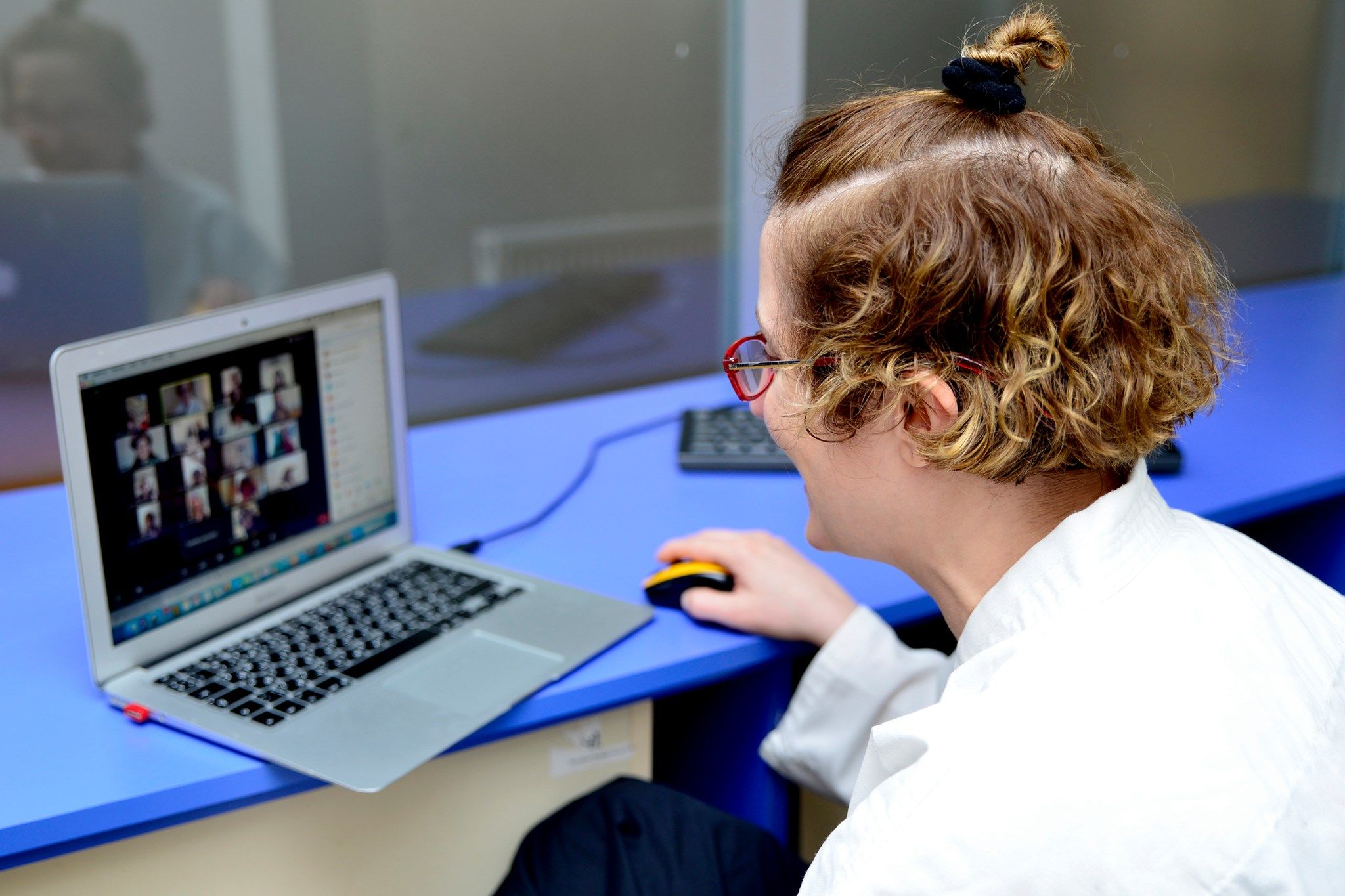
During the lockdown, the Child Development Institute at Ilia State University continued its activities by providing services at the distance. All distance interventions included parents or other family members. In order to support their work at home, specialists were designing tailored activities for children with Autism Spectrum Disorder (ASD). Written visual materials alongside phone or online guidance were provided to any the family who was willing and able to participate in such an exchange.
Online connections have led to more close contact with family members identifying some areas which needed an urgent response. Therefore, the team of specialists designed distance parent education courses and invited all parents to engage. Talks were transferred on ISU’s page. The Institute Talks were held in Georgian on a weekly basis.
Published in:
2020
Organization(s):
Child Development Institute, Ilia State University
Language:
Contact:
Khatuna Dolidze, khatuna.dolidze.1@iliauni.edu.ge
How to help a child to understand speech
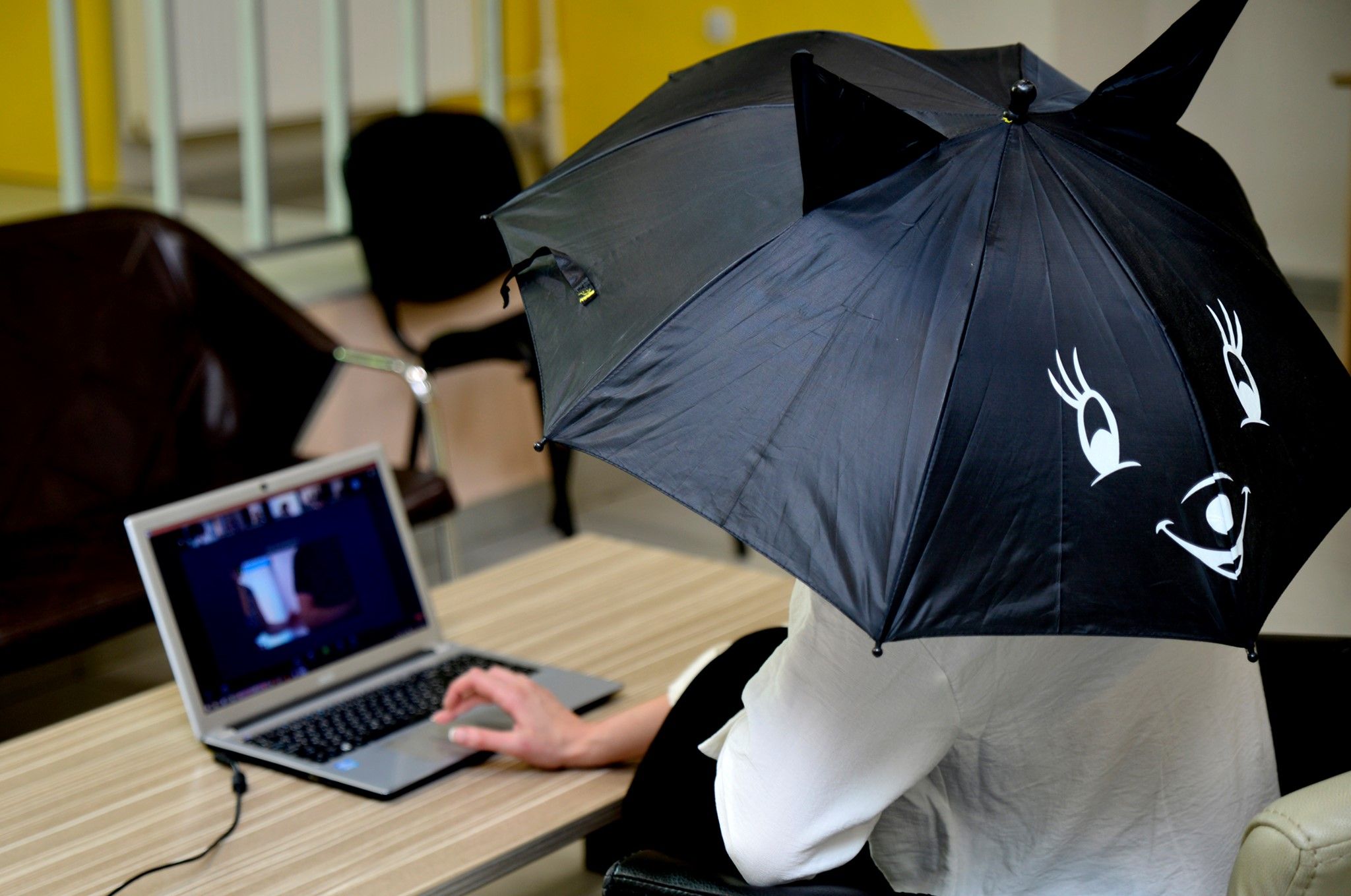
During the lockdown, the Child Development Institute at Ilia State University continued its activities by providing services at the distance. All distance interventions included parents or other family members. In order to support their work at home, specialists were designing tailored activities for children with Autism Spectrum Disorder (ASD). Written visual materials alongside phone or online guidance were provided to any the family who was willing and able to participate in such an exchange.
Online connections have led to more close contact with family members identifying some areas which needed an urgent response. Therefore, the team of specialists designed distance parent education courses and invited all parents to engage. Talks were transferred on ISU’s page. The Institute Talks were held in Georgian on a weekly basis.
Published in:
2020
Organization(s):
Child Development Institute, Ilia State University
Language:
Contact:
Khatuna Dolidze, khatuna.dolidze.1@iliauni.edu.ge
Feasibility study for upscaling: Providing Access to Childcare and Employment (PACE)
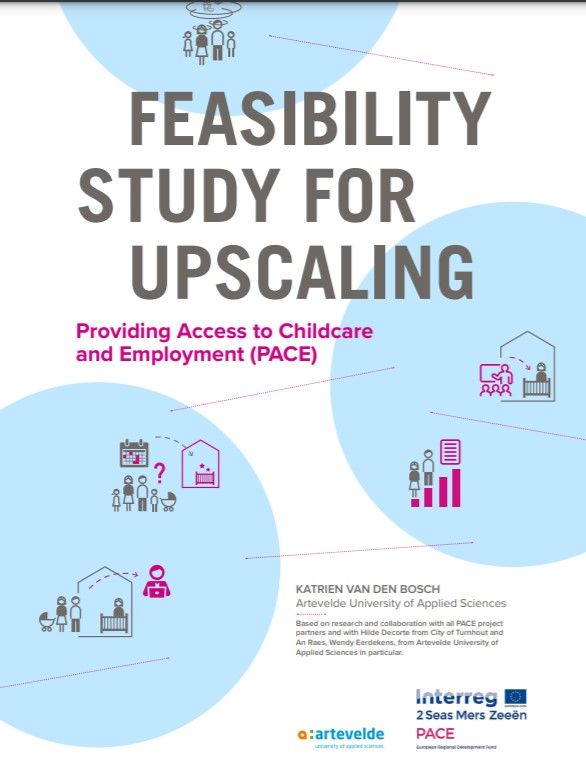
Providing accessible childcare can improve chances of vulnerable parents in general and on the labour market. With PACE we want to explore organising occasional and/or flexible childcare. As we are working with vulnerable parents, we have to be aware of their difficult living reality, where they face multi problems which will stand in the way of work and have to be tackled.
As the tests in PACE are performed in living lab environments, they sometimes do not need to follow all regulations of regular childcare. Also, some aspects of the tested method cannot be implemented in another region of the 2 Seas areas because of different local regulations. Regulation can stimulate innovation or can be a barrier. Therefore, it is certainly helpful to uncover the legal barriers as well as the inconsistencies between goals, capabilities, and implementation at different levels. A feasibility study on this is needed to allow largest possible upscaling of the tested methods. Throughout the duration of the project, the PACE officers of the different participating partners in the 4 countries have continuously indicated where they encountered organisational and legal barriers to apply the PACE method(s).
Published in:
2020
Organization(s):
Artevelde University of Applied Sciences, Department of Early Childhood; Karel de Grote University of Applied Sciences and Arts
Language:
Contact:
An Raes, an.raes@arteveldehs.be

Baytna Hubs – a network of identity-informed and trauma-informed ECD partners
Baytna Hubs is an initiative between Amna and Help Refugees, supported by Open Society Foundation, to scale up a specialist Early Childhood Development (ECD), called Baytna, which has been developed within the context of the Greek refugee crisis.
The Baytna model provides high-quality pre-school educational and psychosocial support to refugee children and their caregivers, based around core values (respect, understanding, curiosity and linking) and with a trauma- and identity-informed approach. Baytna Hubs is an 18-month programme of capacity building to train and support local organisations around Greece to deliver Baytna. After a competitive application process in February 2019, Amna and Help Refugees selected three Baytna Hubs partners: Athens Comic Library, Elix, and Perichoresis.
In March 2020, as Baytna Hubs were gaining momentum in delivering Baytna, and with communities now established and regularly attending the Baytna spaces, the coronavirus pandemic reached Greece. Following government regulations related to the closing of schools and restrictions on gatherings, Baytna delivery halted across all sites. It was important to us all that we continued to support the families who attended Baytna so that they feel cared for, connected to a community, emotionally and socially supported, and still have activities to do that are Baytna-aligned. These activities and resources are being developed to be identity- and trauma- informed, and produced in different languages.
1. To start with, Amna developed psychosocial activity ideas for parents and their children, a taste of Baytna at home, which require no materials (e.g. crafts), and were shared by partners to families via translated text messages and calls. The activities were for different age groups and include valuable PSS introductions for parents. Amna also provided suggested messages in English, Greek and Arabic on how to explain centre closures to families, as well as information on hygiene activities. Feedback from families has been positive.
2. Next, the network co-created interactive resources and videos for families drawing on partners different strengths and the combined collaborative power of the network. Our aim is for members of the refugee community, such as caregivers and Baytna facilitators, to also produce videos thereby helping to ensure content is identity-informed and community-led. We have together developed fun and engaging multimedia for the Baytna community, including videos of Baytna activities (storytelling, dance and movement, and interactive songs) which families can watch at home and interact with, as well as PDFs of activity ideas in different languages and for different ages. These are being released on the Amna's facebook page and will be added to a resource section on the website.
3. Finally, we are now at a capacity building stage, so that the partners themselves develop their own ideas for supporting the communities that they know best. The capacity building will happen alongside Amna continuing to send out activity ideas, and to create online resources that hubs can also share with their communities.
4. Throughout, we are seeking to understand and be led by the needs of the community and to gather feedback from them on the usefulness and impact of these activities and resources.
We would like to highlight in this practice the power of a network approach, the importance up building up local capacity, and the role of having a value-based approach which supports flexible approach adaptable to different circumstances.
Published in:
2020
Organization(s):
RTI, Perichoresis, Elix, Athens Comic Library, Irida Women’s Centre, Open Cultural Centre
Language:
Contact:
Evelyn Wilcox
10 design elements for breastfeeding information and support
The World Health Organization advises mothers to exclusively breastfeed their newborn babies for at least 6 months. In the Netherlands, a recent assessment of breastfeeding practices showed that 69% of the mothers start breastfeeding after birth. After one week this number declines to 58%, and to 47% after a month. At 6 months only 19% of babies are still breastfed.
Low rates of sustained breastfeeding are linked to challenges many mothers encounter during the first weeks, such as pain during breastfeeding or concerns about milk production. As a result, many mothers don’t stick to the breastfeeding aspirations and goals they set during or even before pregnancy. Mothers of newborns in the Netherlands indicated that they did not always get, or experience, the support they needed from care professionals, or know where to get breastfeeding guidance, especially after the support from maternity care ended. In this context, 10 design-elements for breastfeeding information and support were developed in collaboration with mothers of newborns and professionals.
These design-elements include the following recommendations: A) to define and adjust breastfeeding information to 1) the target audience and 2) the phase of breastfeeding, B) to address 3) personal breastfeeding attitudes or expectations, 4) personal breastfeeding wishes or goals, 5) possible actions and 6) good examples, C) to take into account, 7) the partner and broader social environment, 8) the basic needs of the baby, 9) the health care system, and D) to consider 10) the form of support. Elements 3, 4, 5, and 6 were based on behavior change theories on how to transfer from “knowing” to actually being motivated and perform and sustain breastfeeding.
Health organizations and professionals were encouraged to apply the 10 design-elements when providing (online) information and support to pregnant women and mothers of newborns about breastfeeding. For example, Centering Pregnancy, a new form of group care for pregnant women led by midwives, recently used the 10 design-elements. During Centering Pregnancy group sessions, pregnant women are encouraged to openly discuss both the advantages and challenges of breastfeeding and how they might overcome the latter. The group sessions have shown to have a positive effect on the uptake of breastfeeding. Centering Pregnancy has now recently applied the 10 design-elements in visual breastfeeding conversation cards, to help encourage discussions of solutions for breastfeeding-related challenges and activities that pregnant women can perform to prepare for breastfeeding.
button[src="https://www.tno.nl/media/16447/tno-2020-tien.pdf"][label="Download"]
Published in:
2020
Organization(s):
TNO Child Health
Language:
Contact:
Sylvia van der Pal, Sylvia.vanderpal@tno.nl; Wilma Otten, wilma.otten@tno.nl
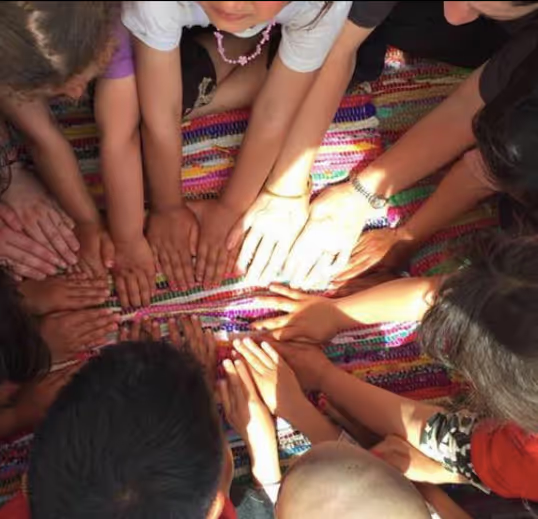
Resources to support psychosocial wellbeing, developed for refugee children, parents, and young people and for NGO workers
Refugee Trauma Initiative and our partners deliver Baytna - a trauma- and identity-informed model of Early Childhood Education for refugee children and their families living in Greece. Baytna was being implemented across five centres up until early March 2020, when delivery was halted due to government regulations related to COVID-19.
While centres are closed, it is important to us that we continue to support the families who attended Baytna so that they feel cared for, emotionally and socially supported, and still have activities to do that are aligned with the Baytna model. Relationships are the core of Baytna, and we want to keep the relationships with children and families alive by providing simple activities that are modified for different age groups and which don’t require materials. We provide written, audio and visual materials to appeal to different preferences and literacy needs.
RTI’s response to COVID-19 included developing activity ideas, videos, and other resources, hosted on a resource library on our website, that are aimed at supporting psychosocial wellbeing. This includes supporting the relationship between mothers and children, assisting with relaxation through mindfulness activities, helping with the identification, regulation and release of emotions, and providing children with a crucial opportunities for fun and play. Resources include: story-telling, movement, interactive songs, ‘how to’ storytelling prop guides. Also relaxation and release audio and visual guides for parents such as grounding and breathing meditation techniques. They are being developed in a variety of languages to meet the needs of the diverse community we work with, and are being created in a collaborative way that draws on the different strengths of our partners. Crucially, the resources are focused on psychosocial support and identity- and trauma-informed.
Published in:
2020
Organization(s):
RTI
Language:
Contact:
Evelyn Wilcox, evelyn@refugeetrauma.org

Two sides of emotional regulation and self-regulation
During the lockdown, the Child Development Institute at Ilia State University continued its activities by providing services at the distance. All distance interventions included parents or other family members. In order to support their work at home, specialists were designing tailored activities for children with Autism Spectrum Disorder (ASD). Written visual materials alongside phone or online guidance were provided to any the family who was willing and able to participate in such an exchange.
Online connections have led to more close contact with family members identifying some areas which needed an urgent response. Therefore, the team of specialists designed distance parent education courses and invited all parents to engage. Talks were transferred on ISU’s page. The Institute Talks were held in Georgian on a weekly basis.
Published in:
2020
Organization(s):
Child Development Institute, Ilia State University
Language:
Contact:
Khatuna Dolidze, khatuna.dolidze.1@iliauni.edu.ge
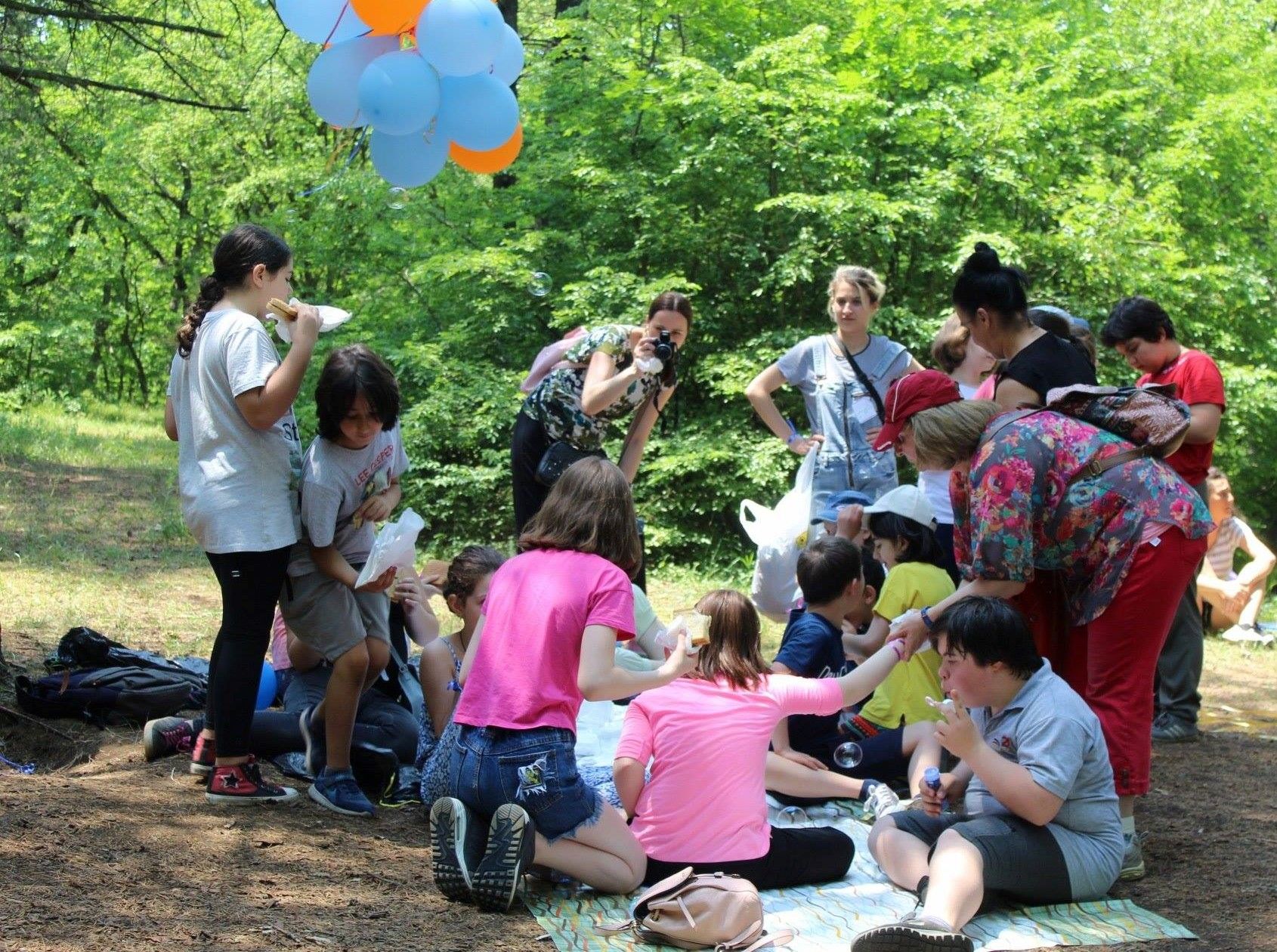
Task of communicating with a child. Control or self-control
During the lockdown, the Child Development Institute at Ilia State University continued its activities by providing services at the distance. All distance interventions included parents or other family members. In order to support their work at home, specialists were designing tailored activities for children with Autism Spectrum Disorder (ASD). Written visual materials alongside phone or online guidance were provided to any the family who was willing and able to participate in such an exchange.
Online connections have led to more close contact with family members identifying some areas which needed an urgent response. Therefore, the team of specialists designed distance parent education courses and invited all parents to engage. Talks were transferred on ISU’s page. The Institute Talks were held in Georgian on a weekly basis.
Published in:
2020
Organization(s):
Child Development Institute, Ilia State University
Language:
Contact:
Khatuna Dolidze, khatuna.dolidze.1@iliauni.edu.ge
Supporting the collaboration between ECEC core and assisting practitioners: Experiences of two Belgian pilot schools
In this Belgian Pilot Report, conducted as part of the VALUE project, we examine how collaborative learning between ECEC core and assisting practitioners can be supported as part of sustainable CPD (Continuous Professional Development) path in the context of Flemish community of Belgium.
button[src="https://cdn.prod.website-files.com/694724257114b734f4bb749a/6985cf93cfe21592332c5a0b_4th%20PINN%20Report%20final.pdf"][label="Download"]
Published in:
2020
Organization(s):
VBJK - Centre for Innovation in the Early Years, ERI - Educational Research Institute
Language:
Play in everyday life
During the lockdown, the Child Development Institute at Ilia State University continued its activities by providing services at the distance. All distance interventions included parents or other family members. In order to support their work at home, specialists were designing tailored activities for children with Autism Spectrum Disorder (ASD). Written visual materials alongside phone or online guidance were provided to any the family who was willing and able to participate in such an exchange.
Online connections have led to more close contact with family members identifying some areas which needed an urgent response. Therefore, the team of specialists designed distance parent education courses and invited all parents to engage. Talks were transferred on ISU’s page. The Institute Talks were held in Georgian on a weekly basis.
Published in:
2020
Organization(s):
Child Development Institute, Ilia State University
Language:
Contact:
Khatuna Dolidze, khatuna.dolidze.1@iliauni.edu.ge
Multilingual early childhood education and care for young refugee children
This is the Toolbox of the Erasmus+ project Multilingual early childhood education and care for young refugee children. In this project (2016-2019) the consortium made an inventory of the existing services, activities and programmes for young children from refugee and asylum-seeking families in the Netherlands, Belgium, Norway and the United Kingdom.
The Toolbox includes Country reports, Quality Indicators and Training packages.
Published in:
2020
Language:
Contact:
Eva Izsak, eizsak@issa.nl

How to teach a child to identify emotions
During the lockdown, the Child Development Institute at Ilia State University continued its activities by providing services at the distance. All distance interventions included parents or other family members. In order to support their work at home, specialists were designing tailored activities for children with Autism Spectrum Disorder (ASD). Written visual materials alongside phone or online guidance were provided to any the family who was willing and able to participate in such an exchange.
Online connections have led to more close contact with family members identifying some areas which needed an urgent response. Therefore, the team of specialists designed distance parent education courses and invited all parents to engage. Talks were transferred on ISU’s page. The Institute Talks were held in Georgian on a weekly basis.
Published in:
2020
Organization(s):
Child Development Institute, Ilia State University
Language:
Contact:
Khatuna Dolidze, khatuna.dolidze.1@iliauni.edu.ge
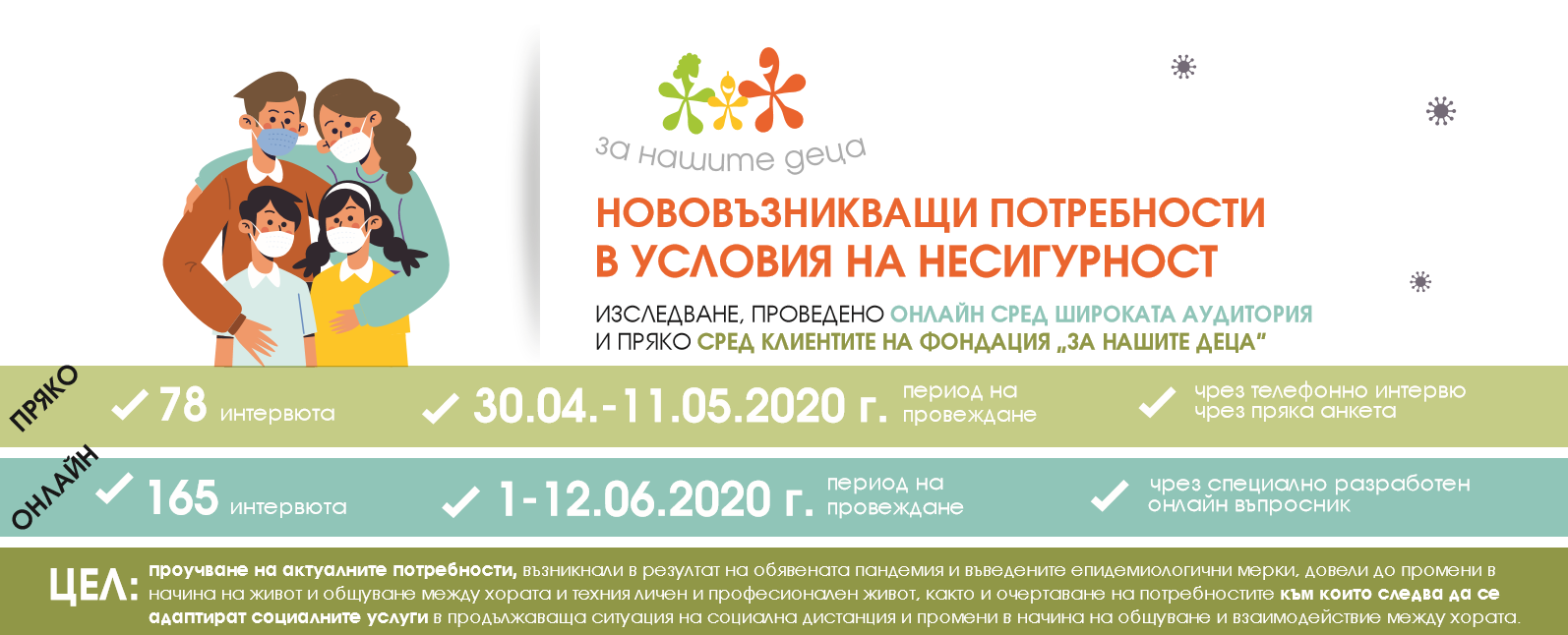
Emerging Needs of Parents of Children in Early Age under Uncertainty
The COVID crisis and its effect has put families with children under a lot of stress. This is especially true for those families that were already experiencing difficulties or were at risk.
In this new and turbulent situation, we as service providers are aware that the pressure can seem overwhelming and being a good parent might seem unfeasible. This prompted us to conduct an emergency survey of the immediate and prospective needs of parents. We targeted both our clients and a wider sample of parents. The aim was to inform the delivery of our services so that they are as effective as possible in this fast changing situation.
Social service requires a close relationship of trust, which might be challenging both for professionals and for parents during social distancing. As a result, from the survey we created a report that analyzes the needs of the respondents and an infographic that summarizes our findings. Our “Emergency Family Support Program” was informed by the results.
The resources might be useful for service providers who have to adapt their social services in order to be able to be functional and at the same time follow the anti-pandemic guidelines and protect the health of their clients and staff. The situation requires us to be proactive and have the knowledge and evidence to provide adequate support and stay on top of the crisis.
button[src="https://cdn.prod.website-files.com/694724257114b734f4bb749a/6985ce5ac4fb26a46f700061_FOC%20Infographic.pdf"][label="Download the resource"]
Published in:
2020
Organization(s):
For Our Children Foundation
Language:
Contact:
Dilyana Maneva
‘Walk the Talk’ in Times of Crisis. Noteworthy Practices from the Early Childhood Field
The COVID-19 pandemic and its mitigation measures have created an extra burden for grass-roots organizations and the communities they serve. Although ensuring sustainability of their programmatic work and finding innovative ways to meet the diverse needs of the families and children, especially of those living in vulnerable and adverse contexts, have always been at the core of their everyday work, the shock caused by COVID-19 is unprecedented in terms of speed, scope, and intensity. ISSA Members have been proactive in tackling the challenges of the pandemic at the institution/program level but also at the level of the populations they serve. This brief provides an overview of ways in which five ISSA Members across Europe have responded to limit the impact of COVID-19 on the most vulnerable people they serve.
button[src="https://cdn.prod.website-files.com/694724257114b734f4bb749a/6985cc5db64497b92fbb88ab_walk-talk-times-crisis-noteworthy-practices-early-childhood-field.pdf"][label="Download"]
Published in:
2020
Organization(s):
ISSA
Language:
Contact:
Eva Izsak, eizsak@issa.nl
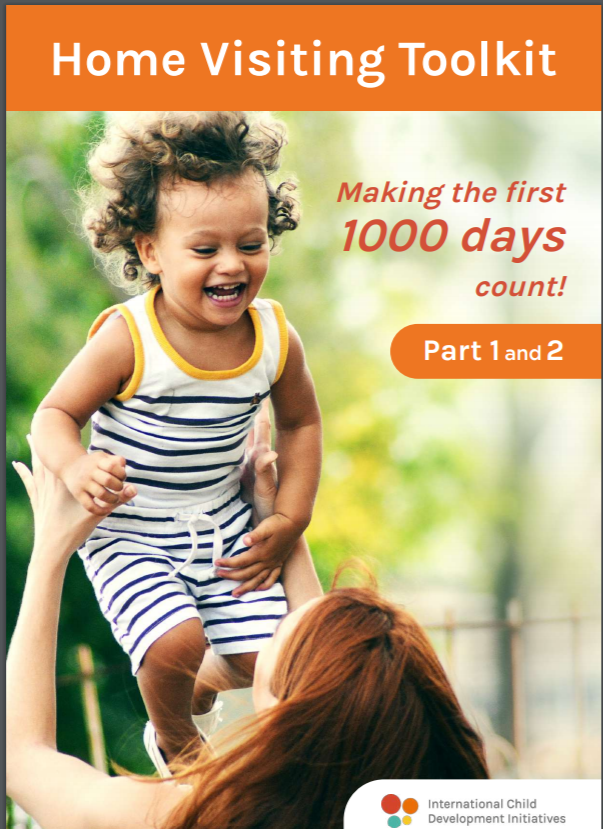
Making the first 1000 days count! Home Visiting Toolkit
This Toolkit has been developed in the context of the project ‘Making the first 1000 days count!’. The aim of this Toolkit is to provide Home Visitors with the latest scientific evidence about child development, learning and well-being as well as practical advice and materials, which they can share with parents and carers. The tool will also be used to prevent child abuse and improve child well-being by providing education and services in families’ homes through parent education and access to community resources.
The information and materials provided in this Toolkit focus on play, learning and development in the first 3 years of a child’s life. Attention is also given to their safety and protection.
Quality home visiting programmes help parents provide safe and supportive environments for their children. Specifically, they can alert the parents to the importance of establishing healthy connections with their babies and of building loving, trustful and supportive relationships with their children. They can learn how to do that during their routine and everyday family activities. Home visiting programmes are also intended to reduce the stress parents and carers may experience in their parenting role – by providing a listening ear, calm reassurance, support and information.
The Home Visiting Toolkit is composed by four parts:
• Part One: Being a Home Visitor.
• Part Two: Home visits in Practice.
• Part Three: Info Cards on child development, play, learning and parenting (for Home Visitors)
• Part Four: Activity Cards to promote responsive parenting, child development and playful learning
It is composed of original material produced by ICDI, as well existing materials from other organisations including the ISSA-UNICEF ECARO Resource Package for Home Visitors. Part One and Two in English and Amharic are publicly available, but if an organisation is interested in applying it, ICDI offers a training during which Part 3 and 4 are also explained and shared.
button[src="https://icdi.nl/media/uploads/downloads/homevisitingtoolkit-icdi-part12-compressed.pdf"][label="Part 1 and 2 English"] button[src="https://icdi.nl/media/uploads/downloads/homevisitingtoolkit-icdi-part12-amharic-compressed.pdf"][label="Part 1 and 2 Amharic"]
Published in:
2020
Organization(s):
International Child Development Initiatives ICDI
Language:
Contact:
Giulia Cortellesi, giulia@icdi.nl
The Home Visiting Workforce Needs Assessment Tool
The Home Visiting Workforce Needs Assessment Tool aims to help Ministries and government agencies reflect on the ways in which they can support personnel delivering home visiting programs across sectors for pregnant mothers and caregivers with children under 3. Drawing inspiration from the UNICEF Pre-Primary Diagnostic and Planning Tool, this tool is intended for countries with home visiting programs at either the sub-national or national levels. The scope of this tool includes home visitors who work directly with young children and their families, as well as supervisors and trainers.
button[src="https://www.earlychildhoodworkforce.org/sites/default/files/www-issa/resources/HomeVisitingWorkforceNeedsAssessmentTool.pdf"][label="Download in English"]
Published in:
2020
Organization(s):
Results for Development & ISSA
Language:
Building Bridges: Bridging the Gap - Supporting wellbeing, learning, development and integration of young refugee and migrant children
A guidebook which aims to support and inform the work of kindergarten teachers engaged in kindergartens in refugee camps on the Aegean islands, but can also be of help in various kindergarten settings.The guidebook besides hints on how to support kindergarten teachers, addresses topics such as creating safe, well structured, child friendly, and stimulating environments in camps; providing psychosocial support to children and families and dealing with trauma; supporting children who do not speak language of instruction. In the guidebook for each of the topics a set of suggested hands-on activities is provided alongside with theoretical explanations of the rationale behind them.
button[src="https://cdn.prod.website-files.com/694724257114b734f4bb749a/6985c99aaeda2349e9e2e830_Building%20bridges_BG_final.pdf"][label="Download in Bulgarian"] button[src="https://cdn.prod.website-files.com/694724257114b734f4bb749a/6985c99c0eedb04db5ada896_Building%20bridges_CZ_final.pdf"][label="Download in Czech"] button[src="https://cdn.prod.website-files.com/694724257114b734f4bb749a/6985c99e5f801d30a5250d45_Guidebook_EN_0.pdf"][label="Download in English"] button[src="https://cdn.prod.website-files.com/694724257114b734f4bb749a/6985c9a003debdee6964768c_Guidebook_Gr.pdf"][label="Download in Greek"] button[src="https://cdn.prod.website-files.com/694724257114b734f4bb749a/6985c9a30eedb04db5adabb7_Building%20bridges_HU_final.pdf"][label="Download in Hungarian"] button[src="https://cdn.prod.website-files.com/694724257114b734f4bb749a/6985c9a64ab2bbd98fa8c20f_Building%20bridges_PO_final.pdf"][label="Download in Polish"] button[src="https://cdn.prod.website-files.com/694724257114b734f4bb749a/6985c9a8cfff02717ba63109_Building%20bridges_RO.pdf"][label="Download in Romanian"] button[src="https://cdn.prod.website-files.com/694724257114b734f4bb749a/6985c9aaaeda2349e9e2f081_Building%20bridges_RU.pdf"][label="Download in Russian"] button[src="https://cdn.prod.website-files.com/694724257114b734f4bb749a/6985c9adcfff02717ba631de_Building%20bridges_SLO.pdf"][label="Download in Slovak"] button[src="https://cdn.prod.website-files.com/694724257114b734f4bb749a/6985c9af124b1cbf7c1a680b_Building%20bridges_UA_final.pdf"][label="Download in Ukrainian"]
Published in:
2020
Organization(s):
ISSA, University of Patras and Amna
Language:
Contact:
Zorica Trikic, ztrikic@issa.nl
Business Model for high quality, accessible and flexible childcare services
How to Business Model Canvas (BMC) provides guidance on how to deal with both external and internal organisational needs and the ways to best respond to them as an organisation. BMC is designed to increase accessibility and flexiblity to provide childcare inclusively for all by keeping high-quality standards.
The toolbox consists of a folder, four concrete examples of business models and a template of a business model canvas that you can complete yourself.
This publication has been produced within the INTERREG 2 Seas project PACE (Providing Access to Childcare and Employment) ran from 2016 to 2020 in four countries: Belgium, the Netherlands, France and England. The project’s aim was to make childcare and employment more accessible for families in vulnerable situations.
For more resources from the PACE project: https://www.mechelen.be/documents-pace
For more information about the PACE project, visit https://www.interreg2seas.eu/en/pace
Published in:
2020
Organization(s):
Artevelde University of Applied Sciences, Department of Early Childhood; Karel de Grote University of Applied Sciences and Arts
Language:
Contact:
An Raes, an.raes@arteveldehs.be