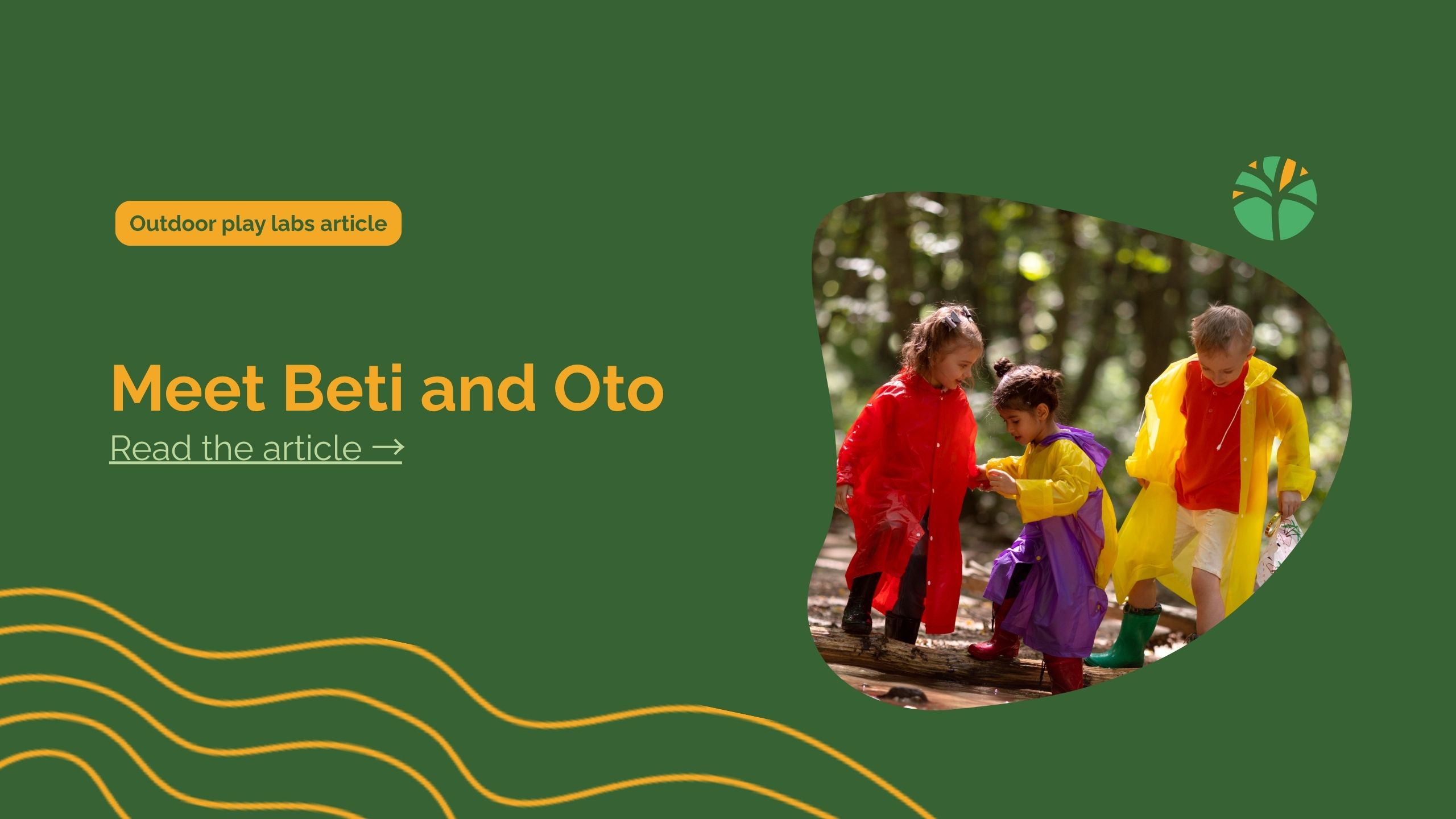
Inside the Play Hub in Zagreb, Croatia, children from the nearby asylum seeker camp and local neighbourhood families gather each week to play, explore, and spend time together in a space that has gradually become rooted in trust and familiarity.
So, when the team began planning new activities with outside guests and organizations, they noticed something unexpected: many of the children were hesitant.
Through conversations and observations, the coordinators realized that for many children, particularly those who had experienced bullying or exclusion linked to their migrant backgrounds, the Play Hub had become one of the few places where they felt fully safe and comfortable.
Rather than continuing with the original plan, the team decided to adapt. Instead of inviting many unfamiliar guests, they invited one person the children already knew and trusted: a circus clown. What followed strengthened the community as a whole.
Over six winter sessions, children practiced balancing acts, coordination exercises, and performance routines together. Some children who struggled to focus during quieter activities became deeply engaged through movement and repetition. Others began encouraging one another during rehearsals. Slowly, confidence grew.
The sessions eventually led to a public performance during a local carnival festival, where fifteen children performed difficult circus acts in front of a crowded square of families and community members.
For the coordinators, the experience sparked an important reflection. The original goal had not been to organize a performance. Yet responding to what the children were communicating; their need for familiarity, trust, movement, and emotional safety.
Research increasingly highlights that participation is closely connected to children’s emotional safety, belonging, and wellbeing, particularly for children experiencing exclusion, displacement, or trauma (UNICEF, 2018; Lansdown, 2010).
Children who initially wanted to protect the Play Hub as a safe space eventually chose to step together onto a public stage. Not because adults pushed them, but because trust had been built slowly enough for confidence to grow.
The experience of the Zagreb team highlights that participation is not only about asking children what they want to do. Sometimes, it begins with paying close attention to what children need to feel safe enough to grow, connect, and take new steps forward.
References:
Lansdown, G. (2010). The realisation of children’s rights: Participation and protection. UNICEF Innocenti Research Centre.
UNICEF. (2018). Every child’s right to be heard: A toolkit for children’s participation. UNICEF & Save the Children.