Knowledge Hub
All the resources stored here have been created by ISSA Members
or ISSA Secretariat in partnership with Members or partners.



Supporting Development of Early Inclusive Education in Tbilisi Kindergartens
Supporting Development of Early Inclusive Education in Tbilisi Kindergartens is a project aiming to support development of early childhood inclusive education: 1) by empowering mainstream kindergarten teachers and specialists working in kindergartens through modelling, practicing and sharing experiences, 2) by training Tbilisi Kindergarten Management Agency monitors/advisory team in observing, assessing and monitoring skills, using service standards developed by UNICEF Georgia and 3) by developing and conducting university accredited certificated courses for kindergarten practitioners and future teachers.
In addition two kindergartens were transformed into training centres for placing students during practicums and served as models for best practice. The achievements in the project included the introduction of peer supervision in practice based trainings in Kindergarten centres and the creation of 2 6ECT university based courses on Early Inclusive Education. The courses are shared with other regional Universities. The project can be scaled up by increasing accessibility of professionals beyond the current two kindergarten centres.
Organization(s):
Center for Preschool and Inclusive Education, Ilia State University, Georgia
Language:
Contact:
Khatuna Dolidze, khatuna.dolidze.1@iliauni.edu.ge
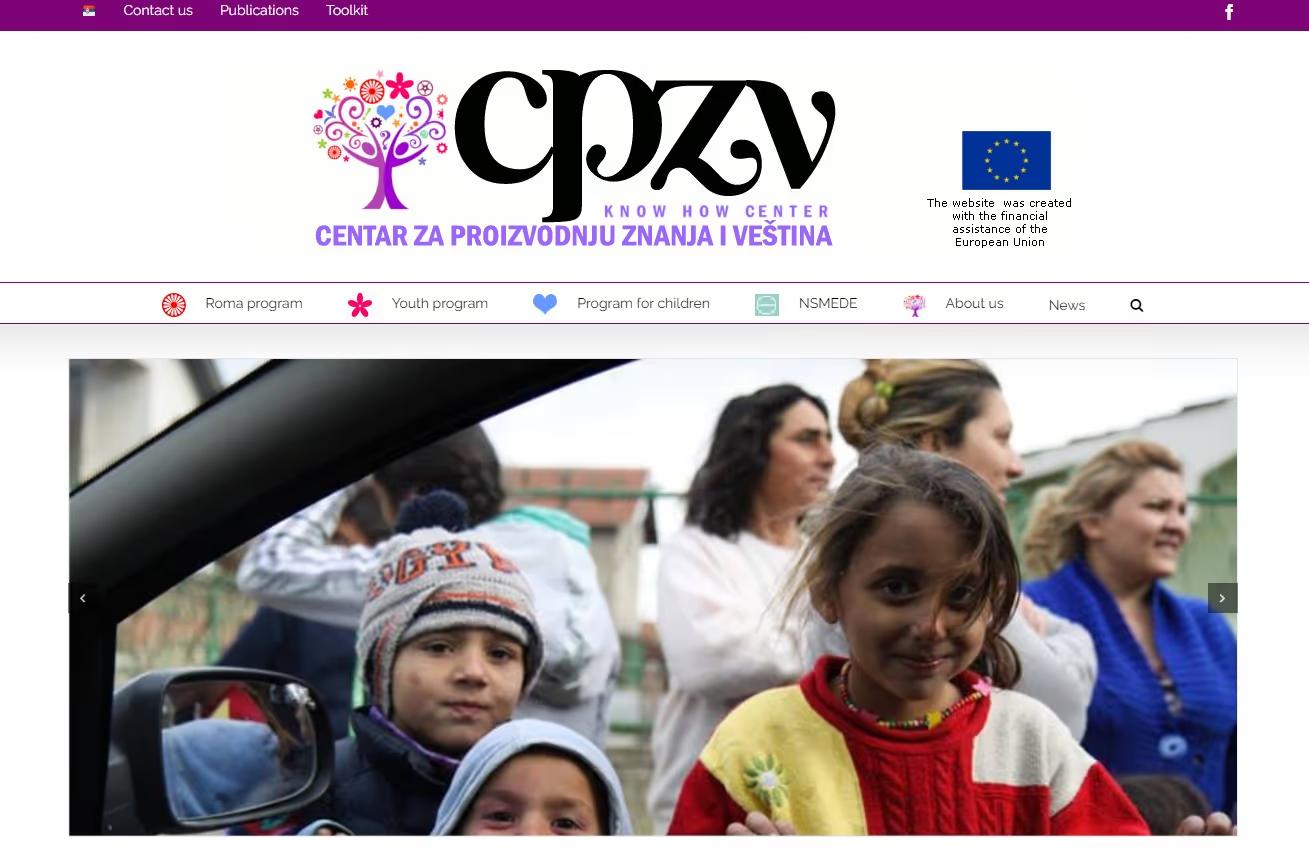
The Novi Sad Intersectorial Network for Children - NSMEDE
Novi Sad Intersectorial Network for Children (NSMEDE) is a local inter-sectorial network aiming to provide a strategic and systematic framework for improving the position of children in Novi Sad. Through the establishment of a flexible model of inter-sectorial cooperation among actors at the local level, the practice works to develop an optimal environment for the development of all children. Activities are tailored to the specific needs of children in the community. The Network merges members' resources into an integrated, structured system of cooperation. This system benefits the local community and creates conditions for peer education and exchange.
Organization(s):
Know How Centre
Language:
Contact:
Tatjana Lazor Obradović, tatjana.lazor@gmail.com
Growing Together
The Growing Together project consisted of three parts: improving preschool education practices by using the ISSA Principles of Quality Pedagogy and parent and community involvement; building community and partnerships at the primary school level, and parental education. The project's results were disseminated through Ministry of Education and other agencies.
Organization(s):
Community Foundation Step by Step
Language:
Contact:
Dina Aidzhanova, daidzhan@mail.ru
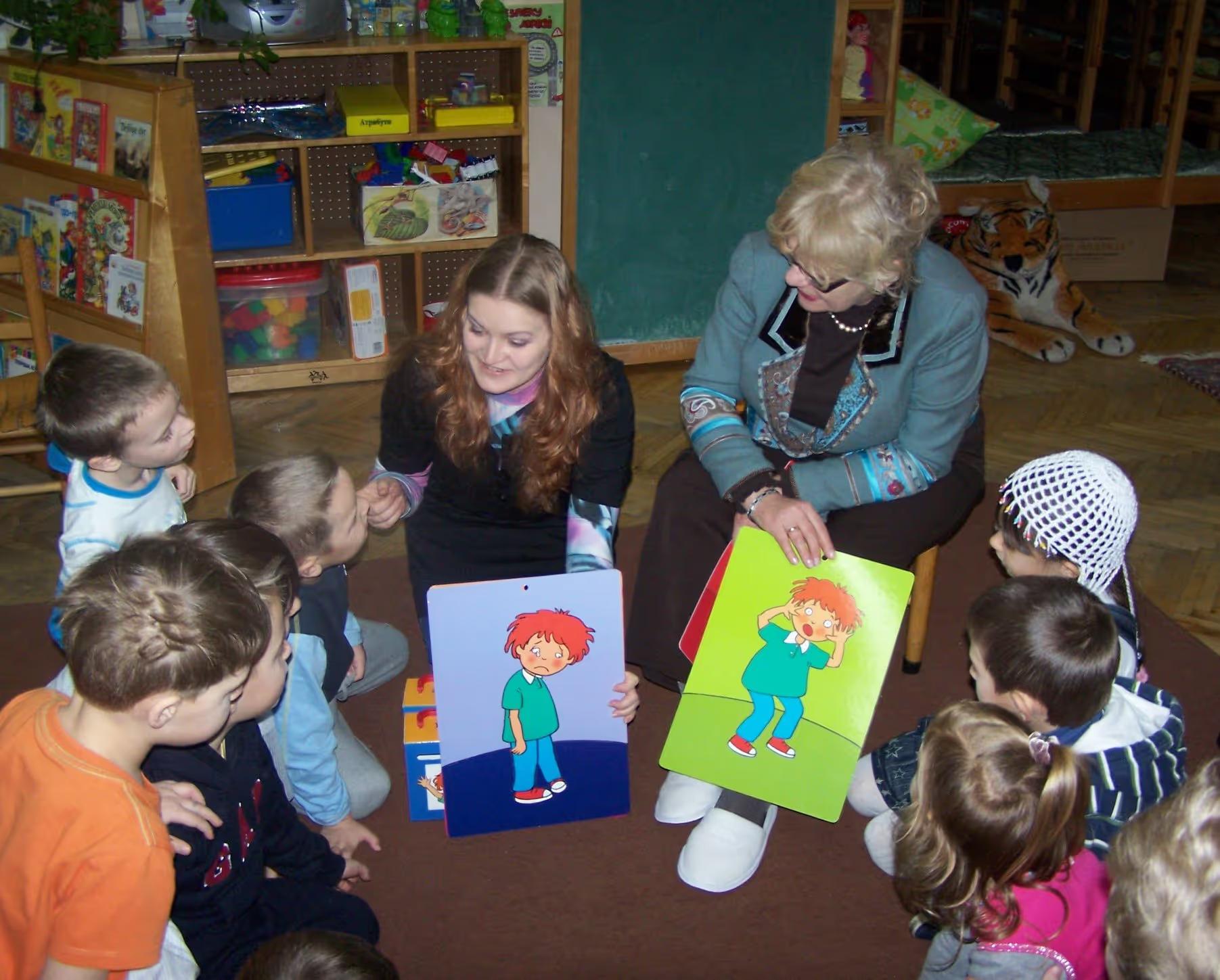
Creating Inclusive Resource Centers
Inclusive Resource Centers (IRC) in five sites in four regions were developed under the programme supported by USAID. Their main purpose is to provide complex inter-sectorial support to children with special needs, their parents and teachers working with these children in pre-school and primary classrooms trough psychological-medical-pedagogical consultations.
The main achievements included:
1) increased number of services for parents of children with special needs;
2) increased level of trust;
3) more competent teachers.
The government adopted the Resolution to create such Centers all over Ukraine by September 2018.
Organization(s):
Ukrainian Step by Step Foundation
Language:
Contact:
Natalia Sofiy, nsofiy@gmail.com
Course on the ISSA Principles of Quality Pedagogy
Inclusion of a course on the ISSA Principles of Quality Pedagogy for fourth year students at the Kazakh Women's University in Almaty, and three methodological training centres in Kysyforda, Zhambul, and Semey regions with co-financing.
Organization(s):
Community Foundation Step by Step
Language:
Contact:
Dina Aidzhanova, daidzhan@mail.ru
Building of an Early Childhood Intervention system in Ukraine
The intervention “Building of an Early Childhood Intervention system in Ukraine” is based on the strategy that was developed for building four good ECI practices in four pilot regions and combines lobbying and advocacy at the regional and national level. The experience gained during the four pilots form the basis for the policies at the national level.
At the national level we stimulated the creation of the National Council on ECI; to develop national policies, regulations and financing mechanisms; for coordination and lobby & advocacy; and for the input from the NGO ECI service providers and parents organisations from the four pilot regions. The health, social policy and education sectors and NGO actors are stimulated and encouraged by the consortium partners to work in partnership. A train the trainer course for ECI professionals was provided and a national team of certified trainers is created.
At the regional and local level, the ECI systems are developed in practice. The four pilot practices feed in the policy development on both regional and national levels, for which coordination is needed between all stakeholders. Civil servants from state bodies and state and NGO care providers are informed about and trained in the principles of ECI, and in multi-sectoral and multi-disciplinary work. The ECI concepts are realized in the four existing NGO ECI service providers (who are recognized as the ‘methodological centers’). In the four pilot regions, ECI policy platforms are developed on community, city, rayon, and regional level. Meanwhile, the government approved six more pilot regions based on the experiences in the four initial pilot regions. Other governmental and non-governmental institutions are introducing ECI concepts in their work. In 2020, 31 ECI-teams operate in 10 regions. To ensure the quality of ECI services, training and supervision of the staff is crucial. NAPD, SOFT Tulip and the Ukrainian network of four ECI centers operate as an informal consortium from where the dialogue with all mayor stakeholders takes place. Simultaneously, the All-Ukrainian Parents Forum for Early Intervention (AUPFEI) is functioning in 10 regions. The parents’ forum pro-actively advocates for ECI services at the local, regional and national levels. The purpose is to mobilize NGOs, established and led by parents, and strengthen their potential to effectively advocate for ECI by providing training, network building, developing communication and relationships at the local, regional and national levels.
An important aspect of the strategy are the many training sessions for ECI professionals, that have been provided by care experts from the network of Dutch care service providers, affiliated to SOFT Tulip.
Organization(s):
Stichting SOFT tulip, National Association of People with Disabilities of Ukraine, Charitable Foundation Early Intervention Center of Kharkiv, Dzherelo Day Care and Rehabilitation Center of Lviv, Path of Life Center for Complex Rehabilitation of Uzhgorod
Language:
Contact:
Eric Bloemkolk, eric.bloemkolk@softtulip.nl
Aflatot: Early Childhood Education for Sustainable Development
Aflatot: Early childhood education for sustainable development. This study took place in the following countries: Albania, Serbia, Slovakia, Kenya, Zambia, Bolivia, Ecuador, Honduras, India and the Philippines to document the effects of the Aflatot programs on social emotional outcomes for young children. The program is implemented in 45 countries by NGOs that are partners of Aflatoun International as well as on governmental level, for example in Ukraine and Indonesia.
The study demonstrated that children are much more likely to think and act independently after having participated in the Aflatot programme. They improve their self–understanding, are managing their emotions in a healthier way, and they are able to identify other children’s and adult’s emotions and to adjust their behavior accordingly. Children better promote and maintain mutual, positive relationships with other children and significant adults after the programme. In addition, children become more confident in realizing their basic needs and they better understand the concept of value by practicing habits that are fundamental to financial literacy, such as delayed gratification, sharing and saving.
Some key indicators of Aflatot program impact: improvement pre- and post-intervention:
INITIATIVE +19%;
SELF-REGULATION +36%;
RIGHTS & RESPONSIBILITIES +20%;
RELATIONSHIPS +17%;
REDUCED CONDUCT PROBLEMS +12%;
DELAYED GRATIFICATION +20%.
Organization(s):
Aflatoun International
Language:
Contact:
Tetiana van Waveren-Valkova, tetiana@aflatoun.org
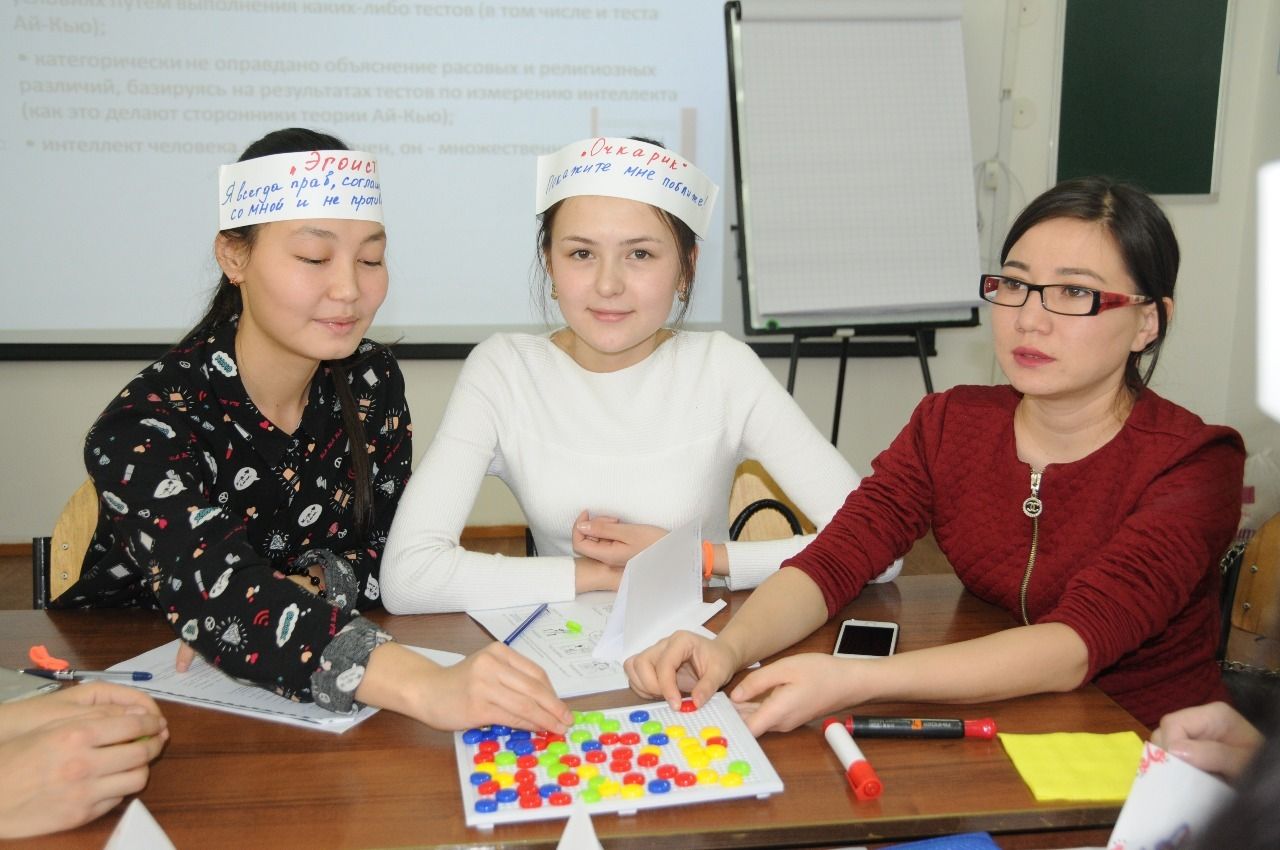
ISSA Welcomes a New member: CEF “School for All”, Kazakhstan
ISSA New Member Community Educational Foundation (CEF) “School for All” is one of the successful Kazakhstani NGOs that implements innovative educational initiatives based on democratic approach in teaching to make it more effective, meaningful, relevant and useful. The Foundation cooperates with other academic and research institutions in the country and abroad.
CEF “School for All” oversees projects with partner organizations relating to Inclusive education and teacher leadership, and advocates for policies to improve access and quality of education. Besides, the Foundation publishes academic articles and conducts qualitative and quantitative research to learn about current issues, improvements and other aspects of the education sector. Moreover, CEF “School for All” provides in-service training and mentoring for teachers of all levels, develops and publishes methodological guides and teaching materials, attends and presents at the local and international academic conferences.
“Through our last three years’ experience, we can share the idea of non-positional teacher leadership development that empower teachers as agents of change and help building innovation-friendly professional cultures in schools,” says Gulbadan Zakayeva, director of CEF “School for All”.
Becoming the ISSA Member, CEF “School for All” hopes to collaborate and build partnerships with the other members, share the information, promote good practices, design and apply joint proposals to the international organizations.
“We have achieved significant success in the development of inclusive education at the Higher School of Kazakhstan and we have made a crucial contribution to making the Inclusive Education course mandatory for all pedagogical specialties of universities in our country,” says Gulbadan Zakayeva, director of CEF “School for All”. We have developed and published a number of methodological materials, including the manual "Fundamentals of Inclusive Education", conducted more than 10 trainings on inclusive education and trained over than 300 teachers of pedagogical colleges and universities. During COVID-19, we have created an online course "Inclusive Education", which has become an important educational and information resource not only for students and university teachers, but has also become accessible and open to a wide range of stakeholders.”
In CEF “School for All” they strongly believe that their efforts and achievements will contribute to the development and transformation of education in Kazakhstan.
Informing and guiding the development of a Framework to Strengthen the Capacity of “Tipat Halav” nurses in Israel
Informing and guiding the development of a Framework to Strengthen the Capacity of “Tipat Halav” nurses in Israel is a qualitative research study on behalf of Goshen Institute, with the overall objective to generate in-depth data that unveil effective processes and strategies which need to be in place in order to achieve a practice-change among Parent and Child Health ("Tipat Halav") nurses in Israel. Specifically, the study, which is part of a larger initiative pursued by Bernard Van Leer Foundation, the Rothschild Foundation Foundation and Israel’s Ministry of Health, aimed at mapping:
- the strategies and processes that need to be in place in order to successfully achieve a practice-change among nurses in working with parents;
- the common elements among successful programs;
- the barriers and challenges in program implementation.
Interviews with 9 training providers and practitioners from across 6 countries, highlighted the complexity of the field and of nurses’ role and revealed the necessary knowledge, skills and attributes that effective nurses should possess. In addition, the interviews revealed the key challenges faced by the profession, the professionals and the training programs, as well as the success factors and recommendations about how challenges can be tackled. Research results highlight that practice-change is inseparably linked to the system in which practitioners operate and that in order for practice change to be achieved it is important to recognize the importance of the field as well as the uniqueness of this field. Thus, interviewees highlighted the need to focus on the social aspects of health and move beyond hospital-oriented practices and theory as well as the need for more innovative, practice-based approaches and experiential learning and for common standards of practice and common standards among training providers.
button[src="https://cdn.prod.website-files.com/694724257114b734f4bb749a/6985ce922886276ab5b3bd70_Report%20-%20Goshen%20Institute.pdf"][label="Download"]
Language:
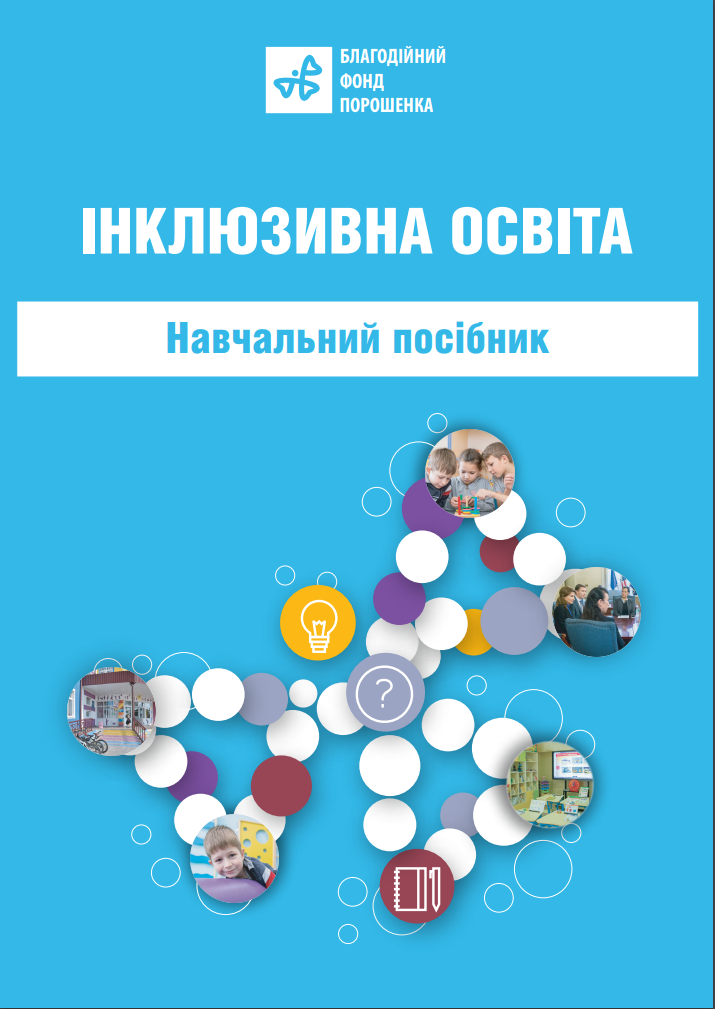
Inclusive Education
The manual “Inclusive Education” describes the conceptual principles of inclusive education, international and national legislation in a field of inclusive education, experience of inclusive education implementing in other countries, public-state governance of inclusive education. The special emphasis is put on the education of children with special needs in the system of general education. The manual is also aimed to provide practical information for teachers working in the inclusive educational environment. The manual includes glossary, practical tasks for experienced and future teachers.
The main purpose of the resource is to equip teacher trainers working in the pre-service and in-service teacher training institutes, other organizations with necessary information, practical recommendations and examples of activities they can conduct in the process of teachers` training and professional development.
The main issues, which are addressed by the manual, are the following: the concept of inclusive education, its objectives and main principles; the system of governance of inclusive education, including characteristics of the schools for children with special needs; introduction of International Classification of Functioning (ICF) as an instrument to identify additional support needs; universal design in education; psychological-pedagogical support of children with special needs within educational inclusive environment; individual educational program (IEP) and assessment in inclusive classrooms.
This is very useful resource for those who work with teachers in the system of pre-service and in-service teachers` training. In addition to useful theoretical information, it provides the examples of the tasks teachers can implement during the training activities and out of the training rooms. The following issues make this resource innovative and inspiring: introduction of inclusive education in the wider context of its understanding based on rights based approach, considering strengths of every child, his/her additional needs to provide equal access to quality education to every child.
button[src="http://poroshenko.com/data/group/21/site2-bff4eba3e5.pdf"][label="Download"]
Organization(s):
Ukrainian Step by Step Foundation
Language:
Contact:
Natalia Sofiy, nsofiy@gmail.com
University Based in-service Training in Early Education
University based in-service training in early childhood education (ECE) is an in-service programme for early childhood educators accredited by Ilia State University. In this program educators of children three to six year are trained in evidence based contemporary ECE practice. Courses include child development, child centred practices, holistic approach, ECE curriculums and methodology, physical environment, observation and assessment, social and emotional development, principles and practices of inclusive education, and advocacy.
The programme is implemented by experienced trainers and lecturers from Ilia State University and includes a practical component, including in-service supervision and coaching from mentors at Ilia. Post training monitoring and evaluation visits have documented the establishment of child centred and inclusive practices in most classrooms. To date, the programme has worked with over 300 educators, but has been limited in its scope due to its affordability for the participants and limited numbers of participants in ach study stream. It is scalable if additional funding sources could be accessed including those from the kindergartens, centres and kindergarten management agencies.
Organization(s):
Center for Preschool and Inclusive Education, Ilia State University, Georgia
Language:
Contact:
Khatuna Dolidze, khatuna.dolidze.1@iliauni.edu.ge
Supporting the Early Development of Children in Informal Roma Settlements
The practice Supporting the early development of children in informal Roma settlements aims to improve the social inclusion of children aged birth to six and their families. The Know How Centre organizes activities aimed at enriching Roma parents' skills living in settlements to provide quality opportunities for their children to develop and learn and at enhancing the competencies of professionals working with young children.
This practice includes a component of direct outreach in communities and provides supervision to outreach workers. Additionally, inclusive workshops are held for children and their families, and both preparation and material support are provided for children attending preschool programs.
Organization(s):
Know How Centre
Language:
Contact:
Milenka Matic, cpzvns@gmail.com
Family Resource Centres
Family Resource Centres were established in Kyzyforda, Zhambul and Semey in Kazakhstan to assist families whose children were not attending preschool (typically poor families). The centers welcomed children and families to prepare them for primary school. The parents received information on child development ad how to promote it at home. The families also learned how to communicate with the schools and became advocates of democratic approaches.
Organization(s):
Community Foundation Step by Step
Language:
Contact:
Dina Aidzhanova, daidzhan@mail.ru

Creating your own YouTube video for online teaching
An Early Childhood Educator shows how one can video tape themselves and then create a YouTube video which students can watch at home at their convenience. The practice has helped other educators who were unable to use platforms like Zoom and still wanted to create a video of themselves teaching for their students.
button[src="https://cdn.prod.website-files.com/694724257114b734f4bb749a/6985cc5223279c3ff6e8c284_Creating%20a%20video%20on%20Youtube.pdf"][label="Download the presentation"]
Organization(s):
Early Childhood Development Association Malta (ECDAM)
Language:
Contact:
Juanita Sultana
Emergency Family Support for Families Affected by COVID-19
Our social services are providing food material support to children and their families who have been affected by the global pandemic and its mitigation measures. Such an event, like the pandemic, may disrupt parenting practices and family routines and thus affect child health and development. By supporting the economic stability and reducing the material hardship of dozens of families who use our services we enhance parents' capacity to deal with or avoid the instability caused by the crisis.
The support was targeted at families with children under the age of 7 and pregnant women. We selected those who had lost their job because of the pandemic or whose economic condition has worsened enough to prevent them from meeting their basic needs. We were working with families that were already our clients as well as with families that we identified during outreach initiatives in Fakulteta - one of the largest Roma neighborhoods in Sofia. We signed a contract with each of the families for a period of three moths and within this period, we provided them with two sets of supplies with nonperishable food.
The programme involves five stages:
1. Evaluation of the needs of the family.
2. Developing a support plan in collaboration with the family.
3. Providing the emergency support.
4. Reporting on the effects.
5. Closing the case or referring the family to a different programme in coordination with the education, healthcare and/or social support systems.
Organization(s):
For Our Children Foundation, Bulgarian Food Bank
Language:
Contact:
Desislava Ilieva
Supporting Families for Nurturing Care
Supporting Families for Nurturing Care: Resource Modules for Home Visitors
Supporting Families for Nurturing Care
Trainer Guide for Home Visitors
Module 1: The Early Childhood Years - a Time of Endless Opportunities
Module 2: The New Role of the Home Visitor
Module 3: Nutrition for Infants and Young Children
Module 4: Falling in Love - Promoting Parent-Child Attachment
Module 6: The Art of Parenting - Love, Talk, Play, Read
Module 7: Parental Wellbeing
Module 8: Common Parenting Concerns
Module 9: Home Environment and Safety
Module 10: Caring and Empowering - Enhancing Communication Skills for Home Visitors
Module 11: Working Against Stigma and Discrimination - Promoting Equity, Inclusion and Respect for Diversity
Module 12: Children who Develop Differently - Children with Disabilities or Developmental Difficulties
Module 13: Developmental Monitoring and Screening
Module 14: Keeping Young Children Free from Violence, Abuse and Neglect
Module 15: Working with Other Services
Module 16: Responsive Feeding
Module 17: Supervision - Supporting Professionals and Enhancing Service Quality
Module 18: Gender Socialisation and Gender Dynamics in Families - the Role of the Home Visitor
Module 19: First Steps to Preschool
Module 20: Healthy Weight, Physical Activity and Sedentary Time
Module 21: The Care of Small and/or Sick Newborns
Module 22: Protecting Young Children from Vaccine Preventable Diseases
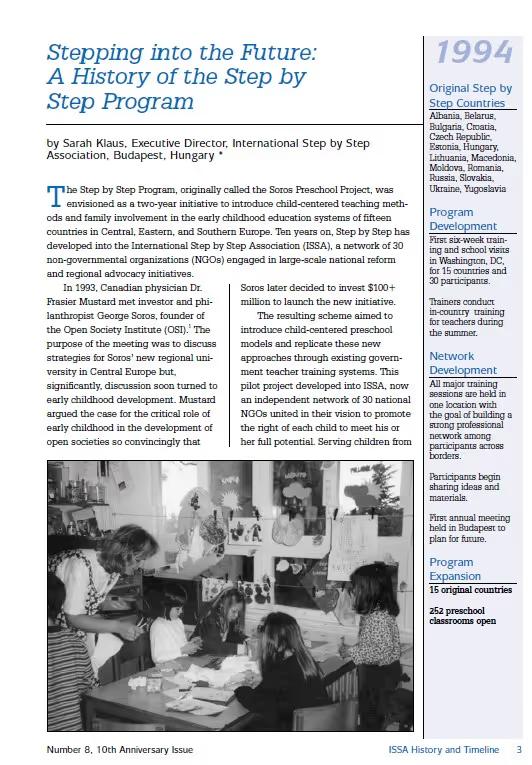
Stepping into the Future: A History of the Step by Step Program
An article offering an overview of the Step by Step Program's 30-year history.
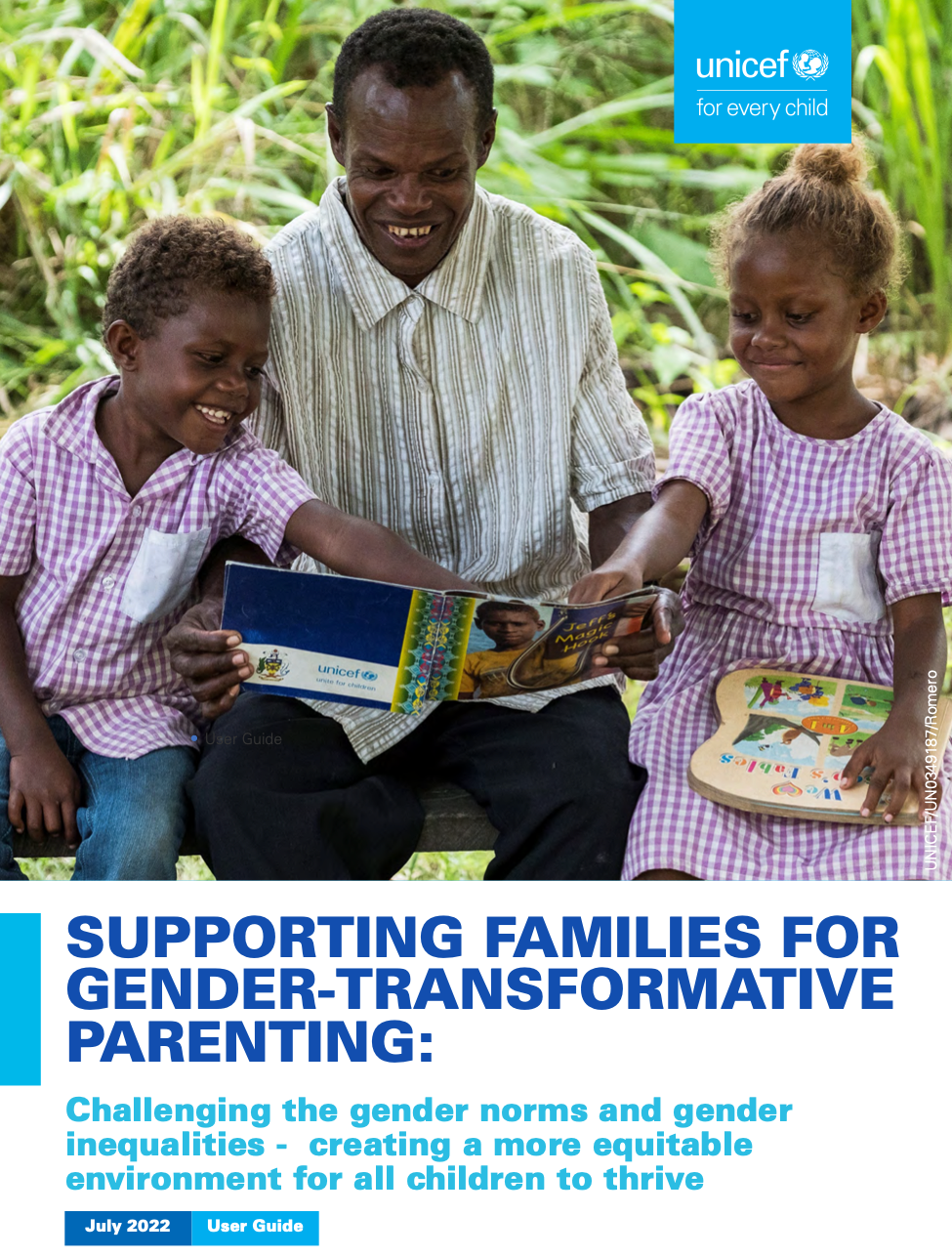
Supporting families for gender transformative parenting: Challenging gender norms and gender inequalities to create a more equitable environment for all children to thrive
The Gender Transformative Parenting Training Resource Package for frontline workers from different sectors was created in partnership with UNICEF Regional Office for Europe and Central Asia (ECARO).
The package provides evidence-based information, recommendations, and training modules for frontline workers to support parents in implementing gender-transformative parenting practices at home and support positive gender socialization of children aging between 0 to 18, covering all childhood periods: early childhood, middle childhood and adolescence.
The package was designed to be a global resource, meaning that the modality of use allows flexible adaptation and contextualization.
Find the resources here:
- User Guide
- Resource Modules