Knowledge Hub
All the resources stored here have been created by ISSA Members
or ISSA Secretariat in partnership with Members or partners.



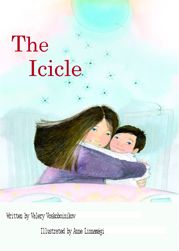
The Icicle
Alex wants to buy his mother a birthday present, but all he has is a frying pan! He bangs on it with a street orchestra to earn money, but the musicians chase him away. When Alex fills his frying pan with soapy water to earn money washing cars, that doesn't work either. Finally, with great ingenuity Alex brings his mother a charming and original gift!
Written by Valery Voskoboinikov (Russia)
Illustrated by Anne Linnamägi (Estonia)
Picture Book Preschool
8.25 x 10.5 in. -32 pages - paperback
Copyright 2007
Catalog: Books for children SKU: 12345623213 Date of publication: December, 2007Price: €0,00
Published in:
2007
Organization(s):
ISSA - International Step by Step Association
Language:
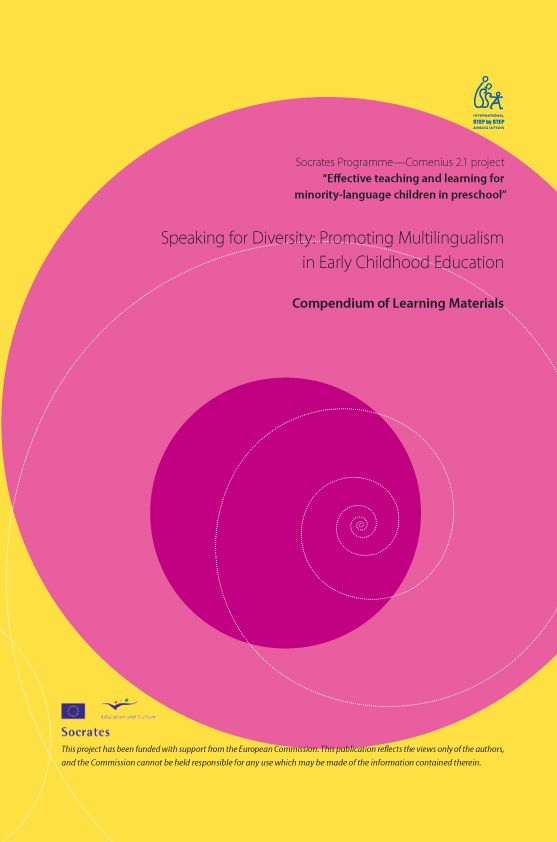
Effective Teaching and Learning for Minority-language Children in Pre-school
ISSA's Effective teaching and learning for minority-language children in preschool is a set of materials developed under the Socrates Programme-Comenius 2.1 project in partnership with ISSA’s members from Slovakia, Open School Foundation, and from Estonia, Hea Algus with input from international partners from Italy (Cooperation per lo sviluppo dei Paesi Emergenti/COSPE) and the Netherlands (Sardes Education Services). The set consists of: Teachers' Guide "Speaking for Diversity: Promoting Multilingualism in Early Childhood Education";
Training Modules for adult educators; and Compendium of learning materials focusing on the benefits of multicultural/intercultural and child-centered approaches for second language learners, the long term social and cognitive benefits of supporting children's home language while learning new languages; the effective classroom teaching and learning strategies for second language learners; assessing and planning instruction for second language learners; the importance of building bridges with families and communities of minority language speaking children etc. In 2009, the project was featured by DG Education and Culture as one of the most creative and innovative best practice from EU programs.
Published in:
2006
Organization(s):
ISSA - International Step by Step Association
Language:
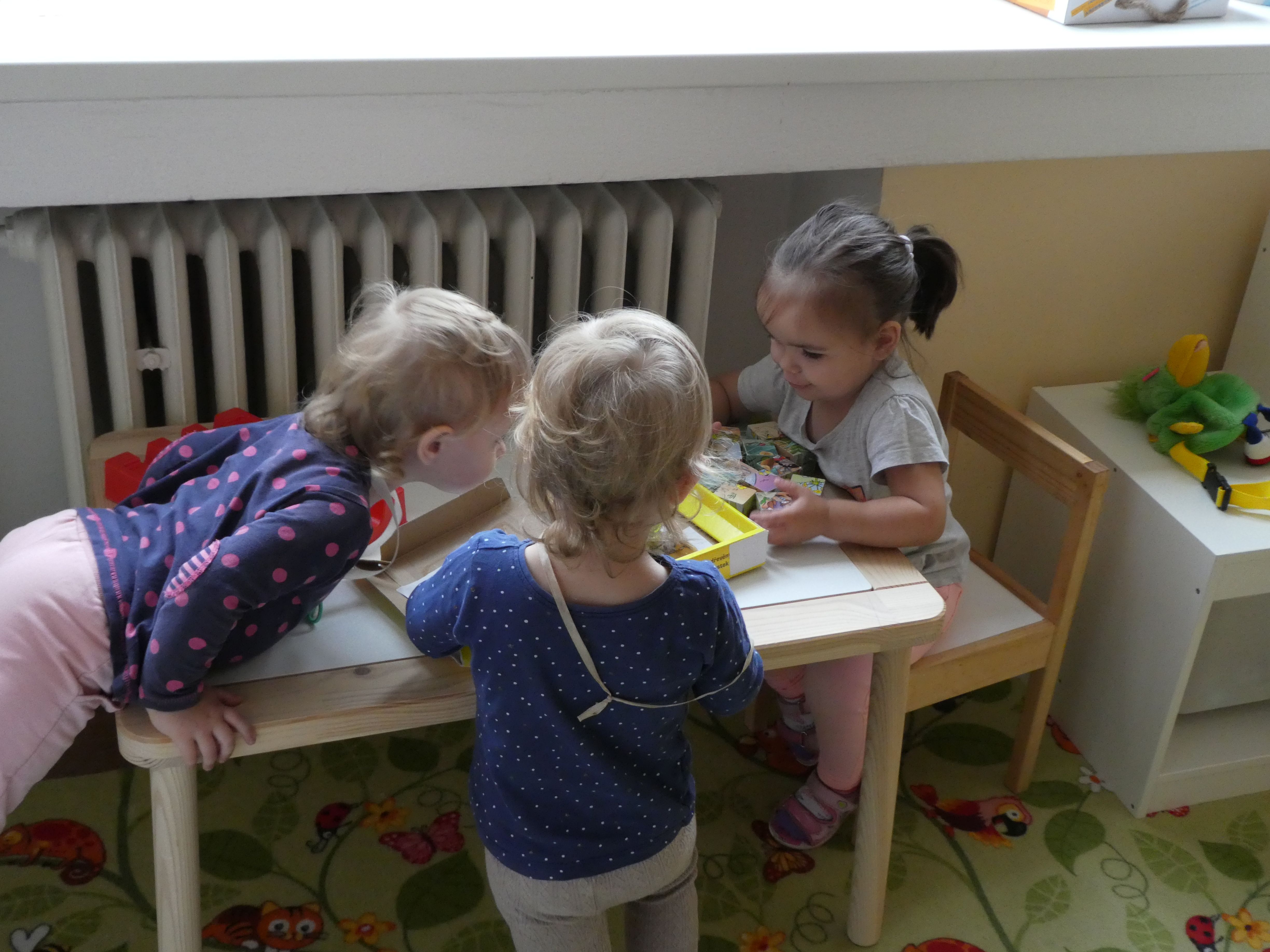
Play Hubs: nonformal ECEC supporting young Ukrainian children in Slovakia and Hungary
From February 2022, 8 million Ukrainian refugees were registered across Europe. The vast majority has arrived in Poland, Romania, Moldova, Hungary, Slovakia, and Czech Republic. Forty percent of these refugees are children, who have witnessed distressing events and are experiencing anxiety and unhappiness that could develop into long-term mental health difficulties.
It is difficult to retrieve official statistics about Ukrainian refugees by age, but according to a report published by UNHCR in February 2023, an estimated 26% of Ukrainian refugees are between zero and 10 years old, with an equal distribution of boys and girls.
Integrating Ukrainian refugees into national systems is proving to be challenging for smaller European countries, such as Slovakia and Hungary, especially when it comes to ensuring that refugee children have access to education. According to the same UNHCR report, in Slovakia and Hungary, approximately 40% of Ukrainian refugee households with (pre)school-aged children have at least one child not registered for education in the hosting country. The reasons for not enrolling in education within the host country vary from preferring online education in Ukrainian (63%), to the lack of space in schools (15%), to language barriers (13%), to the belief that they will only stay in the hosting country for a very limited time (7%).
Providing safe, welcoming, multi-service spaces for these children and their caregivers is crucial to promote their psychosocial well-being and ensure their access to education, health, and protection services, as well as to increase their chances to integrate in their hosting countries.
Since July 2022, ICDI and the national coordinators of the TOY for Inclusion program in Slovakia, Škola dokorán, and in Hungary, Partner Hungary Foundation, have been providing support to young Ukrainian refugee children and caregivers through play and learning opportunities. All three organizations are long-standing ISSA Members.
In Slovakia, thanks to UNICEF’s support, partners were able to open six new Play Hubs in 2022 and four more will open their doors in 2023 alongside a mobile Play Hub supported by EPIM.
In Hungary, a mobile Play Hub will reach underserved communities starting in the Spring 2023 (also supported by EPIM), and 12 Play Hubs will be established in cooperation with War Child.
In 2023, ICDI will open the first Play Hub in Ukraine, in Kyiv, in cooperation with Labour and Health Social Initiatives – LHSI.
The TOY for Inclusion Play Hubs are community-based inclusive non formal educational spaces for young children and families. In the Play Hubs relationships between young children and families from all backgrounds are built through playing together, borrowing toys, connecting services and sharing information about childrearing, health, early learning and development.
The Play Hubs offer safe and welcoming spaces for internally displaced children and families, where they:
- socialize and make new friends,
- learn the local language,
- express emotions, and process traumatic experiences,
- get to know their new community,
- be introduced to education and other services,
- get specialized support in different areas through direct referral: education, health, housing, employment, etc.
In January 2023, ICDI published two new resources for practitioners working in formal and nonformal ECEC services who want to promote the psychosocial well-being and integration of young refugee children and their caregivers:
- the ‘Play for Inclusion’ Handbook, which provides important background theory on the effects of war, displacement and trauma on child development and well-being, the concept of community-based child-friendly spaces in emergencies and an easy-to-use selection of simple activities that can be organized in Play Hubs and other non-formal and informal education settings involving children and caregivers. (Available in English and Slovak, and soon also in Ukrainian and Hungarian)
- the “Mobile Play Hub Operating Guidelines”, intended for organizations wishing to set up and run Mobile Play Hubs for children aged birth to 10 years old and make (outdoor) play more accessible to children of all ages. This resource also comprises of a set of Activity Cards that provide inspiration for outdoor play. (Available in English and soon also in Slovak, Hungarian, and Ukrainian).
The experiences of those working in Slovakia and Hungary have been rich and provide inspirational insights into the impact the TOY for Inclusion approach can make. The teams from Slovakia and Hungary share their expriences below.
Play and Learning Hubs in Slovakia
Play and Learning Hubs for Slovak and Ukrainian children have been implemented in Slovakia as a part of the UNICEF humanitarian response since July 2022. This intervention has evolved from a first humanitarian response to a more targeted long-term response focusing on integration and inclusion.
The project is implemented by Škola dokorán - Wide Open School n.o., with the aim of strengthening understanding and cooperation between people from different cultures, as well as supporting an approach based on social cohesion, where all members of local communities, including refugees, share services and have equal access to activities and workshops.
In coordination with the participating municipalities, our organization has established Play and Learning Hubs and mobilized local communities to provide quality and inclusive learning opportunities for children aged zero to 10 years and their caregivers. The Hubs are located in six municipalities in Slovak Republic – Žilina, Prešov, Košice, Tatranská Lomnica, Poprad, Spišská Nová Ves. These locations have been identified in a prior needs analysis, and on average, the Hubs reach more than 5,000 beneficiaries per month.
Four more Play and Learning Hubs and several mobile Play Hubs will be established in 2023.
What exactly do we do in the Play and Learning Hubs?
- We play and learn together. We strengthen relationships between children, parents and grandparents through joint activities based not just on common interests, but also on topics and issues of concern to both children and adults.
- We read together. We do not take reading literacy lightly! As well as promoting reading skills, we also work to develop reading comprehension and language skills of children. We also work very diligently to build children's love of books and stories.
- We stay healthy and strong together. We place great emphasis on the physical and mental health of children and adults. Human closeness, shared activities outdoors and indoors are healing for individuals, and help us build community and supportive relationships.
We also provide capacity building and training opportunities for teachers, professionals, assistants, and others who care for children in the Hubs.
One of the challenges we faced early on was the lack of data and information. Given the constantly changing situation in Ukraine, we had to be very flexible and adapt our activities and interventions “as we went”. The group of children and adults who are our target group is very diverse — as are their needs, limitations, expectations, etc. However, all situations we have faced have taught us a lot and we are now able to offer tailor-made services for everyone entering our Hubs.
The implementation of this project has taught us to respond very flexibly to the needs of children and adults. We see that psychosocial support is extremely important for people who have experienced adverse circumstances. For this reason, we provided psychosocial support trainings to our staff, and we cooperate frequently with psychologists. In all our activities, we keep in mind that it is essential to create an environment (both in terms of physical space and atmosphere) for activities where children and adults feel safe, comfortable and like to return. We also realized that connecting Ukrainians and other people from the community and involving all of them in common activities is important for the well-being of Ukrainian children and adults, fostering their sense of belonging and building strong foundations of social cohesion in the community and the whole society.
It is amazing for us to see how Slovak children help Ukrainian children, how they play with them and try to get along without using any language, or using all the languages they speak at once. What is even more beautiful for us is to see situations when you cannot determine where a child is from because they all laugh and have fun in the same way and all feel equally accepted and involved in the activities.
We are very happy that we are already seeing Ukrainian families "putting down roots". Many families have already started to build relationships with people (other Ukrainians, Slovakians or other nationalities), in the workplace, the Play Hubs, schools, kindergartens and neighborhoods where they live.
Play Hubs in Hungary
When the war broke out, thousands of Hungarians — individuals, civil society organizations, companies, large humanitarian organizations, and municipalities — immediately started to help. They did this mostly by providing food, accommodation, and other kinds of humanitarian aid.
All our staff at Partners Hungary also started to help in some ways, as individuals. One colleague went to the border to help, while another went to the Keleti railway station to distribute food, and another volunteered at a temporary shelter for refugees.
As an organization we needed some time to understand the situation until we could intervene in a strategic way. We realized that we were not very experienced in providing humanitarian aid, and there were a lot of other organizations and individuals more capable than us to offer this kind of support. So, we started to look at our strengths and how they could be put in use in this situation.
We realized that Hungary is in a special situation regarding the Ukraine response, as the refugees are not refugees in legal terms. While those entering Hungary are fleeing the war, and they are disadvantaged not only because of the war. Most of the Ukrainians staying in Hungary belong to the Hungarian minority in Ukraine, and most of them are Roma by ethnic background. Some have Hungarian citizenship according to a law introduced in 2011. Most of them are children and women coming from the Transcarpathian region hoping to have a safer and better life in Hungary.
We knew that the Play Hubs we established in that past four years in cooperation with ICDI, and other civil society organizations in the region, were providing safe environments for Roma and non-Roma children and families to play, and access services. Every Play Hub offered tailor-made support and programs based on the needs that were identified by the Local Action Team, composed of the professionals who work for the children and families across sectors (education, health, and social services).
It became obvious that our Play Hubs be our strongest response for Ukrainian children as well. Based on this analysis, we took different steps in this direction.
In October 2022, we partnered with ICDI and Skola Dokoran and are going to open the first Mobile Play Hub in Hungary in the Spring 2023.
At the end 2022, we started cooperating with War Child, and in the course of 2023, we will establish 12 new Play Hubs all over Hungary to serve all the children in local communities with special focus on the Ukrainian children for whom play can be a tool to heal their trauma and stress caused by the war.
We have also realized in our extensive experience working with and supporting Roma, that through their lens it was very unfair that “other Roma” – coming from Ukraine – were receiving free food, accommodation and clothes, while those who has been living in Hungary for hundreds of years still suffered from many forms of discrimination - in the labor market, housing and education - and many of them suffer from deep poverty as well. This double standard is leading to more prejudice and tension in Hungary. We believed that Partners Hungary could try to mitigate the risks. Our approach of intercultural mediation seemed like a fitting solution for bringing the local Roma and the newcomers together and helping them identify their joint interest in advocating for themselves. We will train 12 mediators in six locations to form their joint community action teams and bring the interested stakeholders together to find the solutions for their problems and implement local projects.
While thinking and planning our strategy and analyzing the needs, we started to see the situation as an opportunity to build more cohesive communities. We believe that by persuading municipalities of the benefits of inclusion, not only in the case of the refugees but for everyone, and the need to provide better services for all, we can increase everyone’s resiliency and provide better life quality for all.
We always find that we need to deepen our knowledge and need to learn new things when we step into a new field. While getting into the work with the Ukrainian refugees, we realized that we did not know enough about the consequences of a war on children’s and adults’ well-being, so we found the way to learn more on the nature of trauma and stress and how to create a safe environment for children and families to heal and being able to reorganize their lives. This knowledge is very important for all those professionals who are working with children. Now we have started to spread this knowledge through trainings and workshops all over Hungary.
Authors:
Giulia Cortellesi, Co-Director of International Child Development Initiatives
Erika Szaboova, Communications Manager of Škola dokorán - Wide Open School n.o.
Éva Deák, Executive Director of Partners Hungary Foundation
Photos Courtesy of Škola dokorán - Wide Open School n.o.
Step by Step Program | Reports and Evaluations
Step by Step Program Reports and Evaluations
Access evaluations and reports, which offers in-depth analyses and insights into the effectiveness and impact of various educational programs. Our evaluations and reports include:
- Evaluation of the Step by Step Program (Education Development Center, 1998) - Executive Summary: A thorough assessment of the Step by Step program's implementation and outcomes.
- Master of Science in Early Childhood Development: Selected Summaries of Student Research (Institute of Education Development, BRAC-IED, Dhaka, 2010): Summaries of notable research conducted by graduate students in the field of early childhood development.
- Building Open Societies Through Quality Early Childhood Care and Education: Case Studies of the Step by Step Program: Case studies demonstrating how quality early childhood education can contribute to the development of open, inclusive societies.
- Starting Strong Evaluation: Impact Evaluation Research Brief (June 2019): A research brief highlighting the impacts and outcomes of the Starting Strong evaluation.
- Starting Strong Evaluation Policy Brief (June 2019): A policy brief offering key recommendations based on the findings of the Starting Strong evaluation.
- Consolidated Final Report: Evaluation of the Program for Children and Parents – Dam Len Phaka’ (April 2019): The final report evaluating the program designed to support children and parents.
- Creating Financing and Governance Preconditions for Inclusive Early Childhood Development and Education Systems: Latvia, Serbia, Bulgaria, Ukraine, and Lithuania (2015): An analysis of the financial and governance conditions necessary for inclusive early childhood development and education systems in various countries.
Language:
Step by Step program | ISSA Journals
ISSA Journals
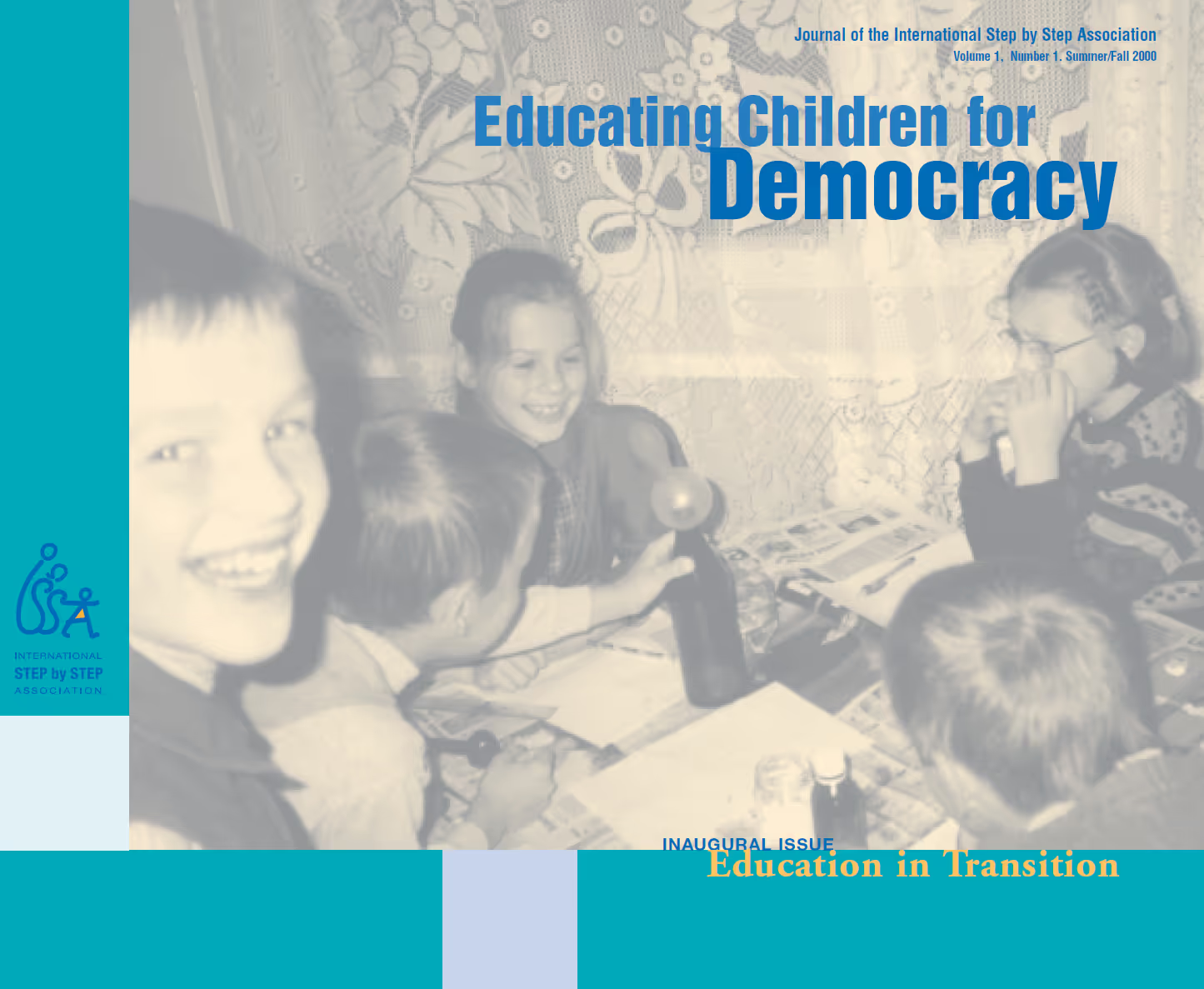
Between 2000 and 2005 the International Step by Step Association produced nine Issues of the Journal Educating Children for Democracy. The journals feature lively articles about Step by Step and child-centered early education written by regional and international early childhood pedagogues and experts.
Number 1: Summer/Fall 2000
Number 2: Winter/Spring 2002 Family and School Partnerships
Number 3: Summer/Fall 2002 Family and Community Involvement
Number 4: Winter/Spring 2003 Learning Through Play
Number 5: Summer/Fall 2003 Child-Centered Education: Roots, Renewal and Growth
Number 6: Winter/Spring 2004 Early Childhood: A Global Concern
Number 7: Summer/Fall 2004 Quality in Early Childhood Education
Number 8: November 2004 A Decade of Steps in Educational Reform
Number 9: Summer/Fall 2005 Transforming Early Childhood Education
Module 19: First steps to preschool
This module presents key information on what you can do as a service provider to help parents understand the importance of quality early childhood education and care (ECEC).
The information and guidance presented in this module is most applicable to parents and teachers of ECEC-aged children, and particularly those aged between 3-6 years.
The aim of this module is to enhance and update your knowledge regarding the value and importance of young children attending high-quality, inclusive preschool programmes and how you can support parents in this matter.
You can access the whole package here.
button[src="https://cdn.prod.website-files.com/694724257114b734f4bb749a/69b01dd5928a9f4cc4a73613_YCHW%20HV%2019%20Preschool%20Education.pdf"][label="Download"]
Module 20: Healthy weight, physical activity and sedentary time
The foundations of a healthy life style – healthy weight, an adequate amount of physical activity, and sufficient sleep – have their roots in the early years.
Levels of physical activity and quality of sleep significantly affect child health, development and wellbeing. Good quality information and behaviors, starting at (or even before) conception through the early years, can create the foundation for life long health and wellbeing.
You can access the whole package here.
button[src="https://cdn.prod.website-files.com/694724257114b734f4bb749a/69c0f601515f75e6143c18a5_20-HealthyWeight-Physical-Activity.pdf"][label="Download"]
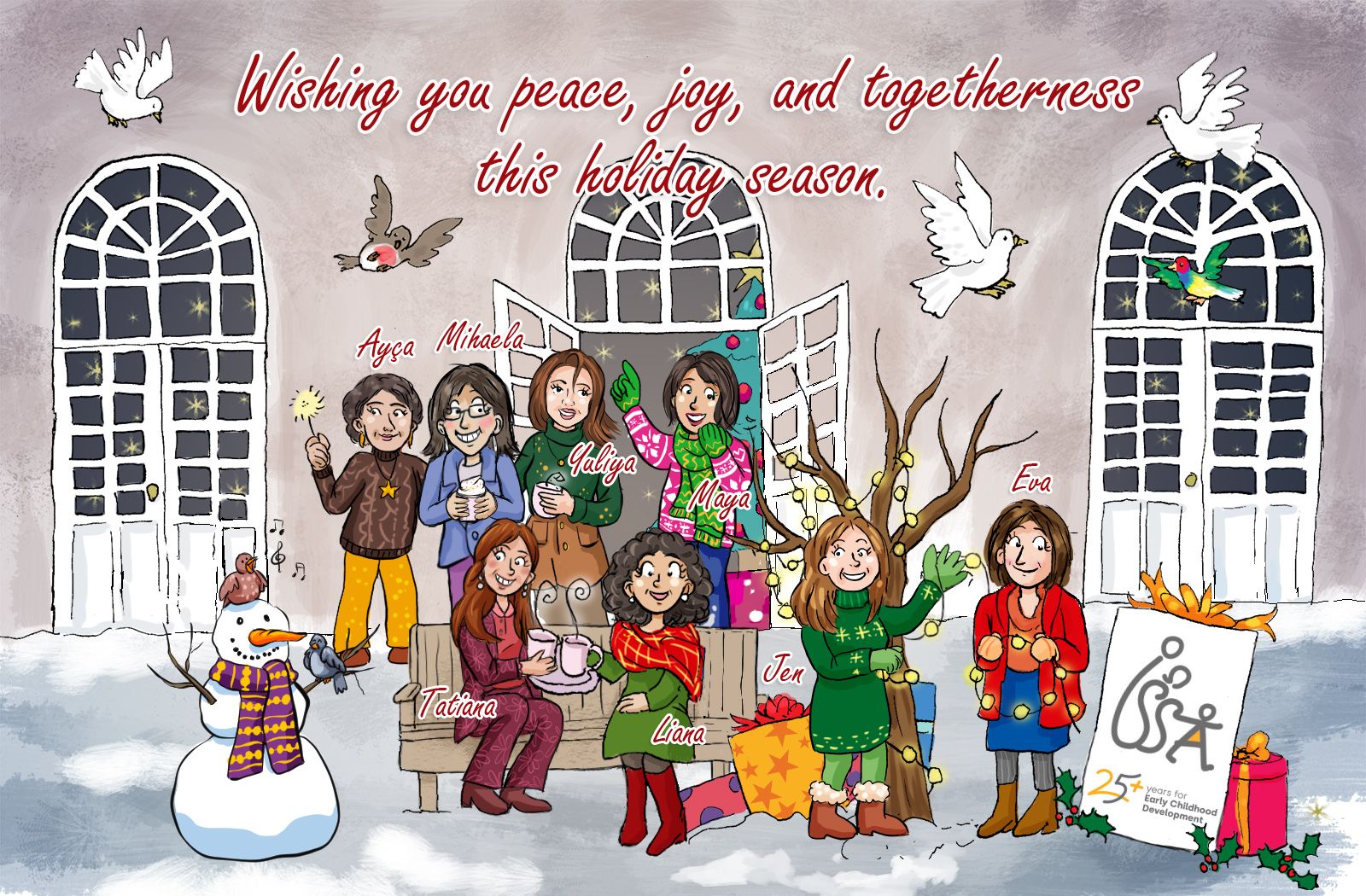
Warm Greetings as We Welcome a New Dawn Together
As we close this year, we are reminded of a familiar moment in history. Before the Renaissance illuminated Europe, it was preceded by centuries often called the “Dark Ages”, a term that obscures the quiet breakthroughs, steady innovation, and determination that made later flourishing possible.
This past year held a similar truth for us at the ISSA Network Hub. It was a year marked by resilience, adaptation, and honest reckoning as we navigated funding challenges, shifts in the early childhood landscape, and the emotional weight of saying goodbye to colleagues who have shaped ISSA’s journey for so long. Their dedication continues to live in our work, inspiring us as we step into the next chapter.
At the same time, the internal transformations were deeply tangible. Downsizing our office meant opening cupboards and boxes that travelled with ISSA from Budapest to Leiden more than a decade ago. It took weeks of sorting through boxes, deciding what to keep, what to release, and what stories from our past deserved a place in our future. There were countless trips to the attic and, eventually, we all landed: team, files, and every office plant, together in a shared space which became its own small lesson in adaptation. We negotiated lamps versus ceiling lights, heating on versus heating off, quiet rhythms alongside lively bursts of collaboration. It took patience, humour, and a fair amount of compromise, but slowly our office transformed into a warm, collaborative oasis shaped by care and by the simple act of showing up for one another.
Amid all this change, something forward-looking took root. What began as a conversation in the spring grew into the ECOS Institute. Over the months, we shaped its purpose, its scope, its identity, and the quality framework that will guide it. Built from the ground up, the Institute represents a bold new chapter for ISSA and for the early childhood field, one that will open new avenues for learning, collaboration, and elevating the work and expertise of our members and partners.
Through every transition, our members remained at the heart of our purpose. Your commitment, insight, and trust grounded us, inspired us, and reminded us why this work matters. We are equally grateful to our partners and allies, whose collaboration strengthened our ability to continue delivering programmes, consultancies, and support that make a meaningful difference for young children and their families.
As we turn toward the new year, the sense of an emerging renaissance feels real. With renewed clarity and strengthened community, we look forward to the full launch of the ECOS Institute, to deepening partnerships old and new, and to coming together again at next-chapter ISSA Conference in Lisbon in October 2026.
We are grateful for everything we have weathered, learned, and created together this year. We wish you a joyful holiday season and a hopeful beginning to the new year. Together, we will continue building a brighter future for every child.
The Team at the ISSA Network Hub

TOY for Inclusion training inspires coordinators of new Play Hubs
Eight candidates to be Play Hubs coordinator attended a three-day training in Croatia. “I felt understood; people accepted me as I am,” said trainee Tatiana Pastorekova.
Eight new TOY for Inclusion Play Hubs will open in 2020. The in-training coordinators followed a three-day international training session in Sisak (Croatia) this week.
“I like to work with children and people. It is in my heart and I want to give something back to society”, said one of the trainees, Tatiana Pastorekova. She is a preschool teacher and has been selected as a coordinator of the Play Hub that will open in Roskovce (Slovakia) next year...
Continue reading on reyn.eu.
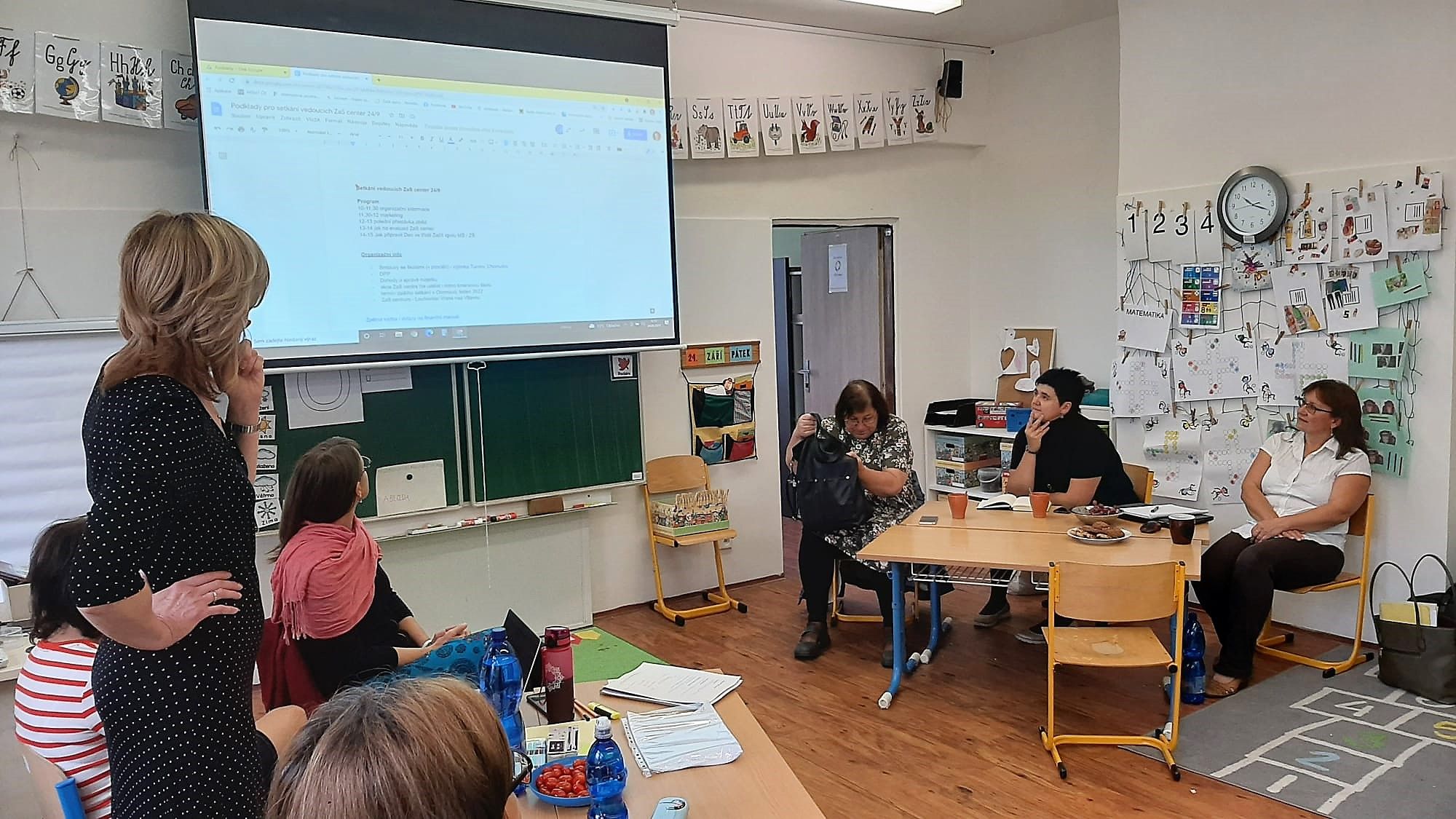
Step by Step ČR is helping Ukrainian children settle into Czech schools
Since the start of the war in Ukraine, more than 120,000 Ukrainian children have arrived in the Czech Republic. Step by Step ČR responded swiftly to this influx of Ukrainian families by hosting webinars in late March and early April, titled “We have new, Ukrainian classmates” in which they examined how Ukrainian children can be supported and included in their transition into Czech schools.
The webinars unpacked the impacts that the current situation is having on everyday life at school and offered guidance to teachers on how to work with the newly arrived children and their families. They also gave tips on encouraging students to cooperate, communicate, and learn from each other.
Plans for integrating Ukrainian children
Despite the swift response from NGO’s, Iveta Pásaková from Step by Step ČR says that, overall, the response from the government has been “uncoordinated and random”. The government is currently in the process of developing new rules and guidelines that will take effect at the start of the new school year. At this point, school attendance will become mandatory for all Ukrainian children.
In order to facilitate the smooth transition of Ukrainian children into Czech schools, Step by Step ČR has obtained a grant which will be used to train teaching assistants who will work with Ukrainian children in schools and kindergartens in the new school year. Currently, the organization is busy planning how these funds will be used.
What do Ukrainian parents and children need most right now?
Iveta says that, “What Ukrainian families need most right now is guidance and support in settling into their new environments.” For parents, it is essential that they receive help in applying for visas, looking for jobs, and finding schools for their children. Without first addressing these bureaucratic hurdles, settling into a new society will be even more challenging and complex.
"For children, it is important that they are included and received with empathy to help them process their traumatic experiences and re-establish a sense of normalcy. This is crucial to their development."
- Iveta Pásaková, Director, Step by Step ČR
Ultimately, Iveta says that the main priority of Step by Step ČR currently is influencing the school climate with the aim of supporting teachers as they try to facilitate cooperation between the families of Czech and Ukrainian children in order to avoid frustration on both sides. She adds that Step by Step ČR is actively traying to “encourage sympathy and receptivity for the needs of Ukrainian children”. However, the biggest challenge they are faced with at the moment is in developing strategies for effectively understanding and communicating with the children in another language.
You can offer financial support to the Association and other ISSA Members here.

Playful Parenting Series | Navigating Digital Play: A Fun Guide for Safe, Responsible, and Beneficial Screen Time for Kids
In today's digital age, children are growing up surrounded by technology. Screens are everywhere, and they're here to stay. For parents, teachers, and caregivers, this can feel like riding a rollercoaster. How can we ensure that screen time is a fun yet positive experience for our kids? How can we turn digital play into something safe, beneficial, and responsible? This guide will help you navigate the digital landscape with confidence, making sure that screen time boosts learning and development while keeping things safe and balanced.
Digital play refers to any play activity that involves digital technology. This can include a wide range of activities, such as playing video games, using educational apps, watching videos, or interacting with digital toys. It's important to recognize that digital play is not inherently bad; it can offer numerous benefits when used appropriately.
Making Screen Time Beneficial
Not all screen time is created equal! Here’s how to make digital play both fun and beneficial:
Addressing Parental Concerns
We get it—parents worry about how screen time affects their kids’ health and development. Let’s tackle these concerns head-on with some simple tips:
Leveraging Digital Play for Learning
Digital play can be a goldmine for learning! Here’s how to make the most of digital tools for educational purposes:
A Healthy Balance of Screen Time with Physical Activity
The World Health Organization (WHO, 2019) also recommends that kids under two should have no screen time, and those aged two to five should have no more than one hour per day. The secret sauce to healthy screen use is balance. Mix screen time with plenty of physical activity and other kinds of play. Fun activities like reading, storytelling, puzzles, and games can provide rich experiences that help develop fine motor skills, cognitive abilities, language, and social-emotional skills.
Supporting Parents, Educators, and Caregivers
Supporting children in their digital play requires a collaborative effort between parents, educators, and caregivers. Here are some tips to help you work together effectively:
Special Considerations for Young Children
For the tiniest tots, screen time needs to be handled with extra care. Research shows that young children learn best through hands-on experiences and interactions with their caregivers. Here’s some advice for this age group:
Guidelines for Infants (0-18 months)
Guidelines for Toddlers (18-24 months)
Guidelines for Preschoolers (2-5 years)
To sum up: Informed choices help promote positive outcomes in digital play
By engaging with your kids, choosing high-quality content, setting clear boundaries, and modelling healthy habits, you can ensure that digital play enhances learning and development while keeping things safe and balanced.
References
Scott, F. L. (2021). Digital Technology and Play in Early Childhood. The School of Education, Faculty of Social Sciences, The University of Sheffield. Retrieved from https://www.child-encyclopedia.com/pdf/expert/technology-early-childhood-education/according-experts/digital-technology-and-play-early-childhood
UNICEF. (2022). Digital technology and play: Implications for child well-being. Retrieved from /mnt/data/UNICEF-RITEC-Digital-technology-play-child-wellbeing-2022.pdf.
UNICEF. (2024). Rights of the child and digital technology: Towards a comprehensive approach. Retrieved from https://www.unicef.org/innocenti/media/8056/file/UNICEF-Innocenti-RITEC-P2-report-2024.pdf.pdf
UNICEF, International Step by Step Association. (2023). Heatly weight: physical activity and sedentary time. Module 20. Supporting Families for Nururing Care. Retrieved from: https://www.issa.nl/Module-20-healthy-weight-physical-activity-and-sedentary-time
World Health Organization (2019). To grow up healthy, children need to sit less and play more. Retrieved from: https://www.who.int/news/item/24-04-2019-to-grow-up-healthy-children-need-to-sit-less-and-play-more
In partnership with LEGO Foundation and UNICEF, ISSA is committed to protecting children's right to play. Together, we are supporting parents and caregivers to engage in Playful Parenting.
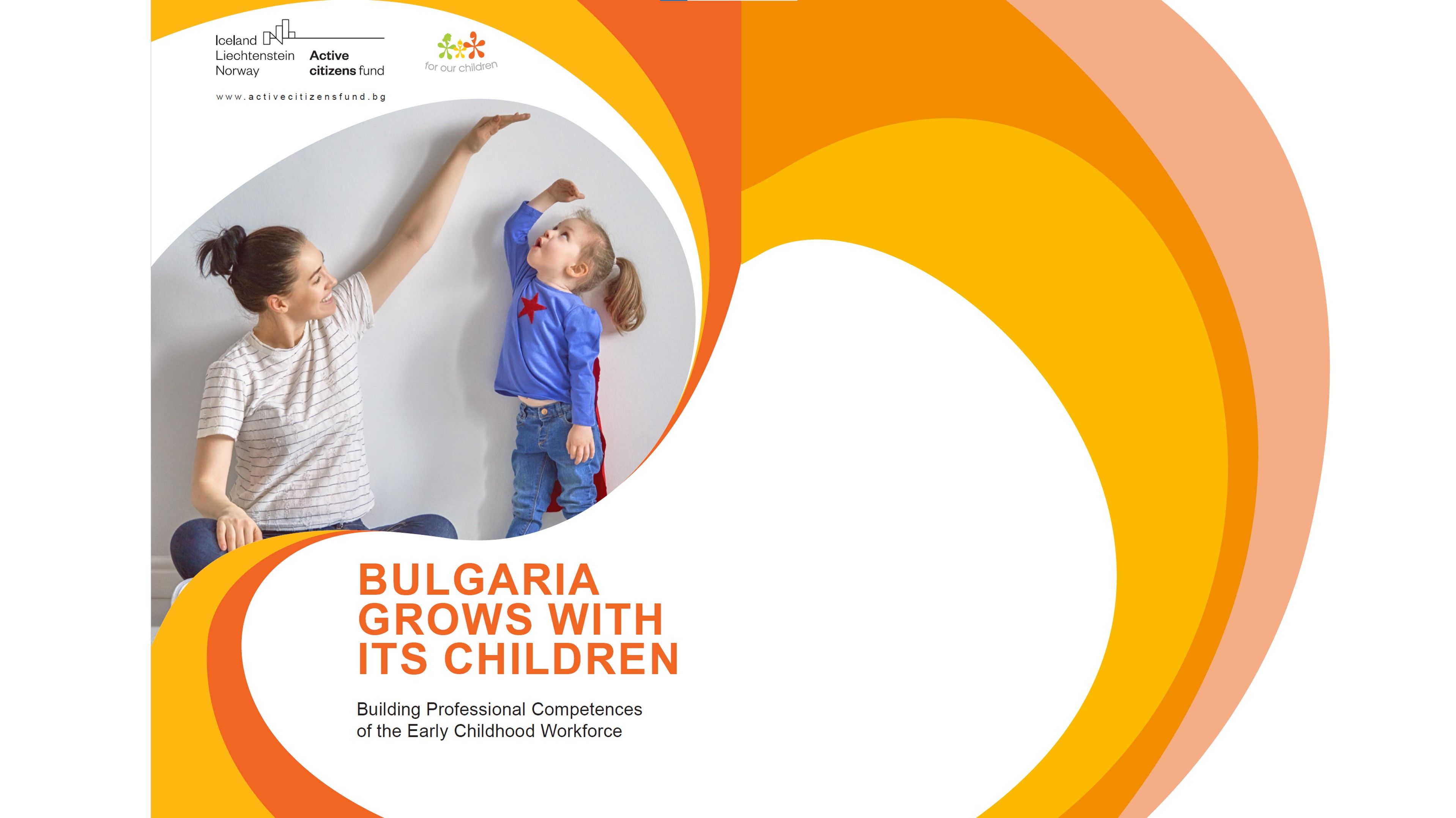
For Our Children has Published “Bulgaria Grows with its Children” Study
Recent European studies show that quality of education and care in the early childhood depends on the presence of a professional and competent workforce. As part of their research on early childhood development, ISSA Member, For Our Children Foundation has conducted a study which focuses on professionals working with young children and their families in the health, education and social systems in Bulgaria.
The research study, Bulgaria grows with its children: Building professional competences of the early childhood workforce, was carried out in 2020 by a team of For Our Children Foundation with the support of the Active Citizens Fund of Bulgaria.
The topic of people working directly with children and families in the health, education and social work stands out when looking for sustainable solutions to challenges faced in early childhood care and education. More and more, European policies highlight the importance of education, motivation and support for the workforce. This topic is even more important in Bulgaria given the workforce shortage in these sectors as well as the low indicators of reach of healthcare, early childhood education and care, and social protection to children.
With this in mind, the goal of ‘Bulgaria grows with its children’ is to outline the main directions for improvement of the professionalisation of the early years workforce, as well as to formulate recommendations for policy development in this area.
The report outlines policies and measures aimed at the development of the workforce, including initial education, professional development and working conditions, as well as presents data from the experience of 461 specialists working directly with children and families.
The research among professionals working with children reveals the need for targeted measures to upgrade the competencies of professionals, both in their initial education and continuing professional development. With regard to working conditions, the study shows that professionals who are dedicated to the care, health, education and development of children deserve to work in an environment that supports their professional development and provides secure and motivating working conditions. Their knowledge, skills and competences are key for the wellbeing of the children and hence for preparing a strong future of the nation. It is of particular importance that state policies should ensure the necessary knowledge, skills and competencies of the workforce as well as dignified working conditions. This is the enabling environment for professionals to work in partnership with parents and help them cope with difficulties in the upbringing and development of their children.
One of the main conclusions of the research team is that the lack of a comprehensive, consolidated vision for investment in early childhood development, as a key to our prosperity as a society, has a negative impact on the quality of education and care for young children. It concludes with a call for an integrated modern early childhood development policy with clearly defined roles and responsibilities of the various stakeholders and a strategic plan for the provision of quality and accessible services by a motivated and competent workforce.

New Flemish ECEC Magazine is Launched by the ISSA Member
ISSA Member VBJK is launching the new Flemish magazine on ECEC Kindertijd (which means ‘childhood’ in Dutch). The first issue of the magazine will be published in the fall of 2021. That means that VBJK will end the collaboration with the Dutch magazine KIDDO in June.
“Childcare and education in Flanders and The Netherlands are becoming more and more different worlds, so it is difficult to make a mutual magazine for both countries. That is why we have started the new Flemish magazine Kindertijd – a word with a lot of positive connotations, because who does not like to look back at his or her own childhood?” says Wouter Bulckaert, editor in chief of the new magazine, and communications officer of VBJK. “The new magazine will be more interesting for Flemish readers, because it is focused entirely on ECEC in Flanders. In Kindertijd we will cover good practices and new trends in ECEC. The magazine will show what happens on-the-job, without shying away from larger in-depth articles about new ECEC research and policy.”
Kindertijd will be a magazine aimed and made by ECEC professionals: people who work with young children, mainly in pre-school and after-school childcare, but also in kindergarten. Kindertijd will inform, inspire and innovate. The magazine aims to strengthen and appreciate ECEC professionals in an accessible, connecting and positive way.
Peer Learning Activities 2020 - A conversation with Gillian Cante
Many recent neurological studies have shown that violent and malicious educational practices impact a child’s emotional development and self-esteem. Questioning, defining, and understanding them in order modify our reactions becomes essential.
This is the topic addressed in the Peer Learning Activity (PLA)* entitled Gentle violence and ordinary educational violence: Tackling the issue and fostering children’s development of self-esteem and identity, hosted by Le Furet.
This PLA focused on these questions, aiming to help professionals question their practices and build quality within their teams. Participants learned to identify “ordinary educational violence”, develop active listening and respectful collaboration, and create evaluation methods to track their progression.
Read the interview with Gillian Cante, Chair of Le Furet, as she shares more on the theme, how it is used in Le Furet’s work and why she recommends others participate in PLAs.
Can you share a brief overview of the PLA you hosted online? (the topic, participants, number of sessions)
The workshop we ran was called ordinary violence and subtle violence, which is a sensitive theme for a lot of childcare providers. We really wanted to bring up notions of how we are with children, not what we know to do with children and how we know to take care of them, but more just about our professional posture and the subtle things we do that can send a different message to children and affect them emotionally in their development. We spend so much time with them in childcare. So we thought this is a very important subject to touch upon. So, we ran a session over four days, two and a half hour sessions, so a total of 10 hours. So it was quite a substantial program.
We could have done quite a bit more, but we knew that the time was limited. And so we ran this over two weeks at twice a week, and we had a total of 25 people who were signed up. We found ourselves with about seven participants, but very happy to have such a small group because it was dynamic. And we were able to do some interesting group work with them.
What was the most meaningful part of hosting a PLA for you and your organization?
One of the most meaningful things about hosting this kind of activity is meeting people from different backgrounds. I think it's also a big part of the value of ISSA -- these intercultural opportunities to meet others.
Childcare is so based on our cultural perceptions and who we are as people. I think that being able to do a lot of sharing and group work was immensely enriching for everybody who participated.
We had quite an interesting group, which meant that everybody brought their personal experiences and cultural references. To be able to share that was enriching. I wasn't expecting how enriching that would be.
Tell us were the main outcomes of your PLA, despite or due to being organized online?
One of the advantages of hosting a PLA online, and we might all be able to recognize this advantage, was being able to record what we were doing. Although I'm not a great fan of going and doing replays, I found it very interesting to go back and hear what some of the participants were saying – to go over and relive the moment. So that was, that was an interesting outcome to have. Because the technology [Zoom] allowed us to create classrooms, we still could get into groups and work and I could go into one group or the next to see how they were doing. It also enabled us to share some videos and some tools that were online.
I'm hoping that the participants have come away with some more knowledge on how much attention we should pay to our subtle behaviors and our position as an adult -- this big, dominant position as an adult. And how seriously we should take that role and question our posture with children.
One of the outcomes is that the participants will talk about this topic in their work. We did not have many childcare minders or childcare providers. We mainly had people who were involved in associations like our own who accompany professionals. So we're hoping that this subject will be transmitted throughout these programs elsewhere.
What would you like to let other ISSA Members know about hosting or participating in an online PLA?
I congratulate ISSA for organizing this because I can only imagine the logistics behind getting everyone together. I'd have to say for anyone who's going to host a Peer Learning Activity, you should feel comfortable because we were accompanied very strongly by the ISSA team. Many thanks to Eva [Izsak] and everyone who helped us out -- answering those little questions that we had. We weren't thrown out there in the dark to try and figure this all out ourselves.
I can highly recommend doing an activity regardless of the size of your organization. It's a very feasible activity to run. Obviously, technology helps out. You have to make sure you're comfortable with talking to the camera, but you're also talking to someone across the other side in the PLA, and we were able to create quite intimate groups.
Doing the PLA online is the opposite of what you might think. We created an intimate group, and we're able to talk openly and share.
Can you share an example of how the topic of your PLA is important in your work?
Our organization has had over 20 years of working on questions of equality and combating discrimination in all its forms in early childhood. So the subject of ordinary violence is so pertinent to us. It's a subtle way that we discriminate in a lot of practices.
Our postures are influenced by our beliefs and our social and cultural backgrounds. When we get into the field of early childhood, we have to do a "self-check" and make sure that we're on board with the importance of the role we're fulfilling for children in their first stages of development. We need to grow a deeper understanding of ourselves and the child's social and emotional needs.
The work that we've been doing is in this area is a cornerstone of all the work we do at Le Furet. It influences us in all of the training courses we run and the accompanying work we do with other networks and professionals.
Where can we find more information about this topic?
You can find more information on this topic on the Le Furet website, which is in French. For those who don’t know Le Furet actually means ferret, a little animal that digs and digs – a very curious animal.
The author who developed this outlook on ordinary violence is named Christine Schuhl, she is a good reference on this topic in French.
*Every year ISSA Members benefit from Peer Learning Activities (PLAs), which aim to build Members’ capacity, deepen their knowledge and act as enabling spaces for Members to co-create new knowledge. You can learn more about Peer Learning Activities offered in the ISSA Network here.
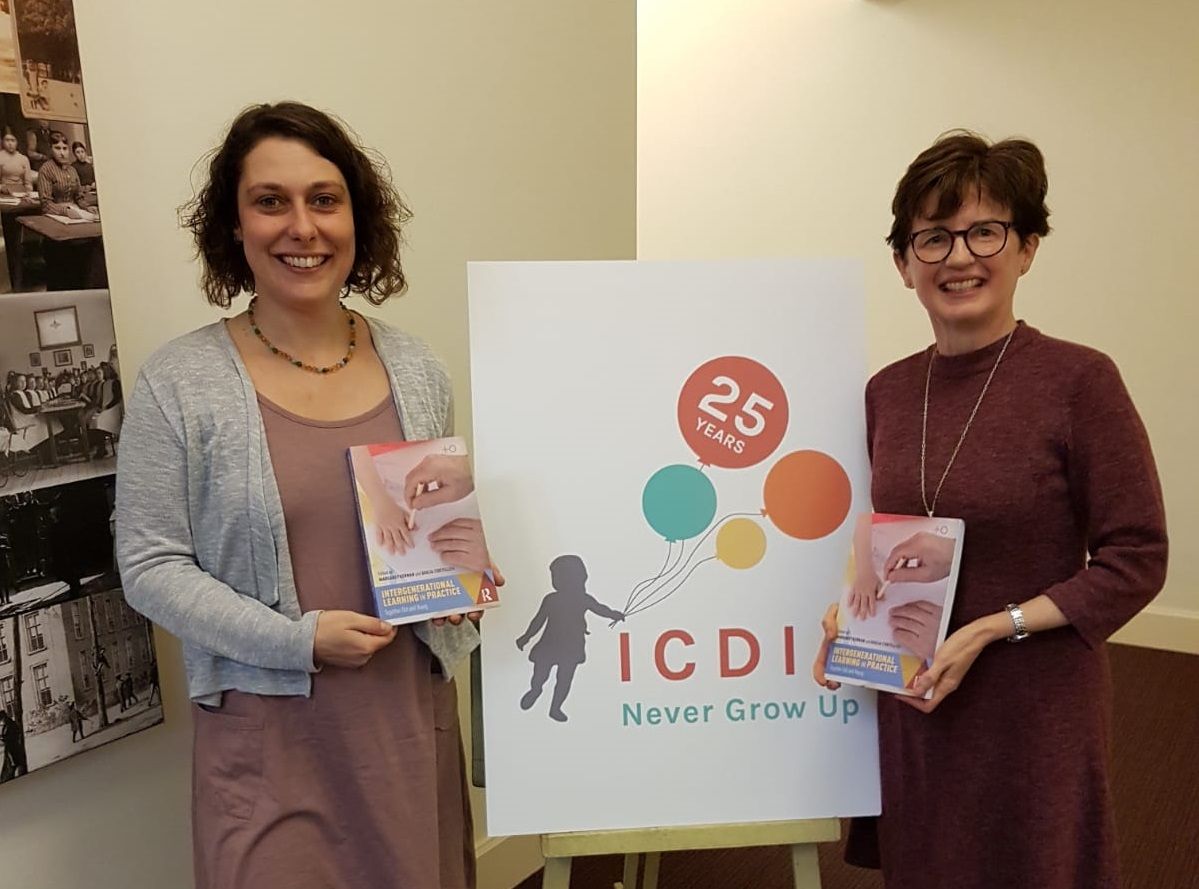
ICDI’s new edited book: Intergenerational Learning for ECEC practitioners
This month, ISSA Member International Child Development Initiatives (ICDI), launched the book Intergenerational Learning in Practice, which is published by Routledge[1]. Intergenerational Learning (IGL) brings together young children and older adults, or those who are at “two ends of the lifelong learning spectrum.” The book leverages ICDI’s successful IGL initiative Together Old and Young (TOY)[2], which in partnership with other organizations, has built a case for IGL involving young children and older adults, with evidence demonstrating how it helps to improve feelings of wellbeing, decrease loneliness and enhance social cohesion.
While there are many promising practices that bring together young children and older adults taking place around the world, the knowledge and expertise in this area has not yet been combined in one resource. This unique publication brings together the most current research as well as practical examples. The book is set to become the IGL go-to for practitioners, leaders, and researchers across sectors.
It also presents a special opportunity to highlight some noteworthy practices taking place in the ISSA Network. Editors of the book, Margaret Kernan and Giulia Cortellesi of ICDI discuss the importance of intergenerational learning, what this book is all about, and their other work on the subject.
How did TOY start and what makes it such a meaningful initiative?
Giulia:
We started looking at this in 2011 when we were seeing societal and demographic changes in Europe that are still happening. It is about migration - so children growing up away from their grandparents. It is about age-segregation - so children growing up in institutions with other children and older adults segregated in aged care facilities. We also have the fragmentation of social life in our neighborhoods. There are towns where young families are living in certain neighborhoods and other neighborhoods that become the homes for older adults.
Margaret:
Isolation and loneliness was and is another big issue. IGL addresses these concerns. Children benefit from having focused attention from older adults or mentors who have time for them and are interested in them and give an understanding of what it was like to be a child years ago. It is also a way for children to develop social skills, norms of behavior. Older adults benefit from feeling needed, involved, valued and being more physically active. The engagement with the children has a very positive effect on their health and well-being. It is important to emphasize that both groups learn from one another.
The broader family network also benefits. Parents really value their children having more contact with older adults, particularly parents who are really busy or do not have a strong relationship with the children’s grandparents. It also contributes to the general community health, creating a sense of social cohesion in the community. It gives communities the feeling that they look after one another and everyone has a role in the community and a contribution to make. Often it is the young children and older adults that are forgotten in discussions about the sustainability of communities. The focus tends to be on the employed generation so IGL gives value to these two age groups.
Giulia:
When we look at social inclusion we also look at it from a diversity standpoint. We believe that IGL can contribute to the promotion of intercultural dialogue. If older adults are involved as volunteers or mentors for young children with a minority, migrant or refugee background it is easier for the family to adjust to the new reality and it is easier for the hosting society to overcome stereotypes and build relationships with the newcomers or minorities. This was also the rationale of the TOY for Inclusion project[3]. The project gives older adults from the Roma community a chance to share their knowledge, their passions, and their traditions with children from various backgrounds, which helps the majority overcome stereotypes and prejudices against Roma.
We see this as a growing movement worldwide. We would like to see this become structural childcare and aged care.
"Intergenerational learning is a catalyst, a mobilization tool for communities."
- Giulia Cortellesi, ICDI
What communities is IGL for - do you focus only on urban communities or is it also for rural communities?
Giulia:
This is for everyone, everywhere.
Margaret:
A lot of learners participating in the TOY Online Course at the moment are talking about how relevant IGL is for their rural communities because people are feeling more isolated in rural communities. The TOY initiative makes absolute sense because it reminds them of what multi-generational community interaction can mean—and what it used to mean in the past. It is a reminder that it is healthy for different age groups to spend time together.
Giulia:
Intergenerational learning is a catalyst, a mobilization tool for communities. It can be a tool or it can be a goal in itself. Sometimes you want to facilitate intergenerational learning because there is a lack of relationship between the generations. In some other cases, it is a tool to use to reach more indirect goals like social cohesion, inclusion, and so on.
Say there is a park that needs to be redesigned, who do you consult and how do you consult them? We propose a way that is friendly to all ages instead of just consulting one age group. Instead of building new spaces in a community for one age group, why don’t we think about sharing sites? We can have childcare and aged care under one roof and staff that is trained to work with the different services.
Margaret:
It can be an approach to address many issues in all communities.
What does IGL look like?
Giulia:
It can take many different forms. It can be formal or informal. In the Netherlands, a group of older adults is supporting teachers in primary schools as teacher assistants. They receive training to support teachers and students. They are actually embedded in the school system.
Sometimes it is about institutions cooperating together and creating shared sites; in some other cases it is organizing activities or events together. There is an example of a multigenerational summer camp in Italy. For the last 5 years, they offer a summer camp for older people from a care home and children whose parents are working, so they can spend their time together during the school holiday. There are intergenerational activities purposely designed for them during a period of 6 weeks.
Margaret:
And it isn’t just about meetings between frail older adults living in residential care homes. It is also about recognizing the role of active adults who may be in their 60s and 70s, possibly retired or with some free time who would like to give something back to their community as volunteers. They can share their hobbies and interests with children in different settings such as in community arts centers, libraries, museums, or visit children at home to read to stories children.
"This is a living topic, people are aware of the importance of connecting these age groups..."
- Margaret Kernan, ICDI
What can you tell us about the book?
Margaret:
We were really keen to invite authors from different backgrounds. In the book you’ll see chapters from people who are experts in pedagogy in early childhood and working with families and community. You will also read insights from people who are expert in older adults, gerontologists.
There is also a chapter written by two architects from Denmark who describe themselves as spatial practitioners and describe with lots of photos and drawings how age-inclusive spaces might be developed.
This is a living topic, people are aware of the importance of connecting these age groups and it is something that is being discussed in Australia, United States, Canada, as well as in different countries in Europe. So, the book has contributions from many different countries and contexts.
Giulia:
We wanted to have a book where there was enough theoretical contribution, as this is a new field of research it was good for us to bring together people from different disciplines to write about pedagogy, architecture, etc.
And, we also wanted this to be an inspirational book for those who want to start their own intergenerational initiatives. So, we tried to collect as many examples of practice as possible and also give some practical tips. All the chapters in the second half of the book contain suggestions and tips for implementation.
You will read about intergenerational learning as a way to promote environmental sustainability, as a way to promote cultural transmission, as a way to promote social cohesion, as a way to promote age-friendly planning and design.
We also managed to bring in some well-known intergenerational initiatives like the TV program broadcast by Channel 4 in the UK and replicated in other countries. It is now in four or five countries. There is a chapter in the book from the first group who did it.
Why was it meaningful for ICDI to write this book now?
Margaret:
TOY is a programme which ICDI has been leading for 7 years now, and it was really time to bring the research and the practice of IGL to a broader audience. As far as we know, no one else has written a book on intergenerational learning focusing on young children and older adults.
It was also an opportunity to give our partners a chance to write about their work and reach an international audience.
Who is this book for?
Margaret:
Practitioners, researchers, community development workers, primarily but it could also be for architects and town planners. It is a very multidisciplinary area of work and it really benefits from perspectives from planning, from pedagogy, from housing, from social care. This work is rooted in the community. It is best understood when you think about it from the perspective of the child, from the perspective of older adults, from the perspective of community workers, and families. We’ve tried to reflect that in the selection of the authors—IGL is multi-sectoral and the understanding of the topic is enriched if you look at it from all these different perspectives.
We really would like the book to be a recommended or even essential text for courses about working with families in the early years, but also in social care. Our publishers, Routledge are primarily marketing this book for practitioners and leaders in Early Childhood Education and Care, but it is equally relevant for people working in social care or aged care, or community development.
If you are a researcher or lecturer and you are really interested in reading the most up-to-date research in this area, this book is also useful for you. If you are thinking about developing new research on IGL then the first half of the book is particularly useful for you.
If you are a practitioner interested in developing this new way of thinking and working then there are some inspirational practices and really practical tips and tools in the second half of the book to help you.
Giulia:
We also recommend the book to those taking the TOY Online Course[4]. This is a self-paced online course for ECEC, social care and community development practitioners worldwide runs twice per year, and is free. We recommend the book as a companion to the course. See more about the online course below.
What other materials/tools do you have related to IGL?
Margaret:
The TOY course includes discussion forums, video lectures, quizzes, and readings. It is very reassuring for those taking the course to hear that there are people doing similar work in other parts of the world—all with the belief that these two age groups need more attention and that there are huge opportunities to link young children and older adults.
We are also hearing from those in the course that they would really like to start this work but they need support from us and the course in thinking about a plan. So, we provide planning templates on the course which is very helpful for them.
Giulia:
This is the direction in which our TOY for Quality programme[5] goes to as well. We’ve developed a self-assessment tool, which is also included in a chapter in the book. We define 6 dimensions of quality in IGL and we provide guiding questions and indicators so that groups of practitioners that would like to start, or are involved in IGL, can reflect on their own practice and also identify areas for improvement.
We are really building the tools that practitioners and services need to scale-up their IGL work.
Where can you access all these tools and resources?
The book provides loads of first-hand experiences and case studies. ISSA has been lucky enough to witness some of these practices first-hand. If you are interested in reading about some of the case studies buy the book and visit the TOY Blog.
The next TOY online course begins in March 2020, learn how to join here.
[1] https://www.routledge.com/Intergenerational-Learning-in-Practice-Together-Old-and-Young-1st-Edition/Kernan-Cortellesi/p/book/9781138363465?fbclid=IwAR2-r3eAkq8H_RgdYPjlI90TR8tBFhy4Bvzk3neUXhWYeArUvNg3b3a7WmM
Diversity+
Diversity+
The high quality, inclusive Early Childhood Education and Care (ECEC) is an essential foundation for children’s successful lifelong health, learning, social integration, and personal development. It can also help close the achievement gap for children from vulnerable and disadvantaged groups and provide them with the best start in life. Yet, ECEC facilities, approaches and services have not always been designed and professionals prepared to meet the pluralistic needs of all children and their families.
What Diversity + project aims to?
To address these challenges Diversity+ aims to provide ECEC professionals, managers and practitioners with governance, benchmarking, recognition and professionalization tools to help them transform their practice and open up to diversity that exists among children and families.
What are we going to do?
This three-year project will develop concrete and practical resources that offer a structured and supported approach to quality inclusive service design. The toolkit will contain:
- A Diversity+ Charter to set out the minimum requirements for an ECEC organization to be considered as “Diversity positive”;
- An interactive digital Assessment tool which ECEC practitioners and managers will be able to use to assess current services and track improvements;
- A “European Qualification Framework” (EQF) profile and training resources to profile key knowledge, skills and attitudes required to respond to the individual needs of children from different backgrounds or with special educational needs
- A set of thirty interactive games that will help ECEC practitioners to work with children on recognizing and addressing biases, prejudice, discrimination, and exclusion, to sustain critical thinking in children, and support them to speak out for themselves and others, and threat everybody with empathy and respect regardless of their origin, gender, background, level of abilities, language and other existing differences.
Who is involved?
The project is led by the Italian partner CIAPE, and it involves other partners such as Link Campus University in Italy, Aspire-Igen in UK, Fondatsiya na Biznesa za Obrazovani in Bulgaria, Skola Dokoran in Slovakia, and Schola Empirika in the Czech Republic. ISSA contributes to the project by providing technical support for the development of different tools and resources, and leads its dissemination activities.
Diversity+ Toolkit
Diversity+ Charter
A set of minimum requirements that ECEC services and institutions have to meet to accommodate different types of diversity and be classified as inclusive and diversity positive (Diversity+). The Diversity+ Charter aims to provide practical guidelines and recommendations on how to make the ECEC environment more inclusive. Read more.
Download: ENGLISH | BULGARIAN | DUTCH | CZECH | ITALIAN | SLOVAK
Read more about the Diversity+ Charter
Diversity+ Footprint Assessment Tool
Based on the European Quality Framework for Early Childhood Education and Care, this interactive digital tool is meant to support ECEC officers - often not specialised in diversity inclusion - to assess current services and mostly understand in a visual way the concrete, necessary steps needed to improve their provision. The organizations rated as having an ‘excellent’ Diversity footprint get a Certificate likely to increase the prestige of the organisation itself and encourage others to undertake a similar path.
Apply the tool in ENGLISH | BULGARIAN | CZECH | DUTCH | ITALIAN | SLOVAK
Read more about the Diversity+ Footprint Assessment Tool
EQF of Diversity Ambassador in ECEC environments
The "European Qualification Framework of Diversity Ambassador in ECEC environments” is expected to improve ECEC HR management, to profile key knowledge, skills and attitudes required to respond to individual and group needs of children from different backgrounds and with special educational exigencies. Specific learning resources complement the EQF profile in order to smoothly develop the role of a Diversity Ambassador: key feature of a diversity positive ECEC provision. Also, the tool eases the readability of the profile, thus ultimately the professionals' mobility, across Europe.
Download: ENGLISH | BULGARIAN | CZECH | ITALIAN | SLOVAK
Read more about the Diversity+ Ambassador
Diversity+ Serious Game
An online game-based tool with 30 interactive scenarios, addressing teachers and other staff in early childhood education and care (ECEC). The animated scenarios are built around common situations arising in everyday dynamics related to discrimination, racism, bias and stereotypes.
Play the interactive scenarios ENGLISH | BULGARIAN | CZECH | ITALIAN | SLOVAK
Diversity+ eBook
The Diversity+ eBook aims to present the variety of approaches found across different European countries during the research phase of the project, and to provide examples of inspiring practices and solutions to existing problems. Read more.
Associazione 21 Luglio Brings a Mobile Play Hub to Community Meeting Spots in Rome
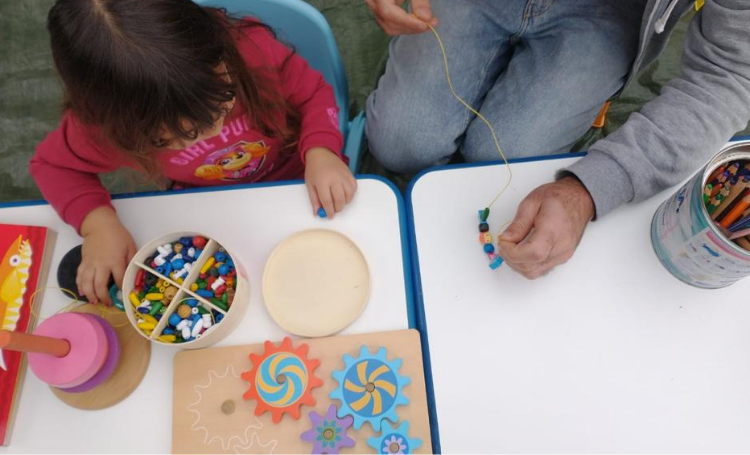
TOY for Inclusion Play Hubs give children a save, welcoming place to interact, play and spend quality time with other children and adults. As part of their work to fight educational poverty and create growth opportunities from a young age, Associazione 21 Luglio formed two Play Hubs in the suburb of Tor Bella Monaca in Rome for children aged zero to three years and their families.
While one of the Play Hubs sits inside the former headquarters of Associazione 21 Luglio, the other is a mobile trolley. In 2021, their mobile Play Hub began traveling around the neighborhood for the first time.
It was positioned on the Piazza Castano square in Rome, where the community welcomed the mobile Play Hub and its Toy Library with great interest and curiosity.
Read more about the activities of the mobile Play Hub and how they are fostering community connection, here.
Systemic approach
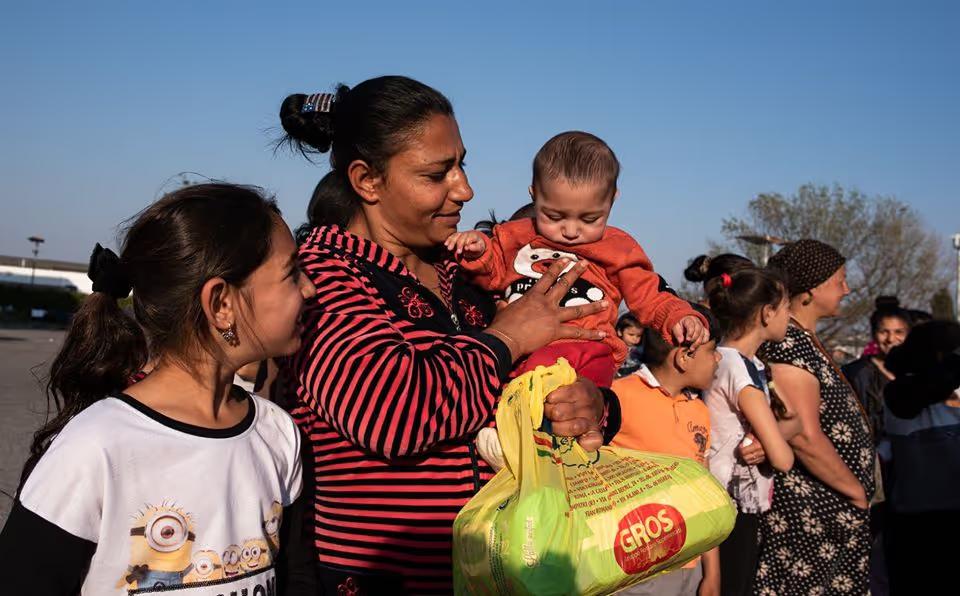
During the COVID-19 pandemic, food deprivation of households with young children has emerged as a priority among priorities.
Associazione 21 luglio applied the following method:
1) selecting five formal monoethnic settlements of special emergency housing;
2) carrying out a survey by telephone that highlighted the malnutrition of many children, particularly infants and young children;
3) designing a food aid program for three settlements (Castel Romano, Salone and Tor Cervara) which, in the study, was reported as the most disadvantaged contexts in Rome and for one of the most poor neighborhood in Rome (Tor Bella Monaca);
4) thinking to an operational strategy post-covid-19 to empower women and children.
The concrete intervention is focused on:
a. the fight against food deprivation for children 0 to 3 years old. The methodological elements that characterized this action were:
- personalizing the intervention (face-to-face interview with all the mothers to find out their specific needs and drew up a list of around 250 beneficiaries – 200 from the villages, 50 from the neighborhood);
- designing a typology composed of 5 types of baby packs, differentiated according to the size of the baby and the dietary needs for baby food and semolina, and according to the need or not for powdered milk;
- giving a personalized card to the mothers to pick up their personal package every week.
b. To overcome stereotypes and stigmatization of Roma communities:
- the request for help emphasize the dimension of food deprivation of children 0/3 years old and not ethnicity, according to a principle of our association. However, we underline the fact that these are children living in “slums”.
c. In addition to the food delivering we implemented some relational and political actions:
- we have created whatsapp groups through which we keep in touch with mothers to give them advice, listen to their discomforts, bring relief, send activities to do with their children;
- we have activated a service that allows to listen to fairy tales in Italian and Romanes (Romani chib): "Tales on the phone";
- we have provided children with some internet access so that they can connect to platforms designed by schools;
- we help the children to do their homework with remote volunteer support and the use of mobile phones;
- we periodically send to all 3-6 aged children attending a school of the neighborhood videos where a psychologist and a Roma paraprofessional read a story that can help them to process the lockdown period;
- we have reinforced the pressure and advocacy aspects with an appeal to Mayor Virginia Raggi and Prefect Pantalone for urgent measures to protect the right to health and school continuity.
d. Planning of sustainability interventions
- through our website, we have launched an appeal to the citizens of Rome to buy the products needed for baby parcels. We have favored the purchase of foodstuffs and consumer goods rather than sending money by bank transfer, convinced that this would strengthen solidarity;
- we asked additional funds to Foundations who support us in different projects.
The systemic approach has led to:
1. Research #IStayCamp. Health Conditions, Food Deprivation and Solidarity Problems in the First Days of Lockdown in the Roma Villages of Rome by Carlo Stasolla and Tommaso Vitale.
Quoting the research:
“During the lockdown we made the following urgent public policy recommendations:
• To map the conditions of greatest fragility within shantytowns and deprived public shelters with the aim of guaranteeing the distribution of basic necessities, particularly to minors and the elderly.
• To guarantee adequate sanitary conditions within each individual shantytown, primarily by rapidly ensuring access to drinking water.
• To ensure the presence of health workers and cultural mediators within the settlements who can carry out an information campaign aimed at illustrating the prevention measures recommended by health authorities and distributing personal protective equipment to inhabitants.
• To strengthen and coordinate a network of volunteers (Roma included) in order to monitor the hygienic and health conditions of those living in the shantytowns and to orient people with symptoms.
• To promote measures to safeguard the right to distance learning for students living in slums.
• To coordinate support and food supply actions for the needy, especially for babies and toddlers aged 0 to 3 years.
• To systematically listen to people living in shantytowns in order to understand their needs in a precise way, and to enhance and mobilize their skills, with precise reports that allow for concreteness and timeliness.
• To prepare in advance an adequate and timely intervention plan in case of a COVID-19 contagion within a village.”
2. During the lockdown we made 5 videos addressed to around 200 children attending a pre-primary school located in the disadvantaged neighborhood of Tor Bella Monaca. The videos represent a continuum of an emotional literacy intervention started two years ago in the school. There was one video sent every week until the end of June.
3. One video was made on the goods stored in the community center "Polo Ex Fienile" that we manage in the area of Rome, Tor Bella Monaca. The parcels are packed there once a week on Saturday mornings in the open air in the garden of the community center by a group of well-spaced volunteers (divided into five groups, one for each type of baby food aid-package), in order to give maximum visibility to the preparation of the parcels.
4. Ten fairy tales told in Italian and eight of them translated in Romani languages.
Photo by Fabio Moscatelli
Organization(s):
Associazione 21 luglio; many individuals, organizations and institutions collaborated to implement all the activities in this systemic approach
Language:
Contact:
Francesca Petrucci, educazione@21luglio.org