Knowledge Hub
All the resources stored here have been created by ISSA Members
or ISSA Secretariat in partnership with Members or partners.



Together Old and Young
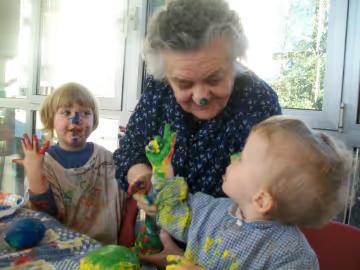
The purpose of the Together Old and Young (TOY) Programme is to promote intergenerational learning and to create new possibilities for older adults and young children to learn together and benefit from each others’ company. People are living longer but older adults and young children are having less and less contact with each other. Parents and grandchildren are migrating to cities and countries far away from grandparents. For many grandparents, it is also sometimes difficult to keep in touch with grandchildren. Other reasons for the lack of contact between old and young is that in many countries, older adults are living in senior citizen homes where they rarely see children and many young children are spending their days with their own age group in day care centres, pre-schools and schools.
The TOY Programme originated in the EU funded TOY Project (2012-2014) which took place in seven countries: Ireland, Italy, Slovenia, Spain, the Netherlands, Poland and Portugal. The TOY Project was unique amongst European intergenerational learning projects with its explicit focus on children in the early childhood years – birth to 8 years. The Project brought together the two ends of the lifelong learning spectrum - early childhood education and activities for older adults. In collaboration with universities, NGOs and municipalities documented and supported learning initiatives involving young children and older adults in Europe were researched. These initiatives took place in libraries, arts and cultural centres, community gardens, pre-schools and schools.
The TOY Project demonstrated clear benefits of learning together for both young children and older adults and for communities at large including: mutual understanding, improved feelings of wellbeing, decreased loneliness and satisfaction from sharing knowledge and experience with children and enhanced social cohesion. To be able to spread this valuable approach International Child development Initiative (ICDI) is: advocating at national and international level about the need to enhance the interaction between young children and older adults when developing policies for lifelong learning; developing accessible professional development tools and training with the intention that the TOY approach will be recognized and validated in adult education, and in pre-service and continuing professional development of practitioners; promoting IGL activities in disadvantaged and segregated communities and providing information, resources and links to research about intergenerational learning worldwide involving young children and older adults.
button[src="https://cdn.prod.website-files.com/694724257114b734f4bb749a/6985cc5ba2fa85d67abbf4bf_TOY_manual.pdf"][label="Download"]
Organization(s):
International Child Development Initiatives ICDI
Language:
Contact:
Margaret Kernan, margaret@icdi.nl
Online learning support to Roma children in grades I to IV of primary school
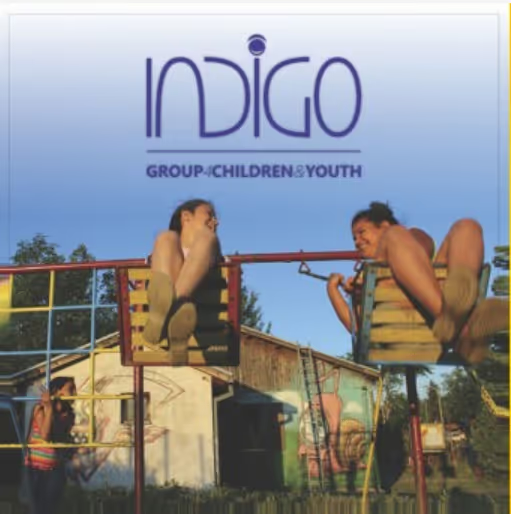
Responding to the COVID-19 crisis in Serbia, the Group for Children and Youth INDIGO, developed a noteworthy practice aiming at providing on-line learning support to Roma children enrolled in grades I to IV at the “Sreten Mladenovic Mika” Primary School. The learning support is provided three times a week, for three hours. One educator, one mediator and five volunteers work with 49 children (each person has seven children maximum in his/her group).Before starting the provision of the on-line support, Indigo assessed the situation of the children and their families. The parents were involved in designing the support.
The school was also involved by providing the information on the involvement of the children in the on-line learning provided by the school. As a result, we developed the instructions for the educator and volunteers, detailing the on-line learning and psychosocial support, having in mind the changed circumstances, the new challenges the families may face and difficulties in providing the basic sustenance for the children. Furthermore, we worked on the instructions having in mind that the volunteers are students in various fields such as psychology, pedagogy, history, social work, etc.The educator and each volunteer established good communication with schoolteachers and they cooperates and acted together on including the children in on-line learning and providing the on-line learning support.The schoolteachers included the educator, mediator and volunteers in Viber groups and other on-line learning platforms, so that they can follow the assignments and activities of the children in the learning process.
The on-line learning support is organized individually or in groups via Messenger, Viber, Skype. The educator and volunteers support children in doing homework and other school related activities. When a child finishes homework, s/he sends the photo of the homework to the volunteer. The child and the volunteer check the homework together, abefore the child sends it to the school teacher.The project coordinator and the supervisor are at the disposal of the volunteers and the educator for providing supervisory support, whereas they also provide psychosocial support to the children and parents, if the mediator, educator or volunteers decided that such support is needed.
The educators and volunteers report on the implemented activities with the children, as well as on their emotional state and family situation (in case it affects the learning process). They also report on the communication with the school teachers.
The supervisor and the project coordinator provide advice and suggestions and they also plan the future steps in the work with each child, together with the educator and volunteers.At the beginning, some staff members had problems to establish the “new” routine with the children. Some children were not at home during the support time and a lot of time was spent on getting used to a new schedule, new ways of communication and new ‘requirements’ by the school teachers. In order to overcome some difficulties, especially those related to using the devices and learning applications, we engaged two young people who live in the same settlement as the children and they now act as assistants to both the children and the staff members. As the time passes by, the on-line support to children is getting better and more productive.
Health and hygiene interventions targeting Roma families with children aged 0-1 years
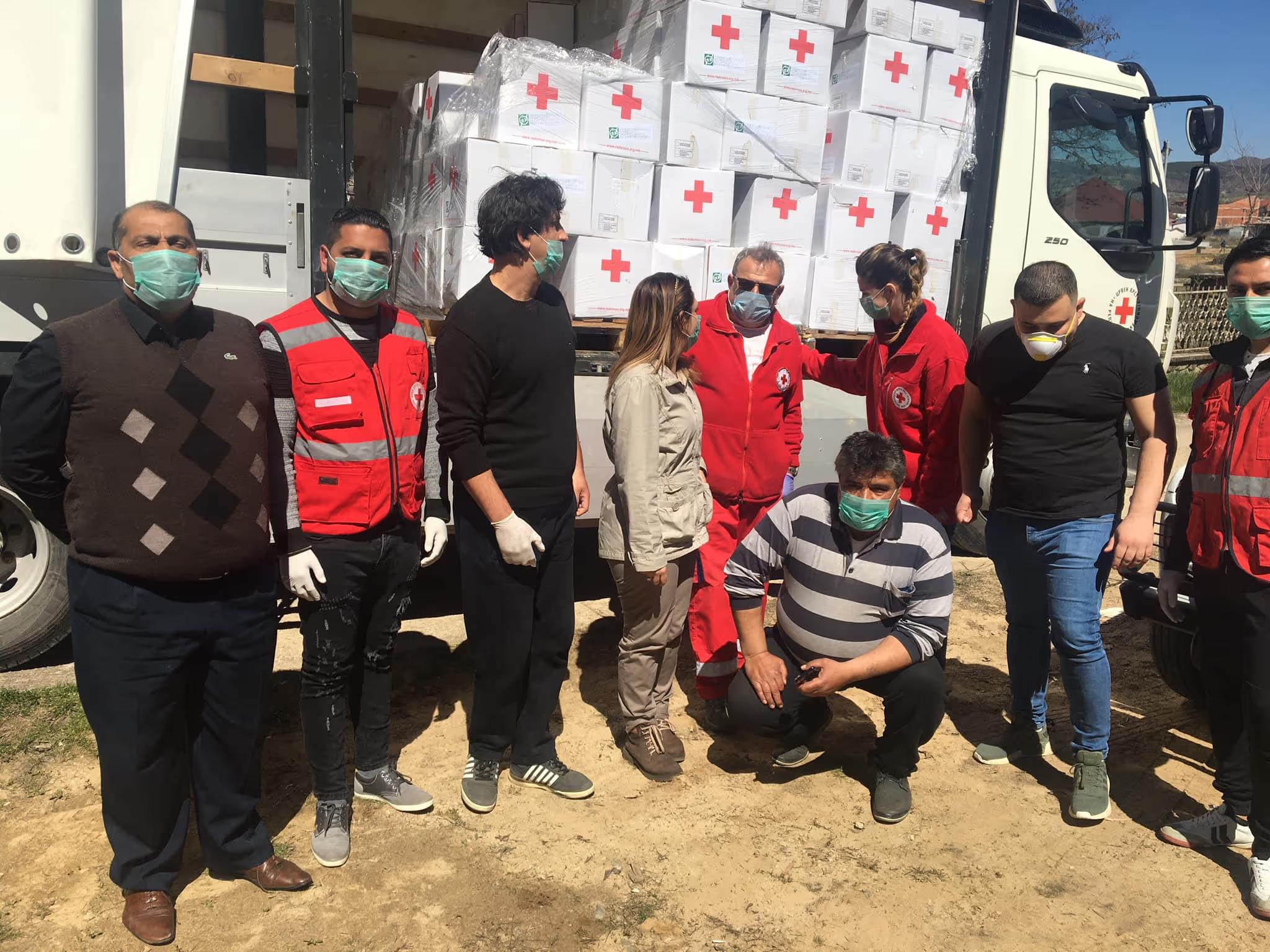
We used the method of “Social accountability and Legal Empowerment", with the to empower the Roma community, to learn their rights in the Social and Health domains. In Macedonia, Governmental prevention programs for reproductive and child health are offered. In those programs, it is also included the program for active protection of the mother and children. Our aim is to empower Roma women to take up benefits, measures and activities that are offered free to pregnant women, and families who use social welfare. In order to achieve our objectives, we organized trainings for the community and after this we looked at accountability from responsible institutions. These action are very important, especially during crisis, such as the COVID-19 pandemic.
As a result of our engagement, the condition of Roma community in Bregalnica region is the best in Macedonia. More than 50 % of Roma women visit minimum one time per year a gynecologist, and the coverage of immunized Roma children is more than 90%. During COVID-19, we distributed humanitarian packages and education materials to Roma families about how to manage with COVID-19five times. As a result,untill now no one from the Roma community in Bregalnica region is affected from COVID-19.
Organization(s):
NGO "KHAM" Delcevo, main donor is Open Society Foundation, partners are local governments and health centres from three municipalities
Language:
Contact:
Zoran Bikovski, z_bikovski@yahoo.com
Learning Together
The Learning Together project has created a network of 15 Centres for Peer Support, which provide a platform for mutual learning across institutions. This platform provides peer support across eight kindergartens and eight primary schools to help improve the competences of teachers, create practice-based resources for staff, and organize internships for educators.
The project produced video samples to monitor the process of creating such peer support programs and developed spaces to share experiences among colleagues and further professional development. The project helps teachers systematically reflect on their own work and receive direct support tailored to the conditions in which they work.
Organization(s):
Step by Step
Language:
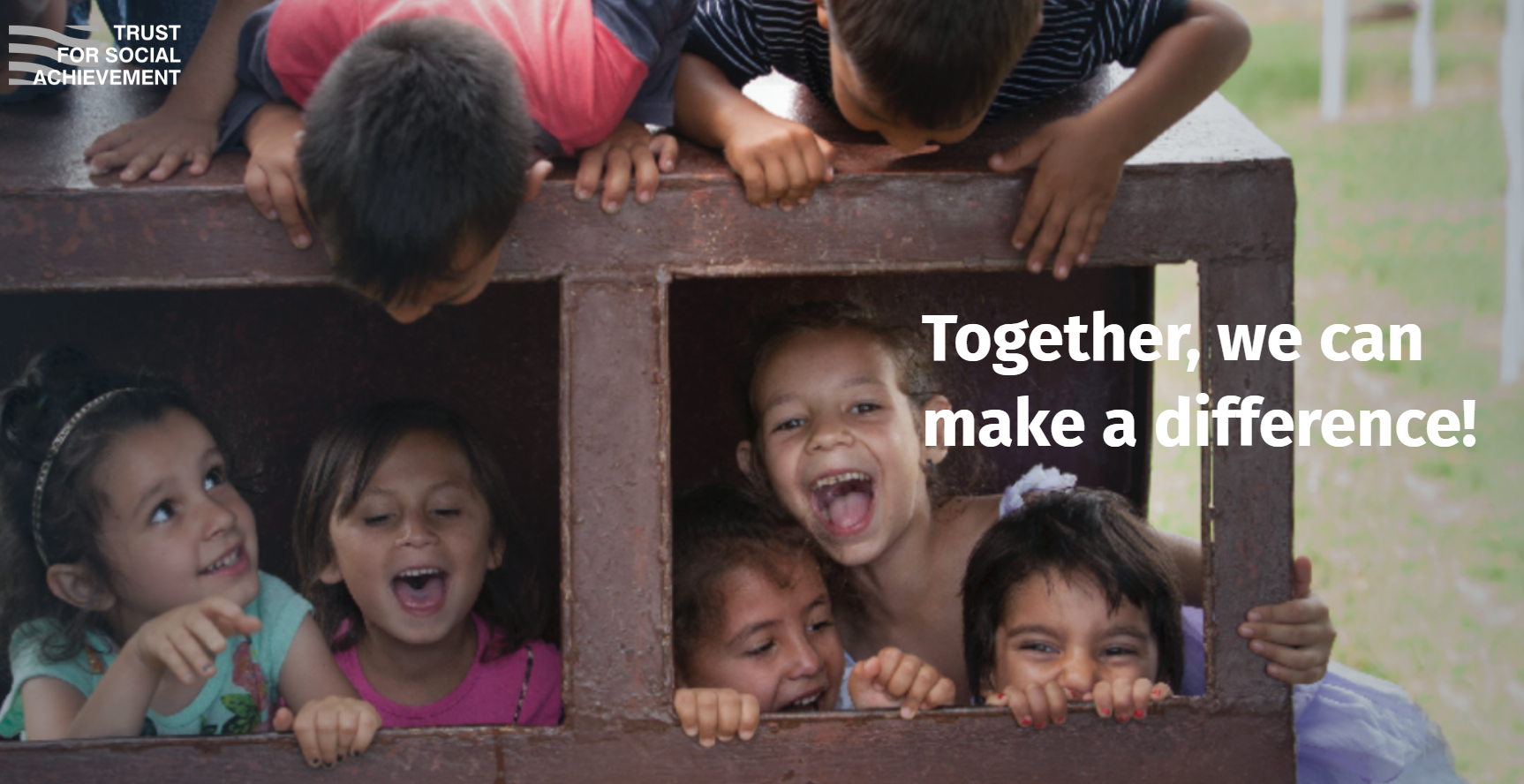
Distribution of emergency educational kits for children in remote locations, enrolled in our alternative access to quality early education services, which were interrupted due to the pandemic
The Trust for Social Achievement Foundation – Bulgaria has been engaged since the onset of the pandemic in Bulgaria in searching for appropriate mechanisms to support the learning process for disadvantaged children, particularly those who face challenges to participate in the online distance learning, as well as those in remote or underserved locations for whom early learning and care programs were interrupted.
We have partnered with several business and with our network of partners from the local communities to provide equipment (laptops, PCs) for children in need.
Additionally, we also try to focus on providing educational supplies and consumables for the youngest children in our alternative access initiatives – those are projects offering high quality play-based learning for children from disadvantaged communities, living in remote rural areas, with no direct ECEC service offered, esp. those aged 2-4 y.
To meet the need of those children and families of basic educational supplies like pensils, colouring books, materials for home-based educational play, so as not to stop the advancement of children’s skills and learning, already achieved, TSA has been facilitating the shipment of such materials or directly providing and disseminating those.
Our most noteworthy effort in this regard was in partnership with World Wide Orphans-Bulgaria, who initiated and provided supply of emergency educational kits, including basic food supplies and hygiene products, prepared the kits, facilitated the distribution. Our network of local partners coordinated the distribution with the local authorities and the community centers, involved in our project.
Additionally, the local network regularly distributes materials and ideas for home-based educational play for parents to use and get inspiration from. The channel for this communication is social media groups and individual phone consultations.
As a result, children and families were supplied with basic necessities for continuing the work for developing important socio-emotional and language skills during the months of interrupted access to the activities of the project.
Organization(s):
Trust for Social Achievement, Worldwide Orphans – Bulgaria (providing the emergency kits) Network of implementing NGOs at local level – “Znanie”-Lovech, Club of NGOs-Turgovishte, Health and Social Development Foundation – Sofia, New Road Assn.- Hayredin
Language:
Contact:
Linka Toneva, ltoneva@tsa-bulgaria.org
Learning Centers Network
The Learning Centers Network initiated by Balkan Sunflowers connects 40 Learning Centers managed by different NGOs in Albania. These centers include preschool services, curriculum support, literacy and science programs, and an education mediator targeting the most vulnerable children and their families. The mediator works with schools and families to ensure children's school enrolment. Due to these efforts, 93% of the eligible children from the areas where centers are and mediators work enroll in the first grade fo school.
The Planned Activities for Cohesive Education (PACE) program has been implemented throgh the centers since 2015 and it was designed alongside national curriculum to provide children with the competencies needed to thrive in school. In addition to the academic support provided at these Learning Centers, they also act as community hubs where volunteers are able to get involved. Other activities provided by the Learning Centers include: School Preparatory and Language Programs (ages 5-7), Summer Programs, Women's Literacy Programs, Networking Programs.
Organization(s):
Balkan Sunflowers
Language:
Contact:
Muhamet Arifi, muhamet_arifi@balkansunflowers.org
Creating a Functioning Model of Stakeholders Collaboration in Municipalities with Romani Communities
A functioning model for multi-stakeholders collaboration at municipality level to work with Romani communities is developed to improve the responsiveness and accountability of local authorities, particularly elected and senior civil servants towards marginalized Roma communities and to build the capacity of local authorities and Roma community representatives to develop and implement policies and public services that are inclusive of all, including Roma.
The initiative does this by:
a) raising awareness and building the commitment of local authorities to Roma inclusion;
b) agreeing on what needs to be done to improve the educational level of the Roma community;
c) creation and operating of Local Action Teams (LAT) from the representatives of local Roma community and municipality staff in order to plan, prepare, monitor and evaluate actions for improvement of the educational results and level of the Roma community; d) Delivery of trainings for Local Action Teams: Governance and Leadership in Multicultural Environment, Intercultural, Inclusive Policies and Strategies, Communication and Self-organizing, Access to EU funding mechanisms and project writing/management.
Organization(s):
Wide Open School
Language:
Building of Early Childhood Intervention in Ukraine
Early Childhood Intervention (ECI) services started to develop in Ukraine as an initiative of NGO organizations in 2000. During the last years, ECI has been actively developing in several Ukrainian regions. A Consortium of Ukrainian and international organizations started in 2008 lobbying for the development of a mational ECI system in Ukraine. The consortium consists of SOFT Tulip, four NGO from different regions of Ukraine and the National Assembly of People with Disabilities, which are actively involved in the process at regional and national levels. The consortium formulated a national plan for the development of ECI. The expertise of the Ukrainian organizations was complemented and strengthened by the work in cooperation with SOFT Tulip and the European Association on Early Childhood.
On 14 December 2016, the Ukrainian Cabinet of Ministers approved a governmental order regarding the piloting of ECI policy and service provision in four pilot regions of Ukraine (Kharkov, Lviv, Zarkapattya, Odesa). The four regions were chosen because of the already existence of ECI centers and expertise on ECI. The centers are meant to serve as resources and to provide coaching to colleagues developing their services. The piloting early intervention programs in these regions are envisaged to provide other regions with a tested and systematic framework for developing ECI services together with important lessons learned. The four regional governments and many local and regional stakeholders from the medical, social and educational fields are very motivated to participate in the pilot project. An important milestone in the process was the creation of a policy platform.
On 13 April 2017, a Memorandum of Understanding (MoU) was signed by the Ministry of Health, Ministry of Social Policy, Ministry of Education and Science, SOFT tulip, European Association on Early Childhood Intervention (Eurlyaid), UNICEF Ukraine and three Ukrainian NGOs – the National Assembly of People with Disabilities of Ukraine, CF Early Intervention Institute, CSO “All-Ukrainian foundation for children rights”. The main objective of the Policy Platform is to promote cooperation and interaction between the parties in the development of common approaches and build the capacity for an early intervention system in Ukraine. Both the governmental order and the MoU recognize the importance of ECI for Ukraine; of the role of the involved ministries; of the importance of multi-disciplinary and cross sectorial cooperation; of the role of civil society actors, including ECI service providers and parents of children with developmental delays and disabilities; of building good practices in the four regions as basis for the national system of ECI; of the involvement of international and national experts; and the importance of ECI for the prevention of the institutionalization of disabled children.
Organization(s):
SOFT Tulip Foundation
Language:
Contact:
Eric Bloemkolk, eric.bloemkolk@softtulip.nl
From Special School to Resource Centre: Supporting Vulnerable Young Children in Central and Eastern Europe: A Guide for Positive Change
This guide supports a wide range of professionals working alongside parents and caregivers in both special and mainstream systems to manage and implement the ongoing transitions that affect how special and mainstream institutions provide services and coordinate actions. This includes those who may be special educational needs teachers, special pedagogues, psychologists, teaching assistants, or sign language interpreters. It also includes mainstream teachers and other school staff working to support improvements in provision, which promote quality inclusive education for all children at preschool and school level. The guide introduces the principles of inclusion along with ideas and strategies that can be used to manage change.
This guide serves two purposes. First, it provides information and strategies that can help solve problems and manage change. Second, it facilitates self-directed professional development that helps empower staff to fulfill the leadership role expected of resource centers.
Module 22: Protecting young children from vaccine preventable diseases
“Immunization is one of the most cost-effective ways to save lives and promote good health and well-being. Every year, vaccines save 2-3 million lives, and millions more are protected from disease and disability. It routinely reaches more households than any other health service and brings communities into regular contact with the health system. This provides an effective platform to deliver other primary health care services and upon which to build universal health coverage”. (Gavi – The Vaccine Alliance, 2019)
You can access the whole package here.
button[src="https://cdn.prod.website-files.com/694724257114b734f4bb749a/69b01da8181826e2778c3987_YCHW%20HV%20922%20Immunisation%20ENG.pdf"][label="Download"]
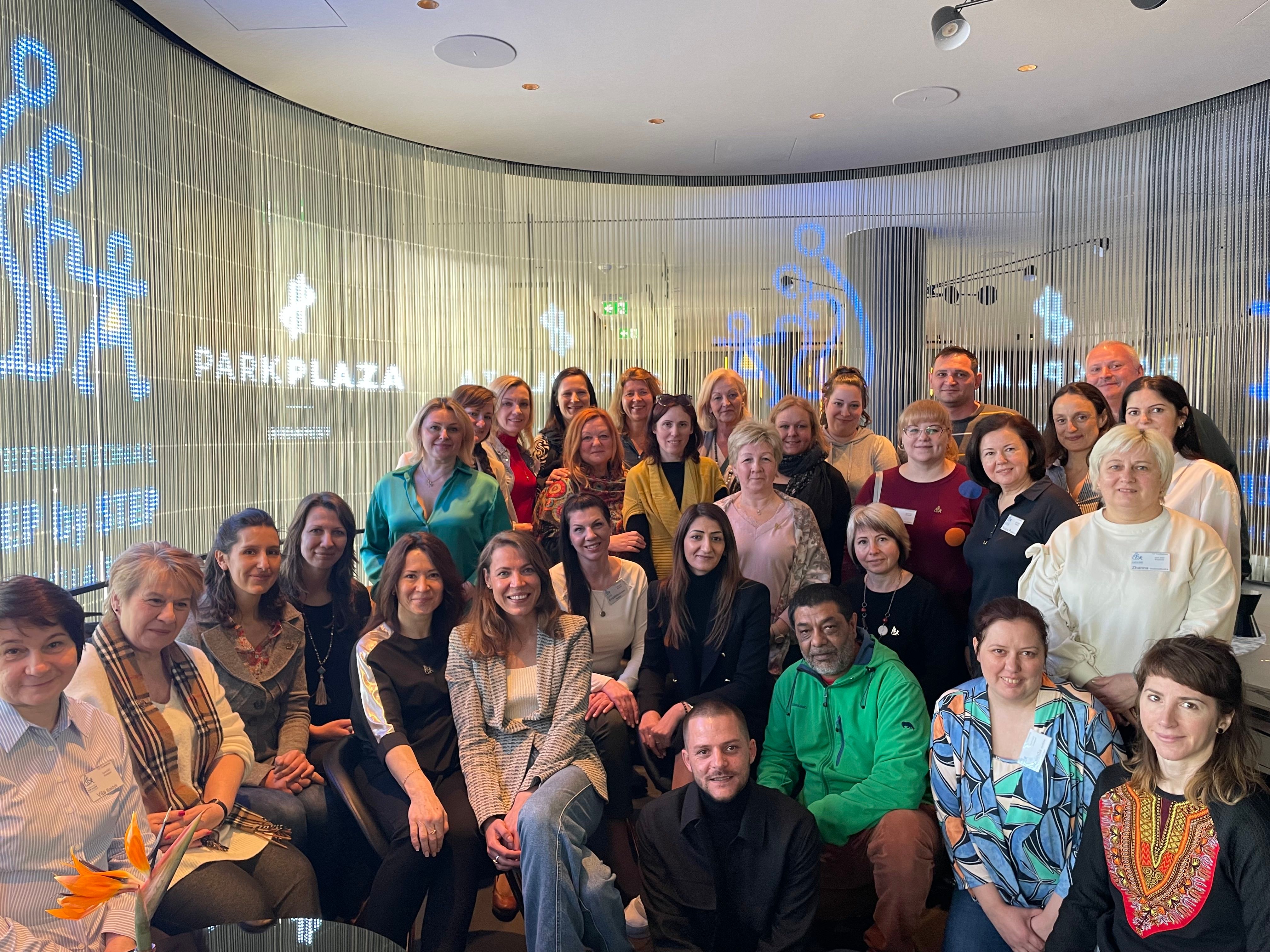
Thirty Trainers Receive Psychological First Aid Training in Budapest
From April 3-5, 2023, International Step by Step Association (ISSA) staff and trainers from ISSA member organizations in four countries gathered in Budapest, Hungary for the first in-person edition of the “Training of trainers” (ToT) on “Foundational psychological first aid (PFA) and trauma-informed practices for young children and their caregivers”. The participants included a large contingent of Ukrainian trainers, a large contingent of Hungarian trainers, and representatives of NestingPlay in Hungary, Partners Hungary Foundation, CIP-Center for Interactive Pedagogy in Serbia, and Step by Step Center for Quality in Education in Slovenia.
The training was developed in 2022 in partnership with War Child Holland and ISSA Member, Amna, to support caregivers working with young children and families in Ukraine and in countries where they have fled and was held online four times in 2022. This first in-person edition was supported by the Minderoo Foundation and represented a unique opportunity to gather as a community of experts and professionals, to share stories and experiences, and to build new relationships with other practitioners.
Building blocks of the training
Over the course of two-and-a-half days, the training covered three key building blocks:
- Key concepts and guiding principles of PFA.
- Working with children and caregivers who have been through distressing situations.
- Managing stress in professionals.
Day one began by setting the scene for the training and included energizer activities to help the participants get to know each other and get a sense of their combined experience. The training then explored how conflict and displacement affects young children, how to recognize when children are in distress, and how this can be seen in the way that children play.
ISSA trainers, Zorica Trikic and Aljosa Rudas presented the guiding principles of psychological first aid, namely “Do no harm”, “Look, Listen, Link”, and highlighted the importance of remaining in ones’ own scope of practice and not trying to diagnose or label children. The first day of the training ended with a session on creating safe spaces for children and harnessing the healing power of play — using stress management activities, such as “squeezing the lemons”. This activity, and others done during the training were taken from the "Let's Play Activity Cards", developed by ISSA in 2022.
Day two of the training explored the importance of self-care to help caregivers sustain themselves and their work, trauma and trauma sensitive practice, emotional regulation and returning to the “window of tolerance”, identity-informed practices, language and communication, and managing stress in professionals to avoid burnout.
One session largely focused on language and communication — where we learned through various activities such as "My story rocks" conducted in mixed language groups, that language is not only the words we speak and that there are ways to overcome language barriers. The highlight of the day was an exercise on group formation using different colored post-it notes and the lesson that followed on stereotypes and unconscious biases.
Day three of the ToT was a half day which consolidated all the learnings of the previous two days. The morning began by recapping the information from the day before and included a group discussion on identifying coping resources to help professionals handle stress.
The final session of the training put knowledge into practice through a case study asking how Ivona, a kindergarten teacher, would console a crying child while simultaneously addressing the various needs of the other children in the room. This activity required the participants to draw on everything that had been discussed over the previous two days. The training concluded with the participants awarding each other their certificates.
Reflections on the first in-person ToT on psychological first aid
Having conducted this psychological first aid ToT online four times prior, this was a unique and valuable opportunity to hold the training in person. Being in the same room brought the activities to life, enabled the participants to experience the power of touch and connection, and sparked joy and laughter as participants took part in activities like “Elephant in jail” and “Dancing in the rain”. In turn, this created a sense of kinship, and enabled the participants to build new relationships.
Supporting local governments to build comprehensive early childhood services – experience from Slovenia
For the past two years, ISSA Member Step by Step Center for Quality in Education (Slovenia) has been piloting the Primokiz approach in eight municipalities in Slovenia to establish integrated early childhood support systems for families with young children by developing local strategies approved by the respective municipal councils.
The Primokiz approach outlines the main arguments for investing in early childhood services and offers a structured seven-phased process for building local leadership to develop, tailor, and improve local early childhood services, across sectors, with the contribution of trained Primokiz facilitators. Moreover, it provides guidance for every step of the process — building capacity at the local level to identify and respond to the needs of children and families.
As a result of the pilots, early childhood development is now on the political agenda in the municipalities involved. They are committed to a long-term, strategic vision and increased capacity of local actors. The pilots have set the groundwork for sustainable, intersectoral coordination to provide responsive services for children and their families. This increased focus is highlighted by the recommendation of one municipality to establish an ombudsperson to oversee the issues and priorities in the field of early childhood.
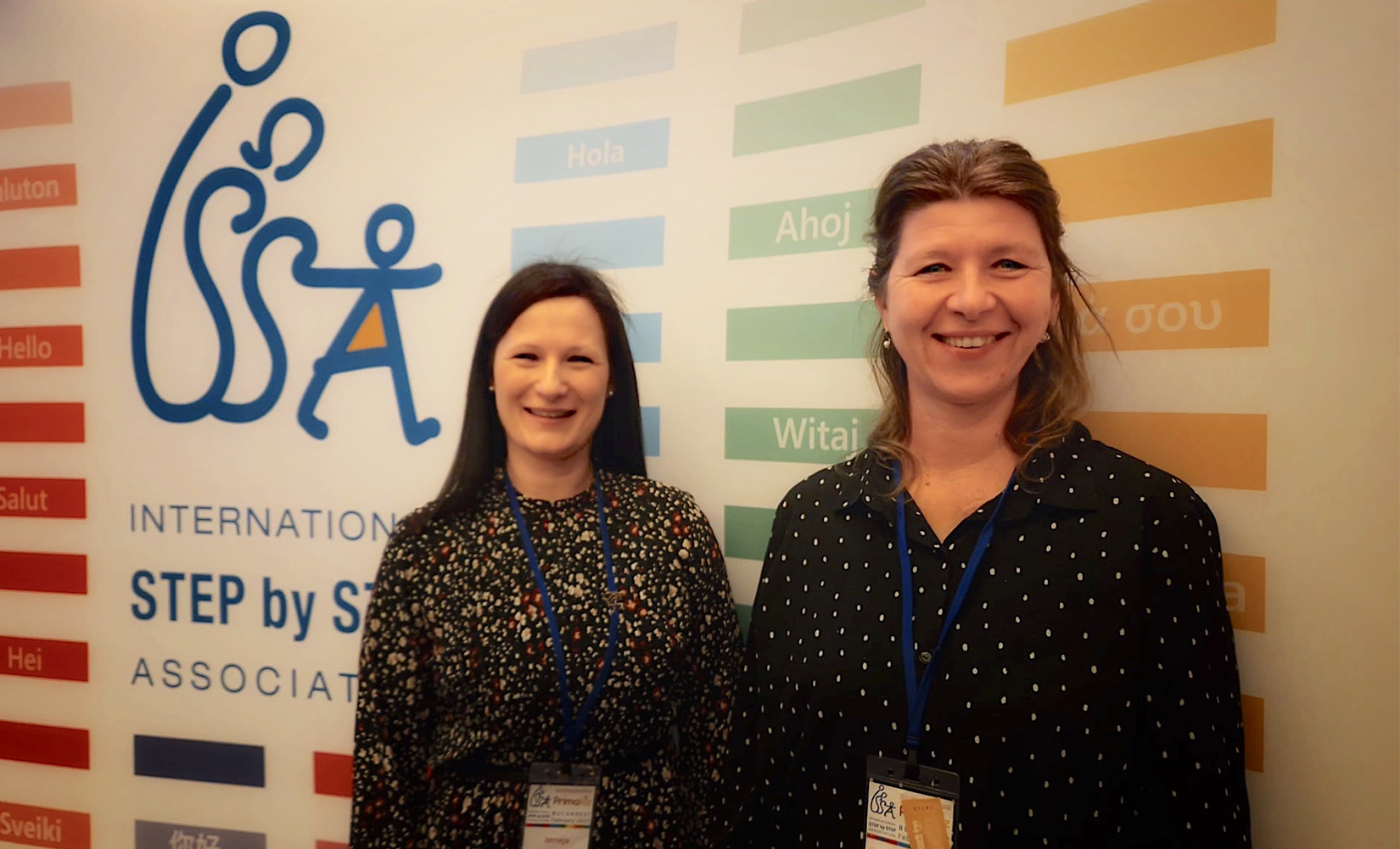
In February 2023, the ISSA Secretariat hosted an introductory Primokiz workshop in Bucharest, Romania. Experts from the ISSA Secretariat accompanied by experts from Step by Step Center for Quality in Education (Slovenia) and Centrul Step by Step (Romania) provided training to four peer organizations in the network on using the Primokiz methodology. The newly trained ISSA Members learned how to provide technical support to municipalities in assessing the needs of families, enhancing cooperation among sectors, developing, and implementing early childhood strategies.
After the workshop, ISSA spoke with Jerneja Jager, Head of the Step by Step Center for Quality in Education, and Mateja Rezek, researcher at the Center, to learn how this workshop was beneficial for their process and how their experience can benefit other ISSA Members.
Can you share how helpful and useful the Primokiz approach was in your work with municipalities?
Jerneja
In our case, the Primokiz approach was very helpful for working with municipalities because before Primokiz we were mainly working with the education sector—with teachers. Now, through Primokiz we expanded the focus of our work. While we have worked with municipalities before, especially to address the inclusion of Roma children in ECEC services, through the Primokiz approach we expanded our focus to all children and families.
Mateja
Through the Primokiz approach we also moved to a system level change. If before we were more focused on content, now we are supporting systemic change. We think this is really important, but this was also a big change for us. And systemic change also means involvement of political actors, who are quite important in this work.
What are your key takeaways from the Primokiz workshop in Bucharest?
Mateja
For us, it was really helpful to be a part of this learning process because we had an opportunity to reflect. Although we have had a lot of opportunities to reflect on our work over the past two years, this workshop had an intensive reflection component, and helped us really grasp the essence of our experiences. It seemed like a good starting point if we were to start the process over again – to discuss what to focus on, and what is really important.
As an ISSA Member, how is it to have the opportunity to share your rich experiences in implementing the Primokiz approach in Slovenia with fellow ISSA Members that are present here?
Jerneja
First of all, we are very honored to be in a position where we have the opportunity to implement this initiative in Slovenia and share it with other ISSA Members. We have been an ISSA Member from the very beginning (1999), and we learned a lot from other Members. Now we are really happy that we can contribute with our experiences to other Members’ learning as their peers, as their mentors… this makes our organization stronger. It makes it stronger especially in the international field, but also at the national level. Because when we are disseminating this approach, we always mention that this is an international initiative, which is very important in this field.
Mateja
It's a nice flow of knowledge growing. When we started with the Primokiz implementation, we got theoretical knowledge from the ISSA Secretariat and information on concrete experiences from Centrul Step by Step in Romania (ISSA Member). Now we were able to give back our experience to other Members. I think it's really nice how this knowledge and understanding of the process is growing and spreading to other Members and how this transfer of knowledge is going on and on.
Could you share some highlights or feedback that you got from fellow ISSA Members, related to what we have been talking and sharing here.
Mateja
Colleagues shared that this exchange of experience is meaningful and valuable for them because it's a new process they are starting. Although they are really experienced in other areas, this is new for them. And they feel safe because they know that in this ISSA family, they have someone they can always rely on and always ask if they have questions if they have doubts. It's really important that you feel you have support. It's a big network of support they can have through ISSA.
Jerneja
If I reflect on the beginning of implementing the Primokiz approach, the support we got from our peers was a very, very big help. When we started, we got this support from our Romanian colleagues who started the process a little bit before us. While we got that general framework from ISSA, when we connected with Romanian colleagues, it really gave us an additional perspective in a more practical way. It was great to have someone in the network to rely on, to ask concrete questions. And that really helped us in planning the initiative in our country.
Read more about the achievements, and the process, of these pilots.
ISSA welcomes three new Members
The ISSA Network continues to grow in 2020, we are proud to introduce three new ISSA Members organizations.
The Early Childhood Research Centre (ECRC) is an interdisciplinary research centre, led by Professor Mathias Urban, Desmond Chair of Early Childhood Education. The Centre and its research team build on a long tradition of critical inquiry in the field. Members investigate policies and politics, pedagogies, and practices in early childhood locally and internationally from a critical perspective that is informed by a shared interest in the transformative potential of collaborative research. ECRC actively promotes close collaboration between research, policy, and practice in the field. Read more about ECRC.
Worldwide Foundation for Vulnerable Children focuses on early education and trauma-informed, research-based, therapeutic play program named the Element of Play. Additionally, they provide skills development for youth and adults. They train in a structured play program that leads to transferable skills to further their education and career.
Their focus is quality pedagogy, parenting support programs, and social inclusion for children with special needs. They also hold camps for children dealing with difficult illnesses. Learn more about Worldwide Foundation for Vulnerable Children.
TNO-Child Health Research Group operates under TNO’s Healthy Living unit. Their vision is that every child should be allowed to grow up healthy, safe, and should have equal opportunities. They focus on health programs, access to services, and parenting support programs. TNO is a public organization in the Netherlands that works both nationally and internationally. Read more about TNO-Child Health Research Group.

ISSA’s Professional Development Opportunities Boost Kosova Education Center’s Shift to an Advocacy Organization
Based on an interview with Hana Zylfiu-Haziri, Program Manager Kosovo Education Center
As a membership organization, ISSA unites and supports professionals to deliver responsive, high-quality, and equitable services to all children and their families. For its broad diverse base of members, it offers a wide variety of opportunities to co-create and share knowledge and professional development and networking events. This blog presents how, as a result of a professional development opportunity offered under ISSA’s initiative REYN, the Kosova Education Center has made a programmatic shift by including advocacy in their work, vision and mission.
The Kosova Education Center (KEC)
KEC is a non-governmental organization funded in 2000 with the idea of focusing on provision of in-service teaching training programs. But lately Kosova Education Center has grown and now the organization focuses on 4 pillars: quality education; human rights; networking and participation in policy making; and educational research in general. KEC has also its own primary, secondary and gymnasium schools, and currently runs different projects and programs employing 30 people. Among many initiatives, KEC is working on the one that we shed light on in this blog - KRAEEYN - Kosovo Roma, Ashkali, and Egyptian Early Years Network through which KEC supports equitable access to education for Roma, Ashkali and Egyptian children, which still live in a vicious circle of poverty and social exclusion. On how KEC managed to integrate the advocacy component into its work we will learn from Hana Zylfiu-Haziri, a Program Manager at Kosovo Education Center.
How a professional development on advocacy led to an organizational shift?
According to Hana, initially KRAEEYN supported professionals and paraprofessionals in a grassroot level, as well as small organizations that supported Roma, Ashkali, and Egyptian children at the local level. Then, KRAEEYN participated in a professional development opportunity, organized by ISSA, with a focus on advocacy. It consisted of two trainings held in Sofia and Zagreb, respectively.
Back in Pristina after the trainings and sharing of the knowledge gained among KRAEEYN members, the network decided to shift its mission by integrating the component of advocacy in their existing mechanisms. Nowadays KRAEEYN is better positioned and engaged in advocacy actions at local, regional, and national levels to reach institutions and key stakeholder and decision-makers to influence the policy change at national level. KRAEEYN remains as a strong voice advocating for professionals and paraprofessionals working in the field making sure their needs are reflected in local and national action plans.
Although the topic of advocacy was familiar to her, Hana used to consider it as a big activity in which you have to gather people, and to do, and to plan. However, during the training and discussion with other national REYN representatives from 10 different countries, Hana and her team realized that they were actually doing so much advocacy, without knowing it, and “it was like an opening of our minds”. And so, they just have to be conscious that they are doing it and go for it, and maybe invite other people to join the initiative.
Hana says: “And this is when actually we decided to get into it. Since we are already doing some small steps, let's try to do something much bigger which doesn't require money or planning, and where only we have to think whom to reach”. And she concludes: “So these are the things that have influenced us, everything has been influenced by advocacy and now we are shifting completely as a network, we are doing more and more on advocacy”.
“One of the aspects that I found key to learn about advocacy is something I’m trying to put in practice in my work: how important is to find the right people to be with you and to act together as one voice. Now I see that so many things I have done and maybe I didn't succeed because I did alone. Now, all the time I'm trying to have more people on board”.
Hana also stressed that such professional development activities offer many opportunities not only to learn from the trainer but also from each other, from the peers attending such trainings. Hana shares: “Such professional development opportunities offer the chance to seat with representatives from different organizations and countries, with whom you listen to and learn from. In the training in Sofia, I was there with my program colleague. On our way back home, we had five or six hours of travel ahead of us, and this was excellent opportunity for us to reflect on the training, the content as well on the inspiring examples other participants presented during the sessions. It encouraged us to plan our future activities and make some nice plans. For instance, we heard from Croatians about an advocacy campaign they had done with soccer players, and also the Bulgarian team had some nice examples. And that was a point when we said … okay, we have to do something in this direction as well. It is very good that we are supporting paraprofessionals and professionals and we should continue supporting them, but as a KRAEEYN we are a voice that can be heard, so we have to change our way of being perceived”.
Hana continues commenting on the importance of the peer learning that takes place during such opportunities: “As we talk, things are coming to my mind, and the last REYN meeting that we had in Zagreb in 2019, was really nice. Not only because it was organized by you (ISSA) and that everything was good. We had the opportunity to reflect, to share, to think together, and to work as a team. It was really valuable, especially learning from the others what they are doing, and trying to see what can we do in our network, and how can we adapt or change current actions. That meeting was really good, really good one”.
ISSA’s support and influence goes beyond the training on advocacy
During the interview Hana stressed that ISSA has provided lots of professional development opportunities to its Members, which have also benefitted KEC and have been a great opportunity for them. One of them are the Peer Learning Activities (PLA). Specifically, Hana mentioned that they had submitted twice a proposal for the Peer Learning Activities: On the first one, at national level with three other organizations from Kosovo, Hana says “we have worked on 10 preschool institutions on improving their pedagogical practice, which has led to build in community of learners within the institutions.” The second, at international level with another ISSA member in Albania, led to a huge network of institutions from both countries to meet and where the teachers from both countries had the chance to speak, talk and share. Hana adds: “We had also the conference, where we provided a booklet with activities that teachers have created in their classrooms”.
According to Hana, both projects taking place under the PLA’s built on ISSA’s Quality Resource Pack. KEC presented ISSA’s Principles of Quality Pedagogy to the Ministry, which decided to approve them as a national document.
Hana stressed: “The document is there and teachers, even though they cannot be so much present at the moment, they are still using it. They have a system of monitoring their quality and what is also good is that the Faculty of Education has included parts of the Quality Resource Pack in their syllabuses as well. So, it all started with professional development opportunities”.
Motivations to participate in the professional development opportunities
When asked what motivated KEC to participate in these professional development opportunities, Hana mentioned that they knew that they were good chances for them to learn and share, and they wanted to be active in such activities. Hana said: “In the first case, when we applied for PLA we knew that we could do something together with other organizations from the ISSA network. For example, in our work with Albanian peers, we share a common “language” when referring to our similar situation in education we know where the problems are, what is needed and how we can we support our educational system.
In advocacy, what motivated me was more like I wanted to learn more: I needed to know more about what advocacy is and what can I do with it at national level. The training helped me first of all to understand some things and then I shared with colleagues. It actually helped me to reflect about my work as well, and not only on the current project, but also in other projects where I'm involved. And now I always try to enforce the component of advocacy also in the other projects”.
Why would Hana recommend to participate in such kind of professional development opportunities?
Hana said that first of all, she would strongly recommend to herself to continue be part of these kind of professional development opportunities and she will continue as much as she can. And she continued by saying: “But why would I do it? Because for sure they will benefit as we did it. First of all, every time you learn something, you share, for instance, we had that nice opportunities from professional development activities we have developed, we had the case when we developed a project, so there are really nice opportunities for our network to learn, to share, and to be part of different activities and initiatives”.
Bulgaria’s five largest cities receive psychosocial support training
Following the outbreak of the war in Ukraine, NGOs around Europe had to act swiftly to respond to the needs of families with young children fleeing Ukraine. While the necessary infrastructure was set up quickly, the early childhood development (ECD) workforce was not adequately prepared to support children who have been through traumatic experiences. For Ukrainian children living in Bulgaria, their fear, anxiety, anger, sadness, and grief are compounded by being away from their homes, schools, relatives, and peers, adjusting to a new country, and uncertainty about their future. In this new reality, the ECD workforce needs the proper tools to protect their mental health and support the children they work with.
In 2022, War Child Holland, ISSA Member, Amna, and ISSA joined forces to develop and deliver a training of trainers titled Foundational training on psychological first aid and trauma-informed practices. In cooperation with UNICEF, ISSA Member For Our Children Foundation recruited highly qualified ECD professionals to be trained as master trainers to deliver the foundational training in Bulgaria. They were then grouped, ensuring that each had a balance of professionals with knowledge of the ECD systems and experience working directly with children and families. Since this training, and with support from UNICEF Bulgaria, For Our Children Foundation, successfully trained 103 ECD professionals, by coordinating a series of workshops on psychosocial support and trauma-informed care for those working with refugees and migrant children.
To realize these workshops, For Our Children Foundation created a plan detailing the potential target groups, training dates, and suitable venues. Master trainers delivered these trainings in Bulgaria’s five largest cities—Sofia, Plovdiv, Varna, Burgas, and Stara Zagora. These cities have the largest number of ECD services, which allows For Our Children Foundation to scale up expertise. This will not only strengthen the capacity of the ECD workforce, but also ensure sustainability and further utilization of the training’s resources. Furthermore, with assistance from local authorities, For Our Children Foundation identified and invited early years and social services professionals that have been heavily involved in the refugee crisis.
In Stara Zagora, trainers from Mission Wings Foundation, an organization with many years working to support migrants and refugees, conducted a training with frontline workers with diverse backgrounds and experiences. In addition, workshops hosted in Burgas and Varna reached many Ukrainian children and families fleeing the war. Representatives of UNICEF’s Blue Dot hubs—safe spaces where children and families can get practical support on their journey—also joined these sessions. Meanwhile in Sofia and Plovdiv, For Our Children Foundation’s ECD centers hosted the workshops.
For Our Children Foundation has received overwhelmingly positive feedback from both participants and master trainers. The enthusiasm of those trained will allow For Our Children Foundation to establish effective and sustainable professional learning communities, to boost the skills and knowledge of professionals.
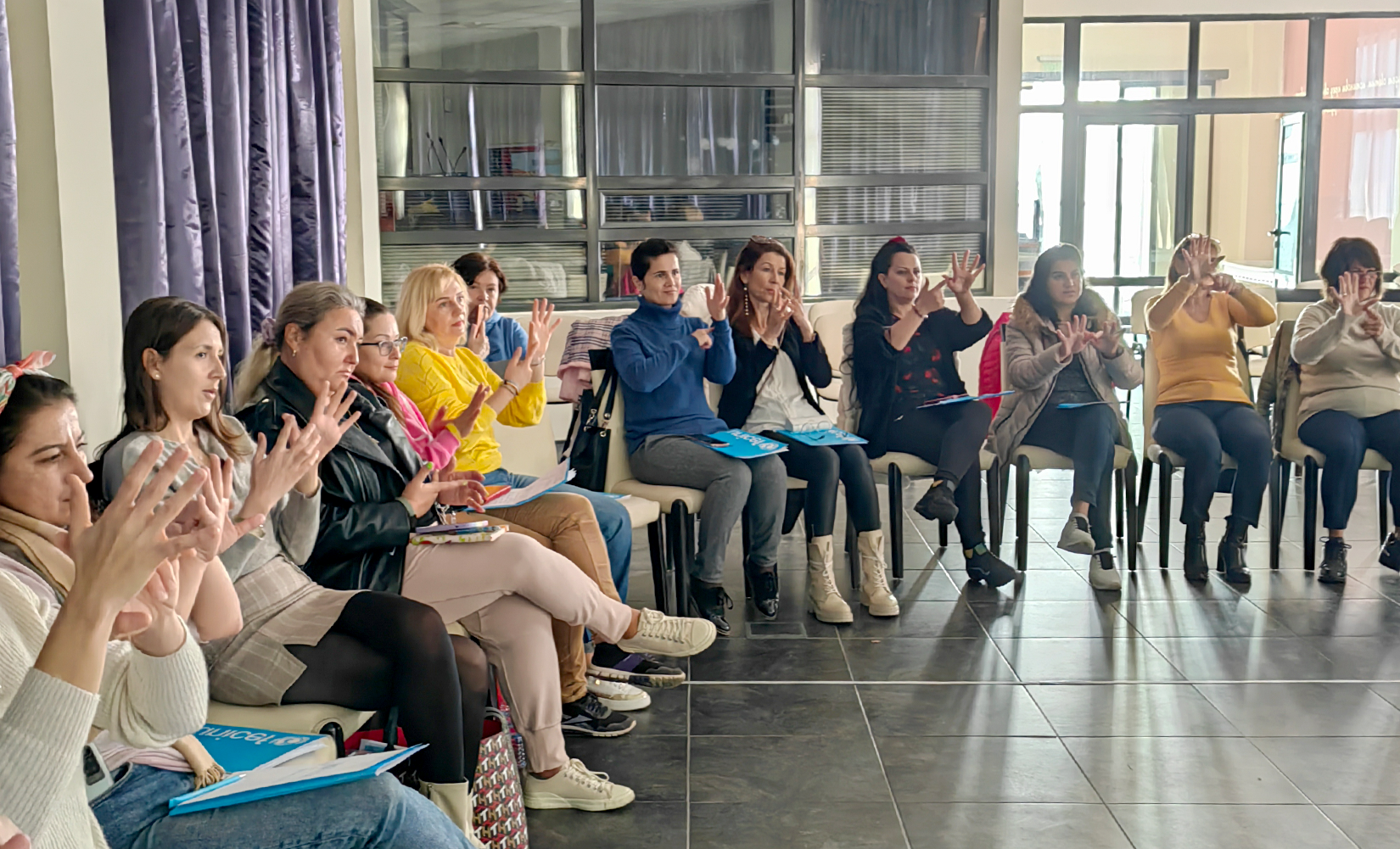
Photo on the left (training in Plovdiv); Photo on the right (training in Sofia)
Photos courtesy of For Our Children Foundation.
"Tell me"
A combilation of videos addressed to families and ECD professionals, that aim at explaining the developmental stages of the child and how we can support children's holistic development and autonomy.
Learn more about Ensemble for Early Childhood Education on the website, Facebook, Twitter and Youtube. Follow #EduEnsemble on social media to see more posts.
Organization(s):
Ensemble for Early Childhood Education
Language:
Contact:
Aurelia Rabe, aurelia.rabe@eduensemble.org
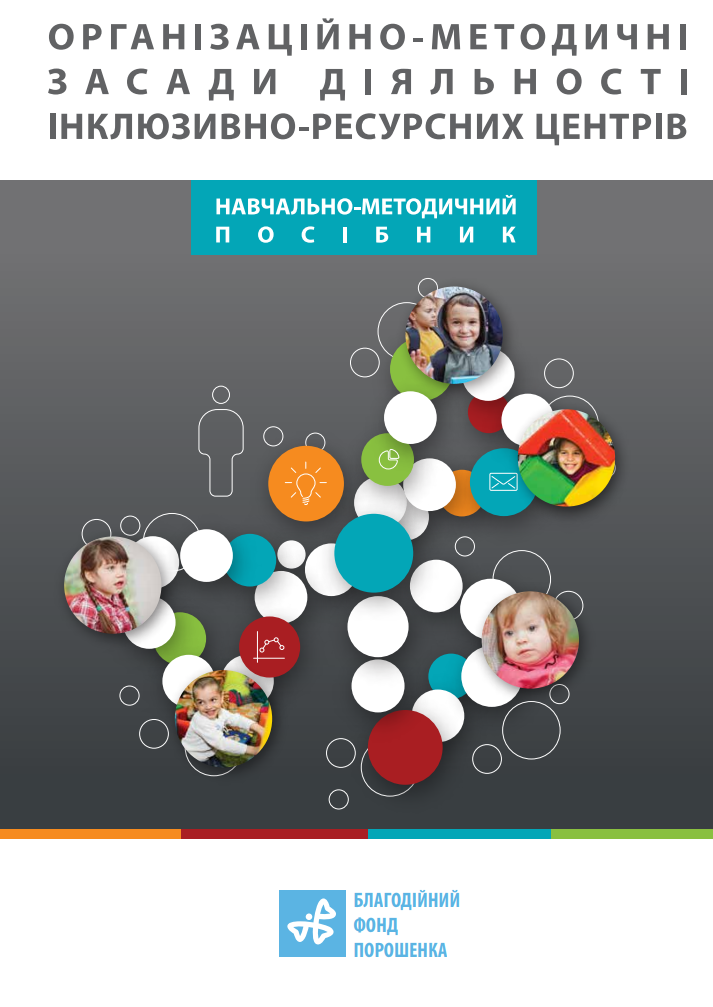
Organizational-Methodological Grounds of Inclusive Resource Centers' Activities
The purpose of this manual is to equip members of Inclusive Resource Centers (IRC), parents of children with special needs, schools and other institutions dealing with the issues of inclusive education, providing special support to children with special needs with necessary practical information. The main issues the manual addresses are the following: the concept of inclusive education as a rights based approach, introduction of International Classification of Functioning (ICF) as a tool to identify necessary support for children with special needs, organizational aspects of IRCs` activities, how to conduct complex assessment of children with special needs, role of the parents and ways of cooperation with families of children with special needs.
This resource will be very useful for policy makers who develop the system of support to children with special needs and their families in the context of inclusive education, for educators and parents, other community members.
The following issues make the resource innovative and inspiring: internationally agreed definition of inclusive education as a provision of additional support to children with special needs within inclusive educational environment, new approaches to assessment of children with special needs to identify their strengths and additional needs rather than problems.
IRCs are community-based institutions created to provide the right of children with special needs to quality education, in particular:
• complex assessment of children with special needs aged from 2-18 years to identify children`s strengths and special needs;
• methodological support to inclusive pre-schools, primary and secondary schools on providing quality educational services to children with special needs within inclusive educational environment (necessary accommodations, modifications, proper organization of educational environment based on the principles of universal design and reasonable accommodations);
• consultative support to parents of children with special needs;
• coordination of services in local communities.
button[src="https://mon.gov.ua/storage/app/media/inkluzyvne-navchannya/posibniki/Inclusive_study_Sep17.pdf"][label="Download"]
Organization(s):
Ukrainian Step by Step Foundation
Language:
Contact:
Natalia Sofiy, nsofiy@gmail.com
Handout for Persona Doll - for practitioners
This handout presents in brief the Persona Dolls methodology and provides a brief and concise overview of how we can create a doll with personality, the main rules for making the dolls, the steps that need to be taken in advance, the main phases of a persona dolls session and some story examples that practitioners can use.
Note: for everyone interested in the persona dolls methodology, it is advisable to undertake a training prior using the methodology.
button[src="https://cdn.prod.website-files.com/694724257114b734f4bb749a/6985ce7d028979a5a00047a9_Training%20Manual%20-%20Persona%20Doll.pdf"][label="Download"]
Organization(s):
Partners Hungary Foundation
Language:
Contact:
Zsuzsa László, laszlozsuzsa01@gmail.com