Knowledge Hub
All the resources stored here have been created by ISSA Members
or ISSA Secretariat in partnership with Members or partners.




Services and policies on Early Childhood Intervention
Early Childhood Intervention (ECI) services focus on strengthening the capacities of the parents to support their child with developmental problems in daily routines. The natural environment is crucial for the best possible development of the child’s abilities and its inclusion in the education system. In this Lab, ISSA Members form a learning community, share good practices on both policy and practice levels and organize professional development opportunities for ECI service providers from their countries.
Co-hosted by the SOFT Tulip Foundation, the Netherlands and the For Our Children Foundation, Bulgaria, the Lab has provided important peer support to the participating five ISSA Member Organizations.
Seasons greetings, best wishes, and many delicious recipes
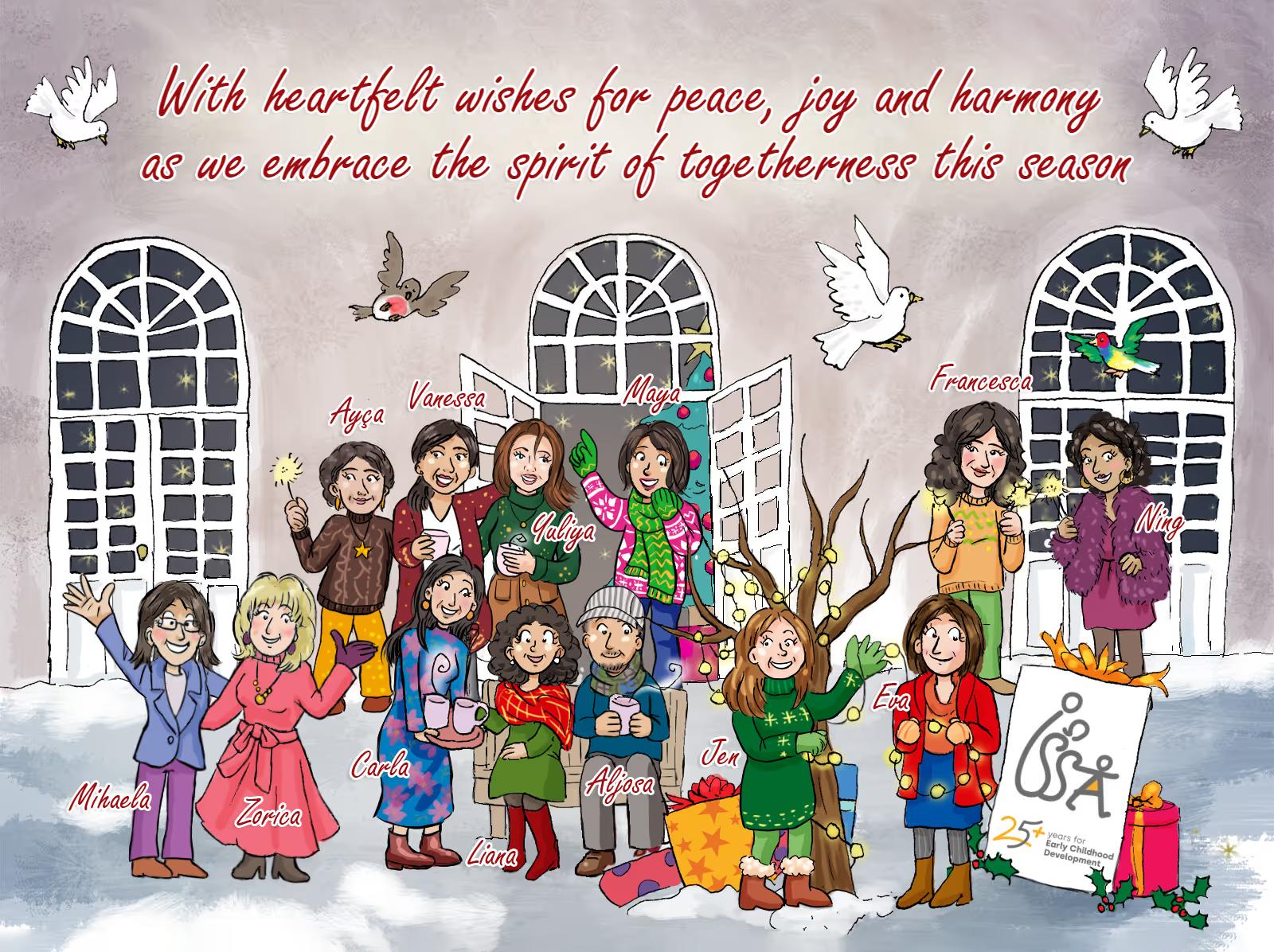
Dear Members, Partners, and Friends,
As 2024 comes to a close, let's take a moment to celebrate an extraordinary year! Together, we marked 25 years of ISSA and 30 years of Step by Step—a testament to decades of shared passion, commitment, and impact for young children and their families.
This year, we embraced fresh energy and bold changes. We began implementing our 2024–28 strategy, focused on stronger distributed leadership and shared ownership in our diverse, growing network, with the aim of furthering our collective impact. The long-awaited ISSA Conference brought us together for the first time in five years, inspiring connections and reaffirming our commitment to an early childhood ecosystem where all children can thrive.
Together, yet again we took great strides this year in advancing the Early Childhood Development field—through advocacy, knowledge-sharing, and capacity-building initiatives that promote quality practices and systemic change. Reflecting our momentum, we unveiled a vibrant branding refresh to carry us confidently into the next 25 years. It captures the spirit of who we are: a dynamic network dedicated to championing holistic and integrated systems, policies, and high-quality services for all young children. Throughout, we've also shown incredible resilience in the face of challenges, remaining steadfast in our mission.
As we look to 2025, exciting opportunities await us! We'll continue to push boundaries, amplify our impact, and harness the new network tools such as the Members Room introduced this year to help members connect and collaborate more effectively.
But before we dive into the new year, let's pause to celebrate and recharge. This holiday season, we invite you to explore a special cookbook we've compiled with recipes from each of the countries where we have members, featuring submissions from members and others we've sourced. We hope you'll try some of these dishes as you gather with loved ones, sharing the warmth of good food and cherished company. May this season bring you peace, laughter, and inspiration to greet the year ahead with renewed energy and hope.
Thank you for being part of this incredible journey. Together, we are building a brighter, more equitable future for all young children—and we can't wait to see what we'll achieve next.
With festive cheer and gratitude,
The ISSA Network Hub

The Road of Early Childhood to National Plans for Recovery and Resilience – a successful advocacy effort in Italy
COVID-19 pandemic is putting all countries in Europe under a hard test now: the ‘early childhood’ test, or in other words, the ‘long-term, visionary investment in the youngest generation’ test. While across the European Union, Member States are preparing and submitting their National Plans for Recovery and Resilience (NPRR), we are learning about different advocacy pathways and strategies undertaken by ISSA Members in their efforts to convince country politicians that there is no better way to address inequalities, the vicious circle of poverty and exclusion, unless we start from the very beginning: the early years. Recently, we have learned about the successful advocacy work carried out by our Member in Italy, the Centre for Child Health and Development (Centro per la salute del bambino) and their contribution to an important achievement: the Italian National Plan for Recovery and Resilience includes financial investment in early childhood services. Today we are talking to Director, Centre for Child Health and Development Giorgio Tamburlini about this achievement.
Giorgio, what is the history of and what was the main driver for this advocacy effort focused on bringing more public attention to and investment in early childhood?
Somewhere between May and June 2019 a small group of seven or eight people – mostly academics – met at the Department of Sociology of the University of Milan. The aim of the meeting was to start an alliance to advocate for children and families. I remember that we said we should advocate for children and for their families, but with a vision that does not put this investment in a possible contradiction with other investments. We all agreed that families need to be supported as well, not only through day care services. The home environment is extremely important, especially in the first three years of a child’s life, and we need to support families too, and not just those families that have very serious problems, but all the families.
We wanted to have a proposal that could fit well into a broader view of the country development. There were many disciplines represented in the core group – mostly from political science, sociology, education, statistics, demographics. I was the only one from the health sector at that time. From there we moved to establish an advocacy network, Alleanza per l’Infanzia (Alliance for Childhood), and writing a sort of Manifesto.
We said that the country had an extreme need to invest more in children and their families for a number of reasons – it’s an issue of rights, an issue of social and economic development, an issue of demographics and so on. We sent this Manifesto to a variety of entities. We discussed about involving the main trade unions and we agreed that they should be on board, as they represent an important constituency. We also addressed the main NGOs, from Save the Children to many others that may not be international, but nationally very well-known and some professional bodies representing educators, paediatricians, psychologists. We immediately gathered quite a few supporters around the Manifesto, and, by the end of October 2019, we gathered more than 12 organizational adhesions, including the main trade unions, which was quite important as they are representing millions of people.
We then had two meetings in Rome where we decided to develop a more elaborated version of the Manifesto and focus on three main directions. One direction regarded the cash transfers to families – the fiscal policy etc. In Italy, the situation of cash transfer was very fragmented. We asked for one comprehensive measure for all families with children up to 18 or 21 years. The second strategic direction was regarding the day care services for children aged from birth to 6, asking for increased access and affordability. The third direction was about the parental leave - for mothers and fathers, and particularly for the fathers because it was so marginal. We devoted specific seminars to the three thematic drivers so that gradually we started to define an articulated analysis and proposal for each of the three directions. Gradually, other partners joined us and now there are almost 30 of them.
We know that in Italy, back in 2015 an important decree which provided a legal framework for vertical integration in the early childhood education and care system for children from birth to 6 years of age passed. A great step for many early childhood systems. How does this advocacy effort build on an already important policy change?
Well, it is very important, because the decree provided the legal framework, but then you need to put money and the know-how to implement the policies, and that has not happened evenly across the country. For example, the access to day care for children aged under 3 in Italy, on average, is 25%. This is not acceptable; the number should be higher. There are enormous regional disparities between the Center, North and South, with the South being much more disadvantaged.
This is the important achievement that I see with the NPRR. It indicates the financial resources that are to be allocated to make the policy work across the country. Secondly, the integration between birth to 3 and 3 to 6 services has to be built on models and mechanisms. In the 50 pages report which we submitted in collaboration with another network focusing on Education to the Parliament, there are also some detailed suggestions about who should lead the process, what should be the role of the municipalities or the regions and what kind of personnel they should hire, what should be their qualification, what is the typology of their contracts and so on. All these issues are absolutely crucial. One of the last steps was to indicate very clearly that this vertical integration within the education system should also have a component of horizontal integration with the social and health sectors. This is one of the Centre for Child Health and Development’s specific area of interest. We mainly deal with the health sector and we are increasingly working with the education, the social and the cultural (libraries, museums) sectors.
From the outside the work of the Alliance appears to be a great achievement. Do you also see it as an achievement talking into consideration all the work done?
The first achievement is the fact that we have created the Alliance for Childhood itself, that it is there. The second achievement is the fact that through this Alliance we started to work quite closely with parliamentarians. In mid-2020, an interparty group devoted to infancy was formed between the main parties representing the majority from the past government. We started having quite frequent meetings between parliamentarians and the members of the Alliance, thus strong supporters inside the Parliament.
Was this interparty group created because of the lobby that the alliance has made or was there an intrinsic motivation from the politicians’ side to do it?
I think it was both, and maybe more the second. There are two parliamentarians who have been particularly active: one is a leader of the Paediatrician Association, the other one a former Save the Children officer, so they both have a whole professional history focusing on childhood behind them. We still are having meetings together. At the end, based on our work they produced a document that was ultimately presented in a Parliament on April 14th and it passed. The final text reflected all the key points that were made in our well documented proposal. The Parliamentary passed motion led to having in the NPRR provisions regarding early childhood education services with an allocated budget of 4.6 billion euros, and other substantial investments for social cohesion programmes and services, particularly for vulnerable families and disadvantaged areas. The NPRR was approved by the Italian Parliament on April 28 and sent to the European Commission.
Please tell us more about the important steps that you undertook from having a Manifesto to developing a well-documented report ‘Investing in early childhood’ that led to a Parliamentary motion. What were the discussions and how this worked out in the Alliance itself? Because I suppose that it was kind of a joint work that was put together, right?
Yes, absolutely. I should mention a few things. First, that the initial group included at least three or four people that are very well-known and have a high professional reputation. Besides, since the beginning, the idea was to produce something very solid: a good articulated documented with very precise proposals. The document was prepared by dividing us in working groups. I was for example in the working group that was looking at the services for early childhood and parents. Each working group had a wide participation from different actors, including the technical secretariats of the trade unions that were taking care of the of the aspects regarding the personnel, which was very important. I think that each section had about 20 to 25 different people representing different constituencies working on it.
Was the Alliance created only for persuading Government to allocate funds in the early childhood and to provide guidance on spending to state actors? Or was the Alliance going to be also a watchdog who observes and monitors how the policy will be implemented based on the funds allocated?
I don't think we are capable of monitoring every step in the way, it would require a lot more human resources than we have. The watchdog for the time being is on the political process. However, equally important is that the report we produced is a powerful source of inspiration for the local administrators and local actors, even beyond the legislation and any political process. There are clear directions there regarding the know-how. For example, a municipality may decide that they would like to do something in a specific direction with the resources they have and with the partners they found the locally. They could get enough insight regarding a framework for action from our report.
I could say that several parts of the documents could be applicable even without major additional resources because it talks about integration and things that you can do even with very little money. Certainly, we need a robust injection of money, particularly for expanding the day care offer. It’s an infrastructure issue, although the main cost is the personnel. It is an investment. You invest in young people, in female employment, in the South. Thus, all three requisites are met. But we have two concerns. The first is that the parties typically would like to put more money there where there is an immediate political gain, such as the cash transfer, and less where the gain takes more time. The second risk is the fact that investments in early childhood compete with other kinds of investment such as industry, technology, energy, communication, etc. which have very powerful lobbies behind.
Is the document that you developed public, can be accessed by local and regional actors?
Yes, it is published on the websites of the different organisations in Italy (see www.csbonlus.org and www.allenazinfanzia.it), and it has been presented publicly in a series of webinars. It has an executive summary in English.
Would you say that you are optimistic about the future?
The approval of the NPRR with a section devoted to children and a specific budget allocation is something that we would have not expected just a year ago. I don't know whether in the near future we will really achieve what we would like to, or less, but we will know that over the next 3-4 years. It should be stressed that it is not only a matter of policy development and resource allocation. A lot will depend on the capacity of the Government, of the regional and municipal administrations to implement the NPRR.
What would be the indicator for saying that this is a big success?
Besides the success represented by having a specific section in the NPRR devoted to the importance of investing in children, the main success is that we have now resources particularly allocated for ECEC services, though they are less than what we asked for.
What would be the advice is that you would give to other ISSA Members who are embarking on advocacy?
Two main pillars: one is the strong civil society engagement and representation which should not be limited to the usual champions – the experts that usually speak. We managed to do this with a strong support from the trade unions and the big NGOs. The second, I would say, is the engagement of parliamentarians. You have to build a strong link with whoever you think is necessary for your case. I would personally suggest having the professional associations on your side. Usually, paediatricians are not very powerful, but some of them are usually well-known in the country. Local administrations (regional and municipal) have a big role too and they should be highly involved at the local level.
How do you think that your organisation has benefited from this effort?
Our organisation benefited because we got a better positioning on the national arena. This is due to two main things. One is our contribution to Alliance and to the parliamentarian work. Another one is because of what we are doing in the field. We are recognised as an organization that has the feet on the ground country-wide and therefore a relevant expertise when it comes to implementation.
Psychological First Aid Training Guards Children’s Safety in Trostianets, Ukraine
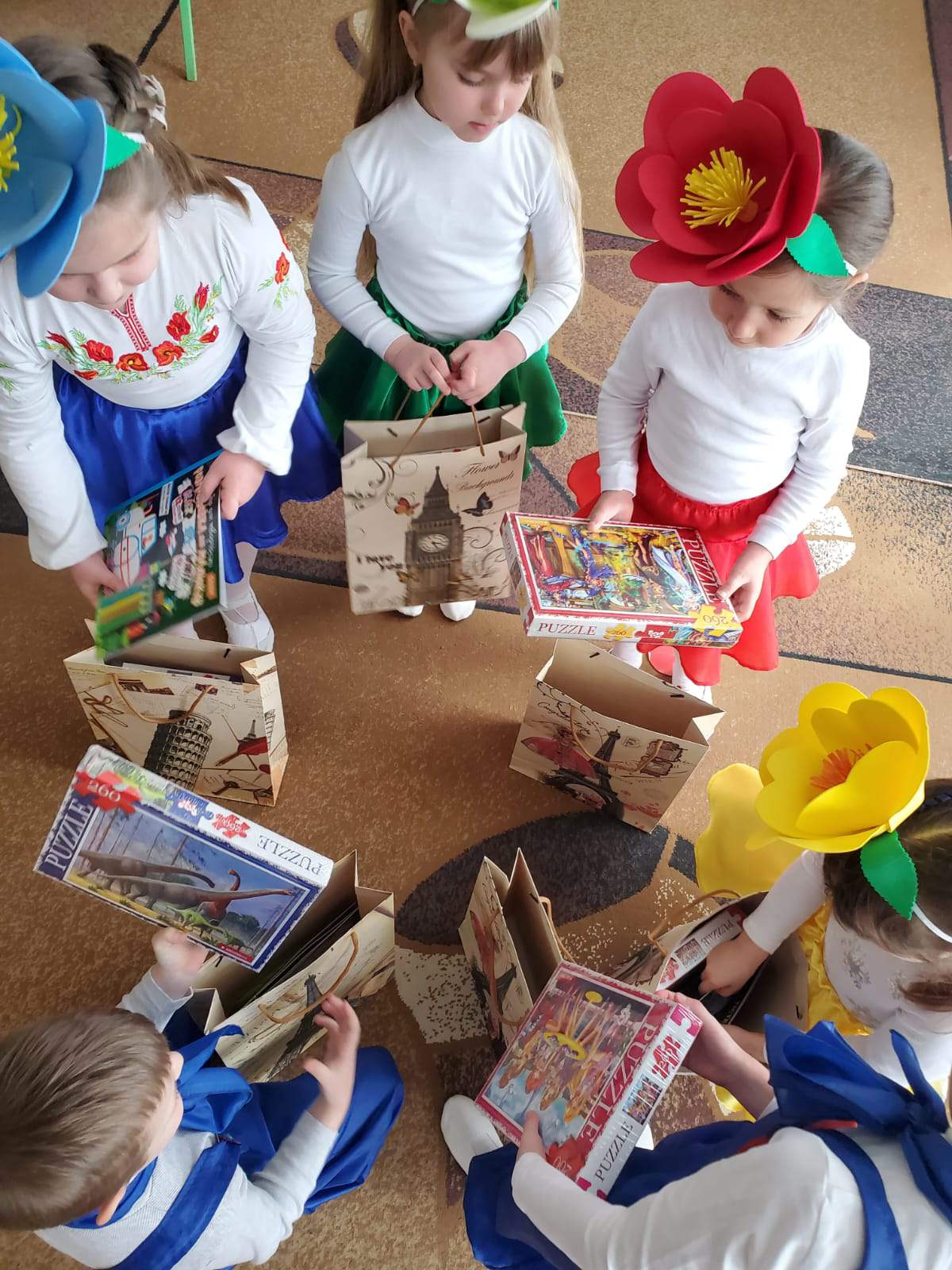
Not a single kindergarten was open in the city of Trostianets that is in Sumy oblast in Ukraine in May of 2022. The community had suffered significant destruction of infrastructure, schools, kindergartens, and community residents' homes because of the war in Ukraine. Three kindergartens opened only at the beginning of June 2022 and one kindergarten in September 2022. Substantial funds were needed for their restoration. In collaboration with War Child Holland, ISSA supported the provision of furniture, toys, meals and stationery for children's activities in these kindergartens. However, these needs have not disappeared. It is still necessary to restore or build new houses, schools, and kindergartens. The war continues, and children’s safety remains a priority.
“Residents who were abroad or in western Ukraine are gradually returning to the community, creating a new need to attract more children to kindergarten,” says Olena Hloba, consultant of the Ukrainian Step by Step Foundation and project expert of Reform Support Team at the Ministry of Education and Science of Ukraine. “Therefore, it is necessary to restore kindergartens or create working conditions in those kindergartens – repair group rooms, purchase furniture, bedding, dishes, washing machines, kitchen appliances, build/reconstruct bomb shelters, etc. At the same time, there is a need to overcome trauma and restore the emotional and psychosocial well-being of young children and families. We need to teach parents to help themselves and their children.”
Twenty-seven teachers in Trostianets have already received training in PFA. Among those trained are preschool educators, special needs teachers, and representatives of the education department. Educators gained practical skills in physical and breathing practices for self-regulation. They learned how to create a safe space in a group room, on the street, or in a bomb shelter; how to facilitate children's play, especially when children want to play war all the time; how to talk and initiate conversations with children; how to communicate with parents, how adults have changed and what to pay attention to during communication.
When Ukraine experienced major electricity cut-offs from October 2022 to January 2023, teachers started exchanging “ideas in the dark” – how to keep children busy when it is dark. Individual drawing kits were purchased, and children could draw with a small flashlight. Teachers also instructed parents on how to perform learning and healing activities with their children at home and how to play with them in the darkness.
“We can see that after receiving the training, preschool teachers became more confident in their actions. They are not afraid to make decisions, they know how to calm children and parents down,” continues Olena Hloba. “Children also became less anxious, and their parents became more aware of their needs and reactions, and started to consult with educators, which was not observed for many years. As to the training that we had, I can say that the materials such as the Training Guide created by ISSA, Amna and War Child Holland are well developed, and the trainers did a perfect job in adapting the materials to the needs of our ECD professionals and practitioners on the ground. Besides, the Peer Learning Exchange Sessions hosted by ISSA, during which teams of trainers coming from different countries shared their experiences about the adaptation and implementation of the training at the country level, were also very useful for us.”
-----------
A partnership between ISSA, War Child Holland and Ukrainian Step by Step Foundation (amongst other ISSA Members) provided trainings on Psychological First Aid (PFA) to a 10 master trainers who gave subsequent trainings for teachers in Ukraine. These trainers are now providing subsequent training to ECD professionals and practitioners on the ground in a cascade model that aims to benefit thousands of young children, parents and caregivers all over the country.
Interview with Zsuzsa Laszlo: the ISSA Network’s Persona Doll learning community
Interview with Zsuzsa Laszlo: the ISSA Network’s Persona Doll learning community
Over the last 15 years, Partners Hungary Foundation has been providing Persona Doll training for ISSA Members, resulting in a significant number of early childhood practitioners incorporating the dolls into their practice within the region. The diversity of participants engaged in ISSA Peer Learning Activities and Joint Learning Labs contributes significantly to the enriching experience of the training for the entire group. In this interview, Zsuzsa Laszlo, an experienced Persona Doll Certified Trainer, shares her valuable insights, providing a deeper understanding of this approach.
What is the Persona Doll method, and why is it meaningful?
The Persona Doll is a method for encouraging discussions about emotions and feelings among children aged three to eight. It offers a non-threatening and enjoyable means to address issues of equality, challenge stereotypes, and discourage discriminatory thinking in young children. The method also encourages critical thinking, fosters empathy, and empowers children to confront instances of unfair treatment.
Originating in the UK and widely successful globally, the Persona Doll method provides an efficient and playful approach to tackle stereotyping and promote equality. Designed for professionals in early childhood development, this innovative tool isn't only useful for addressing prejudice-related conflicts but is also effective in handling various conflicts among children.
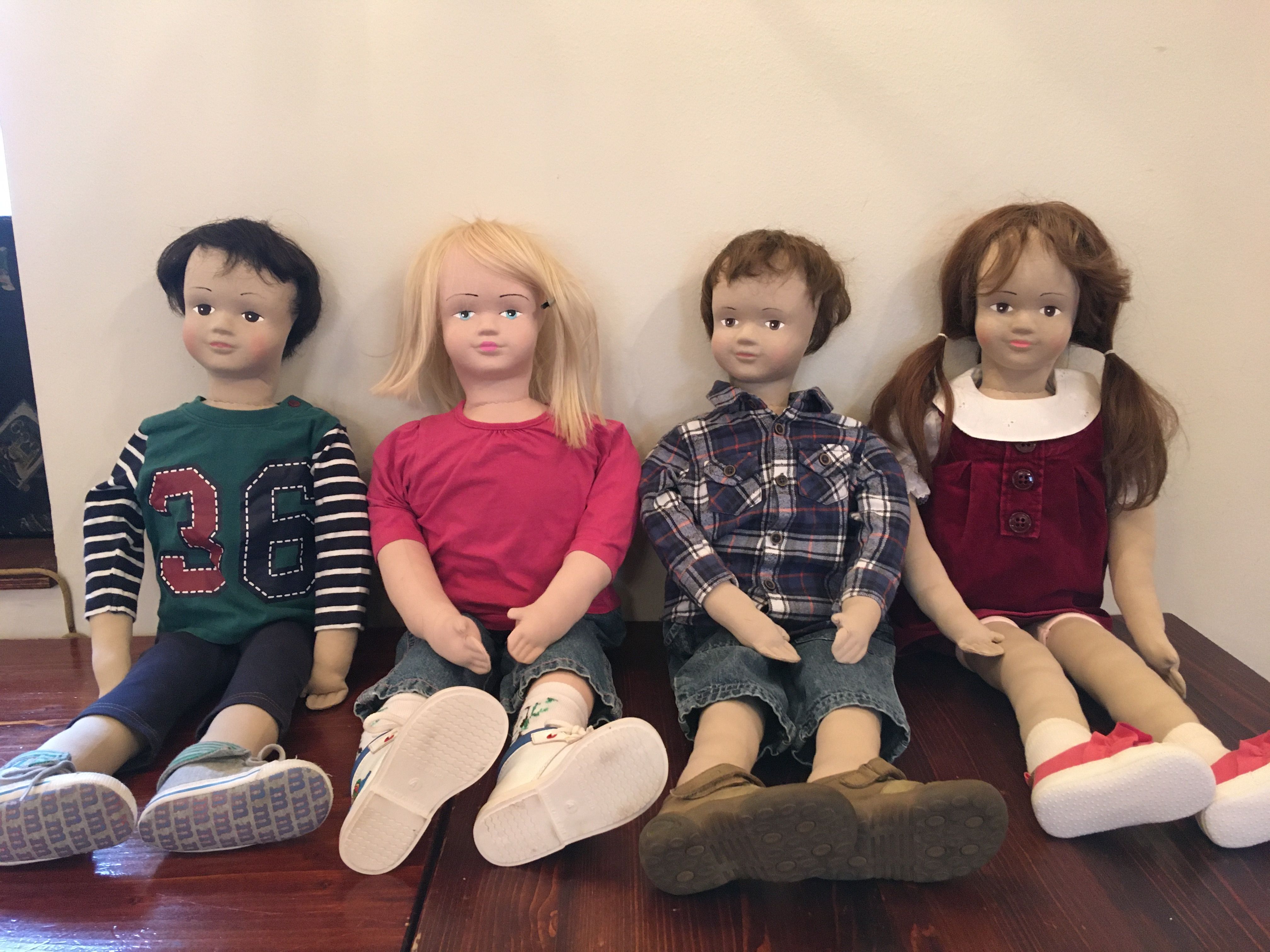
The method centers around a lifelike rag doll (approximately 60 centimeters tall), endowed with personality traits by the professional, such as family background, characteristics, favorite foods, and belongings. This Persona doll "visits" the children, creating an opportunity for professionals to broach sensitive topics through everyday stories. This approach encourages discussions that might have been difficult to initiate otherwise.
The method aims to transform teasing and exclusion into attitudes of respect and care. To implement the method effectively, sessions should occur bi-weekly, and in the interim, professionals gather stories from the group's experiences that generate significant discussion or recurring problems (teasing, bullying, conflicts, etc.), situations where occasional verbal warnings prove ineffective.
An example of a story that generates discussion in the classroom is the following: A Roma girl who is new to kindergarten shares that in her previous school, she was told, 'I don’t like Roma.’ As the preschool children sit in a circle, they react with surprise or empathy, saying things like 'Wow, that happened?' and 'Oh, that’s very hurtful', but also 'They should be punished or hit'. While the preschool teacher facilitates the discussion, the children come up with ideas and try to find a solution for the new girl.
The Persona Doll method is specifically designed for preschool and primary school teachers but is equally suitable for teaching assistants, preschool and school social workers, as well as preschool and school psychologists.
What are some of the most unexpected outcomes or success stories you've encountered through using Persona Dolls in educational settings?
All of our stories are unique in their own way, but perhaps we can highlight stories where the Persona Doll method thrives independently within kindergartens. For example, at one kindergarten in the region, we initially started with just one teacher, and now there is a thriving learning community where teachers collaborate, plan together, and only come to us for support and mentoring when needed. We believe that true success lies in the autonomy of the Persona Doll, where its magic continues to flourish independently.
How do ISSA’s PLA and JLL contribute to the use of the method?
Our aim is to create a vibrant professional community within ISSA at two levels. Firstly, by offering Peer Learning Activities (PLA), we provide the basics for professionals who are interested but not yet familiar with the method. Through Joint Learning Labs (JLL), we establish a learning hub with intense mentoring and peer support, assisting individuals at all levels of practice and serving ISSA with a dynamic professional learning environment. We aim to build a community where anyone with a basic understanding of the Persona Doll Method can receive support, feedback, and peer mentoring. Our ultimate goal is to increase the number of professionals actively engaged in the field of diversity and equity within ISSA.
Being part of the ISSA Network has enabled us, to spread the Persona Doll approach across a diverse group of dedicated professionals internationally and to establish connections with organizations we might otherwise never have known about. It is almost a mini network we started.
What are the plans for 2024? Any opportunity for ISSA Members who haven’t done it yet to get some training on Persona Doll?
In 2024, we are offering JLL for practitioners who have a basic understanding of Persona Dolls. Together, we will learn, collect case studies, and offer solutions for a wide range of situations occurring in kindergartens. At the end of the year, we will compile a handbook based on these stories for the Persona Doll community within ISSA. Looking ahead, we aim to offer more training opportunities for those interested in experiencing the magic of Persona Dolls in the long run.
Learn more about ISSA’s Joint Learning Lab on the Persona Doll Method.

EDUCAS project – Achievements of the Consortium
EDUCAS project awarded with Epos quality label for 'Good practice in 2021'
In March 2022, Epos agency, responsible for the implementation in Flanders of various programs and actions, such as the Erasmus+ programme, has granted the EDUCAS project with an
'Epos Quality Label for Good practice in 2021'.
Over the past three years, the EDUCAS project has been working to contribute to creating child and family friendly learning spaces in Early Childhood Education and Care (ECEC) centres. The project consortium has published the following seven resources during the project to help professionals create ECEC environments that support children’s development holistically.
EDUCAS Toolbox - Wonder and Beauty: Connecting ECEC spaces and educare
The EDUCAS Toolbox aims to support coordinators, coaches, trainers, professionals that seek to stimulate professional development paths with ECEC staff with the aim to create child and friendly learning spaces in ECEC centres.
The Toolbox includes pedagogical approaches, methods and tools used during the EDUCAS project to support professionals in improving ECEC environments with an educare approach.
You can access the full Toolbox here and download your copy in English, Dutch, Italian or Lithuanian.
Watch the video recording presenting the Toolbox.
Policy recommendations - Strengthening the importance of SPACE and EDUCARE approach
Educating and caring for young children is a big responsibility, challenge and commitment. The recently released “Policy recommendations for strengthening the importance of SPACE and EDUCARE approach in early childhood systems” aims to provide a comprehensive set of recommendations for policymakers at EU and national levels, funders, and other ECEC stakeholders.
These policy recommendations are based on the findings and insights from the EDUCAS project implemented in Belgium (FL), Italy and Lithuania, an extensive literature review, country policy recommendations, and other international documents developed by project partners.
Read and download EDUCAS Policy recommendations here.
EDUCAS Case Studies
Throughout the three years of the project, partners in Belgium (FL), Italy and Lithuania have undertaken a thorough examination of existing visions and methods related to organizing ECEC environments in their contexts. With the support of two ECEC centres in each country, they have developed action research paths locally that are tailored to the contexts in which the six ECEC centres are working.
Each case study presents the action research coordinated by each project partner, and developed together with the ECEC centres involved.
- Belgium (FL) – Re-thinking ECEC spaces/materials by reflecting on practice
- Italy – The Space in mind
- Lithuania – Building collaborative learning community
The points of view of families, professionals and children
The EDUCAS project started the Continuous Professional Development Paths (CPD) in the three countries involved with specific focus groups involving families and staff in the ECEC centres partners of the project.
The aim was to get a better insight of the needs, ideas and beliefs of staff and families concerning the theme of the project, and to elaborate a bottom-up participatory implementation path (case study – action research).
The report titled “The points of view of families, professionals, children” presents a summary of the analysis of the focus groups with staff and parents, and of the drawings and interviews with the children in Belgium, Lithuania, Italy.
Download and read here.
The meanings of spaces in ECEC centres: a literature review
This literature review investigates the meanings, relevance, and importance of physical indoor and outdoor space in ECEC services for children from birth to school age.
Special attention is placed on the educare approach and on the involvement of children and families in the discourse.
Drawing from the findings of the literature review, implications for practice are discussed and some key recommendations are provided.
Access the literature review here.
EDUCAS project in a nutshell? Watch this video
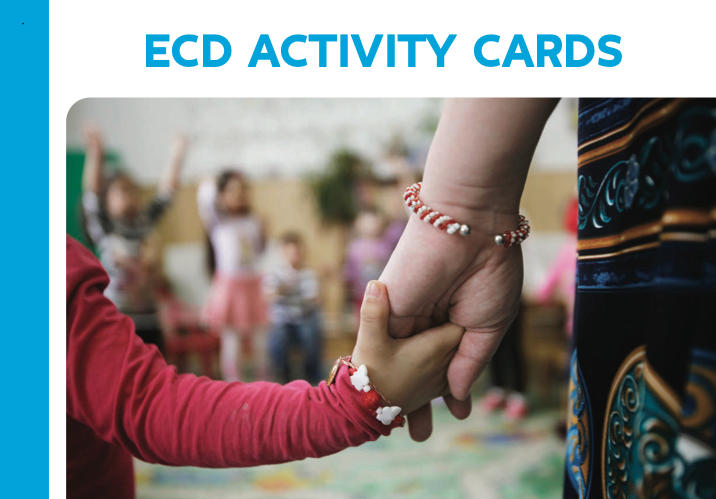
ECD activity cards (English)
ECD activity cards
Children’s right to play, leisure and education is threatened during and after emergency situations. Many young children living in refugee homes arrive in their host country after a dangerous journey, and potentially traumatic experiences. Life has changed, and the new living environment is different — and often not child friendly. Many parents suffer from high levels of stress and find it difficult to provide their children with the comfort, support and incentives they need to develop and learn.
The ECD Activity Cards were developed by UNICEF and ISSA as a practical tool to support the planning of Early Learning and Play Groups (ELPG) as part of the daily management of Child Friendly Spaces (CFS) in refugee homes. The cards are designed to create physically and psychologically safe spaces where children feel welcome, valued and empowered to learn and develop — helping to alleviate psychological distress and re-establish stability.
The ECD activity cards can also be used to strengthen parent-child bonds and to support educational and accountable care by providing caregivers with ideas for activities they can use to help children play and relax.
Available in Bulgarian, English, Romania, Russian and Ukrainian.
Comenius Foundation for Child Development Shares a Method for Scaling-Up with the ISSA Network
Established in 2003 by a group of psychologists, pedagogues and community workers, ISSA Member Comenius Foundation for Child Development (Comenius Foundation) inspires adults to create environments in which all young children can develop, explore and use their potential. The organization provides equal opportunities for children that help them to become open-minded individuals. To implement that, Comenius Foundation has innovative systemic and legal arrangements and a wide variety of effective childcare projects.
Comenius Foundation is mostly focused on the wellbeing of children from rural areas and small towns, children from economically and culturally neglected communities. Foundation’s activities are targeted towards non-governmental organizations, representatives of local governments, parents, teachers, librarians, animators, and children directly. On the national level, Comenius Foundation promotes the educational needs of young children through publishing, preparing reports, conducting research, organizing conferences. On the local level, the organization provides training, projects, and consultations to rural municipalities and non-governmental organizations to help them introduce developmental and educational services for young children which equalize their life chances.
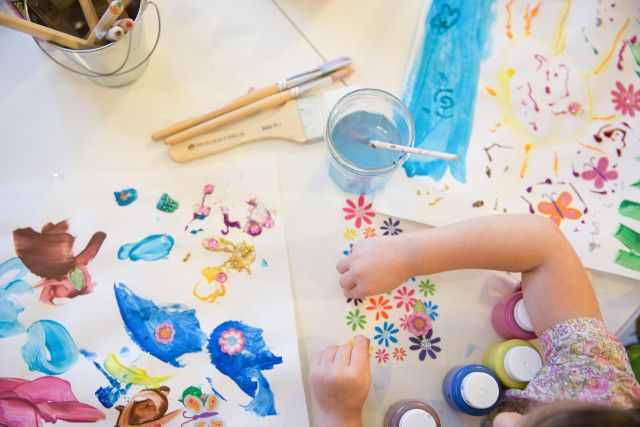
Comenius Foundation would like to share their experiences with up-scaling playgroup services for children a few months old to three or four years of age, within and outside Poland. The up-scaling methodology can be used for other programs as well as playgroup projects. The playgroup project offers meetings for young children and their parents or caregivers under the guidance of an animator. A playgroup makes it possible for adults to accompany their children in the classroom, which contributes to their children’s sense of wellbeing, helps parents enhance their parenting skills, and strengthens parent-child relationships. The Playgroups Plus project helps young unemployed mothers with job searches.
“I am very thankful for the playgroups that have been set up for our children, where they can feel at ease,” says Jumagul from Tajikistan – a mother of Mehron, a girl with right-sided paresis. “The children learn and play together. During breaks, they wash their hands, eat fruit or have tea with biscuits. Each child has their own towel. After these meetings, at home, Mehron is able to act independently and helps to set the table, bringing spoons, tea dishes, and towels. I am very glad that my daughter is assisting me.”
Playgroups Plus was a pilot project. Now Comenius Foundation would like to scale it up! The aim is to determine the project's potential to improve the ability of young mothers to advance their professional careers in Early Childhood Education and Care services.
Are you an ISSA member with experience in this area? The Comenius Foundation would love to hear from you.
BLOG: Caring at a Distance – Psychosocial Support for Refugee Children in Greece
In March 2020, when the COVID-19 pandemic led to a strict lockdown in Greece, playful and in-person interactions suddenly came to a halt at the Baytna program - an early childhood program developed by Refugee Trauma Initiative (RTI) for refugee children and their caregivers. To continue to support vulnerable families emotionally and socially, RTI and its network of partners created a range of multimedia and psychosocial resources, available online in several languages, for Baytna families and beyond.
Children growing up in conflict zones, experiencing displacement, or amid multiple deprivations are at risk of trauma and toxic stress which can interrupt healthy development. In such settings children are less likely to receive the protection, safety, and nurturing care and stimulation they need to meet their developmental milestones.
In Greece, there are 120,000 displaced individuals, including children and their families, many of whom are living with the effects of trauma alongside on-going stress, uncertainty, and adversity. For the past four years, Refugee Trauma Initiative (RTI) has been delivering Baytna - a trauma and identity-informed early childhood development program specially designed for refugee children and their caregivers living in Greece, with a focus on psychosocial support. Baytna program is funded by Help Refugees and Open Society Foundations.
In designing Baytna (which means ‘home’ in Arabic), we followed what the science tells about the power of creative expression, play, and relationships for healthy development and healing from adversity. It relies on in-person interactions between facilitators, children, caregivers and trauma- and identity-informed learning environments that are created.
Since mid-2019, we scaled up Baytna through a network of local organisations who we train and provide ongoing mentoring as part of a year-long capacity building program. As of early 2020, Baytna was running at five sites across Greece: two in Athens, and three in North Greece - Thessaloniki, Polikastro and Katerini.
Supporting displaced families amidst COVID-19
In March 2020, when the COVID-19 pandemic spread worldwide and Greek authorities began a strict lockdown, thousands of displaced families were suddenly forced to stay at their residence, and the usual nurturing interactions at Baytna became impossible as centres had to close.
It was important to continue supporting the families who attended Baytna so that they felt emotionally and socially supported - receiving care, feeling connected with a community, and having Baytna-inspired activities to do. In addition, consultations with people from displaced communities revealed the need for remote and innovative psychosocial support.
Online psychosocial support for families
Responding to the needs of displaced people, we developed psychosocial activity ideas for parents and their children - a taste of Baytna at home - which required either no materials or simple household items. The activity ideas for children from different ages were translated into various languages, both written and audio recordings, and shared with the families via the local partners (e.g. by text messages or phone calls).
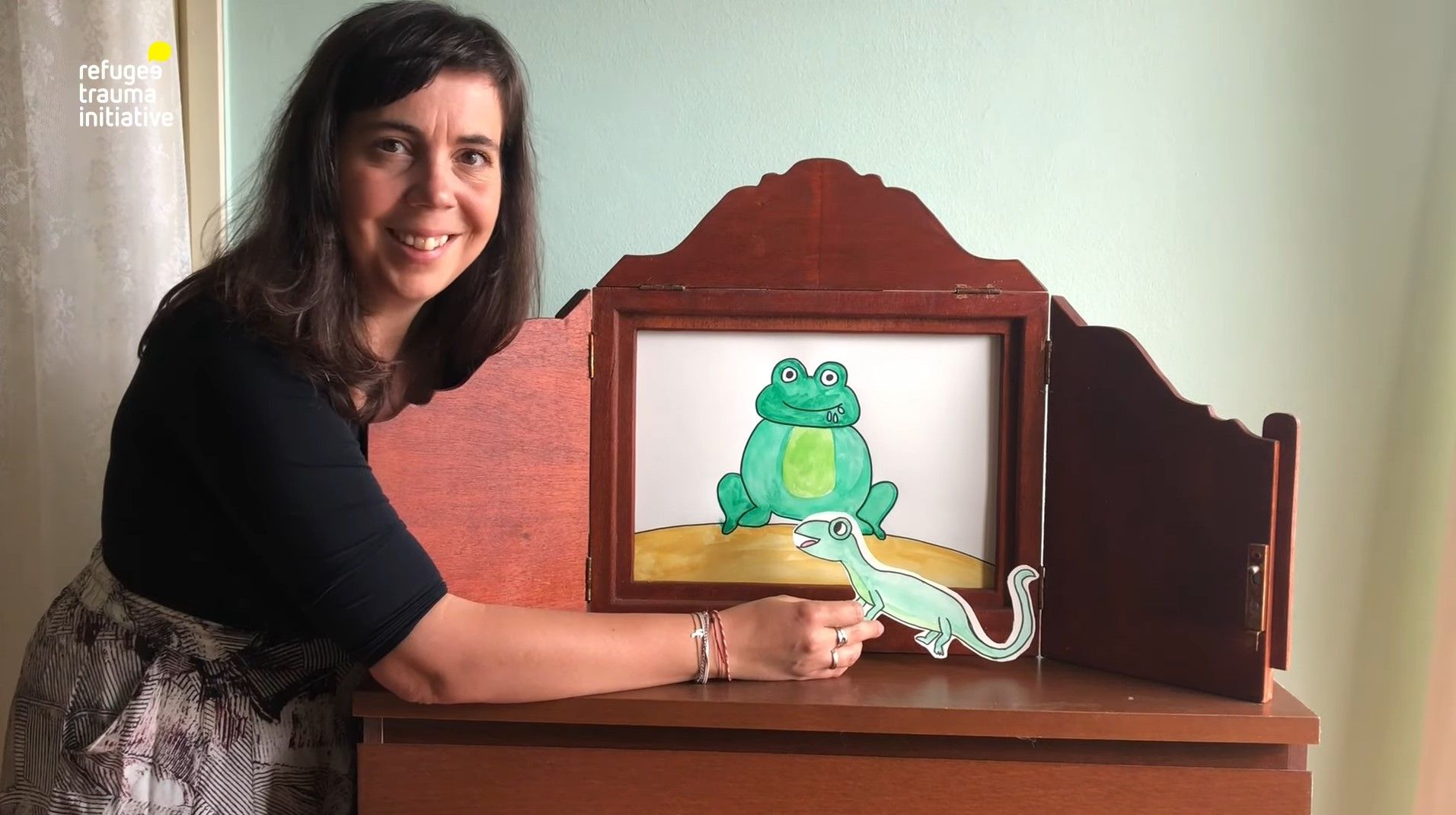
We, together with our partners, co-created interactive resources and videos for families, leveraging different strengths and the combined collaborative power of the Baytna network. These resources have been shared across social media and are available on RTI’s website.
Some examples include:
- Movement with Marianna, RTI
- Storytelling with Vaseilia (Athen’s Comic Library), Fatima (OCC) and Vasiliki, RTI
- Music and singalongs with Sofia and Miltos, Perichoresis
- Relaxation with Marianna, Elix
Simultaneously, we worked with partners to deliver activity care kits to families. These contained arts, craft, storytelling, and hygiene materials, as well as simple toys and posters. These were another sign of solidarity and continuity of Baytna program to families.
At times, caregivers reached out to Baytna facilitators to share their enthusiasm and gratitude for the activity ideas and videos, and to ask for advice about how to use them. Elix – a partner in Eleonas refugee camp in Athens - shared that caregivers asked how to modify the activities and also that some children recognised the activities from Baytna sessions and would teach their parents to do the same with excitement. Another Baytna partner - Athen's Comic Library - received videos from families of them trying out the activities at home, sometimes with their own unique approach.
It was very encouraging to see the Baytna activities and resources being shaped and adapted, as they were intended as inspiration to spark imagination, play, and bonding between children and their caregivers.
New era of programming
As Greece began lifting its lockdown from May 2020, the Baytna network has started to launch in-person programming again. The online resources will continue to be shared and created digitally. RTI colleagues share that it has been a joy to allow children who had already been attending Baytna to reconnect with their facilitators, if only by video, and to continue programming at a distance. It is even a greater joy to welcome children who live in other parts of Greece or in the other countries to access Baytna activities for the first time – and website statistics demonstrate the wide reach of the resources so far.
The Baytna network now has a growing bank of psychosocial resources and multimedia which are already being brought into their sessions. These can be used for any future lockdown situations, and to support RTI when training new Baytna partners. The recent collaborations have also strengthened the network and the connections between Baytna partners, fostering collaboration, sharing of ideas and development of language resources.
The COVID-19 crisis has reminded us of the power of a network, with shared values and vision, in responding with agility to changing needs of the communities we work with. Together, we can help to ensure that displaced children across Greece receive nurturing and quality care, and flourishing futures, amidst challenging and changing circumstances.
Written by Evelyn Wilcox, Head of Knowledge Management, Refugee Trauma Initiative, in collaboration with RTI team
Pictures:
1. Vasileia, a Storyteller and Baytna Facilitator at Athen's Comic Library, as she created a Baytna video
2. Activity sets sent to families during the COVID-19 lockdown.
‘Walk the Talk’ in Times of Crisis: Noteworthy Practices from ISSA Members
The COVID-19 pandemic has brought many unprecedented challenges for grassroots organizations and the communities they serve, especially those living in vulnerable and adverse context. The shock caused by this crisis is incomparable in terms of speed, scope, and intensity.
As part of our efforts to better understand the impact of the COVID-19 pandemic and contribute to the learning in the early childhood development field, ISSA has reached out to its Members across Europe to consolidate and synthesize evidence on interventions or services that they have developed as a response to the COVID-19 to support children, parents and caregivers.
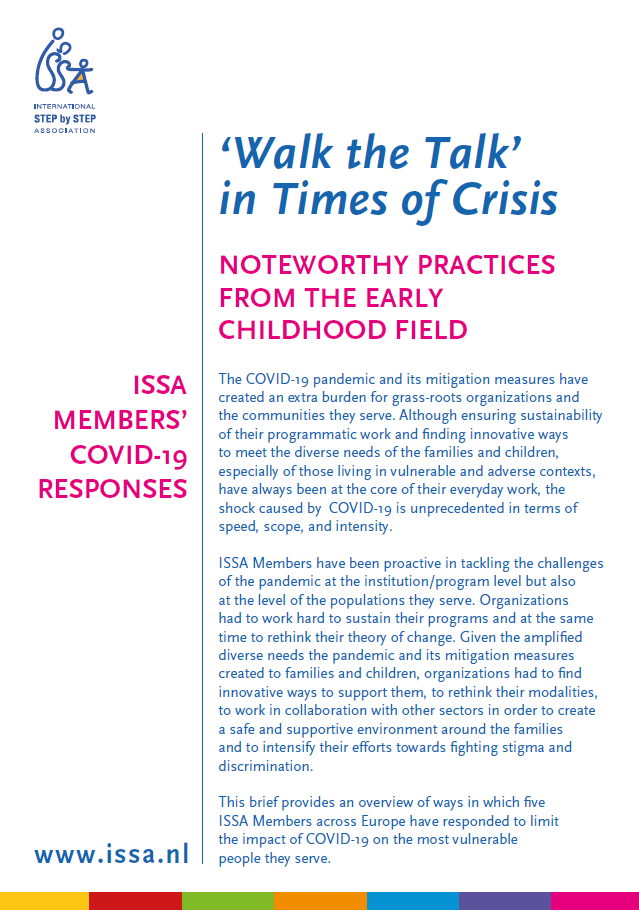
Drawing on ISSA Members’ input, we have synthesized a set of noteworthy practices and put together an overview of ways in which five ISSA Members have responded to alleviate the impact and challenges created by COVID-19 on the most vulnerable people they serve. We invite you to read, download and share ISSA’s brief “‘Walk the Talk’ in Times of Crisis: Noteworthy practices from the early childhood field – ISSA Members’ COVID-19 responses”.
Would you like to know more about how ISSA Members have responded to the COVID-19 pandemic and the wide range of resources they have created? Click here.